Noticing Poor Leg Circulation After 50
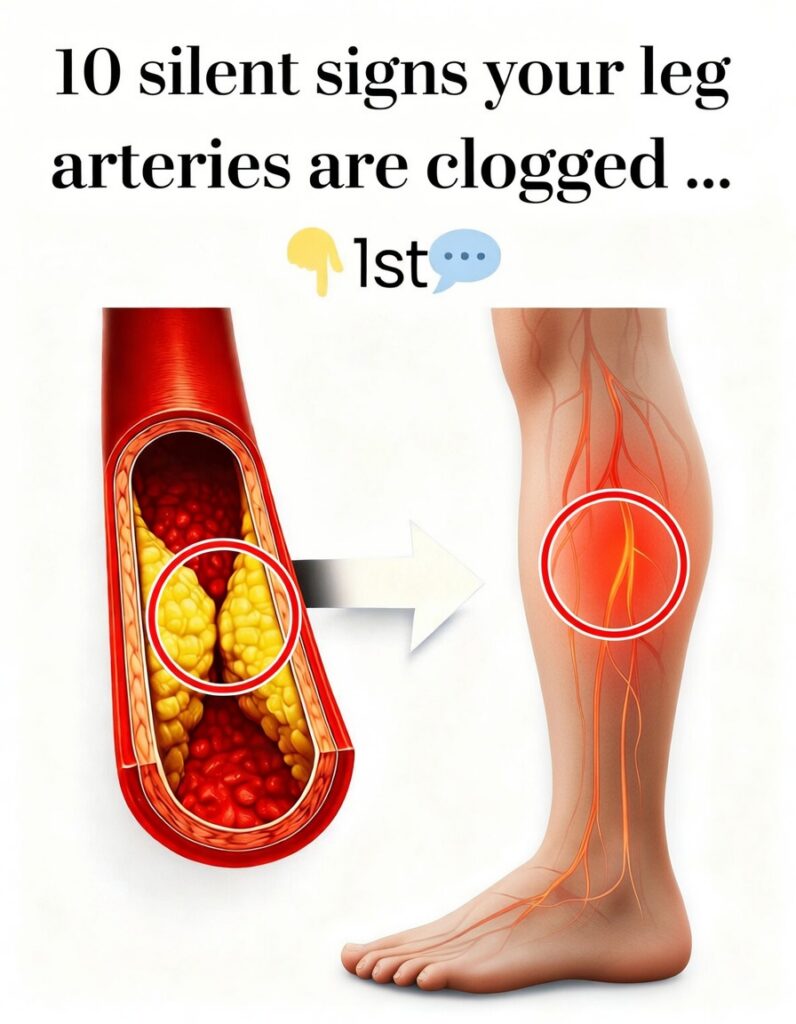
Many adults over 50 develop unexplained leg discomfort when walking that forces them to slow down or stop. What seems like simple muscle fatigue can actually reflect reduced blood flow in the legs caused by narrowed arteries. Because these changes often appear slowly, they are frequently dismissed as “just getting older,” leading to frustration with daily activities and concern about long-term mobility.
Recognizing common signs of poor leg circulation early gives you a chance to speak with your doctor and make supportive lifestyle changes that may help protect both your legs and your overall cardiovascular health.
Why Recognizing Signs of Poor Leg Circulation Matters After 50
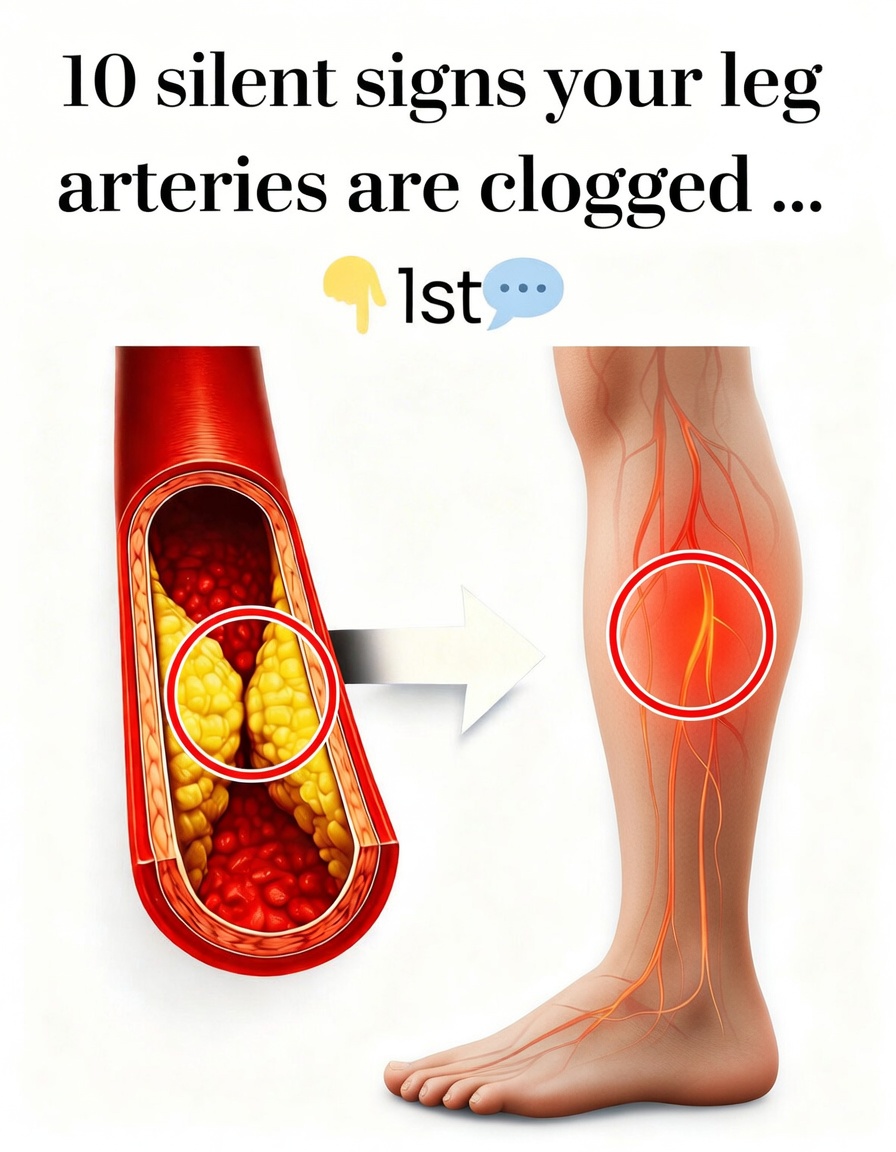
Problems with blood flow to the legs become more frequent with age, especially after 60. Studies suggest millions of older adults experience these circulation changes, which are closely linked to heart and vascular health. Many people find that their walking distance shrinks or that leg discomfort limits their independence and daily routines.
One key point: signs of poor leg circulation usually develop gradually. Spotting them early gives you time to adopt simple habits that may support healthier blood flow.
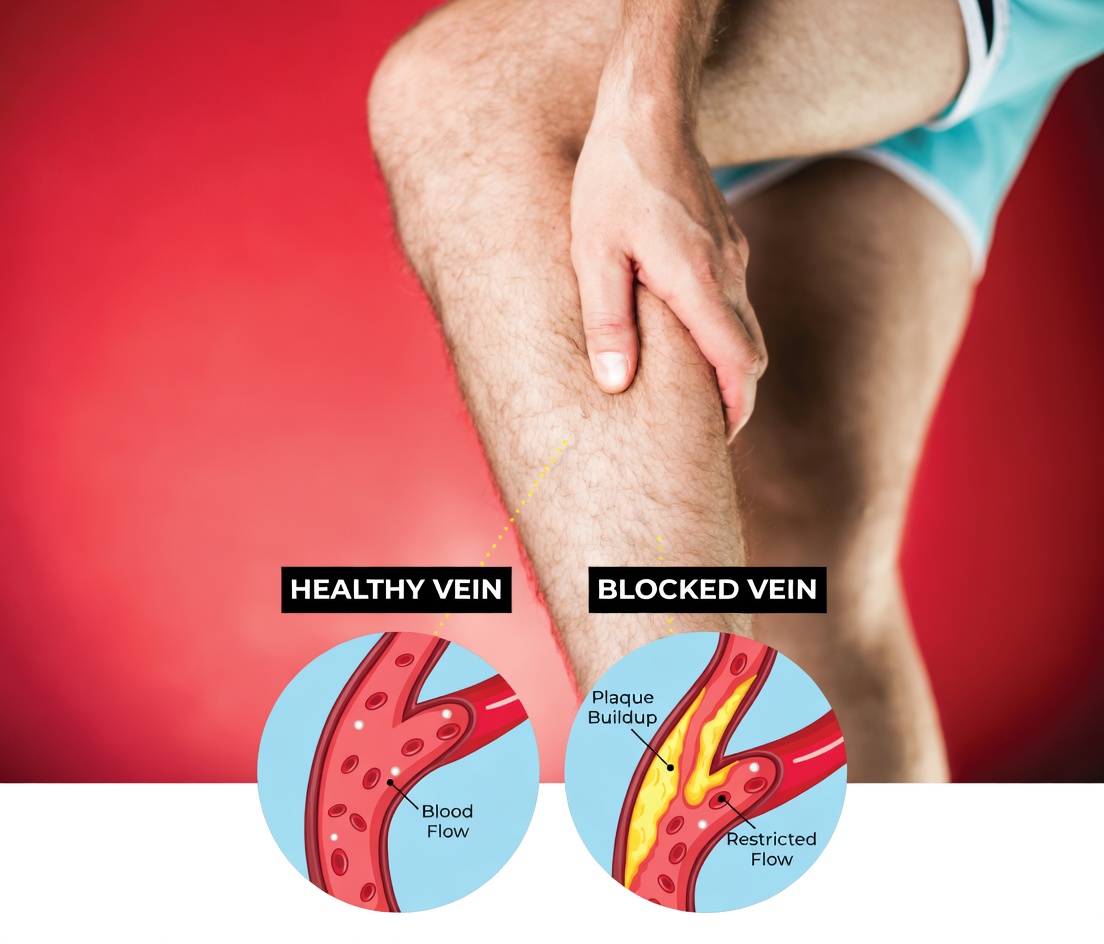
Reduced circulation in the legs also rarely exists in isolation. It often reflects artery changes throughout the body, including those supplying the heart and brain.
With that in mind, here are the specific warning signs to watch for and practical steps to consider.
10 Common Signs of Poor Leg Circulation
1. Leg Pain or Cramping When Walking
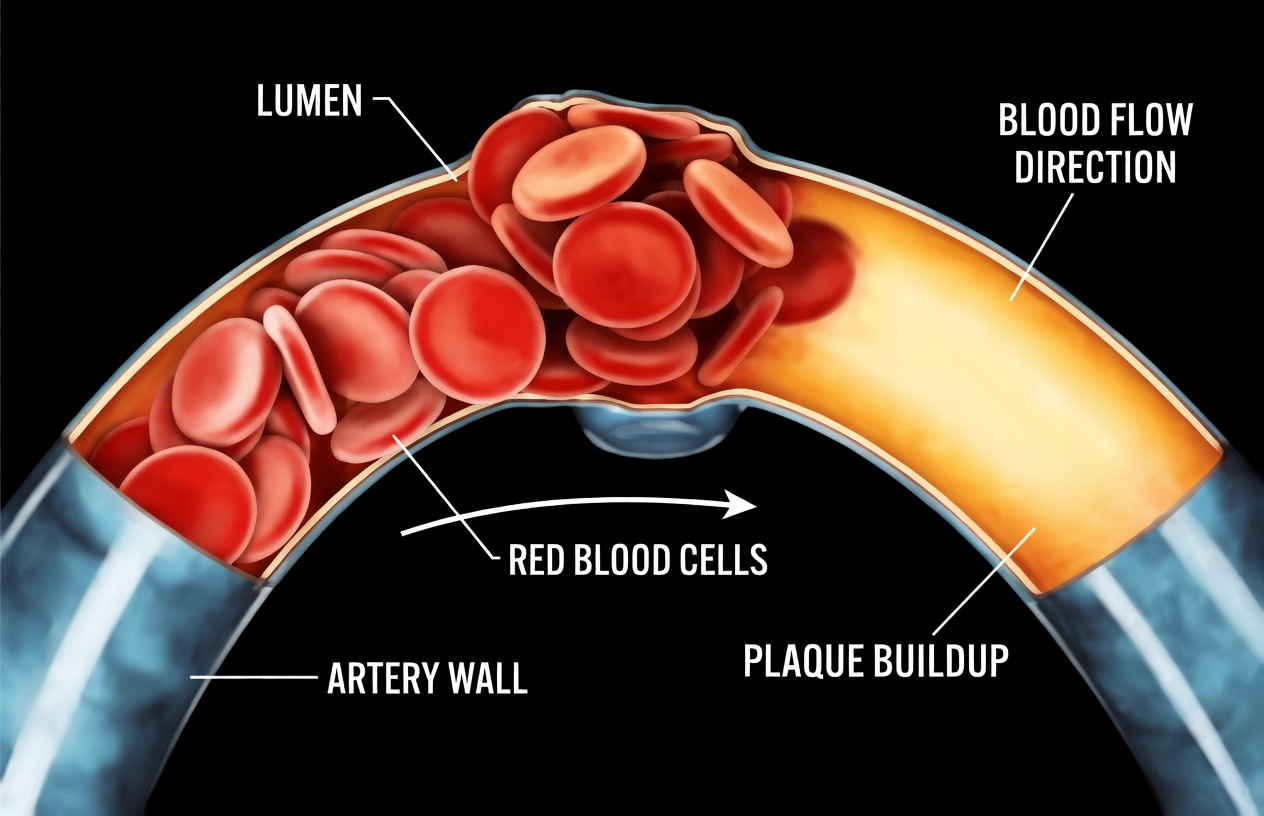
One of the hallmark signs of poor leg circulation is aching, cramping, or a heavy sensation in the calves, thighs, or buttocks that shows up during walking or climbing stairs and eases quickly once you stop.
This pattern occurs because active muscles demand more oxygen-rich blood, but narrowed arteries cannot deliver enough. The result is discomfort that forces you to pause, turning simple activities like shopping or walking around the block into a challenge.
If this happens often, notice how far you can walk before the pain begins and whether it improves with rest.
2. Persistent Numbness or Weakness
Another frequent sign of poor leg circulation is ongoing numbness, tingling, or weakness in the legs or feet, even when you are sitting or lying down. People often describe their legs as feeling heavy, “asleep,” or less dependable.
Reduced blood flow can affect the nerves, making balance and coordination more difficult and increasing the risk of falls in adults over 50. This is more than a nuisance — it can undermine your confidence in moving around safely.
Pay extra attention if one leg feels noticeably different from the other.
3. Cold Feet or Temperature Differences Between Legs
Chronically cold feet, or one leg feeling much cooler than the other, can be a clear sign of poor leg circulation. When blood flow is reduced, less warmth reaches the lower legs and feet.
Many older adults notice that their feet stay cold even in warm rooms or under blankets. Over time, this can become both uncomfortable and worrisome.
A simple home check is to use your hands to compare the temperature of each leg and foot. A consistent difference may indicate a circulation problem worth mentioning to your doctor.
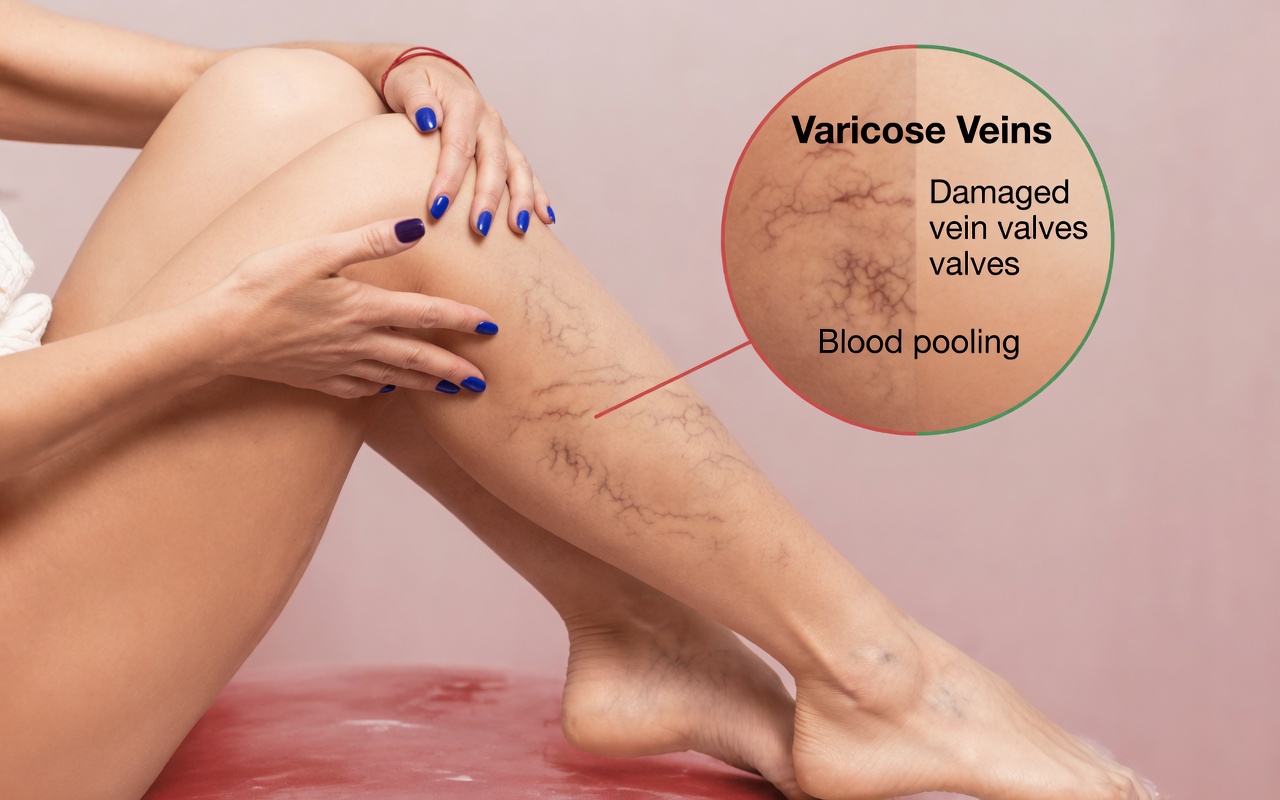
4. Changes in Skin Color or Texture
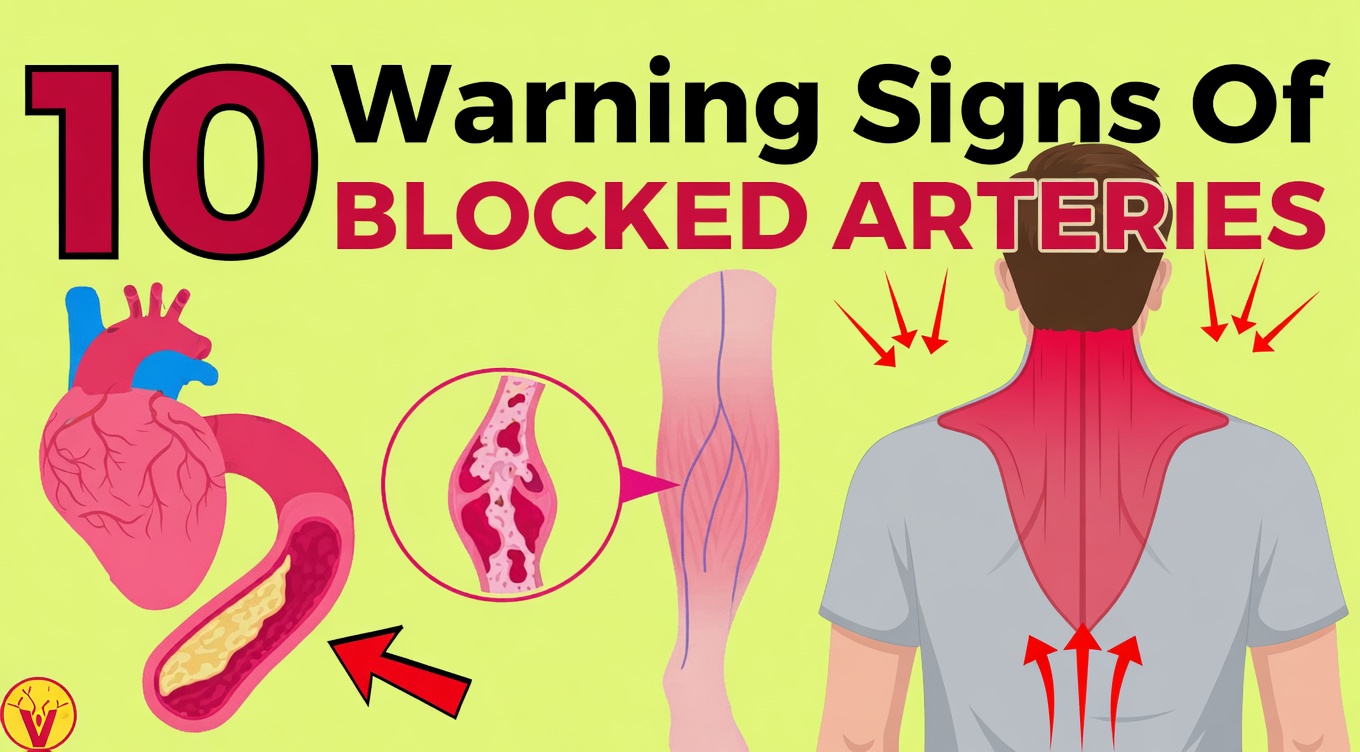
Changes in the appearance of the skin on your legs and feet can also suggest poor circulation. Common clues include:
- Shiny or unusually smooth skin
- Pale or whitish areas
- Bluish or purplish discoloration, especially when legs are elevated
The skin may appear thinner, more fragile, or more easily injured than before. These visible changes are a reminder that blood flow to the skin may be reduced and deserves attention.
5. Unusual Hair Loss on the Legs
Thinning hair or bald patches on the lower legs and tops of the feet can be a surprising but common sign of poor leg circulation. Hair follicles rely on a steady supply of blood and nutrients to grow.
Men and women alike may notice areas on their legs that suddenly look “bare” compared with previous years. While it may seem like a small cosmetic issue, it reflects the same underlying reduction in blood flow that can affect muscles, nerves, and skin.
6. Slow-Growing or Brittle Toenails
Toenails that become thick, brittle, discolored, or noticeably slow-growing can also point to poor leg circulation. Like hair and skin, nails depend on healthy blood flow for normal growth.
These nail changes often appear alongside other symptoms, such as cold feet or shiny skin, and can serve as another clue that your vascular health should be evaluated.
7. Sores or Wounds That Heal Slowly
One of the more serious signs of poor leg circulation is the presence of cuts, blisters, or sores on the feet or legs that take a long time to heal — or do not heal properly at all.
When blood flow is limited, less oxygen and fewer healing nutrients reach the tissues, slowing the repair process. This is especially concerning in people with diabetes or nerve damage, who may not feel minor injuries.
Any non-healing or worsening wound on the legs or feet requires prompt medical care.
8. Weak or Hard-to-Find Pulses in the Feet
During an exam, healthcare providers often check the pulses at the ankles and on the top of the feet. Weak, very faint, or absent pulses are important clinical signs of poor leg circulation.
Most people cannot reliably assess these pulses on their own, but a brief check in the doctor’s office can reveal a great deal about the status of blood flow in your legs.
9. Foot Pain Even at Rest
Burning, aching, or throbbing pain in the feet or toes that occurs even when you are resting — particularly at night — may signal more advanced poor leg circulation.
In some cases, elevating the legs in bed can worsen the discomfort because it further reduces blood flow to the feet. People may find themselves dangling their legs over the side of the bed or getting up to walk around for relief.
This type of pain can interfere with sleep and daily comfort and should be evaluated by a healthcare professional as soon as possible.
10. Erectile Dysfunction in Men
For men, ongoing erectile dysfunction can sometimes be an early sign of poor circulation, including poor leg circulation. The same artery changes that limit blood flow to the legs can affect blood flow elsewhere in the body.
Because erectile problems are often linked to broader vascular health, they should be discussed openly with a doctor, especially when combined with other signs of poor leg circulation.
Summary Table: Common Signs of Poor Leg Circulation
| Sign | What It Feels or Looks Like | Why It Happens |
|---|---|---|
| Leg cramping when walking | Pain that eases with rest | Active muscles demand more blood than arteries can deliver |
| Numbness or weakness | Heavy, tingly, or unreliable legs | Nerves receive less oxygen and nutrients |
| Cold legs or feet | One or both feet feel cold | Reduced warm blood flow to the extremities |
| Shiny, pale, or discolored skin | Smooth, thin, pale, or bluish skin | Poor circulation to the skin surface |
| Hair loss on the legs | Bald spots on lower legs/feet | Hair follicles lack adequate blood supply |
| Brittle or slow-growing toenails | Thick, crumbly, or slow nail growth | Nails do not receive enough nutrients |
| Slow-healing sores | Cuts or blisters that won’t heal | Limited blood flow delays tissue repair |
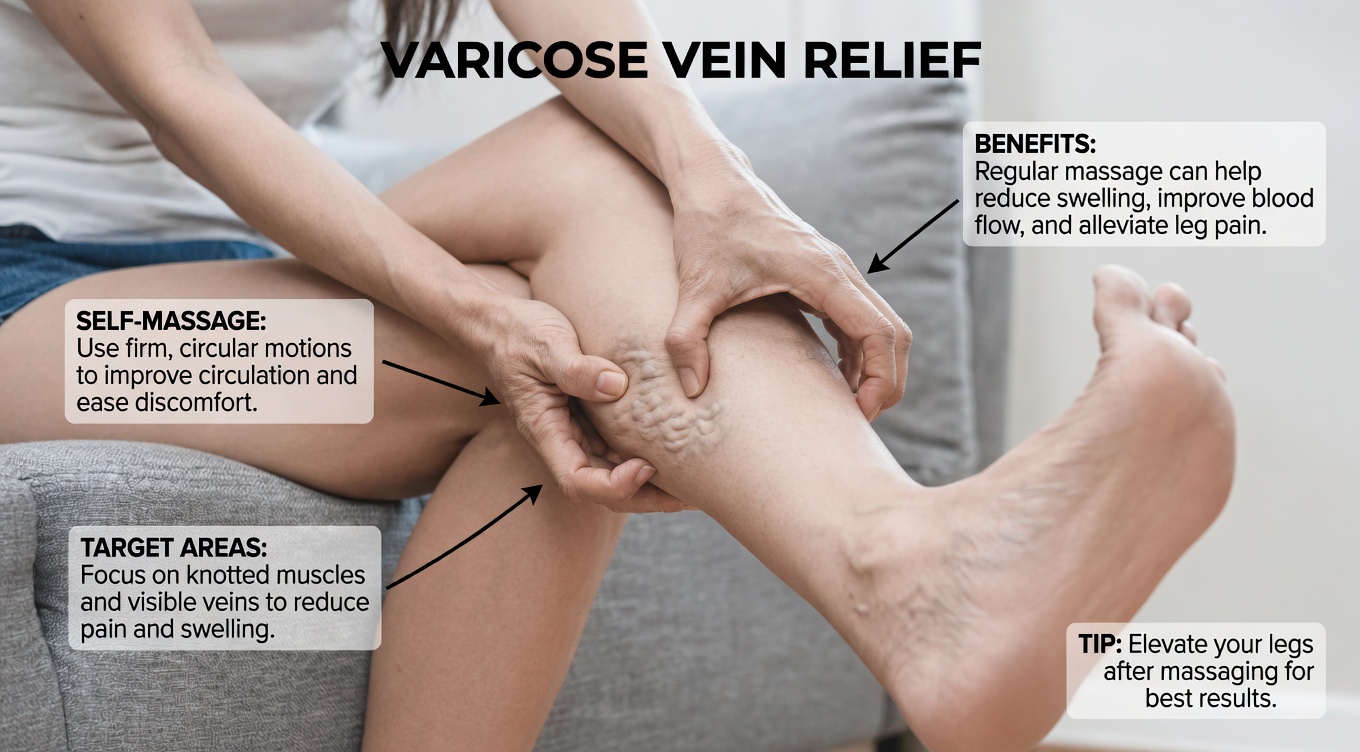
Simple Lifestyle Steps to Support Better Leg Circulation
While only a healthcare professional can diagnose circulation problems, many people find that certain daily habits help support healthier blood flow and improve walking comfort:
-
Build a gentle walking routine
Start with short walks and include rest breaks as needed. Over time, try to work toward a total of about 30 minutes of walking on most days, if your doctor agrees. -
Choose an anti-inflammatory eating pattern
Emphasize vegetables, fruits, whole grains, nuts, beans, healthy fats like olive oil, and fatty fish. Try to cut back on highly processed foods, refined grains, and added sugars where possible. -
Stop smoking or vaping
Quitting tobacco is one of the most powerful ways to protect arteries and circulation. Ask your healthcare provider about tools and support programs if you need help stopping. -
Manage weight, blood pressure, and other conditions
Keeping weight, blood pressure, cholesterol, and blood sugar in a healthy range can support overall vascular health and may reduce progression of poor leg circulation.
Always speak with your doctor before making major changes to your exercise or diet. They may suggest an ankle–brachial index (ABI) test — a simple, noninvasive measurement that compares blood pressure in your ankles and arms to assess blood flow in your legs.
The key message for adults over 50: noticing even one sign of poor leg circulation is a signal to take thoughtful, steady action with your doctor’s guidance. Small daily steps like walking more and eating mindfully can gradually improve how your legs feel and function.
FAQ About Signs of Poor Leg Circulation
What are the earliest signs of poor leg circulation?
Many people first notice leg cramping or aching when walking that improves with rest, along with cold feet or changes in skin color. These early clues often appear before more serious symptoms.
Can lifestyle changes help support poor leg circulation?
Yes. Consistent walking (as tolerated), adopting a heart-healthy, anti-inflammatory eating pattern, and quitting smoking can all support better circulation and may improve walking distance and comfort for many adults.
When should I see a doctor for leg symptoms?
Contact a healthcare provider promptly if you have:
- Persistent leg pain, cramping, or weakness
- Sores or wounds on your legs or feet that are slow to heal
- Sudden changes in skin color, temperature, or sensation
This information is for educational purposes only and does not replace professional medical advice. Consult your healthcare provider if you notice any signs of poor leg circulation, especially if you have risk factors such as diabetes, high blood pressure, high cholesterol, or a history of smoking.