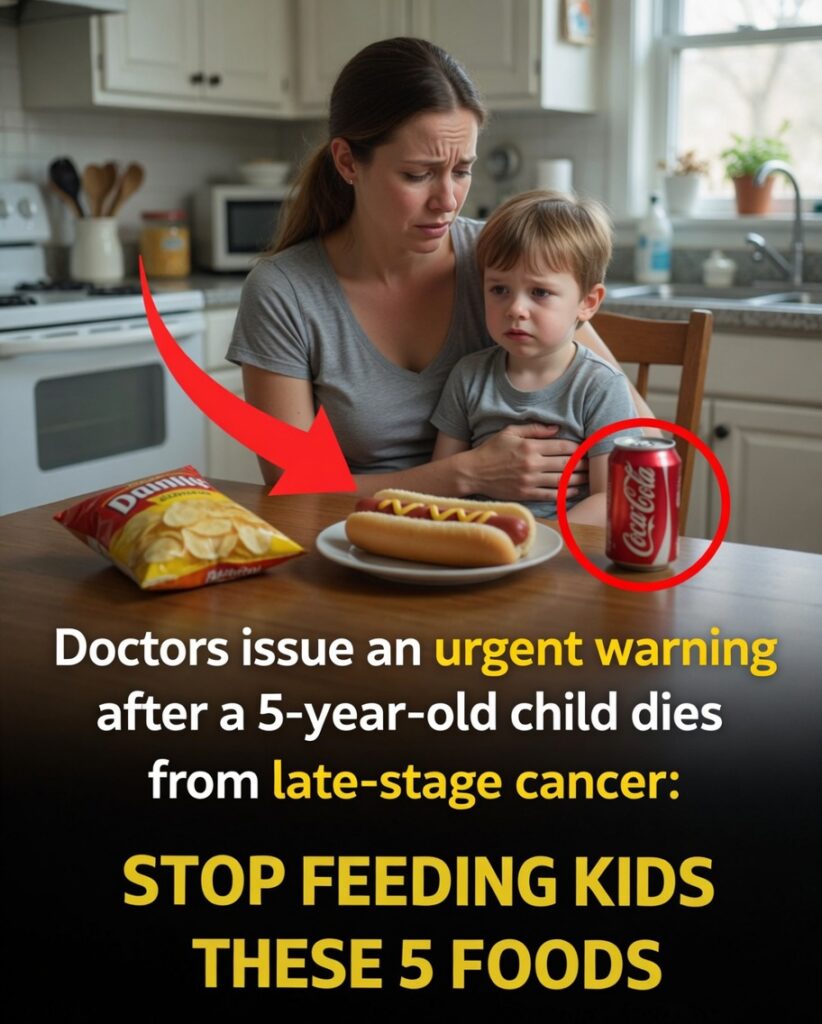
5 Everyday Kids’ Foods Heart Doctors Wish You’d Rethink (and What to Serve Instead)
Parents are constantly juggling schedules, snacks, and meals, reaching for whatever will keep kids full and happy. But many popular “kid-friendly” choices contain ingredients associated with inflammation, energy crashes, and other long-term health concerns. With marketing that makes these foods look harmless—or even healthy—it’s easy to feel overwhelmed or misled.
The encouraging news: you don’t need a perfect diet or a complete kitchen overhaul. Small, realistic swaps can meaningfully support your child’s health, without turning every meal into a fight. Over time, these simple changes add up in surprising ways, laying the groundwork for better well-being for years ahead.
The 5 Foods Experts Call Out Most Often
Cardiologists and pediatric specialists frequently mention the same handful of foods after years of watching trends in children’s health. These items show up in lunchboxes, after-school snacks, and quick dinners all over the world.
Before diving in, remember: this is about awareness and gradual improvement, not guilt or perfection.
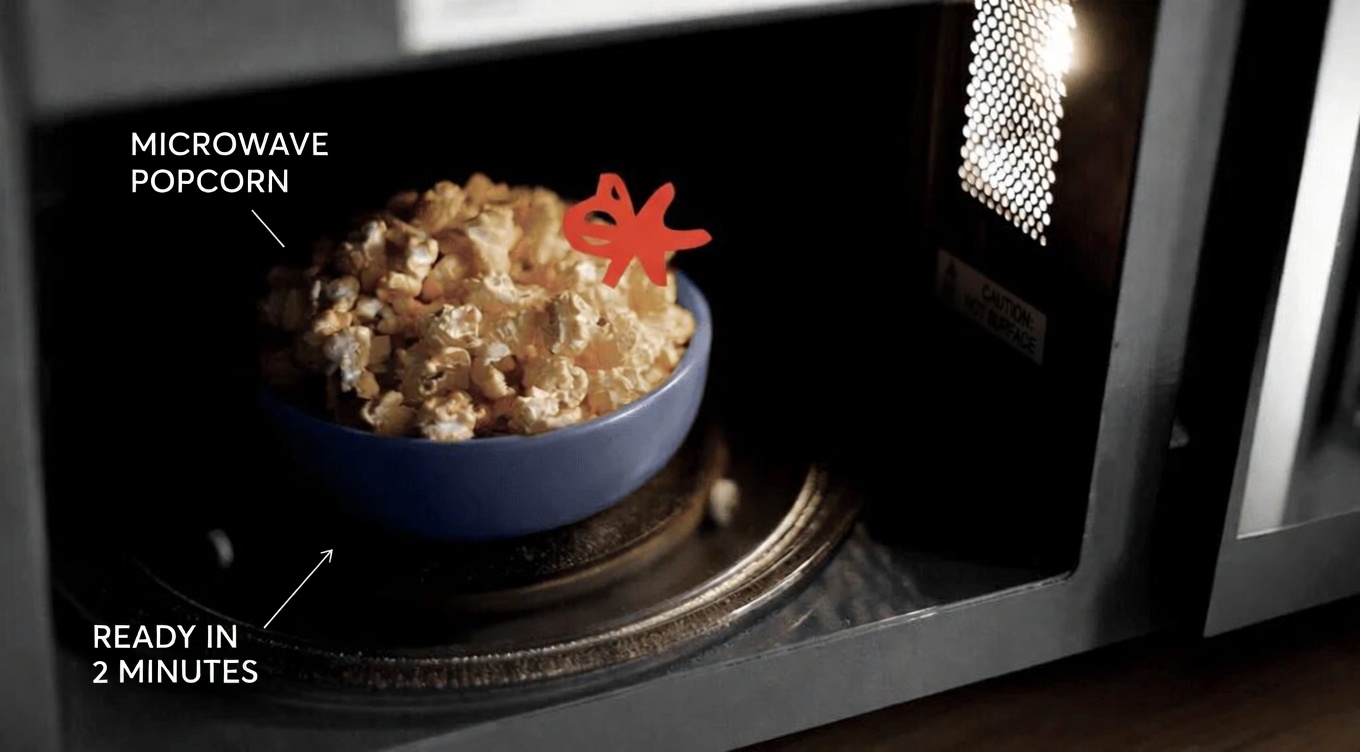
1. Microwave Popcorn – Fast and Fun, but Not So Simple
Microwave popcorn feels like an easy, cozy treat for movie night or homework breaks. However, many brands use packaging and flavorings that raise red flags:
- The bag lining often contains PFAS (also known as “forever chemicals”), which research has linked to potential immune system effects.
- Some artificial butter flavorings have been scrutinized by health agencies due to concerns about lung health with repeated exposure.
Because popcorn is such a convenient go-to, even occasional bags can add up more quickly than most parents realize.
A safer, simple swap you can try tonight:
- Pop plain kernels in a pot on the stove or in an air popper.
- Add a drizzle of real melted butter or olive oil and a pinch of sea salt.
- Let kids help shake the bowl to mix the seasonings—turn it into a fun family ritual.
2. Kid-Branded Flavored Yogurts
Those small, colorful yogurt cups decorated with cartoon characters look like the perfect source of calcium and protein. The catch: many contain large amounts of added sugar, artificial flavors, and synthetic dyes—often more than a child should have in an entire day, all in one serving. When kids ask for seconds, the sugar load goes even higher.
Studies suggest that too much added sugar in early childhood can:
- Disrupt steady energy and focus
- Contribute to mood swings
- Shape long-term taste preferences toward overly sweet foods
A step-by-step upgrade:
- Start with plain Greek yogurt for a naturally higher protein content.
- Mix in fresh or frozen berries, sliced banana, or a teaspoon of local honey for sweetness.
- Finish with a small handful of homemade granola or nuts for crunch (if age-appropriate and allergy-safe).
Your child still enjoys a creamy, dessert-like snack—but with fiber, real fruit, and far fewer additives.
3. Processed Meats: Hot Dogs, Bacon, and Deli Slices
Hot dogs, bacon, and lunchmeats are staples in many school lunches and quick dinners because kids enjoy them and they’re easy to prepare. The downside is that they’re often high in:
- Sodium
- Nitrates and nitrites
- Other preservatives
Experts link frequent consumption of processed meats to higher inflammation and increased heart-health risks later in life. Some cardiologists report that these foods can interfere with normal blood vessel function, and those effects may begin earlier than many parents expect.
An important point: “Turkey” or “light” versions are not automatically better—many contain similar preservatives and salt levels.
Healthier protein options to rotate in:
- Grilled or baked chicken or turkey breast you cook and slice yourself
- Lentil or chickpea patties as a plant-based alternative
- Small portions of grass-fed beef or lean meat for occasional variety
4. Sugary Breakfast Cereals and Sweetened Drinks
Brightly colored cereals with fun mascots are marketed as kid-friendly breakfast options, but many deliver a sugar surge first thing in the morning. Sweetened beverages—such as flavored juices, sports drinks, and sodas—often add even more sugar throughout the day.
These sugar spikes and crashes can:
- Make it harder for kids to concentrate at school
- Affect mood and behavior
- Contribute to unhealthy weight gain and metabolic issues over time
Metabolic health experts consistently warn that regular high-sugar intake in childhood impacts long-term health outcomes.
The upside: children usually adapt faster than adults expect when given consistent alternatives.
Balanced habits you can start tomorrow:
- Serve whole fruit, eggs with vegetables, oatmeal, or a smoothie made with plain yogurt and spinach instead of sugary cereal.
- Keep a pitcher of water infused with cucumber, lemon, or berries in the fridge for a naturally flavored drink.
- Save sugary cereals and sweet drinks for special occasions instead of daily use.

5. Deep-Fried Foods and Crunchy Snacks
French fries, chicken nuggets, onion rings, and crispy snack foods are kid favorites for a reason: they’re salty, crunchy, and satisfying. However, deep-frying at high temperatures can create compounds linked to inflammation and oxidative stress.
Additional concerns include:
- Repeated use of the same oil in restaurants or fast-food chains
- Many frozen “oven-ready” items being pre-fried before packaging
Over time, this can train young palates to crave heavily processed, ultra-crispy foods instead of enjoying the natural textures of whole ingredients.
Crispy options kids can actually get excited about:
- Air-fry sweet potato wedges, cauliflower florets, or zucchini sticks with a bit of olive oil
- Make your own veggie chips from kale, carrots, or beets in the oven
- Roast chickpeas with spices for a crunchy, protein-rich snack
Why These Swaps Matter More Than They Seem
Long-term research shows that the eating patterns children develop early in life play a powerful role in:
- Daily energy and focus
- Mood regulation
- Growth and development
- Future heart and metabolic health
The American Academy of Pediatrics and other major organizations emphasize that reducing ultra-processed foods and additives supports better nutrient absorption and more stable growth. You don’t have to overhaul everything at once—small, consistent changes are both realistic and effective.
Quick Cheat Sheet: What to Limit and What to Choose Instead
| Food to Limit | Main Concern | Healthier Swap Example |
|---|---|---|
| Microwave popcorn | PFAS in bag lining & artificial flavors | Air-popped kernels with real butter or olive oil |
| Kid-flavored yogurts | High added sugar & artificial dyes | Plain Greek yogurt with fresh fruit |
| Processed meats | Nitrates, nitrites & excess sodium | Home-cooked chicken, turkey, or lentil patties |
| Sugary cereals/drinks | Blood sugar spikes and crashes | Whole fruit, eggs, oatmeal, infused water |
| Deep-fried foods | Inflammatory compounds from frying | Air-fried veggies or roasted chickpeas |
Actionable Tips You Can Use This Week
To make these ideas practical, try a simple seven-day challenge and notice how your family feels:

- Monday: Swap one snack for homemade or air-popped popcorn.
- Tuesday: Serve plain yogurt with fruit and a bit of granola for breakfast.
- Wednesday: Pack lunches without deli meats—use grilled chicken, hummus, or beans instead.
- Thursday: Replace one sugary drink with fruit-infused water.
- Friday: Serve air-fried veggie sticks or roasted potatoes instead of traditional fries.
- Weekend: Let your kids help shop for and cook one new, less processed recipe together.
Many parents report seeing steadier energy, fewer mid-day crashes, and reduced cravings for ultra-sweet or ultra-salty foods after just a week or two.
The One Habit That Makes All the Difference
Nutrition experts repeatedly point to one powerful factor: children copy what they see. When parents regularly choose simple, whole foods and talk positively about them, kids are far more likely to follow along.
- Eat the same healthier swaps you offer your child.
- Cook together and explain what you’re doing in age-appropriate language.
- Celebrate small changes instead of focusing on “forbidden” foods.
When these habits become part of your family culture, they feel less like rules and more like a natural way of eating.
Conclusion
Supporting your child’s health doesn’t require perfection, extreme restrictions, or expensive specialty products. By understanding the five foods experts most often flag—and gradually swapping them for smarter alternatives—you can improve your family’s eating pattern with far less effort than you might think.
Choose one area that shows up most often in your home—maybe breakfast cereal, processed meats, or microwave popcorn—and start there. Even a single change can create momentum, and over time, those small decisions build a strong foundation for your child’s long-term well-being.
FAQ
Can my child still have these foods occasionally?
Yes. Occasional treats are part of a realistic, balanced lifestyle. The goal is to limit how often these foods appear—not to ban them completely.
Are homemade versions of these foods really better?
In most cases, yes. When you make popcorn, yogurt parfaits, “fries,” or nuggets at home, you control the ingredients, cooking methods, and portion sizes. That usually means fewer additives, better fats, and more whole foods.
What if my child is very picky and only wants these items?
Start with small shifts instead of sudden, drastic changes. Pair familiar favorites with healthier sides, gradually adjust recipes (less sugar, more whole ingredients), and involve your child in shopping and cooking. Many kids become more open to new foods after several calm, repeated exposures.
Disclaimer
This article is for educational and informational purposes only and does not constitute medical or dietary advice. Always consult your child’s pediatrician or another qualified healthcare professional before making major changes to your family’s diet. Individual nutritional needs vary based on age, health status, and medical history.