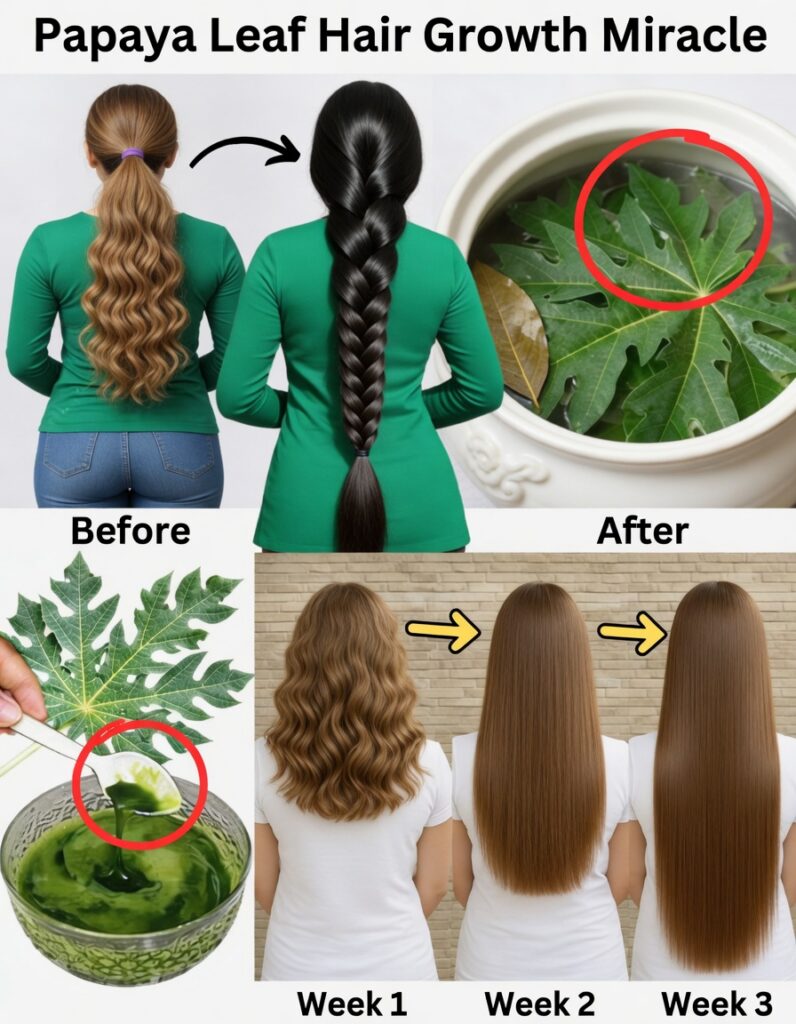
Many women with 4C natural hair struggle with slow length retention, frequent breakage, thinning edges, and stubborn dandruff—making wash day feel exhausting even after trying endless products. Persistent itching, flaking, and shedding can be discouraging, and it’s easy to wonder whether longer, fuller hair is realistic for your texture.
What if a simple traditional remedy—papaya leaves—could offer gentle, natural support for a calmer scalp and stronger strands? Below are two easy ways people commonly use papaya leaves, tapping into nature’s enzymes and nutrients to support healthier hair habits.
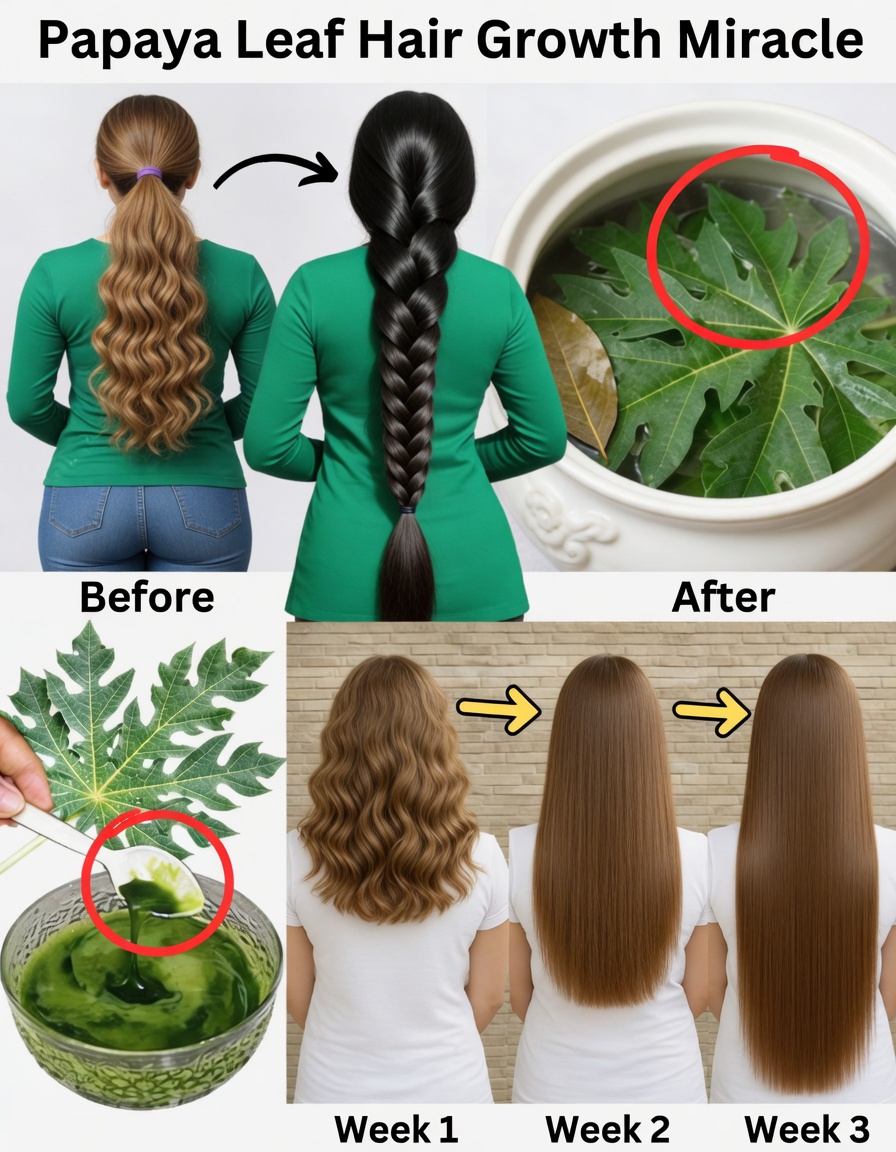
Why 4C Hair Growth Can Feel So Difficult
Coily 4C hair can seem like it grows slowly—sometimes appearing stuck at around half an inch per month or less, even when you wear protective styles and condition regularly. The bigger issue is often breakage and shedding, which can cancel out the length you gain. Single-strand knots, split ends, and fragile ends make progress feel invisible.
A major piece of the puzzle is scalp health. When follicles are stressed by buildup, inflammation, or fungal imbalance, the scalp environment may contribute to more shedding and poor retention. Papaya leaves have a long history in traditional care for supporting scalp comfort and cleanliness—especially when flakes and itch are part of the problem.
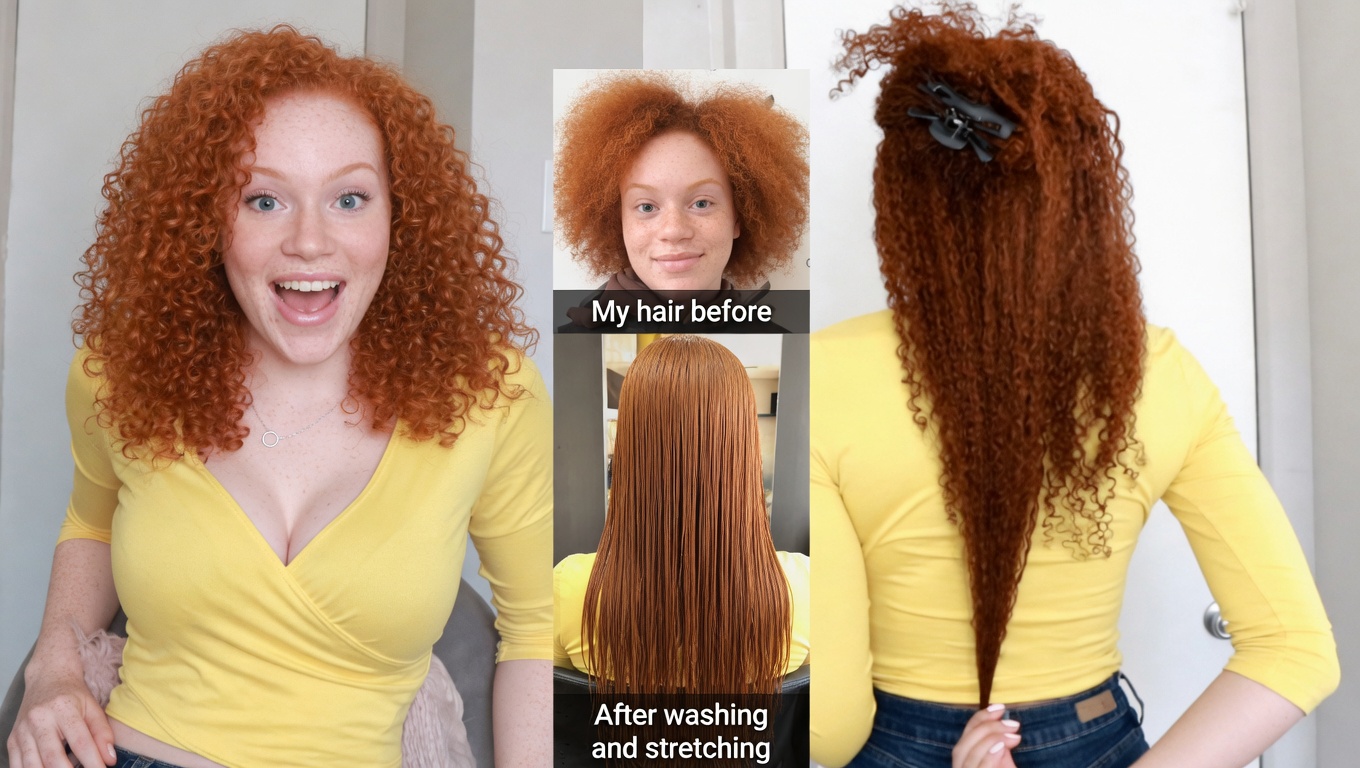
What Makes Papaya Leaves Interesting for Hair and Scalp Support
Papaya leaves contain papain, a natural enzyme that breaks down proteins. In practical hair care terms, this may help loosen dead skin cells, excess oil, and product residue on the scalp—acting like a gentle exfoliating support without aggressively stripping your natural balance.
They also contain antioxidant nutrients such as vitamins A, C, and E, plus plant compounds like flavonoids, which help defend against oxidative stress. Some laboratory research suggests papaya leaf compounds may have antifungal activity, which is relevant because certain yeasts are commonly associated with dandruff. Traditional use also often emphasizes soothing, anti-inflammatory benefits for irritated scalps.
With consistent use, many people report less itching and fewer flakes, and over time they notice improved strand feel and reduced breakage. Research on papaya extracts and hair/scalp support is still emerging, so results vary and more studies are needed.
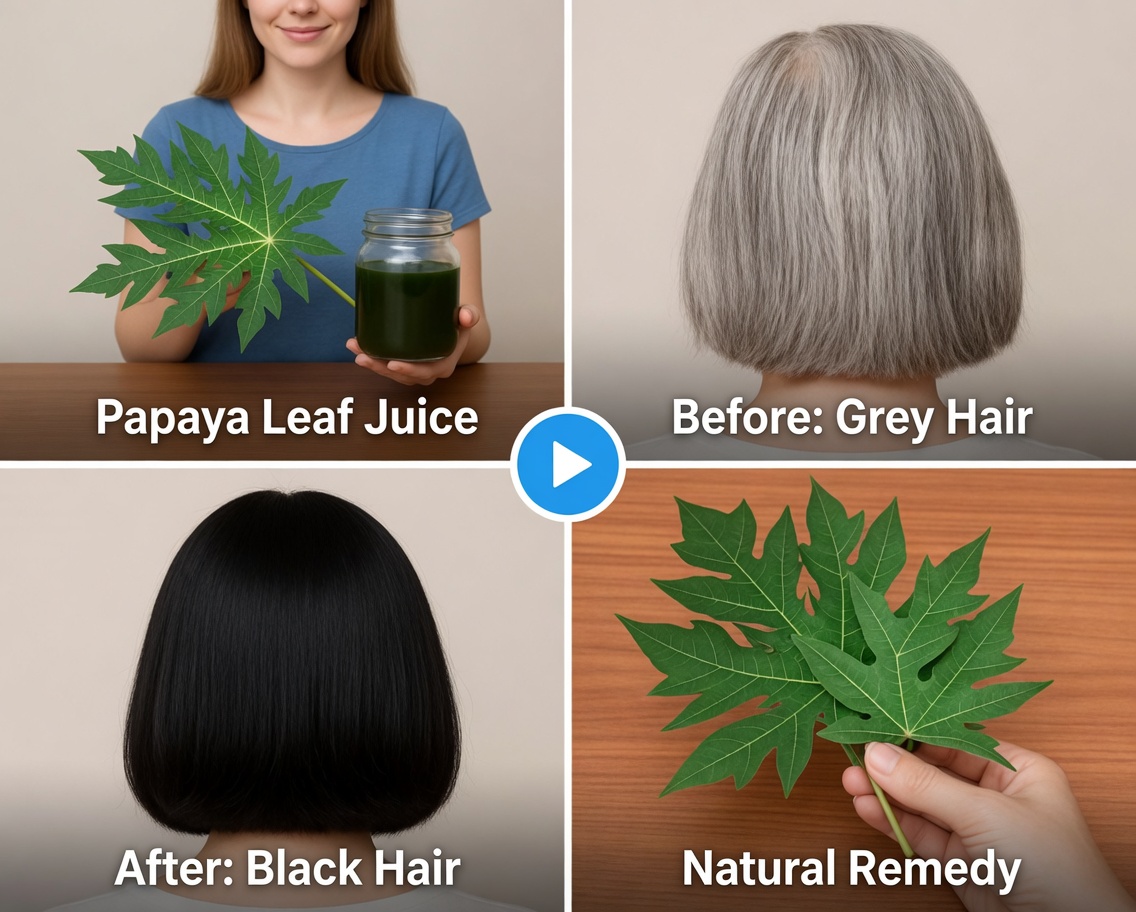
Method 1: Papaya Leaf Infused Oil for Deep Scalp and Strand Nourishment
If your main issues are dry scalp, brittle hair, and breakage, an infused oil can be a practical option because it delivers benefits slowly and provides slip for massage. Pairing papaya leaf compounds with a carrier oil may help support a healthier scalp environment and improve the feel of the hair shaft over time.
How to make papaya leaf infused oil
- Rinse fresh papaya leaves well and pat completely dry (skip thick stems).
- Chop the leaves or lightly crush them to release their juices.
- Place the leaves in a clean jar and cover fully with a carrier oil:
- coconut oil
- olive oil
- castor oil
- Warm gently on low heat for 30–45 minutes, until the oil darkens slightly.
- Strain out the plant material, let the oil cool, then store in a dark bottle.
How to use it
- Apply to the scalp 2–3 times per week.
- Massage for 5–10 minutes.
- Leave on for 1–4 hours (or overnight if your scalp tolerates it), then shampoo.
Many users notice softer hair, more shine, and less shedding after a few weeks of consistent use.
Optional add-on: After the oil has cooled, mix in a few drops of rosemary essential oil (only if you tolerate essential oils well) to support a stimulating massage routine.
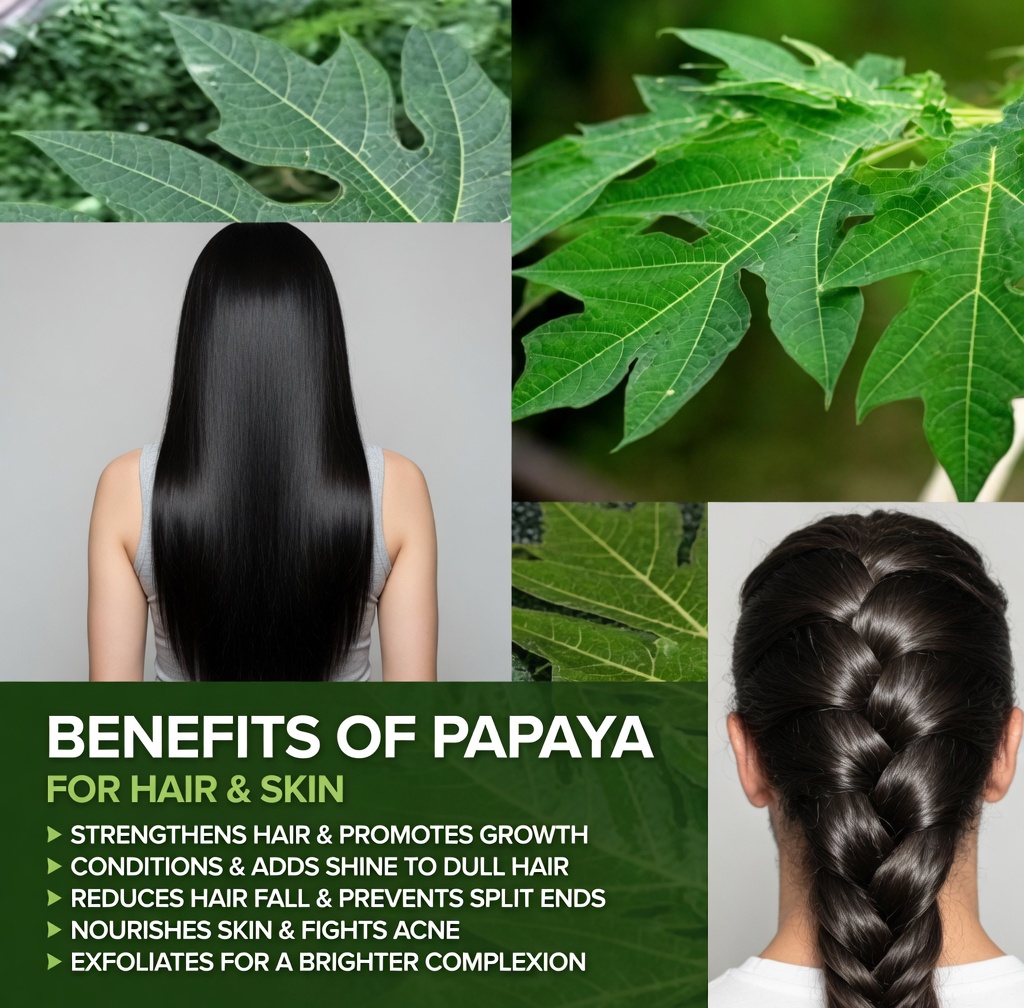
Method 2: Papaya Leaf Spray for Daily Scalp Comfort and Moisture
If you want something lighter for everyday use, a spray can be ideal—especially for 4C hair that often needs frequent hydration. This method provides a refreshing feel while offering gentle enzymatic support for the scalp.
How to make a papaya leaf spray
- Wash fresh papaya leaves and chop them.
- Blend with 2–3 cups of water.
- Strain through a fine cloth to remove pulp.
- Pour into a clean spray bottle.
- Store in the refrigerator
- Use within about 1 week
How to use it
- Mist directly onto the scalp daily, especially along edges and part lines.
- Massage gently.
- No rinse is required.
This routine can help reduce that tight, dry “ashy” look coily hair often gets, while supporting scalp freshness between wash days.
How to Get Better Results: Practical Tips That Matter
- Be consistent: Many people notice less itching and flaking in 1–2 weeks, while improved retention often takes 6–12 weeks.
- Patch test first: Test on a small area and wait 24 hours before full use.
- Massage helps: Pair oil or spray with a gentle scalp massage to encourage circulation.
- Deep condition regularly: Follow your wash routine with a deep conditioner to support moisture balance.
- Track progress wisely: Use monthly photos and note shedding patterns instead of relying only on inches.
- Support hair from within: Prioritize iron-rich foods, hydration, and stress management.
- Protective styles still matter: Apply the spray or oil before styling to reduce dryness and minimize tension at the edges.
Papaya Leaves and Common 4C Hair Concerns (Quick Comparison)
-
Slow visible growth
- How it may help: supports a cleaner follicle environment and nutrient-rich care
- Best approach: spray + oil
- Typical timeline: 6–12 weeks
- Evidence: traditional use + limited early research
-
Dandruff and itchy scalp
- How it may help: gentle exfoliation support + potential antifungal activity
- Best approach: spray daily, oil weekly
- Typical timeline: 1–4 weeks
- Evidence: moderate (lab findings) + traditional use
-
Breakage and thinning edges
- How it may help: supports comfort, reduces irritation, improves softness and handling
- Best approach: oil (edge-focused)
- Typical timeline: 4–8 weeks
- Evidence: anecdotal + known enzyme/plant properties
-
Dry, dull strands
- How it may help: hydration support + antioxidant profile for shine
- Best approach: spray daily
- Typical timeline: 2–6 weeks
- Evidence: nutrient-based rationale
-
Excessive shedding
- How it may help: supports a calmer scalp environment
- Best approach: both methods
- Typical timeline: 4–12 weeks
- Evidence: inflammation-support rationale + anecdotal reports
A Simple 12-Week Papaya Leaf Routine
-
Weeks 1–4
- Use the spray daily
- Apply infused oil twice weekly
- Track itchiness and flake changes
-
Weeks 5–8
- Keep the routine steady
- Add consistent scalp massage
- Watch for less shedding and early signs of new growth (baby hairs)
-
Weeks 9–12
- Maintain consistency
- Take progress photos
- Focus on scalp comfort and length retention wins
Hair health takes time, and small improvements—less itching, fewer flakes, less breakage—often create the foundation for better retention.
Frequently Asked Questions
Are papaya leaves safe for all hair types?
They’re generally considered gentle, but always patch test. If you have a latex allergy, avoid papaya leaves.
How often should I use papaya leaves on my hair?
A common starting point is spray daily and oil 2–3 times weekly, then adjust based on how your scalp responds.
Can I mix papaya leaves with other natural ingredients?
Yes. Many people combine them with aloe vera, tea tree, or rosemary, depending on sensitivity and scalp needs.
Disclaimer
This content is for educational purposes only and does not provide medical advice. Results vary by individual. If you have scalp conditions or ongoing hair loss, consult a qualified healthcare professional before trying new remedies. Natural ingredients are not a substitute for diagnosis or treatment.