
Why Early Detection of Prostate Cancer Matters
Prostate cancer can grow silently for years, often causing no clear symptoms in the beginning. Because of this, many men do not realize anything is wrong until the disease has advanced, when treatment may become more complicated and choices more limited. This hidden progression can also place a heavy emotional burden on families who wonder whether the condition could have been found sooner with simple screening.
The good news is that early detection of prostate cancer can make a major difference. Routine checks can identify warning signs before the cancer spreads, giving men more time, more options, and a better chance of successful management. In this guide, you will learn the essentials of prostate cancer, who faces higher risk, how screening works, and what practical steps can help you stay ahead.

What Is Prostate Cancer?
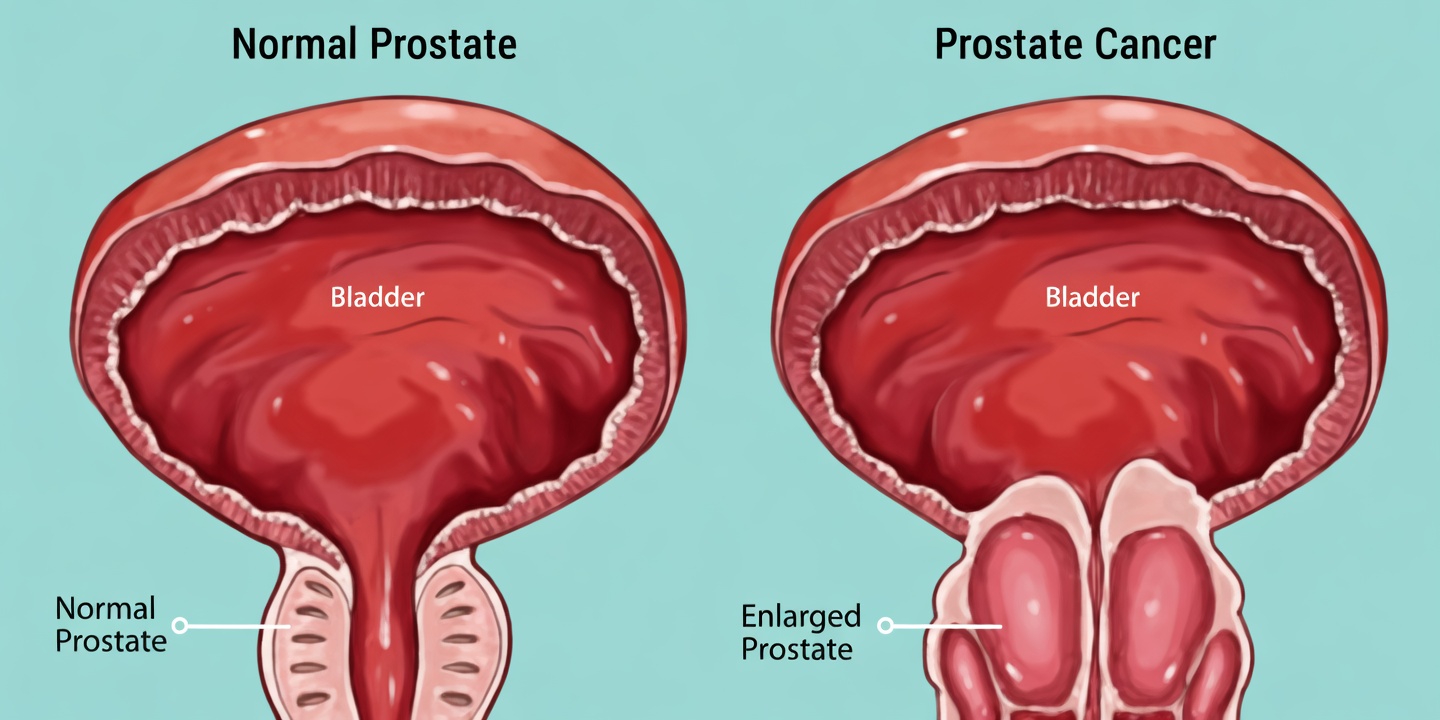
Prostate cancer begins in the prostate gland, a small organ about the size of a walnut located below the bladder. Its role is to produce fluid that helps nourish and transport sperm. When cells in the prostate start multiplying abnormally, a tumor can develop.
Some prostate cancers grow very slowly, while others are more aggressive and spread faster. That uncertainty is one reason many men feel concerned about prostate health as they get older. Understanding how the disease starts is the first step toward making informed decisions about early detection of prostate cancer.
Prostate cancer is also one of the most commonly diagnosed cancers in men around the world. Even so, early-stage cases often remain unnoticed without screening. That is why learning about the condition and taking screening seriously can reduce the risk of discovering it only after it has become more difficult to treat.
Why Early Detection Changes the Outlook
A major challenge with prostate cancer is that it may progress without noticeable symptoms. By the time changes appear, the disease may already be more advanced. Screening helps detect possible problems earlier, often before they interfere with daily life or limit treatment choices.
Studies involving large populations suggest that PSA-based screening may reduce prostate cancer deaths by about 13%. That figure shows the real value of finding the disease early rather than waiting for symptoms to appear.
The advantages are not only statistical. When prostate cancer is found in its earlier stages, it is often still confined to the prostate, which can make management more effective and less disruptive. Early diagnosis can lead to:
- More treatment options
- Better long-term outcomes
- Fewer complications
- Improved quality of life
Here is a simple overview of how timing can affect the situation:
-
Localized prostate cancer
- Often has a high chance of successful management
- Usually causes fewer complications
-
Regional prostate cancer
- May still allow several treatment options
- Can offer a better quality of life than later-stage disease
-
Advanced prostate cancer
- Typically requires more complex care
- Often brings greater physical and emotional challenges
Who Is More Likely to Develop Prostate Cancer?
Although any man can develop this disease, some groups face a higher risk. Knowing where you stand can help you decide when to speak with a doctor about prostate cancer screening.
The most important risk factors include:
-
Age
- Risk rises significantly after age 50
- Most cases are diagnosed in older men
-
Family history
- Having a father or brother with prostate cancer can double or even triple your risk
-
Ethnic background
- Some populations, including Black men, have higher rates of prostate cancer
-
Lifestyle factors
- A high-fat diet, limited physical activity, obesity, and poor nutrition may contribute to risk
Healthy habits do not completely prevent prostate cancer, but they can support overall wellness and work well alongside regular screening.
How Screening Helps Detect Prostate Cancer Early
Screening usually includes a PSA blood test and, in some cases, a digital rectal exam (DRE). These are straightforward tools that can help identify concerns before the disease becomes more serious.
Many men avoid screening because they feel anxious about the tests or what the results might reveal. However, screening is one of the most practical ways to detect prostate cancer early, when treatment is often simpler and outcomes are generally better.
Health experts commonly advise men to begin discussing screening with a doctor around age 50. For those with higher risk factors, that conversation may need to happen earlier.
The real benefit comes from combining screening with awareness. Once men understand how the process works, many feel more confident and less uncertain about protecting their health.

Warning Signs of Prostate Cancer
In its earliest phase, prostate cancer often causes no symptoms at all. That is exactly why screening is so important. Still, when symptoms do appear, they often affect urination and daily comfort.
It is important to remember that these signs do not always mean cancer. Non-cancerous conditions, such as an enlarged prostate, can cause similar problems. Even so, ongoing symptoms should never be ignored.
Common warning signs include:
- Trouble starting urination
- Difficulty stopping urination
- Weak or interrupted urine flow
- Needing to urinate often, especially at night
- Pain or discomfort in the pelvic area
- Blood in the urine or semen
If any of these symptoms continue, seek medical advice promptly. Early evaluation can lead to earlier diagnosis and better management.
Practical Steps for Early Detection of Prostate Cancer
Taking action does not have to be complicated. Small, consistent steps can help you stay informed and proactive about your health.
Here are some practical ways to support early detection of prostate cancer:
-
Talk to your doctor
- Ask about your personal risk
- Discuss the right age and timing for screening
-
Know your family history
- Learn whether close relatives have had prostate cancer
- Share that information during medical visits
-
Pay attention to urinary changes
- Keep track of symptoms that seem new, persistent, or disruptive
-
Maintain healthy habits
- Eat balanced meals
- Stay physically active
- Work toward a healthy weight
-
Follow through on recommended tests
- Do not delay appointments or screenings suggested by your healthcare provider
Stay Proactive About Prostate Cancer
Awareness and routine screening give men a stronger chance to protect their health and stay active for years to come. From learning the basics of prostate cancer to understanding risk factors and responding to warning signs, every step toward early detection can bring more clarity and peace of mind.
Making early detection of prostate cancer part of your regular health routine is a smart move. Sharing this information with the men in your family and community can also help others take action sooner.
FAQ About Prostate Cancer and Early Detection
At what age should I start prostate cancer screening?
Many experts recommend talking with your doctor about screening around age 50. If you have a family history of prostate cancer or other risk factors, you may need to start that conversation earlier.
Does prostate cancer always cause symptoms?
No. In many cases, prostate cancer develops without noticeable symptoms in the early stages. That is why screening remains important even if you feel completely well.
Can lifestyle changes prevent prostate cancer?
There is no guaranteed way to prevent prostate cancer through lifestyle alone. However, healthy eating, regular exercise, and weight control can support prostate health and complement early detection efforts.