

A Comforting Homemade Drink That May Support Knee and Joint Health
If your knees often feel stiff, sore, or tired after a busy day, you are not alone. For many people, simple movements like climbing stairs, bending down, or standing too long can start to feel less comfortable than they used to. That kind of everyday discomfort can be frustrating, especially when it affects activities you normally enjoy.
The good news is that some people are turning to a simple, nourishing addition to their routine for extra joint support: bone broth. It is easy to make at home, budget-friendly, and made from just a handful of basic ingredients. Its growing popularity comes from both tradition and its naturally occurring nutrients.
Why Bone Broth Is Popular for Joint Support
Bone broth is a slow-cooked stock prepared from animal bones and connective tissue. During the long simmering process, it releases compounds such as collagen, gelatin, and amino acids including glycine and proline. These nutrients are involved in the structure and function of connective tissues throughout the body.
Many adults, especially those over 40, include bone broth in their daily habits because it feels warming, satisfying, and easy to enjoy. When joints begin to feel less flexible or more sensitive, a simple wellness ritual like sipping broth can feel appealing.
What makes bone broth especially interesting today is its nutrient composition. Although it has been a staple in traditional cooking for generations, current attention is linked to research on collagen and related compounds. Studies have explored possible benefits for joint function, but direct evidence on bone broth itself is still limited. Even so, many people appreciate it as a practical, homemade option that fits naturally into a healthy lifestyle.
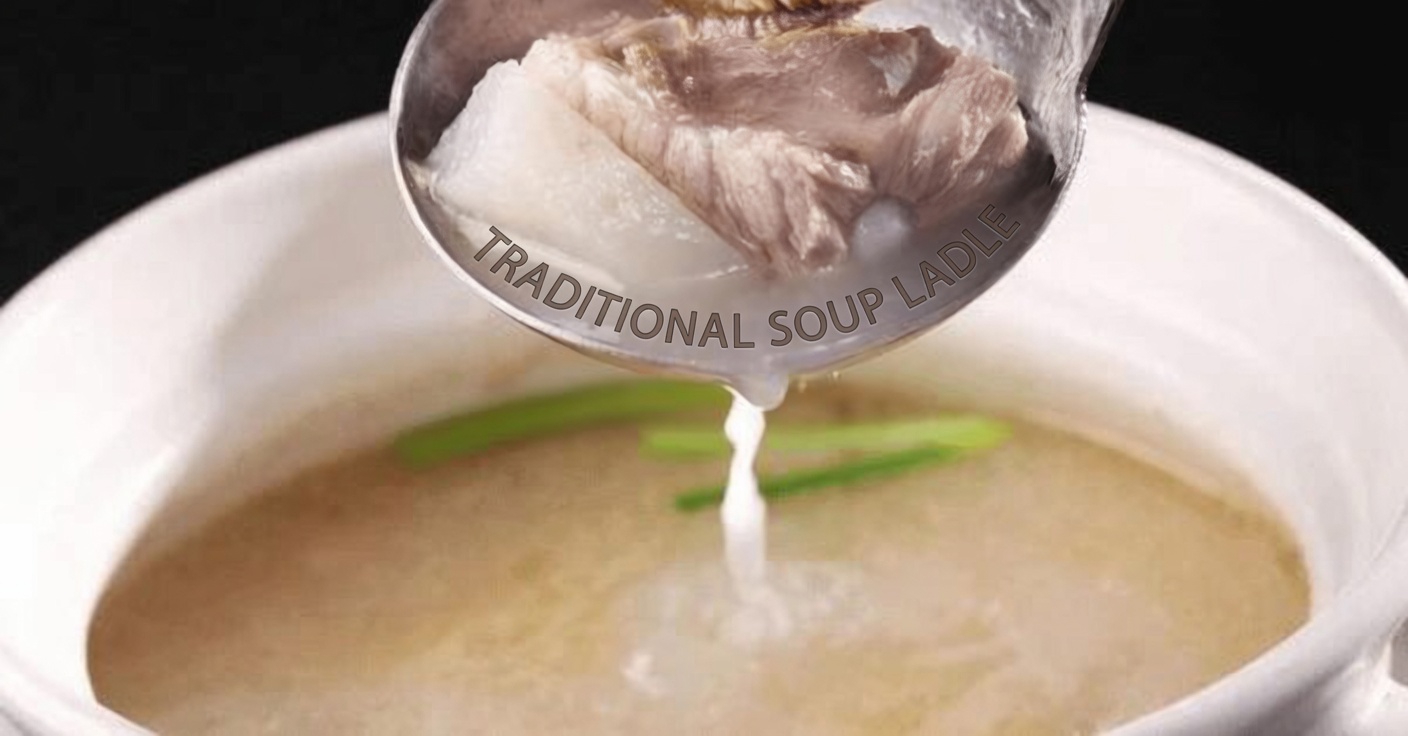
Nutrients in Bone Broth and Their Potential Role in Joint Health
Bone broth provides a blend of protein-based compounds and minerals that may help support connective tissue. The collagen released during cooking breaks down into smaller peptides, and separate studies on collagen peptides have examined how they may interact with cartilage and joint structures.
Some reviews of clinical trials have found modest improvements in comfort and mobility among people taking collagen supplements consistently. However, it is important to remember that bone broth is not the same as a concentrated collagen product. Its effects may be gentler and more gradual.
The slow simmer also helps draw minerals from the bones, including:
- Calcium
- Magnesium
- Phosphorus
These minerals are essential for everyday bone maintenance and overall structural support. Still, bone broth is not a quick fix. One cup will not dramatically change your knees overnight. Its value is more likely to come from regular use as part of a balanced routine.
How Bone Broth Can Fit Into a Joint-Friendly Lifestyle
Bone broth works best when paired with other healthy habits. Many people combine it with:
- Staying well hydrated
- Gentle daily movement
- A balanced diet rich in whole foods
- Consistent sleep and recovery habits
The warmth of the broth itself can also feel soothing. For some, taking a few quiet minutes to enjoy a warm drink becomes a calming ritual during a busy day. Since tension can make discomfort feel worse, that sense of relaxation may be helpful in its own way.
To make things easier, here is a quick comparison of common drinks people choose for joint support:
-
Bone broth
- Naturally contains collagen, gelatin, and amino acids
- Affordable when homemade
- Easy to customize with herbs and seasonings
-
Herbal teas such as ginger or turmeric
- Popular for plant compounds linked to inflammation support
- Quick to prepare
- Lower in protein than broth
-
Collagen peptide powders
- More concentrated source of collagen protein
- Convenient for shakes or coffee
- More processed than homemade broth
-
Water with lemon
- Excellent for hydration
- Light and refreshing
- Does not offer the same nutrient density as broth
The best option is usually the one you can enjoy regularly and realistically maintain.
How to Make Bone Broth at Home
Making bone broth is simple and does not require special kitchen tools. This basic recipe makes about 8 to 10 cups and needs very little active preparation.
Ingredients
- 3 to 4 pounds mixed bones, such as chicken carcasses, beef knuckles, or soup bones
- 2 carrots
- 2 celery stalks
- 1 onion, cut into quarters
- 2 tablespoons apple cider vinegar
- A handful of fresh herbs such as parsley or thyme
- 1 teaspoon black peppercorns
- Cold water, enough to cover everything by about 2 inches
Instructions
-
Prepare the pot
- Place the bones, vegetables, vinegar, herbs, and peppercorns into a large pot or slow cooker.
- Add enough cold water to fully cover the ingredients.
-
Cook slowly
- Bring everything to a boil.
- Reduce the heat to a very gentle simmer.
- Let it cook for at least 12 hours, or up to 24 hours for a deeper flavor.
-
Why the vinegar matters
- Apple cider vinegar is commonly used because it may help pull minerals from the bones during cooking.
-
Strain the broth
- Allow the broth to cool slightly.
- Pour it through a fine mesh sieve into clean containers or jars.
-
Store it properly
- Refrigerate the broth after straining.
- When chilled, it may become gel-like, which usually indicates a good amount of gelatin.
-
Use daily
- Reheat one cup at a time and drink it plain.
- You can also use it in soups, stews, grains, or sauces.
Time-Saving Tip
Make a large batch over the weekend and freeze portions in small containers or ice cube trays. This makes it easy to add to meals or warm up a quick cup whenever you want.
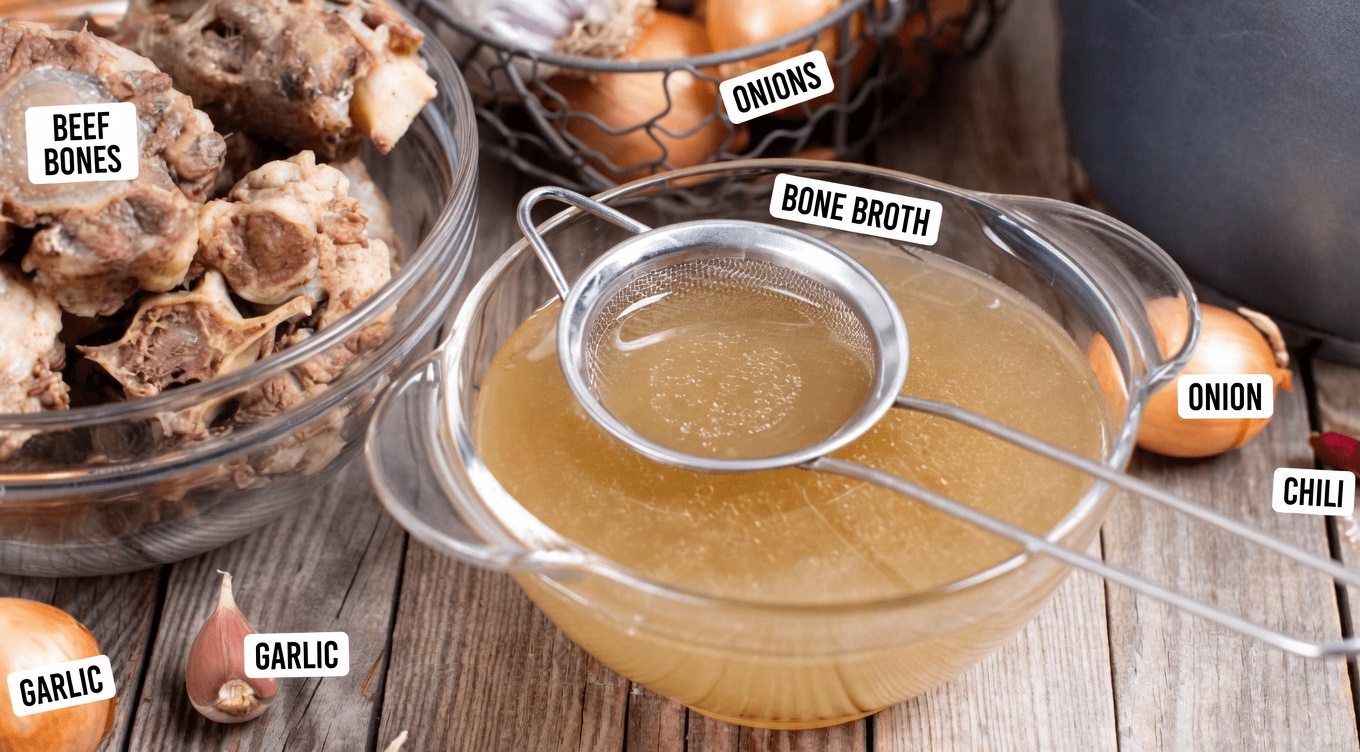
Easy Ways to Make Bone Broth More Enjoyable
A few small adjustments can improve both the flavor and the overall experience of drinking bone broth.
-
Choose higher-quality bones when possible
- Grass-fed or pasture-raised sources may offer better overall quality.
-
Add lemon before serving
- A small squeeze of lemon can brighten the flavor and complement the minerals in the broth.
-
Pair it with gentle exercise
- Walking, stretching, or other low-impact movement can work well alongside a nutrient-rich diet for overall mobility.
-
Season lightly
- Sea salt, garlic, and fresh herbs can enhance taste without covering the natural richness of the broth.
These simple changes help keep the habit enjoyable, which increases the chance that you will stick with it.
What Science Says and What People Often Notice
Research on collagen-related nutrients has shown some promise for joint comfort and daily function, especially with regular use over time. That said, bone broth should not be viewed as a miracle solution. Health experts, including sources such as WebMD and Cedars-Sinai, point out that evidence is still developing and responses can vary from person to person.
For many people, the real benefit may be how easy bone broth is to include in daily life. It can replace less nourishing drinks, add flavor to meals, and serve as a comforting part of a routine.
Some people say they feel more satisfied and better hydrated when they swap an afternoon coffee for a warm mug of broth. Sometimes that simple change is enough to make the habit stick.
Final Thoughts: A Small Habit That May Be Worth Trying
Adding bone broth to your routine does not require a major lifestyle change. It is simply one more option that may support your wellness goals, especially if you want to stay active and care for your joints in a practical way.
Whether you drink it in the morning, enjoy it as an afternoon reset, or use it in your favorite recipes, consistency matters more than perfection. Pay attention to how your body feels and see whether it works for you.
The next time your knees remind you they need a little extra care, remember that this simple homemade broth is an easy option to try. A single pot can go a long way, and you may be surprised by how comforting such a basic recipe can be.
FAQ
How often should I drink bone broth for joint comfort?
Many people begin with 1 to 2 cups per day. There is no fixed rule, and long-term consistency matters more than exact timing or quantity. Choose an amount that feels comfortable and fits your schedule.
Can I use store-bought bone broth instead of homemade?
Yes. If you buy it ready-made, look for options with minimal additives and labels that mention gelatin or collagen. Homemade broth is often richer and more cost-effective over time, but a good store-bought version can be convenient.
Is bone broth right for everyone?
Not always. If you follow a vegetarian diet, have allergies related to the animal source, or need to limit sodium, it is best to check with your healthcare provider first. In general, many people tolerate bone broth well, but starting with a small amount is a smart approach.
Disclaimer
This article is for informational purposes only and should not be considered medical advice. Always speak with a qualified healthcare professional before making major changes to your diet or lifestyle, especially if you have existing health conditions.