
Why Drinking More Water Still May Not Fix Dehydration
You may be finishing glass after glass of water each day because it is widely promoted as the key to better energy and health. But even after reaching your daily goal, you might still feel drained in the afternoon, deal with recurring headaches, or notice your skin looks less vibrant than usual. That can feel discouraging, especially when you believe you are doing everything correctly.
The reality is simple: hydration is not always about drinking more plain water. In many cases, the body needs a more effective mix of fluids, minerals, and foods to actually retain water and use it well. A few smart changes in your daily routine can make a noticeable difference in how you feel.
And here is the surprising part: improving hydration does not always mean forcing yourself to drink extra water. By adjusting what you eat and what you sip throughout the day, you can help your body stay hydrated more efficiently. Near the end, you will also learn one easy daily habit backed by research that can help your body use fluids more effectively—and it may already be in your kitchen.
The Hydration Myth Most People Still Believe
For years, many of us have been told that the best way to stay hydrated is to drink as much water as possible. On the surface, that makes sense since the human body is largely made up of water. But proper hydration is not only about how much fluid you consume.
What matters is whether that fluid actually reaches your cells and stays there long enough to support energy, concentration, and healthy-looking skin.
When you depend only on plain water—especially in large amounts without food or electrolytes—your body may not hold onto it very well. Instead, a lot of it can move quickly through your system, leaving you in the bathroom often while still not feeling fully refreshed.
Why Plain Water Is Not Always Enough
Science offers a clearer explanation for why water alone can sometimes fall short.
A major 2016 study published in the American Journal of Clinical Nutrition introduced the Beverage Hydration Index, or BHI. This measure compared how well different drinks helped the body retain fluid compared with still water. Researchers found that drinks containing electrolytes, small amounts of protein, or natural carbohydrates—such as milk and oral rehydration solutions—kept the body hydrated longer than plain water.
That means these beverages led to better fluid retention and less urine output over several hours.
One reason is that these drinks empty from the stomach more slowly, giving the body additional time to absorb and use the fluid. Plain water usually moves through more quickly, especially when consumed on an empty stomach.
This becomes even more important during exercise, hot weather, or heavy sweating. In those situations, your body loses more than water. It also loses important electrolytes like sodium and potassium. If you replace only the water and not those minerals, you may still feel dehydrated even after drinking plenty.
That does not mean water is unimportant. Plain water remains essential for daily health. The goal is not to replace it, but to combine it with smarter hydration choices for better results.
Food Plays a Bigger Role in Hydration Than Most People Realize
One overlooked fact is that food contributes significantly to your hydration status. According to established nutrition guidelines, roughly 20% of your daily fluid intake can come from the foods you eat.
That is a meaningful amount, and it is an easy opportunity to support hydration without relying entirely on drinks.
Foods with high water content do more than supply moisture. They also provide fiber, vitamins, and natural electrolytes that help the body absorb and retain fluids more effectively. Because fiber slows digestion, the fluid in these foods is absorbed more gradually.
Best Hydrating Foods to Add to Your Diet
Try including more of these water-rich foods in your meals and snacks:
- Cucumbers — about 96% water and ideal for salads or refreshing snacks
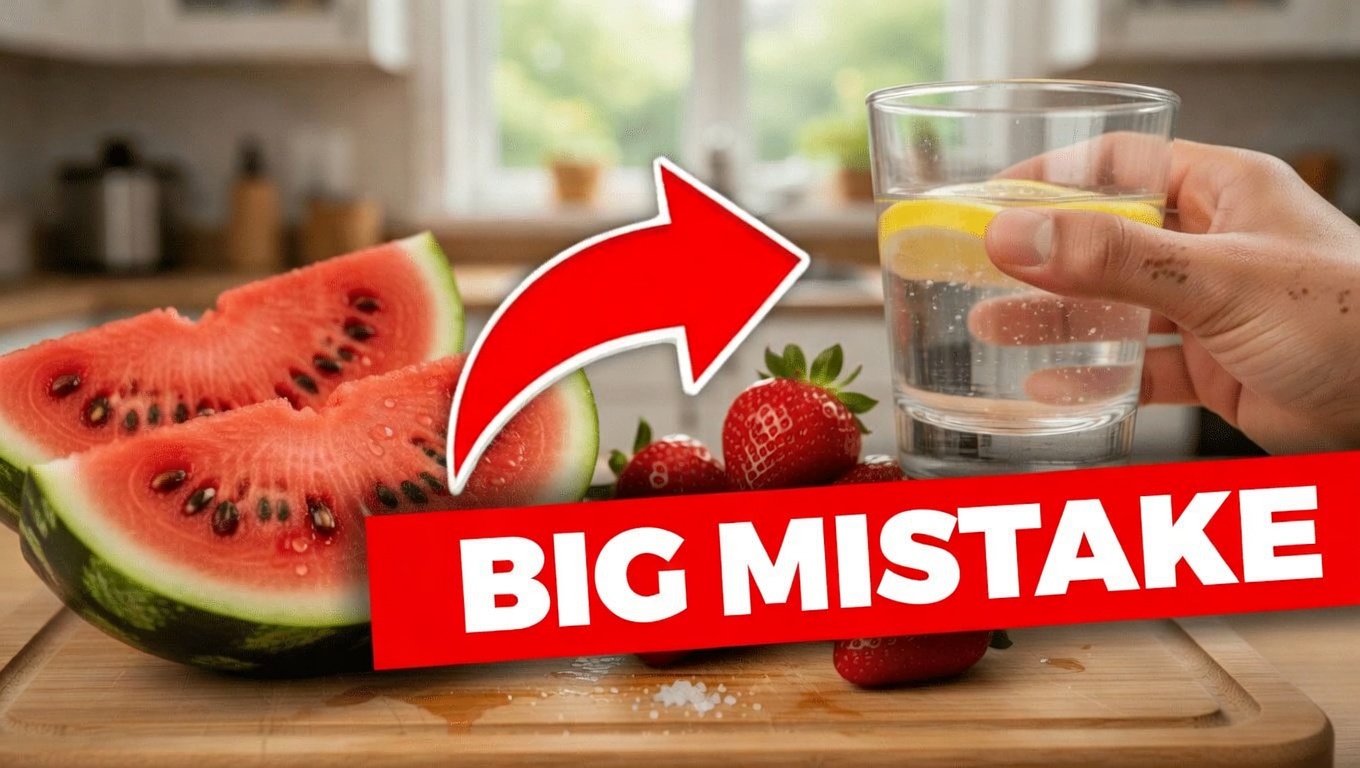
- Watermelon — roughly 92% water and a good source of potassium
- Strawberries — over 91% water and packed with antioxidants
- Celery — around 95% water with a crisp texture that works well with nut butter
- Lettuce and leafy greens — up to 96% water and easy to add to meals
- Tomatoes — about 94% water and useful in everything from sandwiches to sauces
The best part is how easy this can be. Add strawberries to a smoothie, include cucumber in a salad, or snack on watermelon in the afternoon, and you are increasing hydration without much effort.
Drinks That Can Hydrate Better Than Water
When beverages were compared in the Beverage Hydration Index study, some performed better than water for fluid retention. Milk—both skim and full-fat—and oral rehydration solutions ranked especially well.
Why did they work better? Because they contain a balance of electrolytes, natural sugars, and sometimes protein, all of which help the body keep fluid longer.
Other helpful drink choices include:
- Coconut water for natural potassium and electrolytes
- Low-sodium broths or soups for hydration plus minerals
- Water with lemon, mint, or a small pinch of sea salt for a simple upgrade to plain water
Quick Hydration Drink Guide
-
Low-fat milk
- Helps because it contains protein and electrolytes
- Best for post-workout recovery or daily hydration
-
Coconut water
- Helps because it naturally provides potassium and minerals
- Best for warm weather or light activity
-
Water with lemon and a pinch of salt
- Helps by adding mild electrolytes in a natural way
- Best for mornings or steady hydration during the day
-
Diluted oral rehydration solution
- Helps because it is designed to improve fluid absorption
- Best after heavy sweating or extended heat exposure
Easy Daily Habits for Better Hydration
Improving hydration does not require expensive products or complicated wellness routines. In fact, small and sustainable habits often work best.
Here are a few simple changes you can start today:
-
Start the day with an electrolyte boost
- Mix room-temperature water with fresh lemon juice and a tiny pinch of sea salt.
- This can help your body absorb fluid more efficiently first thing in the morning.
-
Drink water with meals or snacks
- Instead of having plain water on an empty stomach, pair it with fruit, vegetables, or a light meal.
- Food can slow the absorption process and help the body retain more fluid.
-
Choose high-water snacks
- Keep watermelon, cucumber slices, or celery in the refrigerator for quick hydration during the day.
-
Make a simple homemade hydration drink
- Combine:
- 1 liter of water
- Juice of half a lemon
- 1/4 teaspoon of sea salt
- 1 teaspoon of honey
- Shake well and sip it slowly over several hours.
- Combine:
-
Pay attention to your body instead of counting glasses
- Pale yellow urine is often a good sign of hydration.
- Energy, focus, and thirst levels can also tell you more than a fixed daily water target.
It is also worth remembering that things like caffeine, hot climates, exercise, and air-conditioned environments can quietly increase your fluid needs. Small adjustments based on your day can have a big impact.
Signs Your Hydration Routine May Need Improvement
Even if you drink a lot of water, your current approach may not be giving your body what it needs. Watch for these common signs:
- Ongoing tiredness even after sleeping well
- Dry, dull, or flaky skin
- Midday headaches or muscle cramps
- Feeling thirsty again soon after drinking
- Trouble concentrating or mild afternoon brain fog
If several of these sound familiar, a smarter hydration strategy may help more than simply drinking extra water.
Smarter Hydration Is Simpler Than It Sounds
Effective hydration is not about endlessly increasing your water intake. It is about helping your body absorb and hold onto fluids more efficiently. That means including water-rich foods, adding natural electrolytes when needed, and choosing beverages that support hydration more effectively.
The benefit is more than just quenching thirst. Better hydration can support steadier energy, sharper focus, and a fresher overall feeling throughout the day.
Start with one or two small changes this week, and pay attention to how your body responds. You may find that feeling better has less to do with drinking more—and more to do with hydrating smarter.