Early Menopause: Subtle Signs Your Body Is Changing Sooner Than Expected
If you’re in your 30s or early 40s and suddenly notice your periods showing up at odd times, or you wake in the middle of the night drenched in sweat despite a cool room, your body may be entering menopause earlier than average. These gradual shifts can be confusing and draining, quietly disrupting your sleep, energy levels, confidence, and even your relationships as daily life starts to feel slightly out of sync.
Recognizing the early signs of menopause puts you in a stronger position to stay informed and make small, practical changes that support how you feel. One powerful—but often overlooked—tool is simple tracking. Paying attention to your cycle and symptoms can reveal patterns far sooner, helping you feel more prepared instead of caught off guard as this transition unfolds.
What Early Menopause Really Means
Early menopause refers to the natural menopausal transition happening before age 45. According to the Mayo Clinic, the average age for menopause in the United States is around 51, so changes that appear earlier fall into this “early” category for many women.
This transition phase is commonly called perimenopause. It can last several years and usually unfolds gradually rather than as a sudden change from one day to the next. Hormone levels—especially estrogen and progesterone—begin to fluctuate, and those shifts drive most of the physical and emotional symptoms women notice.
Every woman’s timeline and experience are different. Some have mild, short-lived symptoms; others notice more persistent or intense changes. Awareness is key: spotting early menopause symptoms gives you a clearer picture of what’s happening and allows for more meaningful conversations with your healthcare provider.
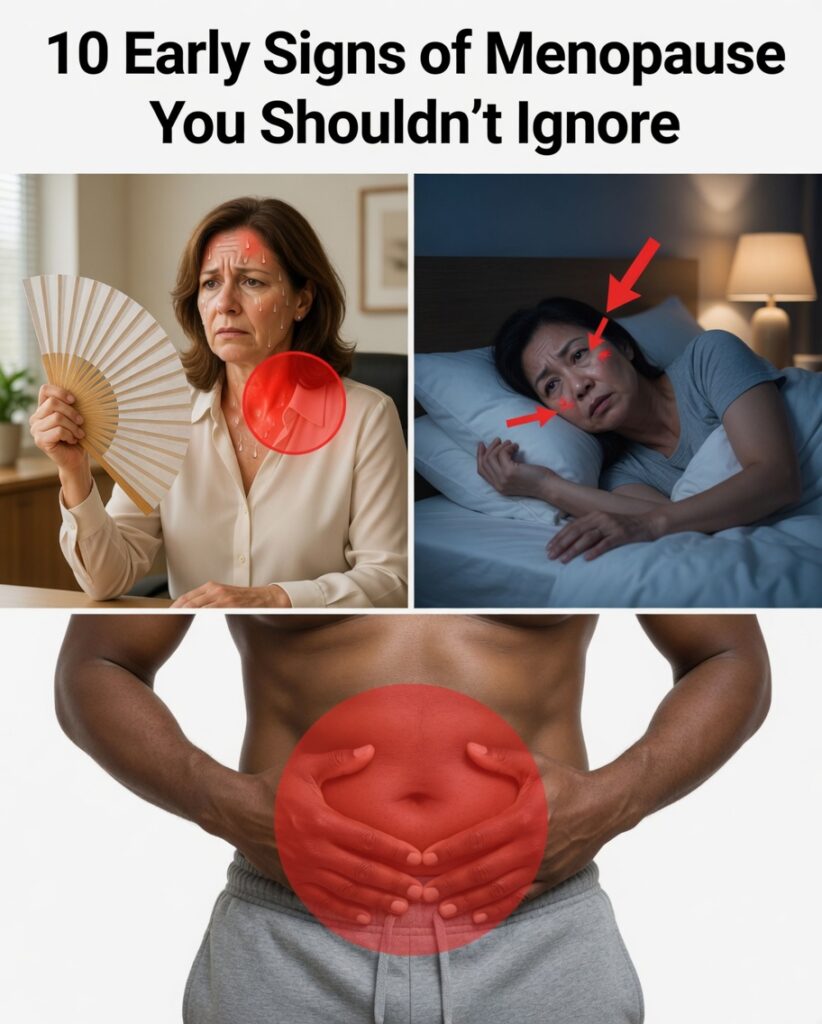
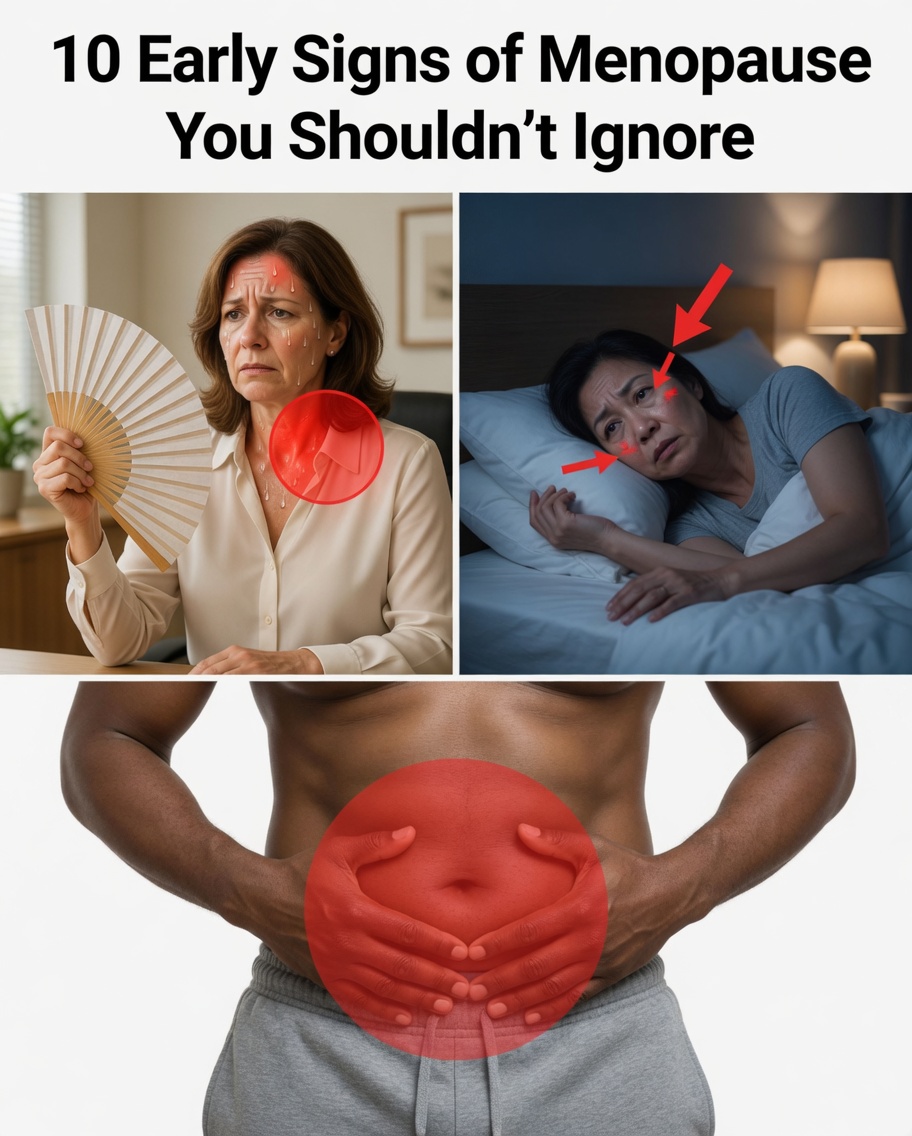
10 Early Menopause Signs You Shouldn’t Ignore
Below are some of the most commonly reported early menopause symptoms. Your experience may look different, but these are patterns worth noticing and tracking.
1. Irregular or Changing Periods
Your menstrual cycle may become unpredictable. You might notice:
- Shorter or longer cycles
- Heavier or lighter bleeding than usual
- Skipped periods for a month or more
- Spotting between periods
Health sources such as WebMD note that irregular periods are often one of the first signs of perimenopause because ovulation becomes less consistent. Using a simple period-tracking app or a notebook to log your cycles can help you quickly see trends and provide valuable information for your doctor.
2. Hot Flashes
Hot flashes are sudden waves of heat that can spread across your face, neck, or chest. You may feel:
- Warmth or flushing
- A rapid heartbeat
- Mild sweating
These episodes usually last a few seconds to a few minutes and can happen at any time of day, often without warning. Research shows that these “vasomotor symptoms” are extremely common during the menopausal transition. Many women find relief by dressing in layers, keeping a small fan nearby, and avoiding common triggers such as very spicy foods or overheated rooms.
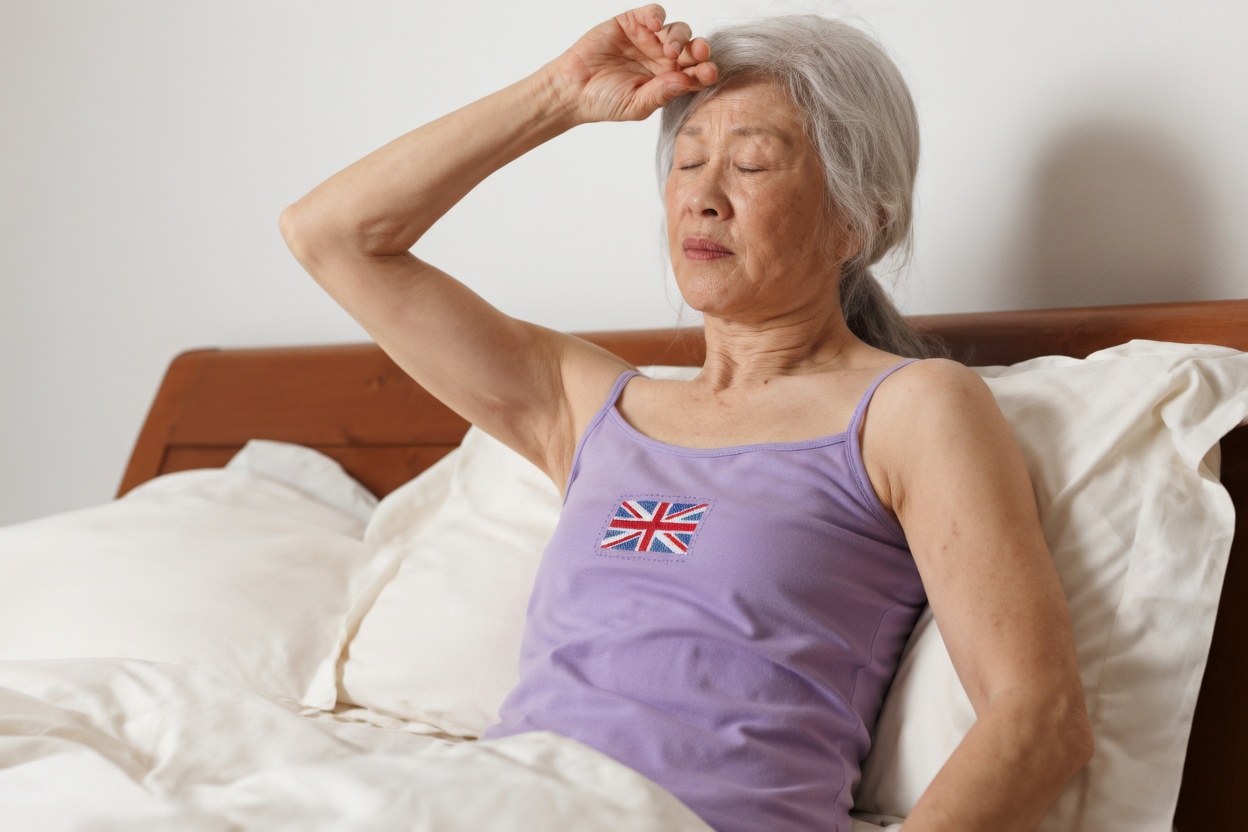
3. Night Sweats
Night sweats are hot flashes that occur while you’re asleep and can cause:
- Damp or soaked sleepwear and bedding
- Repeated awakenings during the night
- A feeling of being overheated, even in a cool room
Interrupted sleep can leave you feeling exhausted the next day. Night sweats are also linked to hormone fluctuations. Using breathable, moisture-wicking bedding, keeping your bedroom cooler, and wearing lightweight sleepwear can make nights more manageable.
4. Vaginal Dryness and Discomfort
As estrogen levels decline, vaginal tissues can become thinner and drier, leading to:
- Itching or irritation
- Discomfort during everyday activities
- Pain or dryness during sex
These symptoms are frequently mentioned in medical literature as a common part of the transition. Many women find relief with over-the-counter vaginal moisturizers or lubricants designed for sensitive tissue, often after discussing options with their healthcare provider.

5. Sleep Difficulties
Even if you’re not waking up from night sweats, sleep itself may feel more fragile. You might:
- Have trouble falling asleep
- Wake frequently in the night
- Wake earlier than you’d like and struggle to get back to sleep
- Feel tired even after a full night in bed
The Mayo Clinic notes that sleep disturbances often overlap with other menopause symptoms. Building a consistent sleep routine—such as going to bed and waking up at the same time every day, dimming lights an hour before sleep, and limiting screens—can support better rest.
6. Mood Swings and Emotional Changes
Shifts in mood are another common sign of early menopause. You may notice:
- Irritability or a shorter temper
- Episodes of sadness or anxiety
- Feeling emotionally “on edge” without a clear reason
These changes often connect to both hormone fluctuations and disrupted sleep. Experts emphasize that mood changes during this time are extremely common and not a reflection of your character or strength. Light exercise, fresh air, talking openly with trusted friends, or practicing mindfulness techniques can help many women feel more grounded.
7. Unexplained Weight Gain or Body Shape Changes
You might gain weight—especially around the abdomen—even if your eating and exercise habits haven’t changed. Contributing factors can include:
- A slower metabolism
- Hormonal shifts affecting how your body stores fat
- Reduced muscle mass with age
WebMD highlights the importance of staying active during this stage. Strength training, regular movement, and balanced meals with plenty of protein, vegetables, and fiber can support metabolism, energy, and body composition.
8. Joint and Muscle Aches
Some women notice new:
- Stiffness in the morning
- Aches in knees, hips, shoulders, or lower back
- A general “creaky” or sore feeling
Research suggests changing hormone levels can affect joints, muscles, and connective tissue. Gentle stretching, staying hydrated, and low-impact activities like walking, yoga, or swimming can support mobility and comfort.
9. Thinning Hair and Drier Skin
Visible changes in hair and skin are also frequently reported in early menopause:
- Hair may feel thinner, shed more, or lose some fullness
- Skin may feel drier, less elastic, or more sensitive
These changes can impact self-image, but they are a normal part of the broader hormonal shift. Using gentle hair care products, avoiding excessive heat styling, and applying a daily moisturizer with sunscreen can help protect and nourish both skin and hair.
10. Shifts in Libido or Breast Tenderness
You may notice:
- A decrease or occasional increase in sexual desire
- Breasts feeling more tender, sensitive, or less full than before
These changes are also linked to fluctuating hormones. Open communication with your partner, focusing on emotional connection, and prioritizing your overall well-being can make intimacy feel more comfortable and positive during this time.
In addition to these 10 common symptoms, many women also describe brain fog, fatigue, and more frequent urges to urinate as other early menopause signs worth tracking.
Everyday Lifestyle Habits to Consider
Small daily habits can significantly influence how you experience early menopause and perimenopause. Many women find the following strategies helpful:
-
Keep a symptom journal
Note when symptoms appear, how intense they feel, and any possible triggers. Over time, this can reveal patterns and give your doctor clearer insight into what you’re experiencing. -
Move your body regularly
Aim for a mix of walking or other cardio, strength training, and flexibility work most days of the week. Regular activity supports mood, weight management, bone health, and sleep quality. -
Dress for temperature changes
Choose layers and breathable fabrics so you can adjust quickly if a hot flash or temperature sensitivity hits. -
Protect your sleep
Maintain consistent bed and wake times, limit caffeine later in the day, reduce screen exposure before bed, and create a calm, dark sleeping environment. -
Focus on nutrient-dense foods
Emphasize calcium and vitamin D for bone health, along with plenty of vegetables, fruits, lean proteins, and healthy fats to support energy and overall wellness.
One of the most surprising benefits women report is how consistent tracking—of symptoms, sleep, mood, and cycles—turns scattered, confusing experiences into clearer patterns. This sense of clarity often makes the whole transition feel less mysterious and more manageable.
When Early Menopause Symptoms Appear Sooner Than You Expected
If you recognize several of these signs before age 45, it’s worth bringing them up at your next check-up. Your healthcare provider can:
- Rule out other potential causes (such as thyroid issues, pregnancy, or chronic stress)
- Confirm whether you’re likely in perimenopause
- Discuss options for symptom relief and long-term health support
Remember, every woman’s menopause journey is unique. Some pass through this phase with only minor disruptions, while others face more noticeable or prolonged changes. Neither experience is “wrong”—what matters is getting the information and support you need.
The Bottom Line: You’re Not Alone in This Transition
Early menopause can introduce a mix of physical, emotional, and lifestyle changes that catch many women by surprise. Understanding early menopause symptoms—and tracking them—can give you more control, more confidence, and better conversations with your healthcare team.
From monitoring your cycle to adjusting your sleep habits and movement routine, small steps add up. Listening closely to your body, honoring what you’re feeling, and staying connected to supportive professionals can make this transition smoother and less overwhelming.
Frequently Asked Questions
What causes early menopause to start sooner than usual?
Several factors can contribute to early menopause or an earlier-than-average transition:
- Family history of early menopause
- Certain medical treatments, such as chemotherapy or radiation
- Surgical removal of the ovaries
- Autoimmune conditions
- Smoking or other lifestyle factors
- Genetic and natural variation without any clear cause
Research suggests that about 1% of women experience menopause before age 40, and often there is no single, obvious reason.
Can I still get pregnant if I’m having early menopause symptoms?
Yes. Pregnancy is still possible until you have gone a full 12 months without a period. During perimenopause, ovulation becomes less predictable but does not stop immediately. If you wish to avoid pregnancy, it’s important to continue using contraception. If you are hoping to conceive, talk with your healthcare provider about your options and timing.
How long do early menopause symptoms usually last?
The length of the menopausal transition varies widely. For many women, perimenopause lasts anywhere from about 4 to 8 years, though some experience a shorter or longer phase. Symptoms may:
- Come and go
- Change in intensity over time
- Ease gradually after your final period
Your doctor can help you understand what’s typical for your age, health history, and specific symptoms, and work with you on strategies to feel as well as possible throughout this transition.