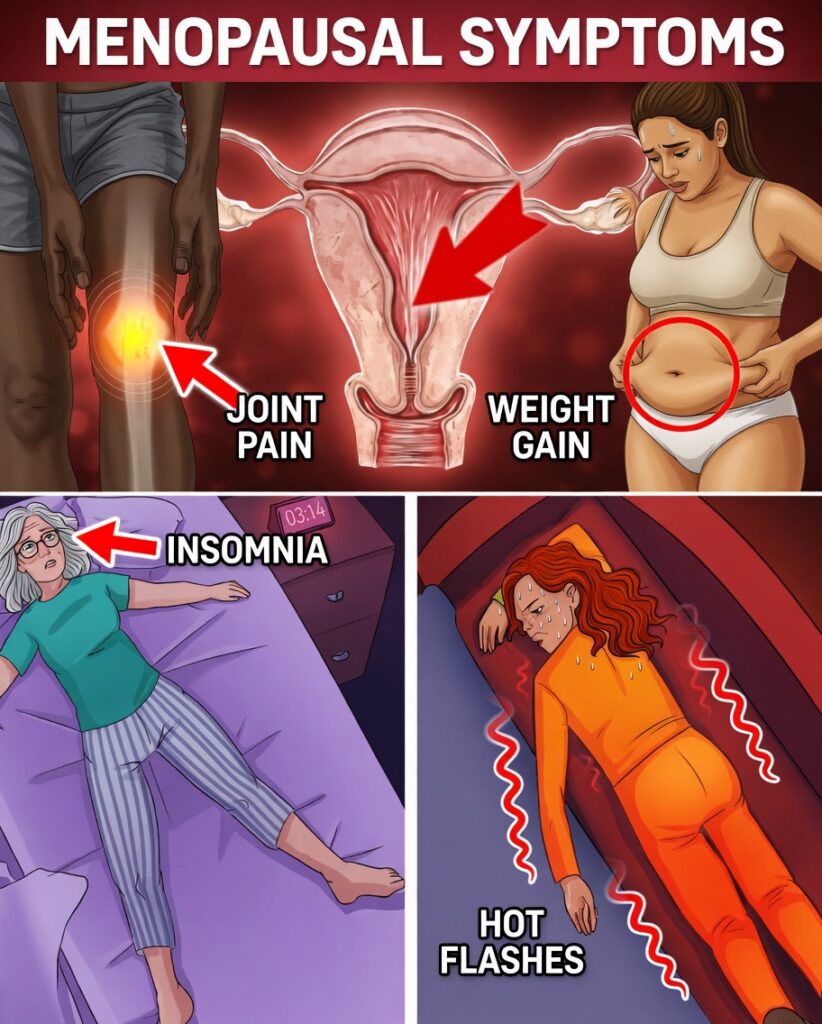
10 Early Menopause Signs You Should Pay Attention To
A sudden rush of heat washes over you in the middle of a crucial meeting. Your face reddens, sweat gathers on your forehead, and you start fanning yourself, trying to stay composed. Moments like this can feel embarrassing and isolating, as if your body is no longer under your control. When these experiences begin to affect your work, relationships, and self-confidence—without any clear cause—they may be pointing to early menopause.
For millions of women in their 40s, these changes are part of an earlier-than-expected transition. Research suggests that up to 5% of women experience menopause before the age of 45, and when early patterns go unnoticed, there may be implications for long-term bone and heart health. The encouraging part is that recognizing early menopause symptoms can help you respond sooner, feel more informed, and regain a sense of control over what’s happening in your body.
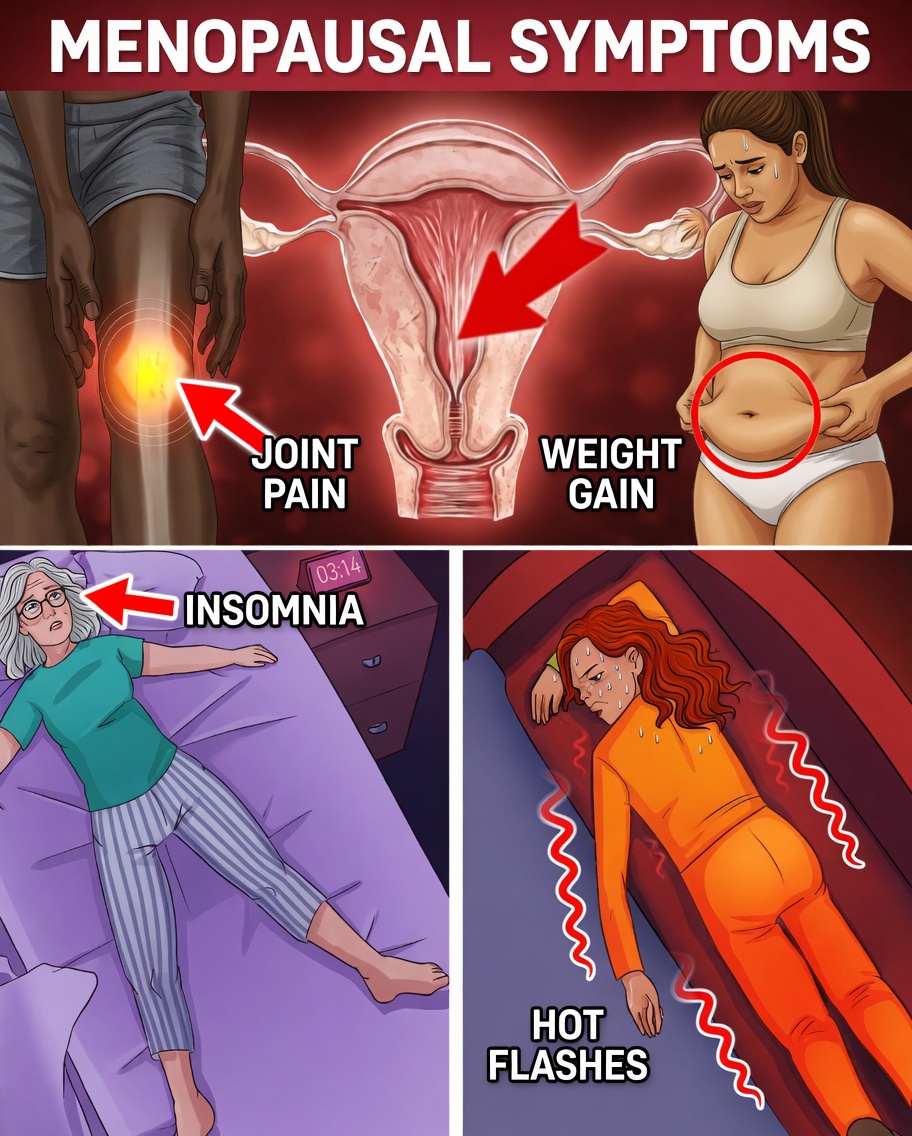
Why Recognizing Signs of Early Menopause Matters Now
Imagine someone like Lisa, 42, waking up in the middle of the night drenched in sweat, tossing and turning as damp sheets cling to her skin. These recurring disruptions chip away at her energy and leave her questioning what is “normal” for this stage of life.
Daily symptoms of early menopause can be confusing, frustrating, and exhausting. While there are no guarantees about how each woman will experience this transition, studies suggest that paying attention to patterns and addressing concerns early can support better overall management.
Your journey is unique, but early menopause still tends to follow recognizable patterns—and those signs are worth noticing.

Below is a countdown of 10 common signs of early menopause. As you read, you may find more than one that feels familiar.
10. Irregular Periods – When Your Cycle Stops Following the Rules
If your menstrual cycle used to be predictable but now arrives early, late, or skips months entirely, this inconsistency is often one of the first signs of early menopause. The uncertainty can bring monthly stress, especially when you’re not sure what to expect.
These changes usually reflect shifting hormone levels, particularly estrogen. You might also notice that your flow becomes unusually heavy or suddenly very light, adding to the sense that your body’s usual rhythm has changed.
After months of confusion, Lisa started tracking her cycle changes and finally began to see a clearer pattern emerge.
9. Hot Flashes – Intense Heat Surges Out of Nowhere
You may feel an abrupt wave of heat starting in your chest or face, spreading rapidly through your body and making your clothes feel stifling—often at the worst possible moments. This is one of the hallmark symptoms of early menopause.
Health research suggests that up to 75% of women experience these vasomotor symptoms during the menopausal transition. Each episode may last only a few minutes, but it can completely derail your concentration and confidence at work, at social events, or at home.
Sarah, a 40-year-old teacher, felt humiliated by these sudden heat spikes until she learned they were linked to fluctuating estrogen levels during early menopause.
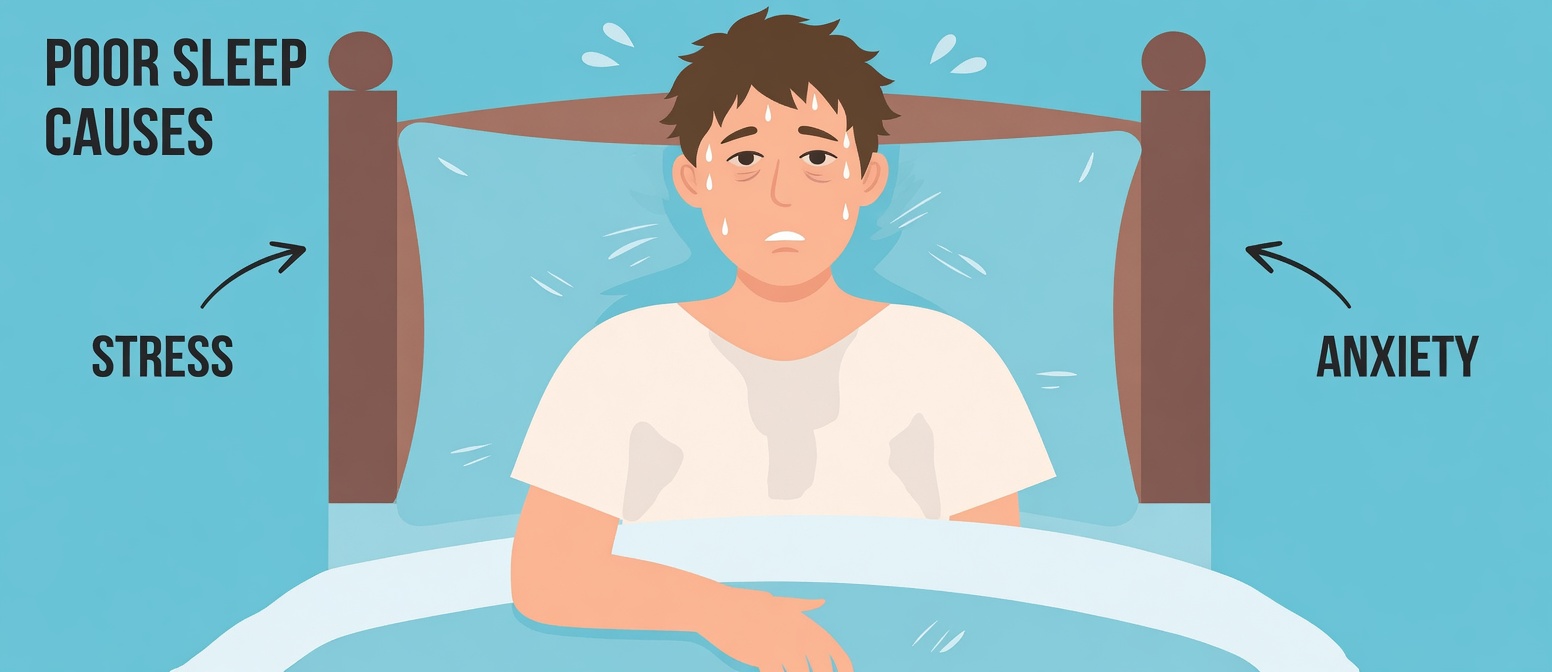
8. Night Sweats – Sleep Disrupted by Sudden Overheating
Night sweats are essentially hot flashes that happen while you sleep. You might wake up with your pajamas and bedding soaked, feeling chilled and uncomfortable once the heat passes.
These episodes fragment your sleep, disrupting deep rest and leaving you exhausted the next day. Experts note that poor sleep quality does more than make you tired—it can intensify other early menopause symptoms and affect mood, focus, and resilience.
For Sarah, mornings became noticeably harder once night sweats began happening regularly.
7. Mood Swings – Feeling Like an Emotional Stranger to Yourself
One moment you’re snapping at loved ones over something minor; the next, tears appear without warning. You may feel unlike your usual self, reacting in ways you don’t fully understand.
Hormonal shifts during early menopause can influence brain chemistry, including neurotransmitters such as serotonin, which are involved in mood regulation. This can contribute to sudden irritability, anxiety, or heightened emotional sensitivity.
At 44, Emily felt overwhelmed by these unpredictable mood changes until she recognized they coincided with other early menopause symptoms.
6. Vaginal Dryness – Quiet Discomfort That Affects Daily Life
You might notice less natural lubrication, leading to irritation or pain during intimacy, or a general feeling of dryness and discomfort throughout the day. This subtle change can quietly undermine your confidence and sense of ease in your own body.
As estrogen levels decline in early menopause, the vaginal tissues can become thinner and less elastic, which in turn reduces natural moisture. This shift isn’t only about sexual activity—it can also affect how comfortable you feel sitting, exercising, or simply going about your day.
Emily noticed these changes but hesitated to talk about them at first, unsure if they were “normal” or something to be concerned about.

5. Sleep Disturbances – Nights Spent Tossing and Turning
Beyond night sweats, you may find it harder to fall asleep or stay asleep, even when you feel exhausted. You might wake frequently for no obvious reason, or lie awake with a racing mind at 3 a.m.
Hormonal fluctuations during early menopause can disturb your sleep-wake cycle, making restorative rest more difficult. Over time, this can contribute to daytime brain fog, low energy, and irritability.
For Lisa, sleep difficulties layered on top of her other symptoms. She began relying on short daytime naps just to get through her schedule.
4. Fatigue – A Deep, Persistent Tiredness
Many women describe early menopause fatigue as a weariness that coffee and a good night’s sleep just can’t fix. You may feel drained doing tasks that once felt easy or find it harder to stay motivated and engaged.
Changes in metabolism, sleep, and hormone levels can all play a role in this ongoing tiredness. Fatigue can also amplify the impact of other symptoms, making hot flashes, mood swings, and concentration problems feel even more challenging.
Sarah noticed her productivity drop sharply at work and at home as this persistent fatigue set in.
3. Memory Lapses and Brain Fog – When Your Mind Feels Slower
You might forget the right word mid-sentence, walk into a room and blank on why you’re there, or misplace things more often than before. Over time, these lapses can feel frustrating and worrying, especially if you’ve always prided yourself on a sharp memory.
Estrogen plays an important role in several aspects of brain function, including memory and concentration. When levels fluctuate or decline during early menopause, many women report feeling mentally “foggy” or less focused.
Emily started keeping detailed lists and notes because she noticed her concentration wasn’t what it used to be.

2. Thinning Hair and Dry Skin – Gradual Changes in Appearance
You may notice more hair in your brush or shower drain, or see that your hair seems less full than before. At the same time, your skin might feel drier, tighter, or less supple, even when you use moisturizer regularly.
Hormonal changes in early menopause can affect collagen production, skin elasticity, and the scalp’s oil balance, gradually altering the look and feel of your hair and skin. These visible shifts can subtly influence how you see yourself and your confidence in your appearance.
Lisa noticed her hair becoming finer and her skin growing drier, prompting her to adjust her haircare and skincare routines.
1. Decreased Fertility – A Quiet but Significant Turning Point
You may find it more difficult to conceive, even if you’re not actively trying for a pregnancy. This reduced fertility often reflects a decline in ovarian reserve—the number and quality of eggs available—occurring earlier than expected in early menopause.
For some women, this sign brings mixed emotions: relief, sadness, urgency, or reflection about family planning and life goals. Understanding that early menopause is influencing fertility can help you make more informed decisions and seek guidance if needed.
For women like Lisa, Sarah, and Emily, recognizing this fertility shift helped them make sense of other symptoms and better understand the stage their bodies were entering.
Other Possible Signs of Early Menopause to Watch For
Not every symptom of early menopause makes the top-10 list. You might also notice:
- Achy or stiff joints
- Unexplained weight gain or changes in body composition
- Increased urinary urgency or more frequent urinary tract infections
These additional signals vary widely from woman to woman, but they’re worth tracking alongside the more common signs. Family history, certain medical conditions, and some treatments (such as chemotherapy or ovarian surgery) can also raise the likelihood of early menopause.
Remember: every woman’s experience is different. Gentle, consistent self-observation—such as keeping a symptom diary—can provide valuable insights to discuss with a healthcare professional.
Quick Overview of Common Early Menopause Signs
| Sign of Early Menopause | Common Trigger or Cause | Potential Impact | When to Pay Attention |
|---|---|---|---|
| Irregular Periods | Hormone fluctuations | Unpredictable cycles, heavy/light flow | When you skip multiple cycles or patterns change suddenly |
| Hot Flashes / Night Sweats | Vasomotor instability | Disrupted focus, poor sleep | When episodes are frequent or interfere with daily life |
| Mood Swings | Changes in brain chemistry | Irritability, anxiety, low mood | When emotions feel unlike your usual self |
| Sleep Disturbances | Hormonal shifts, night sweats | Insomnia, fragmented sleep | When ongoing sleep loss affects energy or function |
| Vaginal Dryness | Declining estrogen | Discomfort, pain with intimacy | When dryness or irritation becomes persistent |
| Fatigue | Metabolic and sleep changes | Low energy, reduced productivity | When tiredness does not improve with rest |
| Memory Lapses / Brain Fog | Estrogen-related brain changes | Forgetfulness, difficulty focusing | When cognitive changes feel new or worsening |
| Thinning Hair / Dry Skin | Reduced collagen and oil | Cosmetic concerns, self-image impact | When changes become noticeable over time |
| Decreased Fertility | Lower ovarian reserve | Difficulty conceiving | When pregnancy is desired or cycles shift early |
| Joint Pain / Weight Changes | Hormonal and metabolic shifts | Discomfort, body composition changes | When symptoms persist or steadily progress |
Moving Forward with Awareness and Support
Early menopause can feel surprising and even unsettling, but noticing the signs is a powerful first step. Tracking your symptoms, learning how early menopause works, and having honest conversations with a healthcare professional can help you feel more prepared and less alone.
Awareness does not solve everything, but it does give you options—whether that means lifestyle changes, medical support, or simply understanding your body’s transition with greater clarity and compassion.