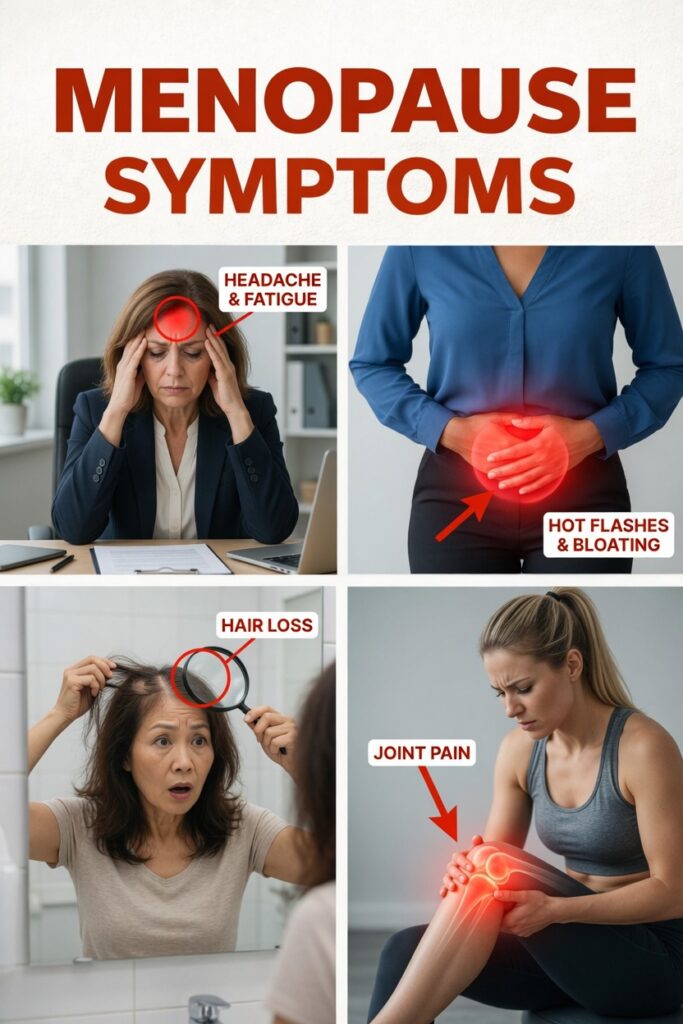
Early Menopause: 10 Key Signs to Watch Before Age 45
Picture this: you’re in the middle of a meeting when a sudden surge of heat floods your body. Your cheeks turn bright red, perspiration appears on your forehead, and you’re fanning yourself while everyone else seems perfectly comfortable. If this feels familiar, it may not be “just stress.”
Early menopause—menopause occurring before age 45—affects millions of women in the United States. Research estimates it may impact up to 5% of women, and it can influence long-term health, including bone strength and cardiovascular function. If you’ve noticed unexpected shifts in your body lately, the signs below can help you recognize patterns and prepare for informed next steps.
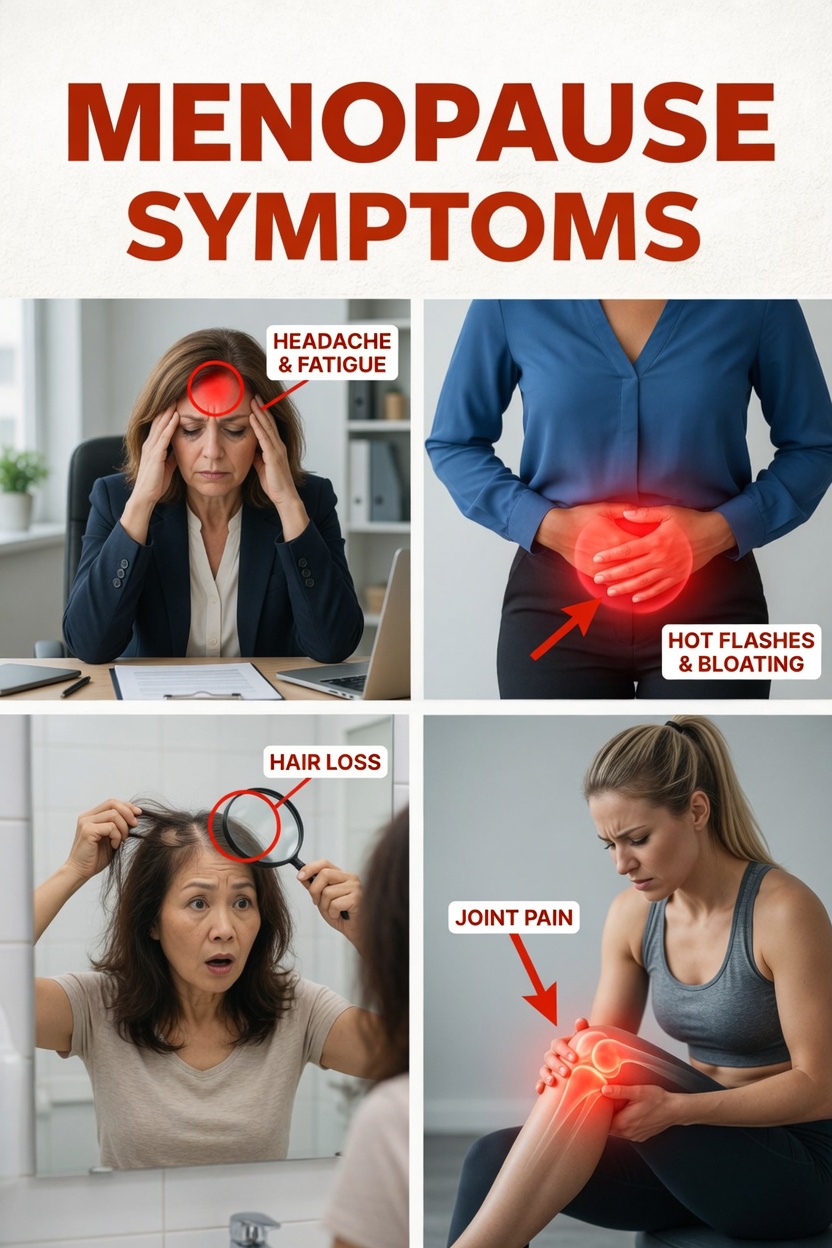
Why Recognizing Early Menopause Matters
Consider Lisa, a 42-year-old marketing executive who begins waking up soaked in sweat, her sleep disrupted night after night. Symptoms like these can interfere with work, relationships, and mental well-being. More importantly, evidence suggests that early menopause may be associated with higher health risks if it goes unrecognized and unmanaged.
Every body is different, but common symptom patterns do emerge. Here are 10 signs that may indicate early menopause—some more subtle than many people expect.
10) Irregular Periods: When Your Cycle Stops Following the Rules
If you once could predict your period almost to the day, irregular cycles can be the first noticeable shift. Your period may:
- Arrive earlier or later than usual
- Become lighter or heavier
- Skip entirely for a month (or more)
This often reflects hormone fluctuations associated with perimenopause, the transition phase leading to menopause. Lisa started tracking her cycle and realized the “randomness” wasn’t random at all—it followed a broader pattern of change.
9) Hot Flashes: Sudden Heat That Takes Over
Hot flashes can feel like a wave of warmth that rises through your chest and spreads quickly, making clothing feel unbearable. Studies suggest up to 75% of women experience these vasomotor symptoms during the menopause transition.
Sarah, a 40-year-old teacher, found herself flushing unexpectedly during class—confident one moment, overwhelmed the next. Hot flashes are frequently linked to declining estrogen levels.
8) Night Sweats: Waking Up Damp and Drained
Night sweats are essentially hot flashes that strike while you sleep. You may wake up with:
- Damp pajamas or sheets
- A racing heart
- A brief chill after throwing off the blankets
Because they interrupt rest, night sweats can set off a chain reaction of fatigue and reduced focus the following day.
7) Mood Swings: Emotional Shifts That Feel Unfamiliar
If you’ve been unusually irritable, anxious, or tearful—and it feels unlike you—hormonal changes may be playing a role. Research suggests fluctuating reproductive hormones can influence brain chemistry, including pathways related to serotonin.
Emily, 44, described feeling emotionally steady for years, then suddenly experiencing intense waves of irritability and sadness triggered by minor events.
6) Vaginal Dryness: Discomfort That Extends Beyond Intimacy
A drop in estrogen can thin and dry vaginal tissues, which may lead to:
- Irritation or burning
- Discomfort during sex
- Sensitivity during everyday activities
Many people suffer quietly with this symptom, yet it is common and treatable. Emily noticed subtle discomfort first, then increasing hesitation around intimacy as dryness became persistent.
5) Sleep Disturbances: Insomnia, Frequent Waking, Restless Nights
Sleep issues during early menopause aren’t limited to night sweats. You may also experience:
- Trouble falling asleep
- Waking repeatedly without a clear reason
- Feeling unrefreshed even after “enough” hours
Hormonal shifts can disrupt sleep regulation, and studies suggest menopause transitions may affect sleep-related hormones and rhythms. Lisa, who once slept deeply, found herself lying awake with a racing mind despite exhaustion.
4) Fatigue: A Persistent Energy Drain
Fatigue during early menopause often goes beyond normal tiredness. It can feel like:
- A heavy, “bone-deep” exhaustion
- Reduced motivation and stamina
- Limited relief even after caffeine or rest
Metabolic and hormonal changes may contribute, and fatigue often worsens when sleep quality declines. Sarah felt her productivity slipping, even though she was “doing everything right.”
3) Brain Fog or Memory Lapses: When Words and Details Slip Away
If you’re forgetting names, losing your train of thought mid-sentence, or misplacing items more frequently, you’re not alone. Research points to estrogen’s role in brain function, and cognitive symptoms can appear during the transition.
Emily initially joked about needing more sticky notes—until she realized the forgetfulness was happening regularly.
2) Thinning Hair or Dry Skin: Subtle Changes in Appearance
Hormones influence collagen production, skin hydration, and oil balance, so shifts may show up in the mirror over time. You might notice:
- More hair shedding while brushing or washing
- Hair that looks finer or less full
- Skin that feels drier, less elastic, or more sensitive
Lisa experienced both hair thinning and drier skin and found that changes developed gradually rather than overnight.
1) Decreased Fertility: The Quiet, Foundational Change
Reduced fertility can be one of the most significant indicators of early menopause, even if pregnancy isn’t a current goal. Fertility specialists note that an early decline in ovarian reserve can make conception more difficult sooner than expected.
For Lisa, Sarah, and Emily, this was the realization that reframed everything: the symptoms weren’t isolated—they reflected a larger reproductive transition.
Additional Symptoms Some Women Notice
Beyond the top 10, early menopause may also involve:
- Joint aches or stiffness
- Weight changes
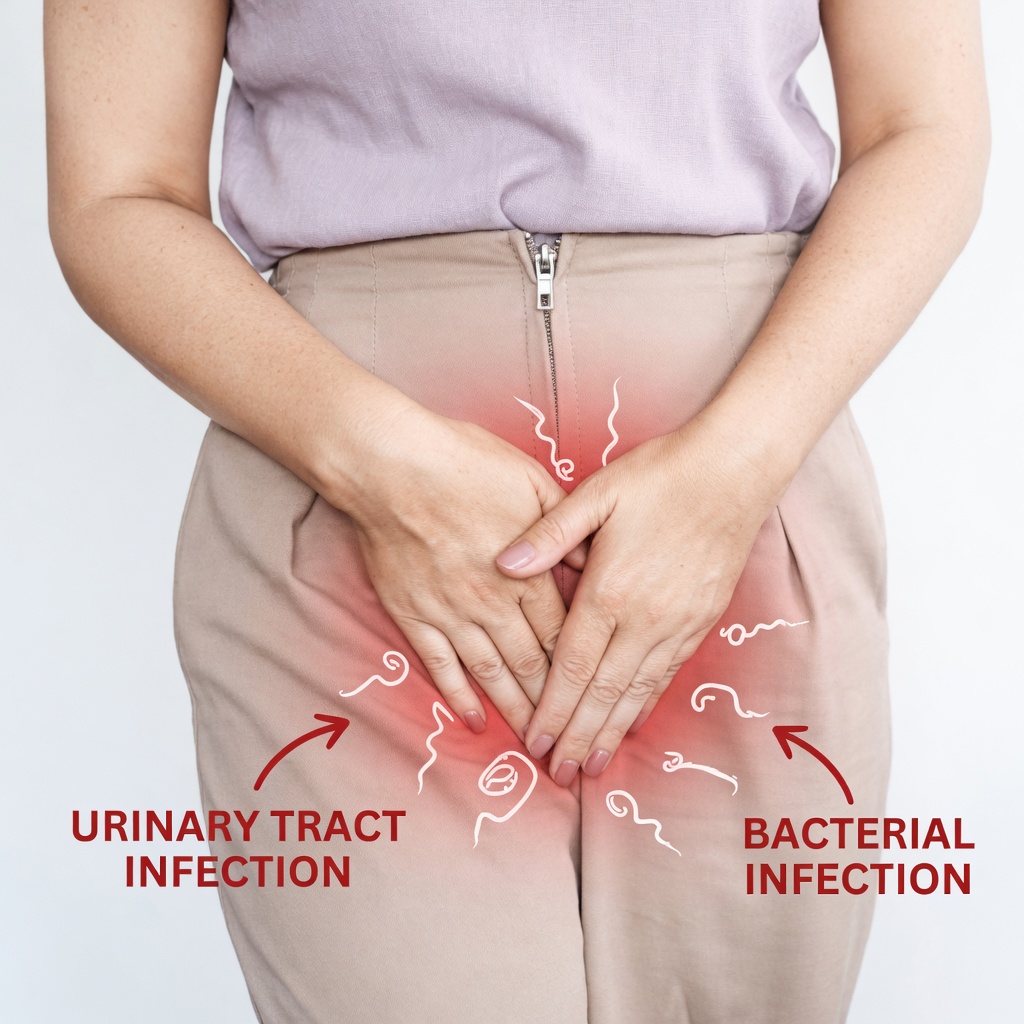
- Urinary issues (urgency, frequency, irritation)
Risk factors can include family history and certain autoimmune conditions. Symptoms vary widely, so personal tracking can be especially helpful.
Symptom Snapshot: Common Triggers and When to Pay Attention
-
Irregular periods
- Common trigger: Hormone fluctuations
- Potential impact: Unpredictable cycles
- When to note: Skipping multiple cycles or major changes in flow
-
Hot flashes / night sweats
- Common trigger: Vasomotor instability
- Potential impact: Disrupted comfort and sleep
- When to note: Frequent episodes affecting daily life
-
Mood changes
- Common trigger: Brain chemistry shifts
- Potential impact: Emotional strain
- When to note: Intense or persistent swings
-
Vaginal dryness
- Common trigger: Tissue thinning
- Potential impact: Discomfort during intimacy and daily life
- When to note: Ongoing irritation or pain
-
Fatigue / brain fog
- Common trigger: Metabolic and cognitive changes
- Potential impact: Reduced daily functioning
- When to note: Tiredness that doesn’t improve with rest
What to Do If You Suspect Early Menopause
No single symptom proves early menopause on its own, but clusters of changes over time are worth discussing with a clinician. A healthcare provider may recommend evaluation, which can include medical history, symptom review, and—when appropriate—hormone testing.
Lisa, Sarah, and Emily each sought guidance; with support and individualized plans, uncertainty was replaced by clarity and relief.
Helpful habits to try
- Eat a balanced diet to support energy and overall health
- Reduce stress with practical routines (breathing, boundaries, recovery time)
- Move regularly (walking, strength training, mobility work)
Common myth to drop
- Early menopause symptoms are not “all in your head.” These are real, physical changes that deserve attention.
A simple tip that improves doctor visits
- Keep a symptom journal (cycle changes, sleep, mood, hot flashes, fatigue) to share a clear timeline.
Don’t Dismiss the Signs—Use Awareness to Protect Your Well-Being
Ignoring these changes can delay support that may make this transition smoother. Recognizing early menopause can help you protect your health, relationships, and day-to-day quality of life. Track your symptoms, schedule a conversation with your healthcare provider, and consider sharing what you’re experiencing with someone you trust—open conversations often bring unexpected relief.
Note: This article is for informational purposes only and does not replace professional medical advice. For personalized guidance, consult a qualified healthcare provider.