Early Menopause: 10 Signs to Notice Sooner and What You Can Do Next
Many women in their late 30s or early 40s begin to see unexpected changes in their bodies. A once-predictable period may suddenly become irregular, or intense heat may appear out of nowhere. These symptoms can feel disruptive, draining, and confusing, affecting sleep, work performance, and personal relationships. For many, the experience feels isolating, especially when the body seems to be changing earlier than expected.
The good news is that spotting these early warning signs can help you respond with greater confidence. When you understand what your body may be telling you, it becomes easier to build simple daily habits that support your well-being. And near the end of this guide, we’ll reveal one commonly overlooked link that can make this transition feel more manageable.
What Is Early Menopause?
Early menopause refers to menopause that happens before age 45. Premature menopause is the term used when it begins before age 40. The Cleveland Clinic explains that menopause is officially confirmed after 12 straight months without a menstrual period, and early menopause affects around 5% of women.
This happens because the ovaries start producing lower levels of estrogen and progesterone sooner than usual. While natural menopause typically occurs around age 51, early menopause brings many of the same symptoms, only at a younger age. According to the Mayo Clinic, these changes may begin gradually during perimenopause before becoming more noticeable if menopause starts early.
10 Common Early Menopause Symptoms
Symptoms do not look exactly the same for every woman, but research and clinical sources such as the NHS and Yale Medicine show several signs appear often. Below are 10 of the most common symptoms linked to early menopause.
-
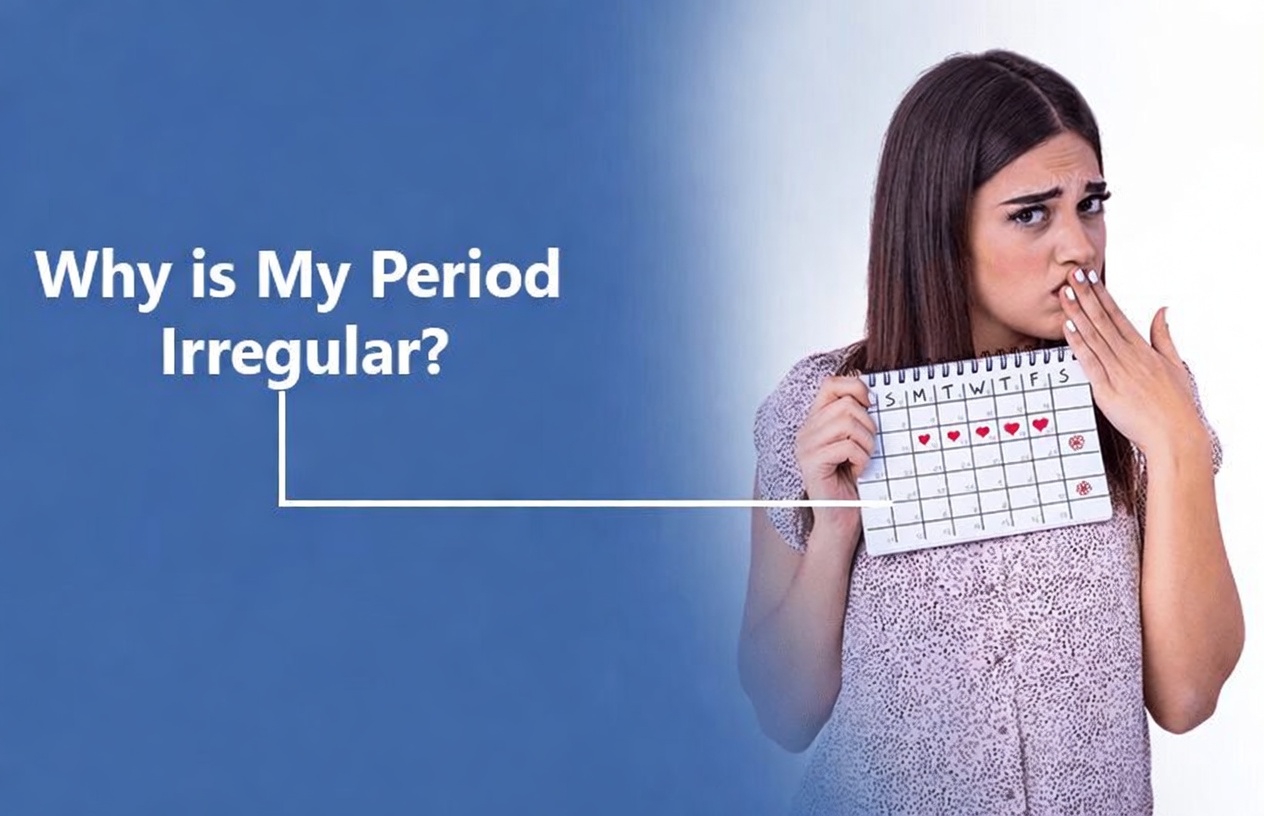
Irregular or missed periods
Menstrual cycles may become shorter, longer, lighter, heavier, or disappear for a time. This is often the first noticeable sign. -
Hot flashes and night sweats
Sudden warmth, flushing, and sweating can interrupt daily life and disturb sleep at night. -
Vaginal dryness or discomfort
Lower estrogen levels may lead to irritation, dryness, or discomfort during intimacy.
-
Mood changes
Hormonal shifts can contribute to irritability, anxious feelings, or a low mood. -
Sleep problems
Many women find it harder to fall asleep or stay asleep, especially when night sweats are involved. -
Fatigue and reduced energy
Ongoing tiredness may continue even after what should have been a full night of rest. -
Changes in skin and hair
Skin may feel drier, hair can appear thinner, and fine lines may become more noticeable, especially around the eyes and face. -
Headaches or migraines
Fluctuating hormones may trigger more frequent headaches or make migraines feel more intense. -
Joint or muscle discomfort
Stiffness, body aches, or back pain may appear, sometimes linked to shifts in bone health. -
Brain fog
Some women notice trouble focusing, remembering details, or staying mentally sharp during everyday tasks.
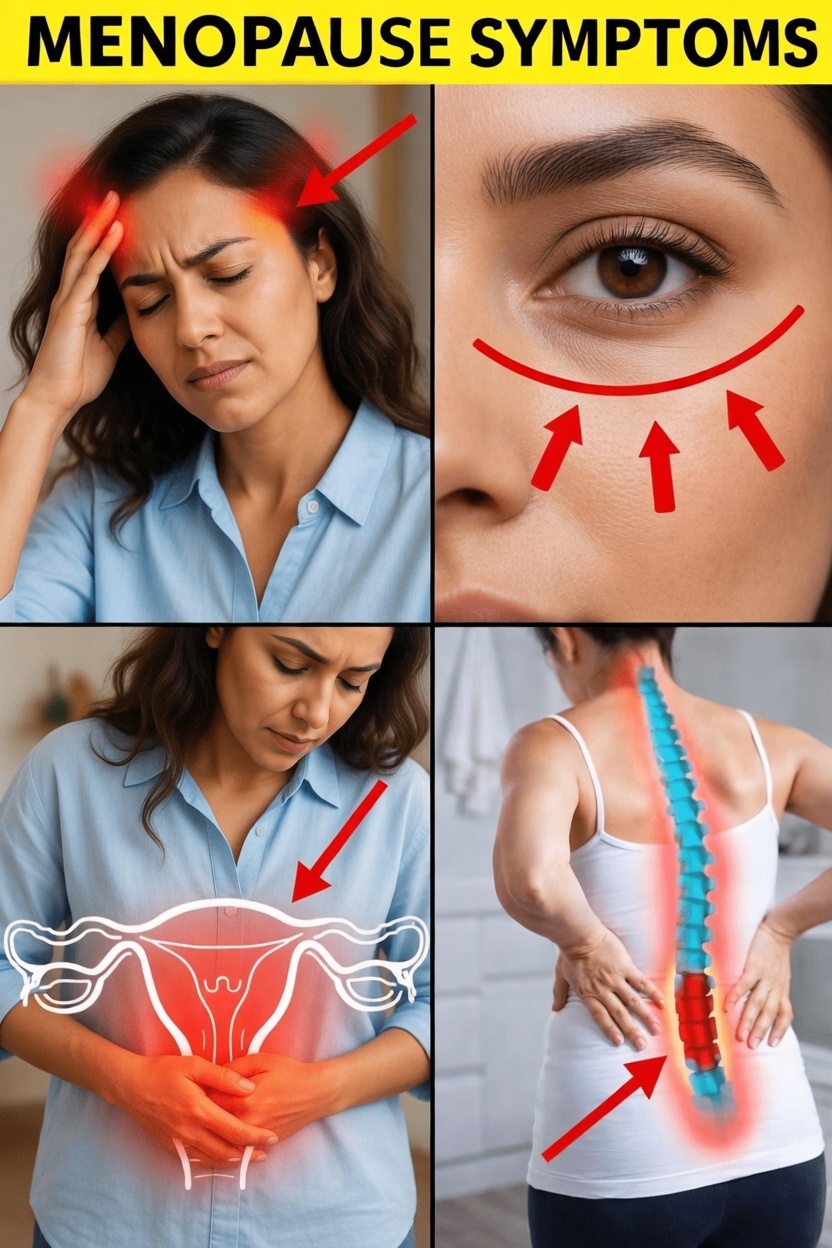
These symptoms are also reflected in many common menopause visuals, including tenderness in the head area, under-eye skin changes, pelvic discomfort, and spinal or back sensitivity.
It is also important to remember that not every woman will experience all 10 symptoms. They may come and go, and their intensity may change over time.
Why Early Menopause Happens and Why It Matters
In many cases, the exact cause of early menopause is never fully identified. However, the Office on Women’s Health notes that several factors may play a role, including:
- Family history
- Smoking
- Certain medical treatments such as chemotherapy
- Autoimmune disorders
- Surgery affecting the ovaries
Early menopause is important to recognize because lower estrogen levels begin sooner, which may affect long-term bone and heart health. That is why understanding symptoms early can help you have better, more informed conversations with your healthcare provider.
Simple Steps to Track Symptoms and Take Action
If you think early menopause may be starting, a few practical habits can help you stay aware of what is happening.
-
Keep a daily symptom log
Record your cycle dates, mood changes, energy levels, sleep quality, and hot flash frequency in a notebook or phone app. -
Book a medical check-in
If you are under 45 and noticing several of these symptoms, consider scheduling an appointment to discuss hormone levels or other relevant tests. -
Support your body with consistent habits
Regular movement, balanced meals, and stress-reducing routines can make a meaningful difference over time.
These small actions can help you feel more informed and prepared instead of waiting for symptoms to become more difficult.
Foods and Everyday Ingredients to Consider
Some women choose to pay closer attention to nutrition during this stage, based on general wellness guidance and emerging research. Commonly discussed options include:
-
Flaxseeds
Often mixed into yogurt, oatmeal, or smoothies for their natural plant compounds. -
Leafy greens and calcium-rich foods
Spinach, kale, and fortified plant milks may support bone health. -
Soy-based foods
Tofu, edamame, and other soy products are often explored for their plant-based properties. -
Omega-3 sources
Fatty fish and walnuts can be useful additions to a balanced eating pattern.

Before making major dietary changes, it is best to consult a healthcare professional, since nutritional needs vary from person to person.
When to Seek Professional Advice
If symptoms continue, worsen, or begin interfering with daily life, it is a smart idea to speak with a doctor. A healthcare provider can check for other possible causes and offer guidance based on your medical background and overall health.
The Overlooked Connection That Can Make a Big Difference
Here is the insight we mentioned earlier: many women find that pairing symptom tracking with small, steady lifestyle changes gives them a greater sense of control than they expected. Research suggests that simply becoming more aware of patterns in your body may reduce some of the emotional stress that comes with these changes.
Conclusion
Early menopause can feel overwhelming, but understanding the signs can replace uncertainty with clarity. By recognizing the 10 common symptoms and making supportive everyday choices, you can move through this phase with more confidence and less frustration. Every woman’s experience is different, but even small steps taken now can have a meaningful impact on how you feel.
FAQ
What is the difference between early menopause and perimenopause?
Perimenopause is the transition leading up to menopause, when hormones fluctuate and periods often become irregular. Early menopause is reached when periods have stopped for 12 months before age 45.
Can food choices or daily habits affect early menopause symptoms?
Many women focus on balanced nutrition, regular movement, and stress management during this time. Some research also looks at how certain foods may support overall wellness during hormonal changes, although results can differ by individual.
When should I see a doctor about possible early menopause?
If you are younger than 45 and have irregular periods along with symptoms such as hot flashes, sleep problems, or mood changes, it is wise to seek medical advice promptly for a personalized evaluation.
Disclaimer
This article is for informational purposes only and does not replace professional medical advice, diagnosis, or treatment. Always speak with your healthcare provider for guidance based on your individual health needs.