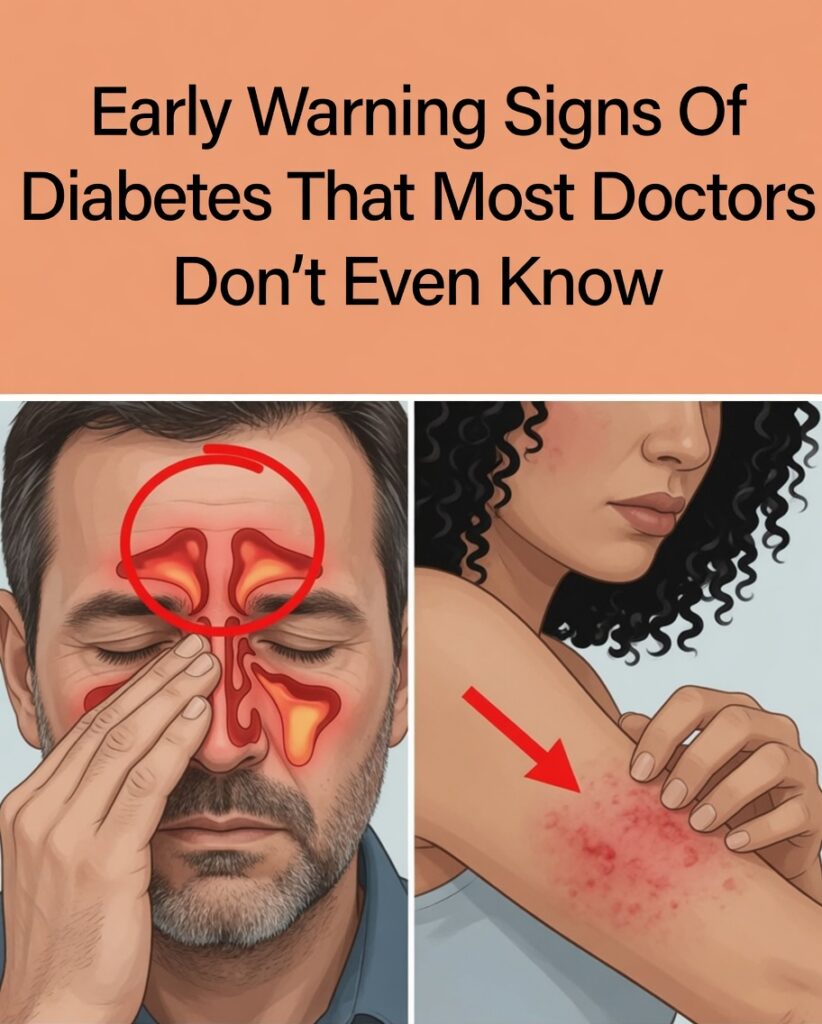
Many people experience gradually rising blood sugar without realizing it. The early warning signs of diabetes can emerge slowly and look like everyday problems—low energy, lingering minor issues, or changes you brush off as stress or aging.
Noticing the early signs of diabetes early can make a meaningful difference. If one “small” change keeps showing up, it may be more important than it seems.
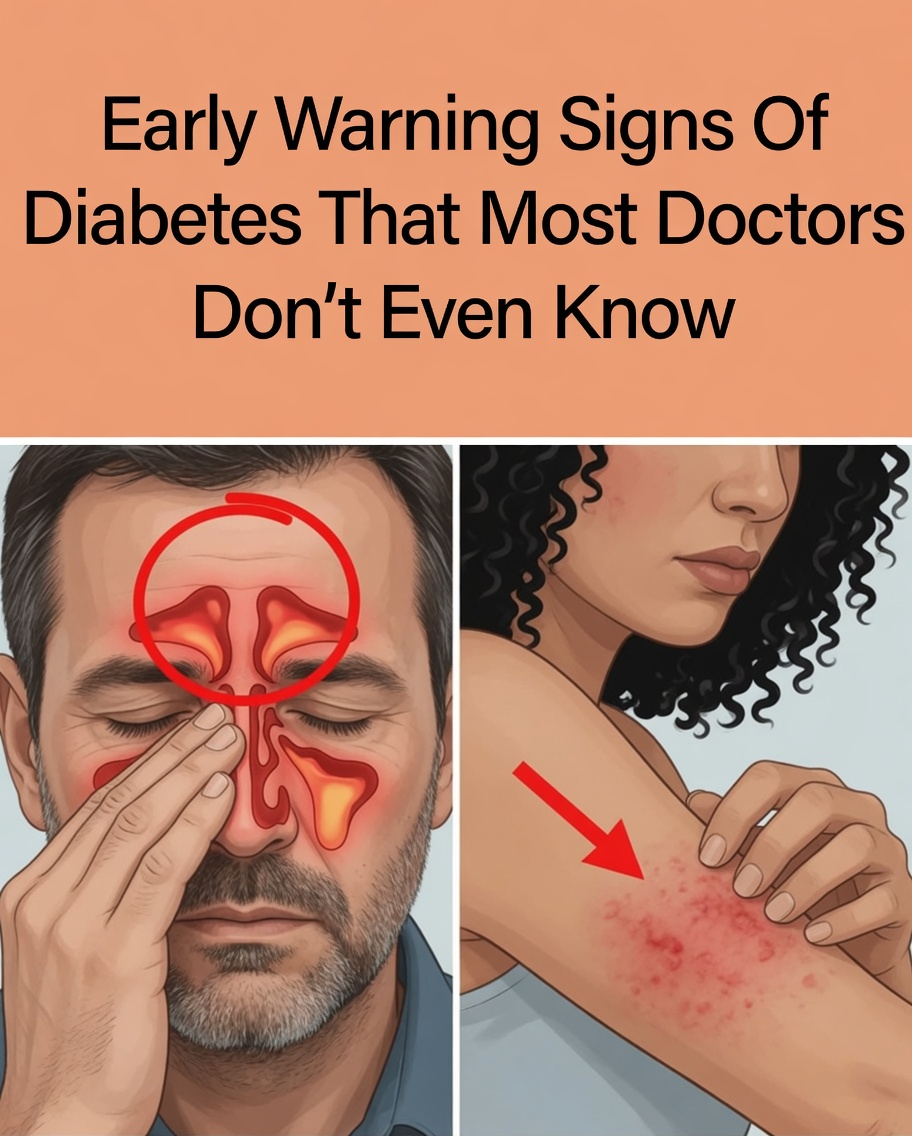
Early Warning Signs of Diabetes You Shouldn’t Ignore
Excessive thirst that never feels satisfied
If you’re constantly thirsty—even after drinking plenty of water—it may be more than dry weather or salty food. One common early warning sign of diabetes is persistent thirst caused by high blood sugar pulling fluid from body tissues.
Health organizations such as the CDC and the Mayo Clinic note that ongoing thirst often appears alongside other subtle symptoms. If it lasts for weeks, it’s worth paying attention.
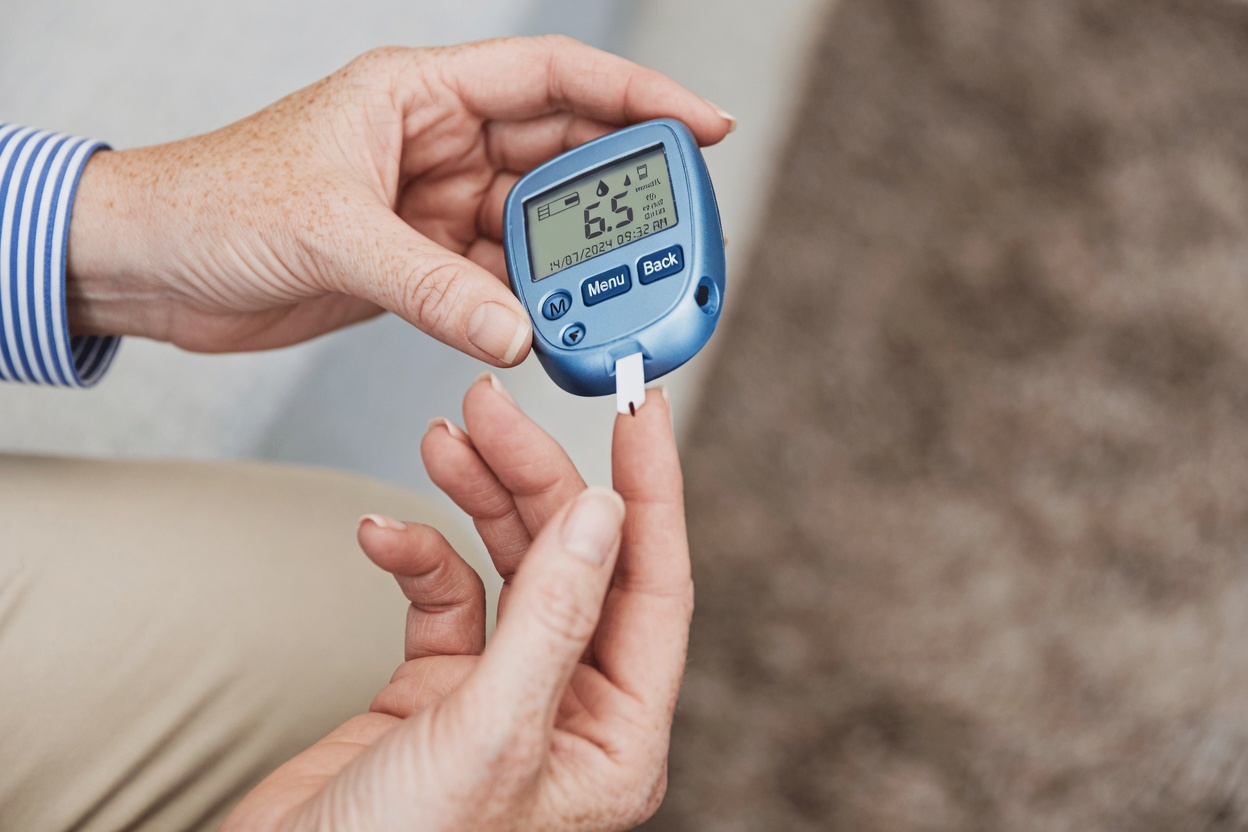
Frequent urination, especially overnight
Waking up repeatedly to urinate can disrupt sleep and leave you drained the next day. As an early sign of diabetes, the kidneys may work harder to filter and remove excess glucose, increasing urine output.
Many people blame caffeine, aging, or stress and miss the pattern. If your bathroom trips have clearly increased, track how often it happens—especially at night.
Increased hunger without feeling satisfied
Feeling unusually hungry shortly after eating can be confusing and frustrating. This can happen when your cells aren’t getting the energy they need from glucose, which may be related to insulin problems in the early stages of diabetes.
If you’re eating more but never feel “done,” and other changes are also present, consider it a meaningful clue.

Fatigue that doesn’t improve with rest
Ongoing tiredness—despite adequate sleep—can affect focus, mood, and productivity. One reason fatigue shows up as an early warning sign of diabetes is that glucose isn’t being used efficiently for energy, leaving the body feeling depleted.
It’s easy to blame a busy schedule at first, but persistent fatigue that doesn’t resolve is a symptom experts frequently highlight.
Blurred vision that comes and goes
If your vision suddenly becomes fuzzy while reading, working, or driving—and then improves—don’t ignore it. Elevated blood sugar can affect fluid levels in the eyes, temporarily changing how well you see.
The American Diabetes Association notes that this can be a reversible early symptom, especially when blood sugar is brought under control. Monitor these changes carefully.

Cuts, bruises, or sores that heal slowly
When small wounds take much longer than expected to heal, it can signal underlying issues. As an early sign of diabetes, high blood sugar and reduced circulation can slow recovery and make infections more likely.
If you notice that minor scrapes linger for weeks, track healing time and watch for redness, swelling, or worsening discomfort.
Recurring infections (yeast infections or UTIs)
Repeated yeast infections or urinary tract infections can be both disruptive and easy to dismiss as “bad luck.” However, higher sugar levels can create a better environment for bacteria and fungi, making recurrent infections a potential early warning sign of diabetes.
Treatments may help temporarily, but repeated patterns—especially in women—should be taken seriously.

Tingling or numbness in hands and feet
Pins-and-needles, numbness, or an odd “different” feeling in your feet or hands can be an early form of diabetic neuropathy, which often begins mildly in the extremities.
You might notice shoes feel unusual, or fine motor tasks become awkward. Early detection can help slow progression, so don’t write this off too quickly.
Darkened, velvety patches of skin in body folds
Gradually developing darker, thicker patches—often on the neck, armpits, or groin—may be acanthosis nigricans, which is linked to insulin resistance.
Many people mistake it for irritation or hygiene issues, but the Mayo Clinic highlights it as a notable sign, particularly in prediabetes. Checking skin folds regularly can be surprisingly informative.

Itchy, irritated, or unusually dry skin
Persistent itchiness and dryness can interfere with daily comfort. Poor circulation and nerve-related changes may contribute to this commonly overlooked early warning sign of diabetes.
If moisturizers don’t help much and the problem persists, consider whether other symptoms are also present.
Irritability and mood swings without a clear cause
If you feel unusually on edge, snap more easily, or experience mood swings, fluctuating blood sugar may be involved. Brain function can be affected by rapid changes in glucose levels, making mood shifts a possible emotional early sign of diabetes.
Because stress is an easy explanation, this symptom is often missed. Tracking mood alongside physical symptoms can reveal patterns.
Practical Ways to Spot Early Warning Signs of Diabetes Sooner
- Watch daily patterns: Note thirst, urination frequency, energy levels, and mood in a journal.
- Do a quick weekly body check: Look at skin folds, feet, and areas that are healing slowly in good light.
- Build balanced meals: Emphasize whole foods, fiber, and consistent portions to support steady blood sugar.
- Move regularly: Aim for about 30 minutes of activity most days (walking counts).
- Schedule routine check-ups: Discuss risk factors and request bloodwork as recommended.
Early action supports better long-term outcomes.
Diabetes Risk Factors to Keep in Mind
Your risk may be higher if you have:
- A family history of diabetes
- Excess weight
- A sedentary lifestyle
- Age over 45
- Higher risk associated with certain ethnic backgrounds
When to See a Doctor
If multiple early warning signs of diabetes continue for weeks—especially if you also have risk factors—seek medical advice promptly. A simple blood test can provide clarity and guide next steps.
Conclusion
The early warning signs of diabetes—such as constant thirst, frequent urination, fatigue, blurred vision, slow wound healing, skin changes, infections, tingling, and mood shifts—often appear quietly and are easy to dismiss. Paying attention early helps you take proactive steps to protect your health.
FAQ
Are early warning signs of diabetes always easy to notice?
No. Many symptoms are subtle and often attributed to stress, aging, dehydration, or a busy lifestyle.
Can early warning signs of diabetes improve with lifestyle changes?
In the prediabetes stage, healthy habits can often reduce symptoms and improve blood sugar control.
Who should pay closest attention to early signs of diabetes?
Anyone with risk factors should be especially alert, but increased awareness benefits everyone.