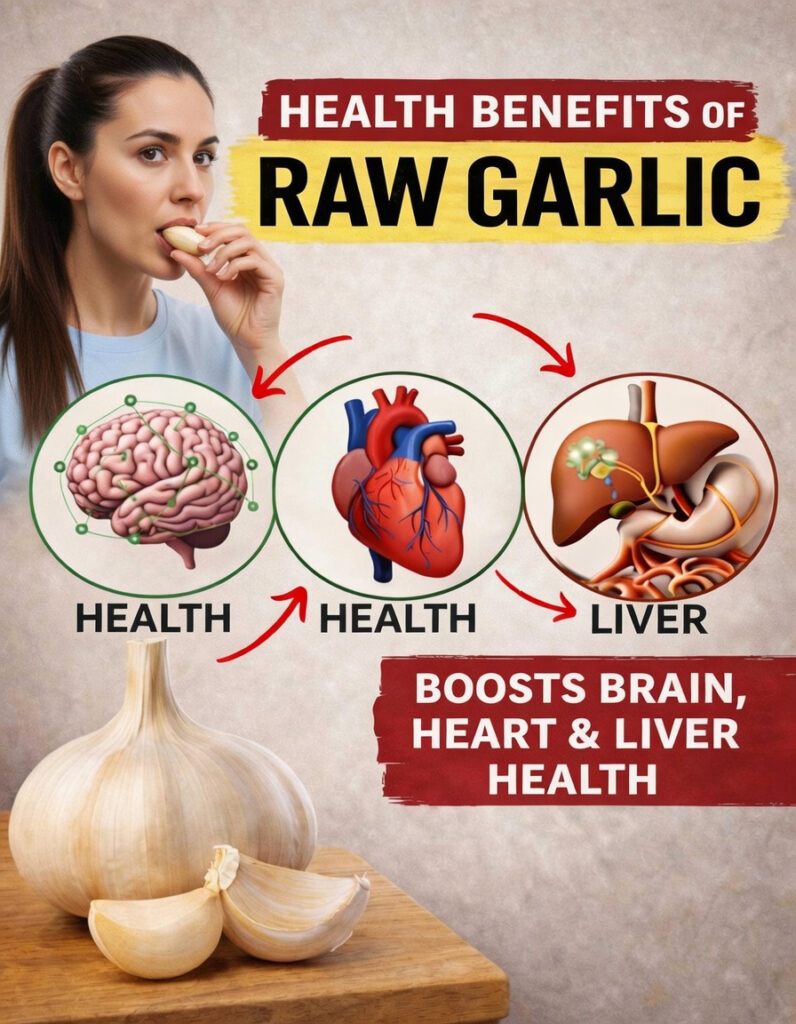
Why Raw Garlic Is Getting So Much Attention
Modern life is busy, and many people rely on small, realistic habits to support their health. That is why it can feel especially discouraging when issues like low energy or seasonal colds interrupt your day and make everything harder to manage. One simple food that continues to attract interest is raw garlic. This everyday kitchen ingredient may offer more than flavor, and even a minor change like adding it to your meals could influence how your body responds to daily demands.
If you have never thought much about eating garlic raw, there is an interesting detail worth knowing: how you prepare it can make a difference.
What Raw Garlic Is and Why It Matters
Garlic belongs to the allium family, along with onions. It has been valued in cooking and traditional wellness practices across cultures for generations. When garlic is chopped, crushed, or minced, it forms a compound called allicin. This sulfur-based substance is largely responsible for garlic’s sharp smell and is often the focus of research into its potential health-related effects.
Raw garlic also provides several helpful nutrients, including:
- Vitamin C
- Vitamin B6
- Manganese
- Selenium
These nutrients contribute to many normal body processes, including energy production and antioxidant defense. For people interested in trying raw garlic, starting with one to two cloves a day is a simple and practical way to begin.
Research suggests that regular raw garlic intake may affect how the body manages everyday challenges, especially in areas such as circulation and immune function.
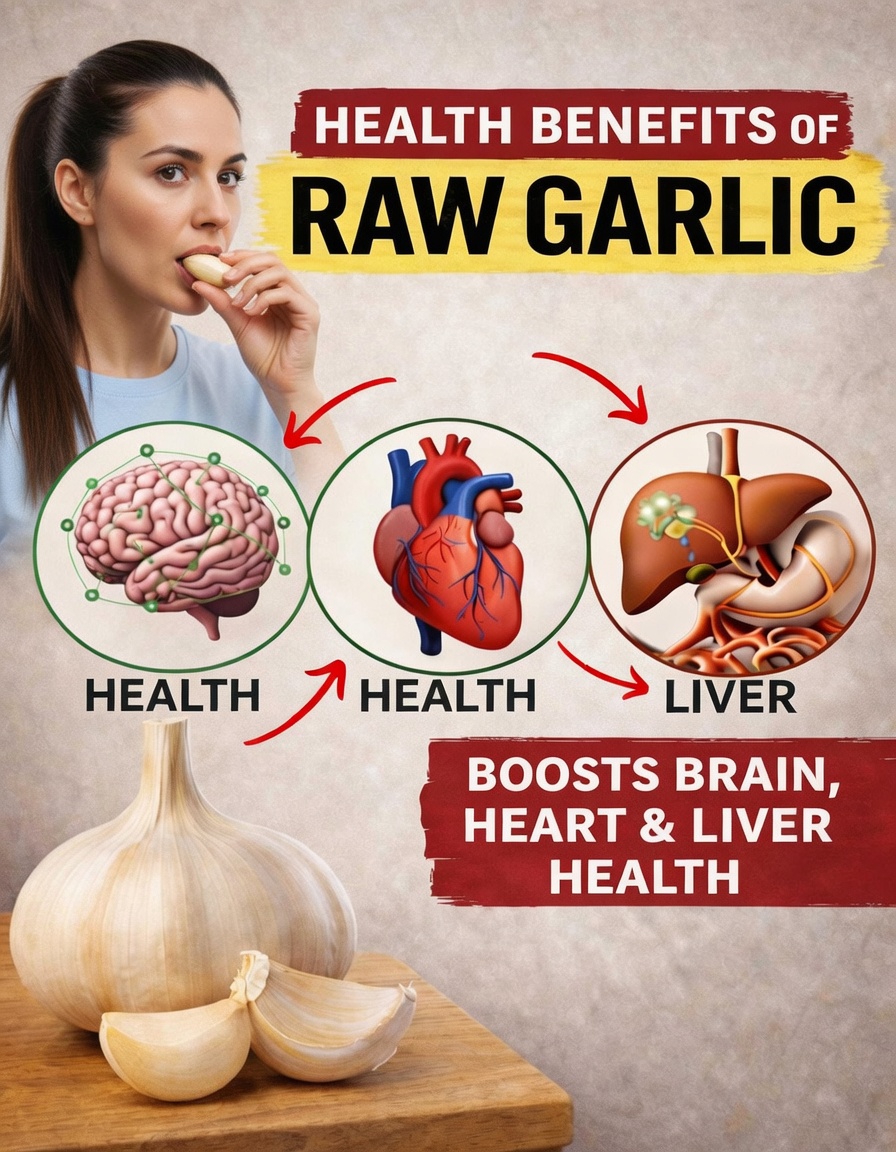
Raw Garlic and Heart Health
One of the most discussed benefits of raw garlic is its possible role in supporting cardiovascular health. Some studies suggest that adding garlic to your diet may help with blood pressure balance by encouraging blood vessels to relax more effectively.
There is also evidence from human studies indicating that daily garlic consumption may help improve cholesterol markers. In some cases, it has been associated with lower LDL cholesterol and better HDL levels, which may support healthier blood flow over time.
If you want to work raw garlic into your routine, try these easy methods:
- Crush one clove and let it rest for 10 minutes before eating it to encourage allicin formation.
- Stir it into a homemade salad dressing for extra flavor.
- Combine it with honey if you want to soften its strong taste.
The main factor is regular use, while still paying attention to how your body feels.
How Raw Garlic May Support the Immune System
If you seem to catch seasonal bugs often, raw garlic may be worth exploring. Its natural antimicrobial properties have been studied in different settings, and some findings suggest it may help support the body’s normal defense mechanisms.
Several reports have linked regular garlic intake with fewer minor illnesses, such as common colds. Researchers believe allicin may interact with certain immune cells and potentially help them function more actively.
To make raw garlic more useful in daily meals, try pairing it with other foods often associated with immune support, such as:
- Citrus fruits
- Yogurt
- Fresh herbs
- Vegetables rich in vitamin C
Fresh preparation matters here. Chopping or crushing garlic just before use helps preserve its active compounds.
Possible Benefits for Digestion and Gut Balance
The digestive system influences much more than comfort, and raw garlic may have a positive effect in this area as well. Early research suggests that garlic may act somewhat like a prebiotic, helping nourish beneficial gut bacteria.
A healthier gut environment can support smoother digestion, and some people report feeling less bloated after making garlic part of their routine. While results vary, this is one reason garlic is often included in natural wellness habits.
Here are a few easy ways to start:
- Mix minced raw garlic into hummus or guacamole.
- Swallow a small clove with water if preparing it feels inconvenient.
- Eat it with probiotic-rich foods for a more balanced approach.
Moderation is important, since too much raw garlic may lead to gas or stomach discomfort.
Could Raw Garlic Help with Blood Sugar Control?
Many people want more stable energy during the day, and researchers have also looked at garlic’s possible role in blood sugar regulation. Some clinical studies suggest that regular garlic intake may help support healthier glucose responses.
Observational findings indicate that compounds in garlic may interact with insulin-related pathways. Because of this, raw garlic may be especially interesting for people who are already paying attention to carbohydrate intake and energy balance.
Raw Garlic vs. Cooked Garlic
The form of garlic you choose can affect its properties. Here is a simple comparison:
| Aspect | Raw Garlic | Cooked Garlic |
|---|---|---|
| Allicin content | High after crushing or chopping | Lower because heat reduces it |
| Nutrient preservation | Better retention of certain vitamins and active compounds | Some sensitive compounds may decline |
| Flavor | Sharp, strong, pungent | Milder and slightly sweet |
| Best use | Useful for those exploring direct wellness benefits | Great for everyday cooking and variety |
This can help you decide whether raw or cooked garlic fits your lifestyle and taste preferences.
Antioxidant Effects and Everyday Wellness
Raw garlic is also rich in compounds connected to antioxidant activity. Studies suggest that regular intake may help support the body’s own antioxidant enzymes, including SOD and catalase, which are involved in managing oxidative stress.
That matters because oxidative stress is linked to many everyday strains on the body. Some research also points to garlic’s possible role in supporting liver health, including markers associated with detoxification processes. In studies involving non-alcoholic fatty liver disease, garlic intake has been linked with improvements in certain liver-related indicators.
To make it easy to use consistently, you might try:
- Making a raw garlic pesto with basil and olive oil
- Adding it to vinegar as a simple tonic
- Noticing how you feel after using it regularly for a week
Small habits can have meaningful effects when maintained over time.
Skin, Metabolism, and Other Unexpected Areas
Some people also notice changes in their skin after adding raw garlic to their diet. Limited research and personal reports suggest that its anti-inflammatory compounds may help support a clearer, calmer complexion.
Garlic may also have a role in metabolic health. Some trials have examined its connection to body weight measurements, including BMI and waist-to-hip ratio, suggesting it may offer mild support when combined with healthy lifestyle choices.
For a more complete approach, pair garlic intake with movement such as:
- A short walk after meals
- Gentle yoga
- Light daily exercise to support circulation

Side Effects and Important Precautions
Although raw garlic may offer benefits, it is not ideal for everyone. Some of the most common side effects include:
- Strong breath odor
- Heartburn
- Mild stomach irritation
- Digestive discomfort, especially on an empty stomach
In many cases, these effects become less noticeable over time or improve when garlic is eaten with food. If you have reflux, GERD, or a sensitive stomach, it is best to begin with a very small amount.
Research generally considers garlic safe when eaten in normal food amounts. However, extra caution is needed if you take medications such as blood thinners, since garlic may affect clotting.
Final Thoughts: Is Raw Garlic Worth Trying?
Eating two raw garlic cloves a day may support several areas of health, including the heart, immune system, digestion, blood sugar balance, and antioxidant protection, according to current research. It is inexpensive, easy to find, and fits well into a natural wellness routine.
The most surprising detail is also one of the simplest: garlic appears to be most active when it is crushed and left to rest briefly before eating. That short pause helps increase allicin formation and may unlock more of its potential benefits.
If you decide to try it, start slowly, stay consistent, and pay attention to how your body responds.
FAQ
How can I make raw garlic taste less intense?
You can mix it with honey, lemon juice, or olive oil to soften the flavor. Starting with small amounts is also a good way to build tolerance gradually.
Can I eat raw garlic if I have a sensitive stomach?
It is usually better to begin with one clove or less and take it with food. If it still causes irritation, cooked garlic may be easier to tolerate.
What is the best time to eat raw garlic?
Some people prefer taking it in the morning, especially on an empty stomach, while others like it with dinner. The best time is the one that feels easiest and most comfortable for you.
Disclaimer
This article is for informational purposes only and should not be considered medical advice. Always speak with a qualified healthcare professional before making significant dietary changes, especially if you have a medical condition or take prescription medication.