

Three Powerful Seeds That May Help Support Eye Health
In today’s screen-heavy lifestyle, many people spend hours staring at phones, laptops, and tablets. As a result, tired, dry, and irritated eyes have become a common complaint. Constant exposure to blue light, combined with less frequent blinking, can gradually increase discomfort and make everyday activities such as reading, working, or driving feel more difficult.
Fortunately, a simple nutrition upgrade may help. Chia seeds, flax seeds, and pumpkin seeds are small foods with an impressive nutritional profile. These everyday seeds provide key compounds linked to eye wellness, including omega-3 fatty acids, zinc, vitamin E, and antioxidants.
Even better, using them together may offer complementary benefits. And there is one easy preparation method that can help you get more from them—which you will find below.
Why Diet Plays an Important Role in Eye Wellness
Your eyes depend on a steady supply of specific nutrients to stay healthy and function properly. Like the rest of the body, they benefit from foods that help reduce inflammation and protect cells from damage.
Some nutrients are especially important:
- Omega-3 fatty acids help support tear quality and retinal health
- Zinc assists in moving vitamin A to the retina, where it is needed for vision
- Antioxidants help defend the eyes against oxidative stress from daily living and screen exposure
Research cited by organizations such as the National Eye Institute has examined how these nutrients may help maintain eye health over time. No single food can solve every issue, but adding nutrient-rich foods to your routine is a smart and practical step.
That is where chia, flax, and pumpkin seeds stand out.
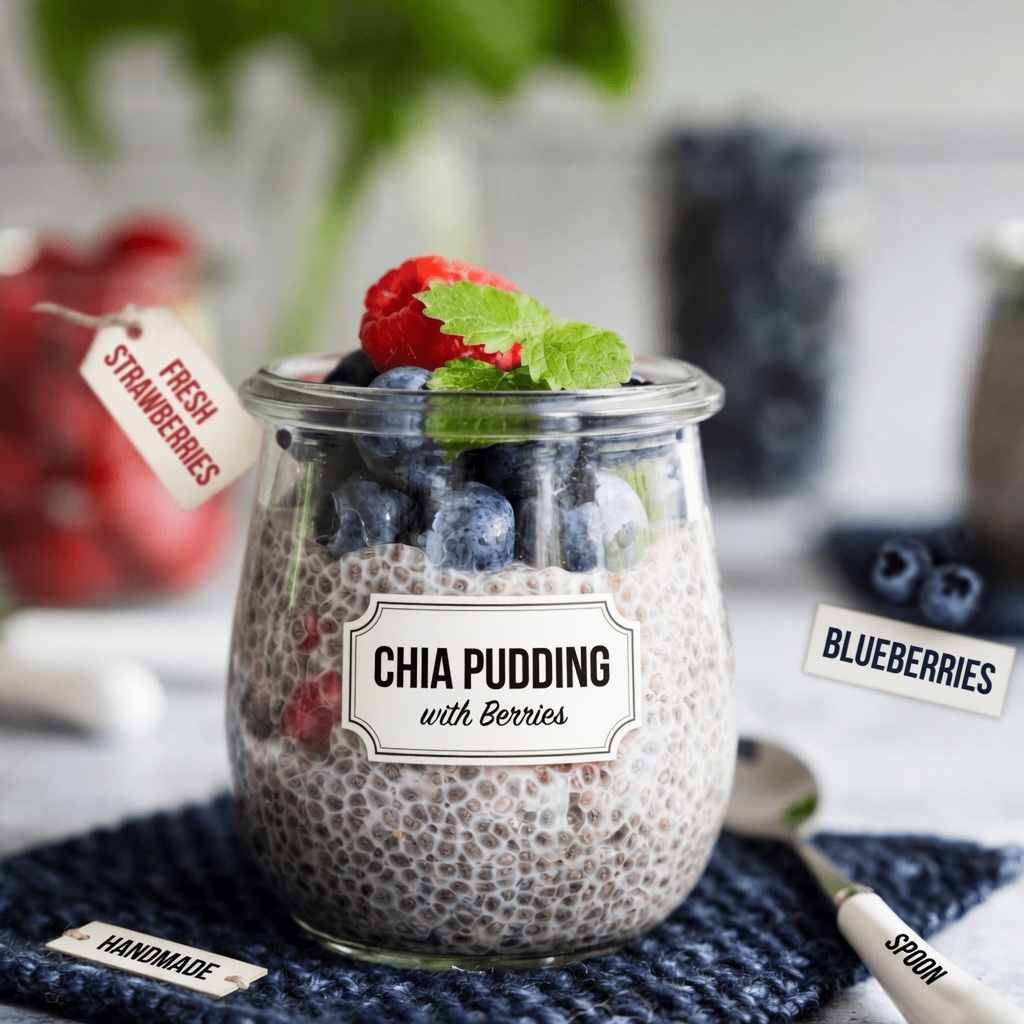
Chia Seeds: Small Seeds With Big Omega-3 Benefits
Chia seeds have become widely popular, and for good reason. These tiny black or white seeds are among the best plant-based sources of alpha-linolenic acid (ALA), a form of omega-3 fatty acid.
They also provide antioxidants such as quercetin and chlorogenic acid, which may help protect cells from oxidative stress. This matters because the tissues of the eyes, especially the retina, are delicate and vulnerable to damage over time.
Many people find that eating more omega-3-rich foods helps reduce the feeling of dryness or eye discomfort. Chia seeds also absorb liquid well, which makes them useful in hydrating recipes when prepared correctly.
Potential Eye-Friendly Benefits of Chia Seeds
- Rich in plant-based omega-3s that may help calm inflammation
- Contain antioxidants that support cellular protection
- Provide minerals such as magnesium for general wellness
Another advantage is their flexibility. Chia seeds are easy to include in breakfast, snacks, and even desserts.
Flax Seeds: Best Used Ground for Better Absorption
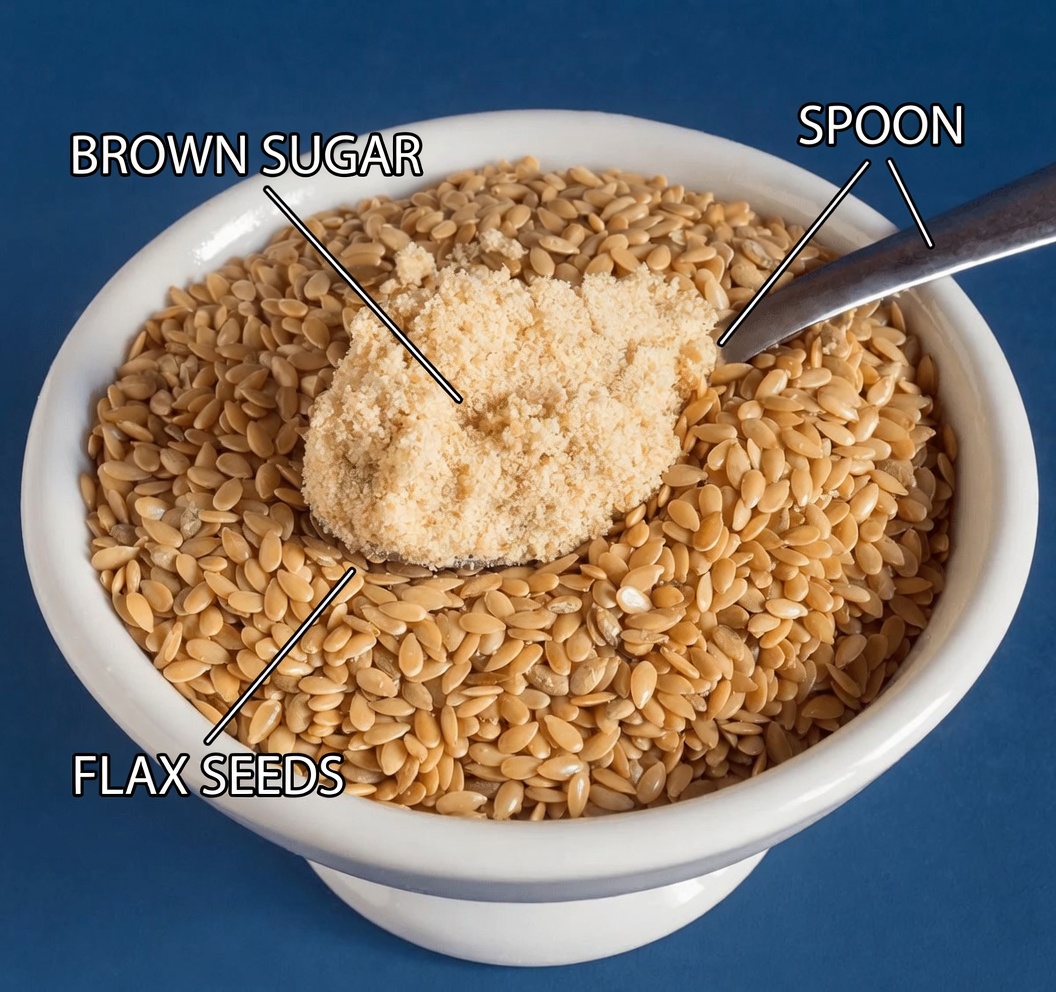
Flax seeds are another excellent source of ALA omega-3s and are often mentioned in discussions about natural support for eye comfort. What makes flax especially valuable is its combination of healthy fats and lignans, plant compounds known for their antioxidant properties.
To get the most benefit, ground flaxseed is usually a better choice than whole flaxseed. Grinding helps your body access and absorb the nutrients more effectively. Once ground, the omega-3 content becomes easier to use, which may help support retinal function and eye moisture.
Flax also contributes fiber and other beneficial compounds that support overall health. When your body functions well as a whole, your eyes benefit too.
Reasons to Add Flax Seeds to Your Daily Routine
- High in plant-based omega-3 fatty acids
- May help support tear balance and eye comfort
- Easy to mix into meals when freshly ground
For freshness, store ground flaxseed in the refrigerator.
Pumpkin Seeds: A Natural Source of Zinc and Vitamin E
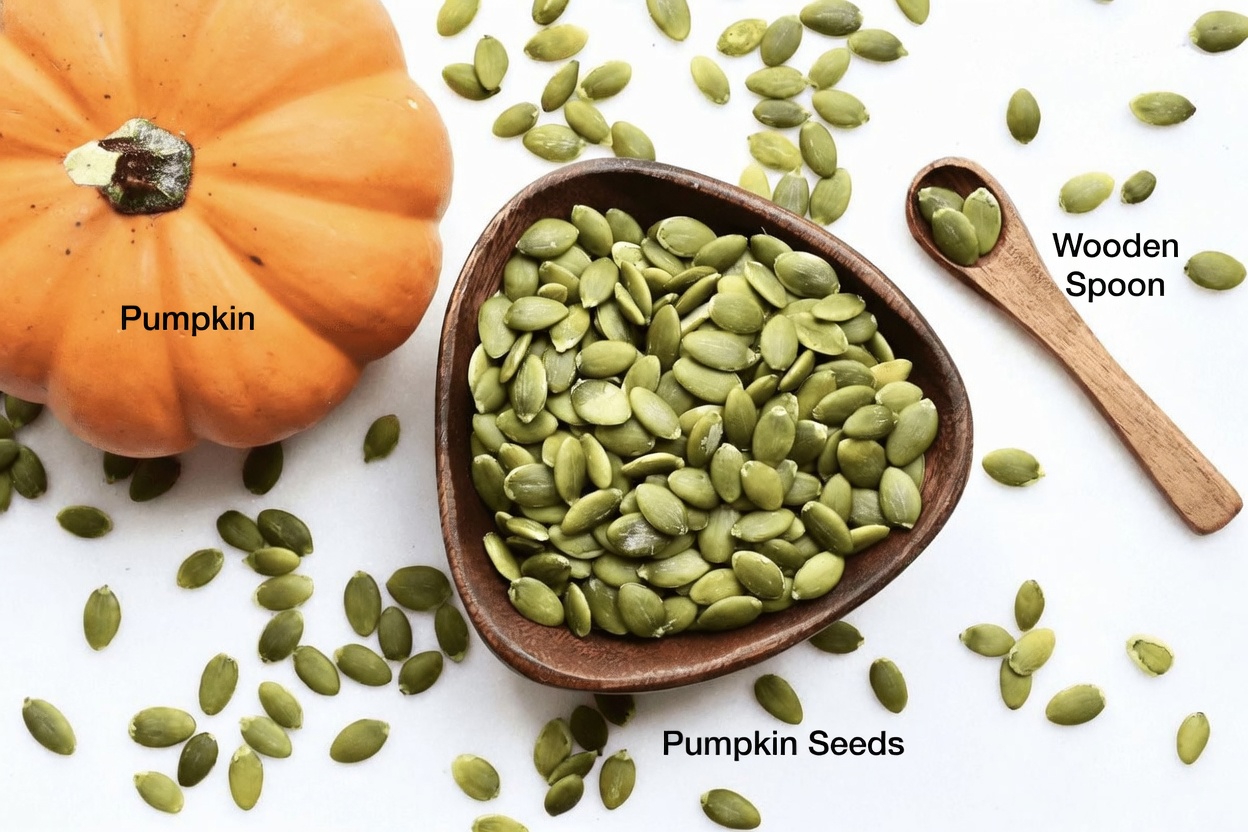
Pumpkin seeds, also called pepitas, are especially valuable because of their high zinc content. Zinc is found in large amounts in the retina and plays an important role in proper eye function.
These seeds also supply vitamin E, a powerful antioxidant that helps protect cell membranes, including those in the eyes. Some pumpkin seeds contain small amounts of carotenoids such as lutein, which is well known in eye nutrition.
Research on zinc and eye health has shown encouraging results, especially in relation to supporting the macula as we age. When pumpkin seeds are combined with omega-3-rich chia and flax, the result is a more complete nutritional mix for eye support.
Why Pumpkin Seeds Are Worth Including
- Excellent source of zinc for retinal support
- Provide vitamin E to help fight oxidative stress
- Make a simple, satisfying snack
Light roasting can improve flavor while preserving much of their nutritional value.
How These Three Seeds Work Better Together
When eaten as part of the same routine, chia, flax, and pumpkin seeds create a useful combination of omega-3s, zinc, and antioxidants. This nutritional teamwork may help support daily eye comfort and long-term eye wellness.
Quick Comparison of Their Eye-Supporting Nutrients
| Seed | Key Nutrients | How They May Help Eye Wellness |
|---|---|---|
| Chia | Omega-3 ALA, antioxidants | May help with inflammation and oxidative protection |
| Flax | Omega-3 ALA | May support tear quality and eye comfort |
| Pumpkin | Zinc, vitamin E | May aid retinal function and protective pigment processes |
This balanced trio is an easy everyday choice that does not require major changes to your lifestyle.
Easy Ways to Add These Seeds to Your Day
If you want to build this habit without effort, start with simple uses you can repeat daily.
Practical Ideas
- Add 1 tablespoon of chia seeds to oatmeal or yogurt
- Stir 1 to 2 tablespoons of ground flaxseed into smoothies or salad dressing
- Eat a small handful of pumpkin seeds in the afternoon
- Use a mixed seed topping on avocado toast or soup
- Add them to homemade energy bites or baked snacks
A Beginner-Friendly Routine
- Make chia pudding by soaking 1 tablespoon of chia seeds in almond milk overnight.
- Add freshly ground flaxseed to your breakfast.
- Enjoy roasted pumpkin seeds as a mid-morning or afternoon snack.
- Drink enough water during the day, since these seeds are high in fiber.
- Pay attention to how your eyes feel after a few consistent weeks.
Here is the simple preparation tip mentioned earlier: make an eye-support seed blend using all three.
- Soak chia seeds
- Use flax seeds ground
- Keep pumpkin seeds lightly roasted
This gives you a convenient serving that combines omega-3s, zinc, and antioxidants in one place.
Lifestyle Habits That Can Support Your Eyes Even More
Nutrition matters, but daily habits are important too. A few simple practices can work well alongside a seed-rich diet.
Helpful Eye-Care Habits
- Follow the 20-20-20 rule: every 20 minutes, look at something 20 feet away for 20 seconds
- Wear sunglasses outdoors for UV protection
- Get enough sleep so your eyes have time to recover
- Eat a balanced diet with colorful fruits and vegetables for added antioxidants
These habits can complement the benefits of chia, flax, and pumpkin seeds.
Final Thoughts: Small Seeds, Meaningful Support
Adding chia seeds, flax seeds, and pumpkin seeds to your daily meals is a simple and natural way to give your eyes important nutrients such as omega-3 fatty acids, zinc, vitamin E, and antioxidants. Over time, this small habit can become part of a broader strategy for maintaining comfortable vision and supporting eye health in a busy, digital world.
Start with small amounts, stay consistent, and let these nutrient-dense seeds become an easy part of your wellness routine.
Frequently Asked Questions
How much of these seeds should I eat each day?
A simple starting point is:
- 1 tablespoon of chia seeds
- 1 to 2 tablespoons of ground flaxseed
- About 1 ounce of pumpkin seeds
Begin gradually and see what fits your digestion, appetite, and daily routine best.