
Understanding Vaginal Discharge
Many women feel unsure or even worried when they notice changes in their vaginal discharge. Shifts in color, texture, smell, or amount can easily cause anxiety, especially because intimate health is still a sensitive topic for many. Yet discharge itself is a natural, essential part of how the female body protects and cleanses the vaginal area.
What often gets overlooked is that there are clear patterns and simple daily habits that can help you understand these changes instead of fearing them. By the end of this guide, you’ll have practical, easy-to-use tips that can help you feel more confident and in tune with your body.
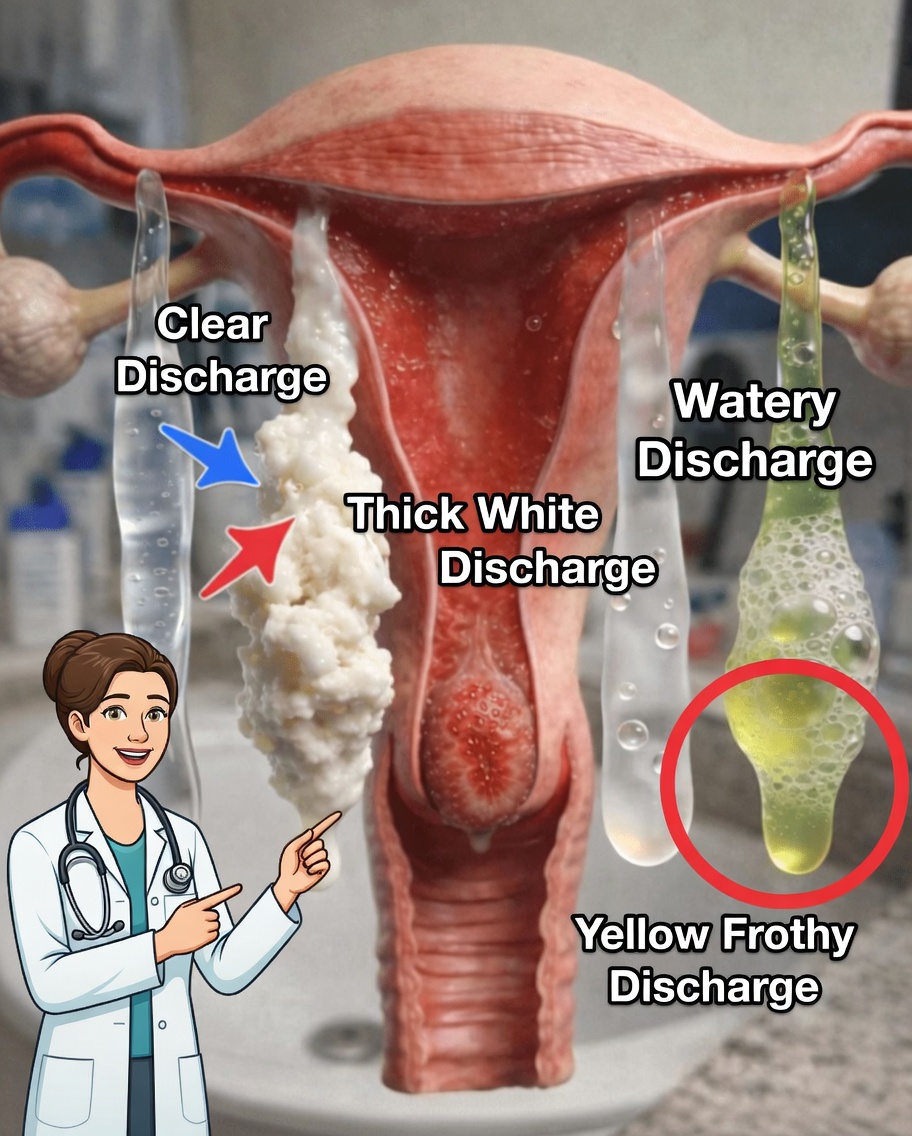
What Is Vaginal Discharge?
Vaginal discharge is a normal fluid produced by glands in the cervix and vaginal walls. It plays a key role in:
- Keeping the vaginal area naturally lubricated
- Flushing out dead cells and minor debris
- Helping protect against everyday bacteria
Rather than being something “dirty,” this fluid is part of your body’s built‑in cleaning and defense system. Medical organizations, including the American College of Obstetricians and Gynecologists, view regular discharge as a healthy sign that the reproductive system is working as it should.
Once you become familiar with what is typical for your own body, discharge starts to feel less mysterious and more like useful feedback.
Why Vaginal Discharge Changes During the Month
It is completely normal for vaginal discharge to change over the course of your menstrual cycle. These variations are mainly driven by hormonal shifts, but they can also be influenced by lifestyle factors such as stress, nutrition, and sleep.
Common cyclical changes include:
- Around ovulation (mid‑cycle): Discharge often becomes clear, slippery, and stretchy—similar to raw egg whites. This type of mucus supports fertility.
- Before and after ovulation: It may be thicker, creamier, or opaque white.
- After your period: Many women experience a short drier phase with less noticeable discharge before it gradually increases again.
Recognizing these recurring patterns can help you understand where you are in your cycle without guesswork or constant concern.
What Healthy Vaginal Discharge Usually Looks Like
“Normal” discharge can look a little different from one woman to another, but healthy discharge generally shares a few common characteristics:
- Color: Clear, off‑white, or milky white
- Smell: Mild or barely noticeable, not strong or foul
- Texture: Thin, slippery, or slightly sticky; sometimes creamy
- Sensation: No itching, burning, pain, or irritation
When your discharge fits within these general ranges, it usually indicates that your vagina is maintaining its natural balance. Women’s health research shows that most daily discharge falls into this category and does not require treatment.
Paying attention to these normal traits makes it easier to spot real changes early.
When Changes in Vaginal Discharge Need Attention
Sometimes discharge can shift in a way that feels unusual for you and may come with other symptoms. Certain changes can be a sign that it’s time to check in with a healthcare professional:
- Yellow, green, or gray discharge
- A strong, fishy, or unpleasant odor
- Itching, burning, or visible redness around the vulva
- Pain or discomfort during sex or when urinating
- A sudden, unexplained increase or decrease in the amount of discharge
Awareness is more helpful than alarm. While some issues may resolve as your body rebalances, consulting a doctor or gynecologist can quickly provide clarity, diagnosis if needed, and peace of mind.
Everyday Factors That Affect Vaginal Discharge
Vaginal discharge does not exist in isolation—many everyday factors can influence how much you have and how it appears.
Hormones and Birth Control
Hormonal contraceptives (such as the pill, patch, ring, implant, or hormonal IUD) can change discharge by altering estrogen and progesterone levels in your body. You may notice:
- Slightly more or less discharge
- Changes in texture or thickness
- Different patterns across your cycle
Pregnancy
During pregnancy, an increase in discharge is common. This extra fluid helps protect the vagina and cervix from infection as the body prepares to support a growing baby.
Stress, Sleep, and Lifestyle
High stress levels, lack of sleep, or sudden changes in your routine can influence hormone production, which in turn can affect vaginal secretions. Even factors like:
- Diet and hydration
- Exercise intensity
- Medications or supplements
can cause subtle shifts. The encouraging news is that small, healthy changes in these areas often help restore a comfortable balance.
Gentle Daily Care for a Healthy Vagina
The vagina is self‑cleaning, which means it does most of the work on its own. Your role is mainly to support, not interfere with, its natural processes.
Simple care guidelines include:
- Wash the external genital area (vulva) with warm water and a mild, fragrance‑free cleanser.
- Avoid douching or using internal washes—these can upset the natural pH and healthy bacteria.
- Skip scented sprays, powders, and perfumed wipes in the intimate area.
Often, “less is more” when it comes to vaginal care. Gentle external hygiene is usually enough to keep the area clean and comfortable.
Choosing Breathable Underwear and Clothing
What you wear every day can significantly affect moisture and airflow around the vaginal area.
To support vaginal comfort and healthy discharge:
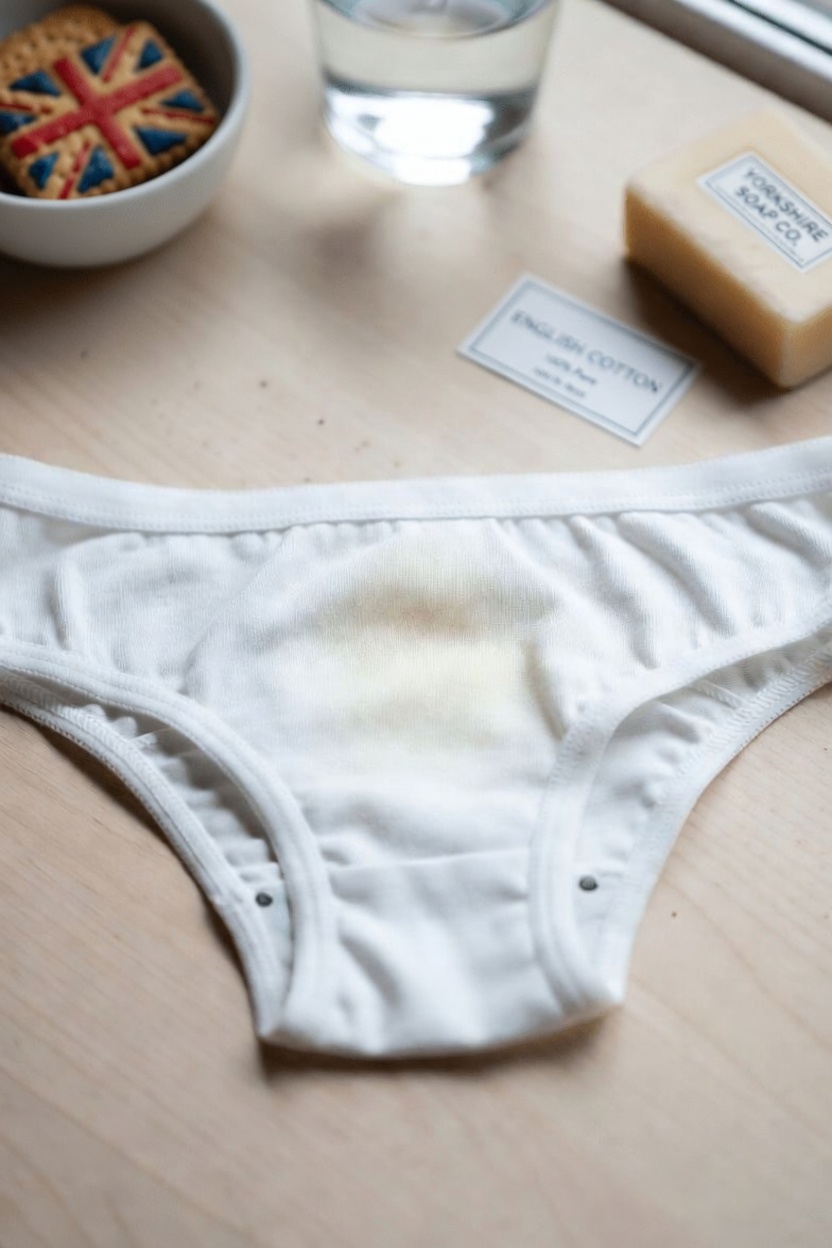
- Choose 100% cotton underwear whenever possible to allow better air circulation.
- Limit wearing tight synthetic fabrics (like certain leggings or shapewear) for long periods.
- Opt for loose, breathable sleepwear at night so the area can stay dry and ventilated.
- Change out of sweaty workout clothes and wet swimsuits as soon as you can.
These small habits can reduce irritation, excess moisture, and the risk of imbalances that may change your discharge.
Vaginal Discharge at Different Life Stages
Discharge also changes naturally across the different phases of life.
- Adolescence: In the preteen and teenage years, discharge often appears before menstruation begins. It is one of the first signs that the body is moving into puberty and preparing for fertility.
- Reproductive years: During your regular menstruating years, discharge often follows clear cyclical patterns linked to your period and ovulation.
- During menstruation: Discharge mixes with menstrual blood, which can look darker and may have a stronger smell. This is typically temporary and normal.
- Perimenopause and menopause: As estrogen levels decline, many women notice less discharge and increased vaginal dryness. This is a common stage‑of‑life change and can be managed with support from a healthcare provider if it causes discomfort.
Understanding what is typical for each phase can reduce fear and help you respond to changes with informed calm rather than worry.

Practical Tips You Can Start Using Today
If you want to feel more in control of your vaginal health and discharge patterns, these simple, practical steps fit into almost any routine:
- Track changes briefly: Use a private note on your phone or a period‑tracking app to record discharge characteristics once or twice a week. Patterns become clear surprisingly quickly.
- Use gentle cleansers only externally: Choose unscented, mild products and avoid internal washes altogether.
- Support your body from the inside:
- Drink enough water throughout the day.
- Include probiotic‑rich foods (such as yogurt, kefir, or fermented foods) if they suit your diet.
- Manage stress where possible: Light exercise, walking outdoors, deep breathing, or short relaxation breaks can help stabilize hormones.
- Keep up with routine check‑ups: Regular visits to a healthcare provider, even when you feel fine, make it easier to catch potential issues early and get reliable advice.
When you combine these habits with a basic understanding of what is normal for you, worries about discharge often decrease and confidence grows.
Learning to Trust Your Body’s Signals
One of the most valuable skills you can develop is simply paying calm, consistent attention to your own body. Over time, you will learn what your “normal” looks and feels like.
Key reminders:
- Notice changes, but try not to obsess over every small variation.
- If something feels off, painful, or lasts longer than usual, reach out to a healthcare professional.
- Asking questions and seeking help is a smart form of self‑care, not something to feel embarrassed about.
Your body sends you information every day—vaginal discharge is one of those signals. Listening to it with curiosity instead of fear is empowering.
Final Thoughts
Vaginal discharge is not something to hide or be ashamed of. It is a natural, ongoing indicator of your body’s internal balance and rhythms. By understanding common patterns, recognizing when something may need attention, and adopting gentle, supportive habits, you can move from anxiety to confidence.
Sharing accurate information about vaginal health helps reduce stigma and allows more women to feel informed, respected, and comfortable in their own bodies.
Frequently Asked Questions
Is it normal for vaginal discharge to change throughout the month?
Yes. Fluctuations in discharge are usually linked to hormonal changes and different stages of your menstrual cycle. Most women notice clearer, stretchier discharge around ovulation and thicker or creamier discharge at other times. Over time, you can learn your own personal pattern.
What should I do if my discharge suddenly has a strong odor?
A sudden, strong, or unusual smell is worth paying attention to. If the odor:
- Lasts more than a couple of days
- Comes with itching, burning, pain, or unusual color
then it is wise to contact a healthcare professional. They can check for infections such as bacterial vaginosis or sexually transmitted infections and recommend appropriate treatment if needed.
How often should I see a doctor about discharge?
You do not need to see a doctor for every small change, but you should consider an appointment if:
- A new symptom lasts more than a week
- You experience pain, discomfort, or persistent itching
- Discharge becomes green, yellow, gray, or frothy
- You are worried or unsure about what you are seeing
In addition, routine annual check‑ups or pelvic exams (as recommended for your age and history) are a proactive way to support your overall reproductive health.
Disclaimer
This guide is for general educational purposes only and is not a substitute for professional medical advice, diagnosis, or treatment. Always consult a qualified healthcare provider with any questions you have about your health, symptoms, or medical condition, and never ignore or delay seeking medical advice because of something you have read here.