Vitamins and Supplements That May Affect Liver and Kidney Health
Many people use vitamins and dietary supplements to improve overall wellness. However, products intended to support health can sometimes create unexpected issues for important organs such as the liver and kidneys. That can be especially discouraging if you are already coping with stress, ongoing health concerns, or a complicated daily routine.
The encouraging news is that learning how supplements interact with the body can help you make safer, smarter choices. And there is an important takeaway ahead: one simple shift in how you use supplements may completely change your routine for the better.
How Supplements Influence Liver and Kidney Function
The liver and kidneys are essential for processing and removing substances from the body, including ingredients found in supplements. When used in appropriate amounts, many vitamins can be beneficial. But large doses, long-term overuse, or certain combinations may place extra strain on these organs.
Scientific findings show that too much of some nutrients can lead to accumulation, irritation, or inflammation in the liver and kidneys. This becomes even more important for people who already have liver or kidney problems or who take several supplements at the same time.
Fat-soluble vitamins and water-soluble vitamins are also handled differently by the body. Fat-soluble vitamins can remain in the system longer and may build up over time, which increases the need for careful monitoring.
Main Factors That Affect Supplement Safety
Whether a supplement is safe depends on more than just the label. Several factors can influence the risk.
- Dose matters most: Recommended daily limits exist for a reason.
- Personal health status matters: Age, genetics, existing conditions, and medications can all change how your body responds.
- Organ function matters: People with reduced liver or kidney function may be more vulnerable to side effects.
- Natural does not always mean harmless: Herbal products can act much like medications and may produce unwanted interactions.
For that reason, it is always wise to speak with a healthcare professional before adding a new supplement to your routine.
9 Vitamins and Supplements to Use With Caution
Below are nine commonly used products that may affect liver or kidney health when taken improperly. The goal is not to avoid them completely, but to use them carefully and appropriately.
1. Vitamin A
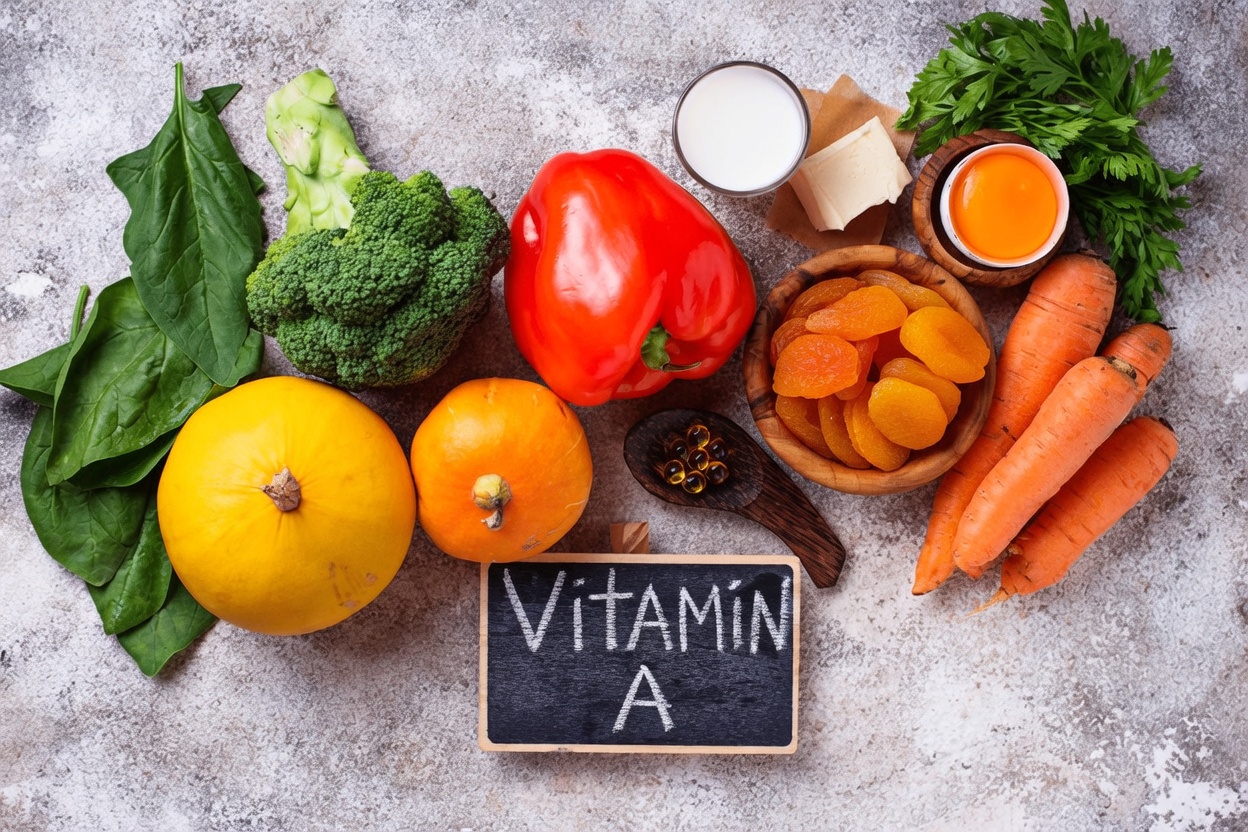
Vitamin A is important for vision, immune health, and normal cell function. But when taken in high amounts from supplements, especially in retinol form, it can build up in the liver. Over time, that excess may contribute to liver irritation or inflammation.
Research suggests that intake above 3,000 micrograms per day from retinol-based supplements may increase the risk.
Smarter approach:
- Choose food sources such as carrots and sweet potatoes
- Consider beta-carotene from foods, which the body converts as needed
- If you use a supplement, stay within recommended limits
- Follow your doctor’s advice on blood monitoring if needed
2. Vitamin D
Vitamin D is widely known for supporting bone strength and immune function. Still, too much can raise calcium levels in the blood, which may place stress on the kidneys and increase the risk of kidney stones.
In general, studies suggest staying below 4,000 IU per day unless a healthcare provider recommends a higher amount.
Safer strategy:
- Get moderate sun exposure when possible
- Add dietary sources like salmon and other fatty fish
- If supplementing, have vitamin D levels checked regularly
3. Niacin (Vitamin B3)
Niacin helps the body turn food into energy, and some people take high doses for cholesterol management. However, large supplemental amounts have been linked to changes in liver enzymes, especially with sustained-release formulations.
Clinical reviews suggest that doses over 2,000 mg per day may pose risks to liver health.
What to do instead:
- Emphasize food sources such as turkey, peanuts, and mushrooms
- Use supplements only when medically appropriate
- Start with lower doses and review them with a healthcare provider
4. Iron
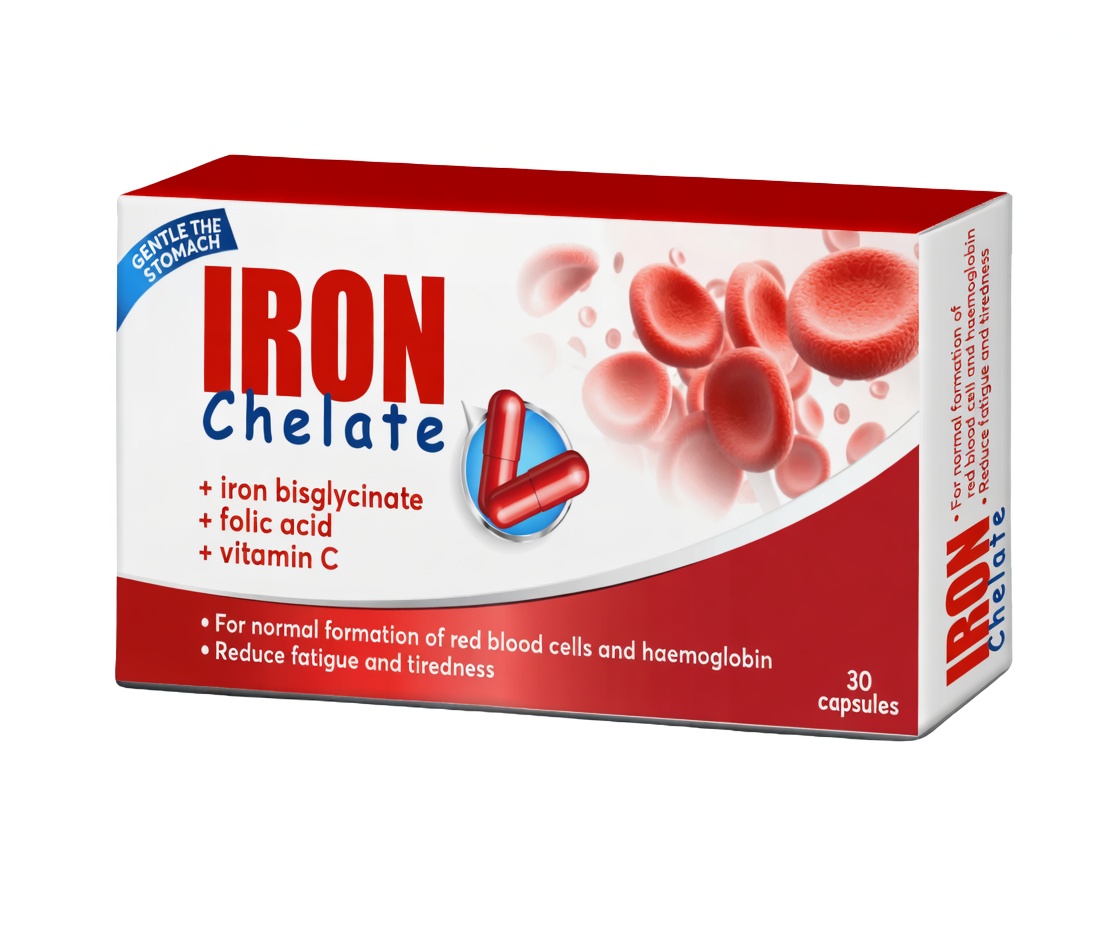
Iron is essential for carrying oxygen throughout the body, but supplementation is not appropriate for everyone. In people who are not deficient, excess iron can accumulate and contribute to oxidative stress, including stress on the liver.
Research indicates that unnecessary high-dose iron supplementation may damage tissues over time.
Best practice:
- Only take iron if testing confirms deficiency
- Include iron-rich foods like spinach, beans, or lean red meat
- Pair plant-based iron with vitamin C to improve absorption
5. Calcium
Calcium is critical for bone health, but high supplemental intake may increase the burden on the kidneys. In some cases, it may contribute to kidney stone formation, especially when combined with excessive vitamin D.
Studies suggest that more than 1,200 mg daily from supplements may be problematic for some individuals.
Helpful tips:
- Prioritize calcium from foods such as yogurt, milk, kale, and other leafy greens
- If using supplements, divide the dose instead of taking it all at once
- Stay well hydrated
6. Green Tea Extract
Green tea extract is often used for its antioxidant compounds, but concentrated products can be much stronger than brewed tea. At high doses, catechins such as EGCG may affect liver cells and raise liver enzyme levels.
Health data have linked amounts above 800 mg EGCG to increased concern.
Safer option:
- Drink regular brewed green tea instead
- If using extract, keep doses modest, ideally under 300 mg daily
7. Turmeric (Curcumin)
Turmeric is popular for its anti-inflammatory properties, and curcumin supplements are widely marketed. While many people tolerate it well, high-dose products may stress the liver in sensitive individuals, especially enhanced-absorption formulas.
Reports suggest that liver-related side effects are possible in some users.
A balanced approach:
- Use turmeric naturally in cooking
- Choose reputable, tested supplement brands
- Avoid excessive daily intake unless guided by a professional
8. Ashwagandha
Ashwagandha is commonly used for stress support and is often described as an adaptogen. However, case reports have linked it to liver-related issues in some people. Higher doses may trigger reactions that affect liver function.
Emerging evidence suggests this herb deserves careful use.
How to reduce risk:
- Avoid taking it continuously without breaks
- Pay attention to symptoms such as fatigue, nausea, or jaundice
- Ask a healthcare professional about the right dose for your needs
9. Kava
Kava is used for relaxation and stress relief, but it has long been associated with liver toxicity concerns. Its active compounds, called kavalactones, may contribute to liver damage in susceptible users.
Some countries have restricted or banned kava products because of these risks.
Lower-risk alternative:
- Try gentler options such as chamomile tea
- Avoid kava entirely if you have liver concerns or use other liver-metabolized products
Vitamins vs. Herbal Supplements: A Quick Comparison
The table below summarizes the main concerns, general daily limits, and food-based alternatives.
| Supplement | Primary Organ Concern | General Safe Daily Limit | Food or Lifestyle Alternative |
|---|---|---|---|
| Vitamin A | Liver | 3,000 mcg | Carrots, sweet potatoes |
| Vitamin D | Kidneys | 4,000 IU | Salmon, sunlight |
| Niacin | Liver | 35 mg | Chicken, mushrooms |
| Iron | Liver | 45 mg unless deficient | Beans, red meat |
| Calcium | Kidneys | 1,200 mg from supplements | Yogurt, kale |
| Green Tea Extract | Liver | 300 mg EGCG | Brewed green tea |
| Turmeric | Liver | 500 mg curcumin | Turmeric in meals |
| Ashwagandha | Liver | 300 to 600 mg | Stress-management habits |
| Kava | Liver | Avoid high doses | Herbal teas such as valerian or chamomile |
This comparison makes one point clear: the source, amount, and duration of use all matter.
Practical Ways to Protect Your Liver and Kidneys
If you use supplements, there are several simple steps that can help reduce potential harm.
-
Talk to a healthcare professional first
- This is especially important if you have liver disease, kidney issues, or take prescription medications.
-
Track your total intake
- Use a journal or app to record everything you take.
- Watch for overlapping ingredients in multivitamins, powders, and capsules.
-
Avoid megadosing
- More is not always better.
- Follow label directions unless your doctor advises otherwise.
-
Choose quality-tested products
- Look for third-party testing to reduce the risk of contamination or inaccurate labeling.
-
Get regular lab work when appropriate
- Blood tests can help identify early signs of liver stress or reduced kidney function.
-
Focus on food first
- Whole foods often provide nutrients in safer, more balanced forms.
An Important Tip That Can Change Your Supplement Routine
One of the most valuable strategies is surprisingly simple: do not take supplements automatically just because they are popular. Instead, use them based on actual need.
That means checking your diet, reviewing symptoms carefully, and using blood tests when necessary. In many cases, targeted supplementation is safer and more effective than taking multiple products without a clear reason.
This single shift—from routine use to evidence-based use—can make a major difference for long-term health.
Long-Term Supplement Use: What Else to Keep in Mind
If you take supplements for months or years, periodic review is essential. Some herbs and nutrients may be better used in cycles rather than continuously, especially if there is a risk of buildup or organ stress.
Hydration also plays a key role in kidney health. Drinking enough water each day helps support normal filtration and waste removal. For many people, aiming for about 8 glasses daily is a practical starting point, though individual needs may vary.
Supplements can support a healthy lifestyle, but they are not shortcuts or substitutes for balanced habits.
Final Thoughts
Vitamins and supplements can offer real benefits, but they should be used with awareness and care. The liver and kidneys work hard to process what you consume, and excessive or unnecessary supplementation may create avoidable risks.
By choosing products carefully, staying within recommended amounts, relying more on food, and seeking professional guidance when needed, you can support your health while protecting these vital organs. Informed choices are what make supplementation truly beneficial.