Baking Soda for Skin: Benefits, Risks, and the Safest Way to Try It
Most people see gradual changes in their skin over the years. It may not feel as soft as it once did, or it can start looking dull after stress, sun exposure, or long days with too little rest. When those small changes become more noticeable, it is natural to look for a simple, affordable solution—especially one already sitting in your kitchen.
That is one reason DIY skincare keeps gaining attention online. Social media is packed with home remedies that promise brighter, smoother-looking skin using basic household ingredients. Among the most talked-about options, baking soda appears again and again. Still, before adding it to your routine, it is important to understand what it can actually do, where the risks come in, and how to approach it carefully.
Why Baking Soda Became a Popular Skincare Trend
Baking soda, also known as sodium bicarbonate, is commonly used in cooking, cleaning, and odor control. More recently, it has become part of online beauty discussions, with many people using it in homemade scrubs or face masks to improve skin texture or reduce excess oil.
Its popularity is easy to understand:
- It is inexpensive
- It is widely available
- It has a fine, gritty texture that can feel exfoliating
- It gives the impression of an instant skin refresh
However, much of the excitement around baking soda in skincare comes from personal experiences rather than strong clinical evidence. While some users report smoother skin after trying it, dermatologists often remind people that not every natural or household ingredient is automatically safe for facial use.
Understanding Skin pH: Why Balance Matters
Your skin has a protective outer layer known as the acid mantle. This barrier usually has a pH between 4.5 and 5.5, which means it is slightly acidic. That acidic environment helps your skin retain moisture and defend itself against irritation and harmful bacteria.
Baking soda is very different. Its pH is around 9, making it alkaline.
This difference matters. When you put a highly alkaline substance on the skin, it can temporarily disturb the skin’s natural balance. Some people like the way their skin feels afterward because the texture can create a polished, freshly exfoliated effect. But that smoother feeling does not always mean the skin is healthier.
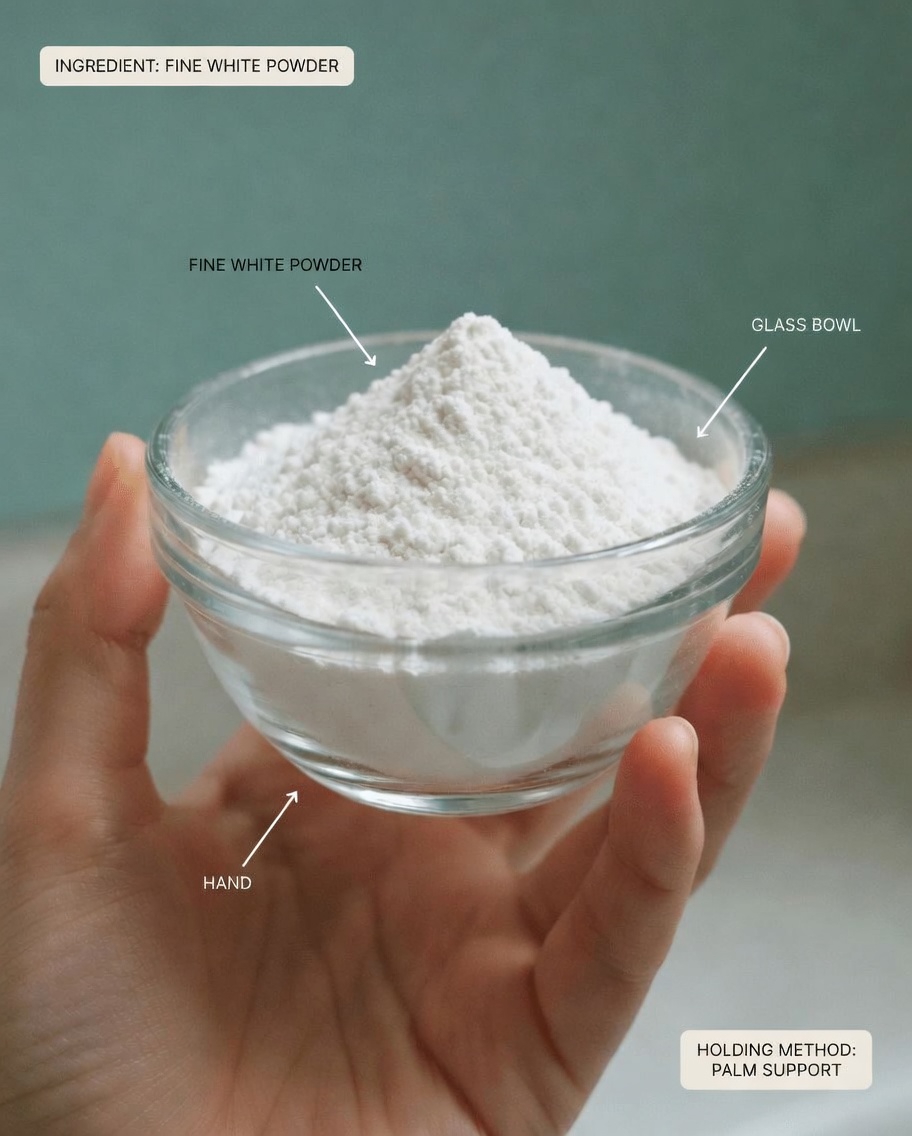
Research has looked at sodium bicarbonate in specific dermatology-related settings, including certain controlled uses for dryness or minor irritation. Still, that is not the same as recommending it as a regular facial treatment. For everyday skincare, many experts suggest being cautious.
The biggest takeaway is simple: short-term use may seem beneficial for some people, but overuse can leave the skin dry, tight, or more reactive over time.
Possible Benefits of Baking Soda for Skin
Baking soda is not a miracle ingredient, and the results are far from universal. Skin type, frequency of use, and the rest of your routine all affect how your skin responds. That said, people who try it sometimes mention a few potential benefits.
1. Mild Exfoliation
Because of its fine texture, baking soda can act as a physical exfoliant. It may help remove surface dead skin cells and leave the skin looking temporarily smoother.
2. Oil Control
Some users say it helps reduce visible shine, especially in oily areas such as the forehead, nose, and chin.
3. Relief in Limited Situations
When heavily diluted, baking soda is sometimes used outside facial care for minor discomfort from dry patches, bug bites, or mild irritation. These uses are typically very specific and should always involve proper dilution.
A 2024 review in integrative dermatology suggested that sodium bicarbonate may have a supportive role in certain situations when used with professional guidance. Even so, this does not mean it is ideal for routine face care.
It is also worth remembering that any quick “glow” people notice is usually related to surface exfoliation, not a deep anti-aging effect. Long-term skin appearance is influenced far more by:
- Genetics
- Sleep quality
- Diet
- Stress levels
- Daily sun protection
- Consistent skincare habits
The Risks: Why Experts Often Recommend Caution
This is the part many viral skincare videos overlook: baking soda can be irritating, especially when used too often or on the wrong skin type.
Dermatologists frequently warn about these possible side effects:
- Dryness after application
- Tight or uncomfortable skin
- Redness
- Mild stinging or irritation
- Barrier disruption
- Possible breakouts if the skin’s balance is thrown off
Sources such as Healthline and dermatology experts often note that occasional, limited use may not be harmful for everyone, but washing the face with baking soda regularly is not considered a gentle or ideal daily practice.
Baking Soda vs. Gentle Exfoliants
To understand why many professionals prefer formulated skincare products, it helps to compare baking soda with traditional exfoliants.
| Aspect | Baking Soda | Gentle Exfoliants (Lactic Acid, Enzyme Cleansers) |
|---|---|---|
| pH Level | Alkaline, around 9 | Usually closer to the skin’s natural pH |
| Exfoliation Type | Physical, gritty texture | Chemical or enzymatic, often smoother |
| Safe Frequency | Usually no more than 1-2 times weekly | Some formulas are suitable for more regular use |
| Best Use | Occasional spot use or limited experimentation | More consistent skincare routines |
| Irritation Risk | Higher when overused | Often lower when properly formulated |
This comparison shows why many people eventually move toward dermatologist-approved products for long-term skincare support.
How to Try Baking Soda on Skin Safely
If you are still curious about baking soda as a DIY skincare option, moderation is essential. A careful approach can help reduce the chance of irritation.
Step 1: Patch Test First
Before applying anything to your face, test it on a small area such as:
- The inside of your wrist
- Behind your ear
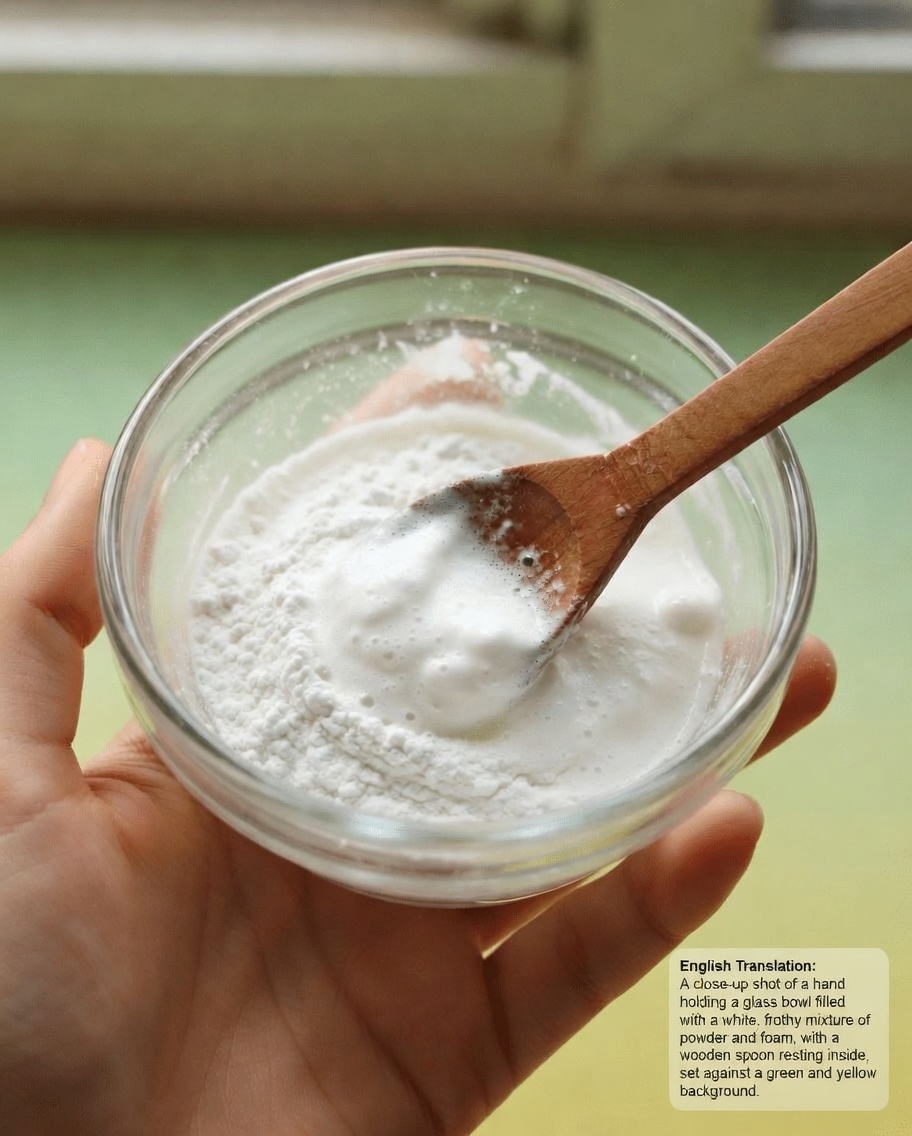
Mix a very small amount of baking soda with water into a paste, apply a tiny dab, and wait 24 hours. If you notice redness, itching, burning, or dryness, do not use it on your face.
Step 2: Use a Very Diluted Mixture
Never apply dry baking soda directly from the box to your skin. Start with a mild blend, such as:
- 1 teaspoon baking soda
- 2 to 3 tablespoons water
Some people prefer mixing it with a gentle cleanser instead of plain water.
Step 3: Apply Gently
On clean, damp skin:
- Use a small amount of the diluted mixture
- Massage lightly in small circular motions
- Limit contact to 30 to 60 seconds
- Avoid the eye area completely
- Rinse well with lukewarm water
Do not scrub aggressively. More pressure does not mean better results.
Step 4: Moisturize Right Away
After rinsing, gently pat your skin dry and apply a fragrance-free moisturizer. This helps restore hydration and support the skin barrier.
Step 5: Keep Frequency Low
For most people, once or twice a week is the absolute maximum. If your skin feels irritated, dry, or overly tight, stop immediately.
The most important point is this: baking soda is not the real secret to better skin. If you choose to test it, the best results come from combining that experiment with a solid everyday routine that includes cleansing, moisturizing, and sunscreen.
Daily Habits That Matter More Than DIY Trends
While baking soda may interest some people as an occasional treatment, healthy-looking skin usually depends much more on consistent habits than on viral remedies.
Here are the basics that make the biggest difference:
- Drink enough water throughout the day
- Eat antioxidant-rich foods such as berries, leafy greens, and colorful vegetables
- Choose non-comedogenic products if you tend to break out
- Get enough sleep so your skin can recover overnight
- Wear broad-spectrum SPF 30 or higher every day
- Use gentle skincare products that support your skin barrier
These steps are simple, practical, and far more reliable than most quick-fix beauty hacks.
Final Thoughts: Should You Use Baking Soda in Your Skincare Routine?
Baking soda is affordable, easy to find, and appealing to people who like home skincare remedies. In the right context, it may provide mild exfoliation and a temporary smoother feel. Still, expert opinion remains fairly consistent: it is better treated as an occasional add-on, not a daily skincare essential.
If you decide to try it, do so carefully, use only a diluted amount, and pay close attention to how your skin reacts. In most cases, gentle, pH-balanced skincare products will be a safer and more effective choice for long-term results.
FAQ
1. Can baking soda make skin look smoother overnight?
It may leave the skin feeling smoother for a short time because it exfoliates the surface. However, this effect is temporary and does not replace a complete skincare routine.
2. What do dermatologists usually recommend instead?
Most dermatologists suggest using products designed to match the skin’s natural pH, such as mild cleansers, enzyme cleansers, or chemical exfoliants like lactic acid. Patch-testing new products is always a smart idea.
3. Is baking soda safe for every skin type?
No. People with sensitive, dry, reactive, or eczema-prone skin may find it too harsh. If you are unsure, it is best to ask a qualified dermatologist before trying it.
Disclaimer
This article is for informational purposes only and should not be considered medical advice. Skincare results vary from person to person, and a remedy that works for one individual may not be suitable for another. Speak with a licensed healthcare provider or dermatologist before trying any new home treatment, especially if you have an existing skin condition.