Tired, Strained Eyes After Long Days?
After hours of staring at screens, it is common to rub your eyes and still feel the same lingering tension. What used to be a minor annoyance can start to affect everyday moments, from reading small print on packaging to driving when the light begins to fade. Mild blur, increased glare, and a heavy feeling around the eyes often become more noticeable when stress, fatigue, and digital overload build up.
Many people start looking for simple, low-effort ways to support eye comfort without completely changing their lifestyle. One lesser-known herb, long referenced in traditional practices, has drawn interest for that reason. Used carefully and with proper guidance, Euphorbia hirta may offer clues worth examining. The safest and most practical ways to approach it are covered later in this article.
What Is Euphorbia Hirta?
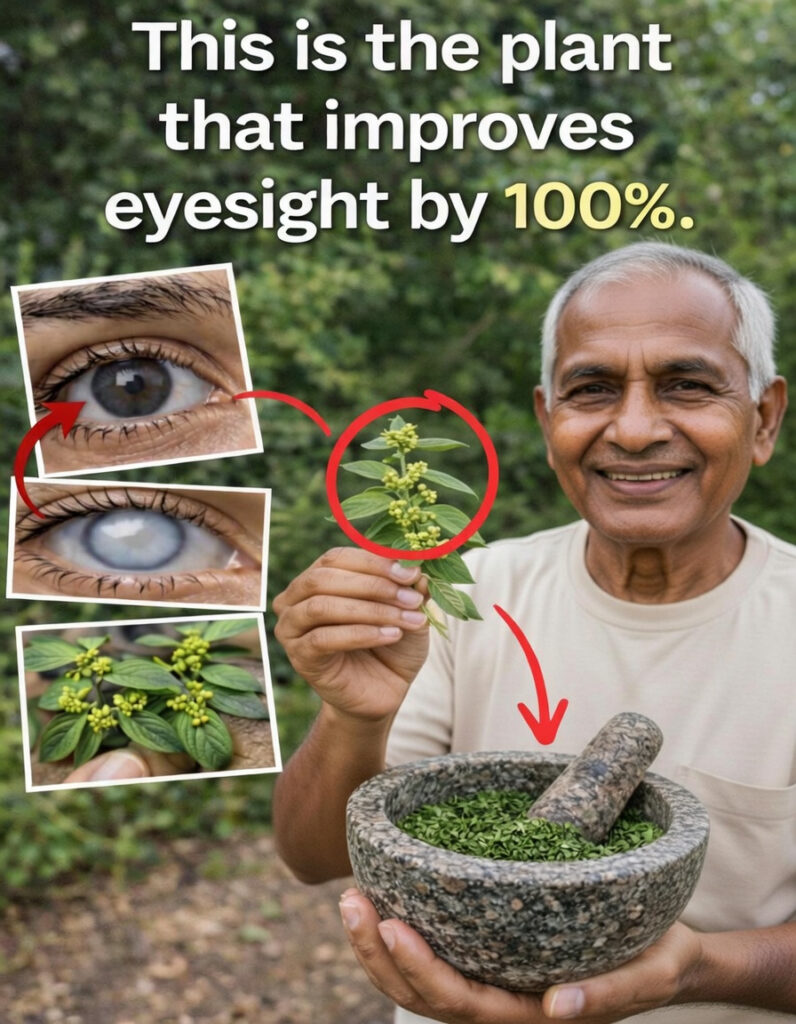
Euphorbia hirta is a small herb that grows in many warm regions around the world. It usually has tiny green leaves, small clustered flowers, and a white milky latex that appears when the stem is cut or damaged. It is widely known by names such as asthma plant, tawa-tawa, and dugdhika.
Historically, the plant became better known for traditional respiratory uses, but ethnobotanical records also mention it in relation to other everyday health concerns.
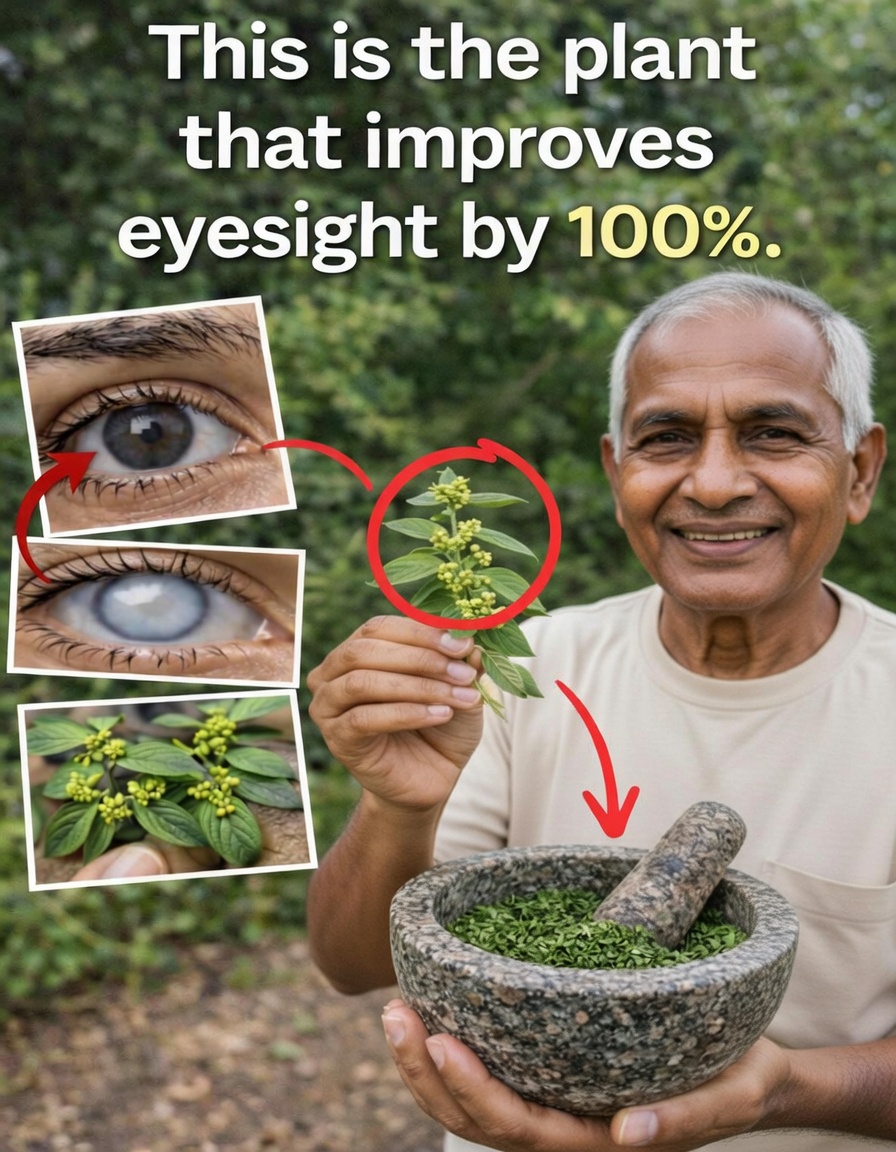
Its connection to eye wellness is especially intriguing. In some folk traditions, carefully prepared external applications were used around the eyes to ease minor discomfort. However, modern safety awareness is clear on one point: the milky sap can be irritating, especially to sensitive eye tissue.
So should this plant ever be used near the eyes? Only with great care, in properly prepared forms, and never as raw sap. Professional advice should always come first.
Traditional Uses for Eye Discomfort
In parts of Asia, Africa, and Latin America, Euphorbia hirta has appeared in traditional remedies intended to relieve mild eye irritation. These practices were shaped by community knowledge and repeated observation rather than modern clinical testing.
Commonly reported folk uses include:
- Lightly diluted stem sap placed on the lower eyelid for small sores or stye-like issues
- Warm leaf poultices applied externally to help reduce redness or puffiness
- Juice-based preparations used in certain West African traditions for general eye comfort
These uses were often associated with the plant’s traditional reputation for soothing and antimicrobial support. Still, they remain part of oral tradition and local healing culture. There is no strong human evidence showing major improvements in vision clarity from these methods.
It is easy to picture a rural household preparing a warm leaf compress after a long, dusty day. Traditional users often described the experience as cooling and calming. Even so, such accounts come from a time before modern hygiene and safety standards, which is why caution matters.
What Research Suggests About Eye Protection
Scientists have started to investigate Euphorbia hirta extracts under controlled conditions. A frequently cited 2013 animal study explored how the extract performed against naphthalene-induced cataracts in rats, a research model used to study oxidative stress in the lens.
The findings suggested that the extract may have slowed both the onset and development of lens clouding. Researchers believe that compounds such as flavonoids and tannins may have contributed by helping reduce free-radical damage.
This is where an important distinction must be made: these results came from laboratory and animal research only. Human studies are still limited, and no strong conclusions can be made for everyday use in people. Even so, the plant’s antioxidant profile continues to attract attention in herbal wellness discussions.
Possible Relief for Daily Eye Strain
Modern life puts the eyes under constant pressure. Long hours on computers, dry indoor air, and prolonged concentration can leave the eyes feeling irritated, tired, or tense. In wellness circles, some people describe mild relief from carefully prepared compresses or cooled herbal infusions used only around the closed eyes, never dropped directly into them.
Laboratory studies indicating anti-inflammatory activity may help explain why some external uses feel soothing when done correctly. People who used reliable, guided preparations have sometimes reported less discomfort linked to screen fatigue after several weeks of consistent use.

For most people, however, the greatest benefit comes from using herbal support alongside proven habits, not instead of them. The classic 20-20-20 rule remains one of the simplest and most effective tools: every 20 minutes, look at something 20 feet away for 20 seconds.
Antioxidant Support and Long-Term Eye Wellness
The eyes are exposed daily to stress from blue light, ultraviolet rays, pollution, and general oxidative wear. Over time, that burden can affect comfort and possibly contribute to age-related changes. Euphorbia hirta contains plant compounds that have demonstrated antioxidant activity in test-tube and animal research.
This does not mean the herb can prevent eye disease on its own. But it may suggest a supportive role in helping the body manage the normal stressors of modern living. Broader herbal literature sometimes groups plants like this among those with potential lens-protective properties, though human evidence remains modest.
For many people, the appeal lies in the idea of adding another layer of support to an already eye-friendly routine.
Inflammation, Surface Comfort, and Sensitive Eyes
Minor eye discomfort is often linked to inflammation triggered by fatigue, air quality, allergens, or excessive screen use. Research models have pointed to Euphorbia hirta as a plant with anti-inflammatory potential.
When used safely in external preparations, some individuals report that their eyes feel calmer and less irritated. This aligns with the way other soothing herbs are sometimes used for surface comfort.
Consider the example of Maria, a 62-year-old office worker dealing with dryness and strain after long days in front of a computer. After consulting her eye doctor, she added physician-approved herbal compresses, including carefully sourced Euphorbia hirta preparations, to her routine. Within a few weeks, she noticed less discomfort and a more relaxed feeling in her eyes. It was not a dramatic cure, but it was enough to help her stay consistent with healthy habits.
Whole-Body Wellness Also Matters
Eye comfort is closely connected to overall health. When the body is run down, tired, or inflamed, the eyes often feel it too. Euphorbia hirta has also been used traditionally for respiratory and general wellness support, which may indirectly help people feel less fatigued and more focused.
Some users report better concentration not because the herb directly sharpens vision, but because they feel more balanced overall. This broader, holistic appeal is one reason the plant remains of interest. It works best as part of a bigger lifestyle strategy rather than as a standalone answer.
A Practical Addition to a Modern Eye-Care Routine
When used thoughtfully through herbal teas, external compresses, or reputable supplements, Euphorbia hirta may complement everyday eye-care habits. It fits best alongside basics such as:
- Eating nutrient-rich foods
- Taking regular screen breaks
- Staying well hydrated
- Getting routine eye checkups
It is not a replacement for medical care, especially when dealing with infections, worsening vision, or ongoing irritation. Its most realistic role is as a supportive option aimed at comfort and gentle wellness.
Traditional Uses vs. Scientific Clues
The table below helps separate long-standing folklore from emerging research while keeping safety front and center.
| Aspect | Traditional or Folk Use | Scientific Clues | Caution |
|---|---|---|---|
| Eye sores or styes | Sap or leaf preparation applied to eyelids | Antibacterial activity has been observed | Raw sap may irritate; avoid direct application |
| Conjunctivitis | Mentioned in ethnobotanical traditions | Anti-inflammatory effects noted in studies | No clinical proof; seek medical advice for infections |
| Cataract support | Not a classic folk use, but studied in models | Rat research showed delayed lens opacity | Animal data only; not confirmed in humans |
| General soothing | Compresses used for tired eyes | Antioxidant and calming compounds identified | External use only; patch test first |

How to Explore Euphorbia Hirta Safely
One rule is non-negotiable: never place raw sap or fresh juice directly into the eyes. Doing so may cause significant irritation or more serious harm. If this plant is explored at all, it should be done cautiously and only in external forms.
A safer step-by-step approach includes:
-
Talk to an eye-care professional first
- Get an updated eye exam
- Discuss any herbal products you are considering
-
Choose quality-controlled products
- Use tested, reputable sources only
- Avoid raw, wild-harvested plant material unless advised by a qualified expert
-
Try a warm leaf compress
- Wash fresh or dried leaves thoroughly
- Warm them gently in clean water
- Place over closed eyelids for 5 to 10 minutes
-
Consider a cooled herbal infusion
- Steep a small amount
- Strain it very well
- Use only as an external rinse if approved by your practitioner
-
Monitor your response
- Keep a simple journal
- Note comfort, dryness, strain, or irritation each week
-
Stick with the basics
- Eat leafy greens, carrots, and other nutrient-dense foods
- Limit continuous screen time
- Drink enough water throughout the day
It is natural to hope for sharper vision fast, but the more realistic goal is gentle support, improved comfort, and long-term prevention. Safety should always come before experimentation.
Final Thoughts
Euphorbia hirta has a long traditional history and some early scientific promise, especially in areas related to antioxidant and anti-inflammatory activity. That said, the gap between folk use and proven clinical benefit is still significant.
For people interested in natural eye support, this herb may be worth considering only in carefully prepared, externally used forms and always with professional guidance. The most effective strategy remains a balanced one: combine informed herbal exploration with evidence-based eye-care habits for the best chance of lasting comfort.