
7 Warning Signs of Throat Cancer You Should Not Ignore
Many people dismiss a persistent sore throat as a minor seasonal issue, much like a cold or irritation caused by dry air. However, when throat-related discomfort lasts longer than expected, it can raise understandable concerns about whether something more serious may be happening. Overlooking ongoing symptoms can delay reassurance, diagnosis, and proper care. By understanding the most commonly reported warning signs, you can take a more proactive approach to your health and recognize when it may be time to speak with a doctor. One symptom in particular—often mistaken for a simple ear problem—may be more important than many realize.
What Is Throat Cancer?
Throat cancer is a term used for abnormal cell growth that develops in parts of the throat, including the pharynx, larynx, and tonsils. General medical research often connects it with risk factors such as:
- Tobacco use
- Heavy alcohol consumption
- Certain viral infections
These risks may build gradually over time, which is why awareness matters. Recognizing possible symptoms early can help you respond more confidently and seek medical advice without delay.
Why Early Awareness Matters
Paying attention to changes in your body does not mean trying to diagnose yourself. Instead, it means noticing patterns and taking persistent symptoms seriously. Health organizations consistently emphasize that early attention to unusual changes can support more timely medical evaluation.
Your throat plays a central role in breathing, speaking, and swallowing. When something consistently disrupts these basic functions, it deserves attention.
Below are seven signs frequently associated with throat cancer that should not be ignored.

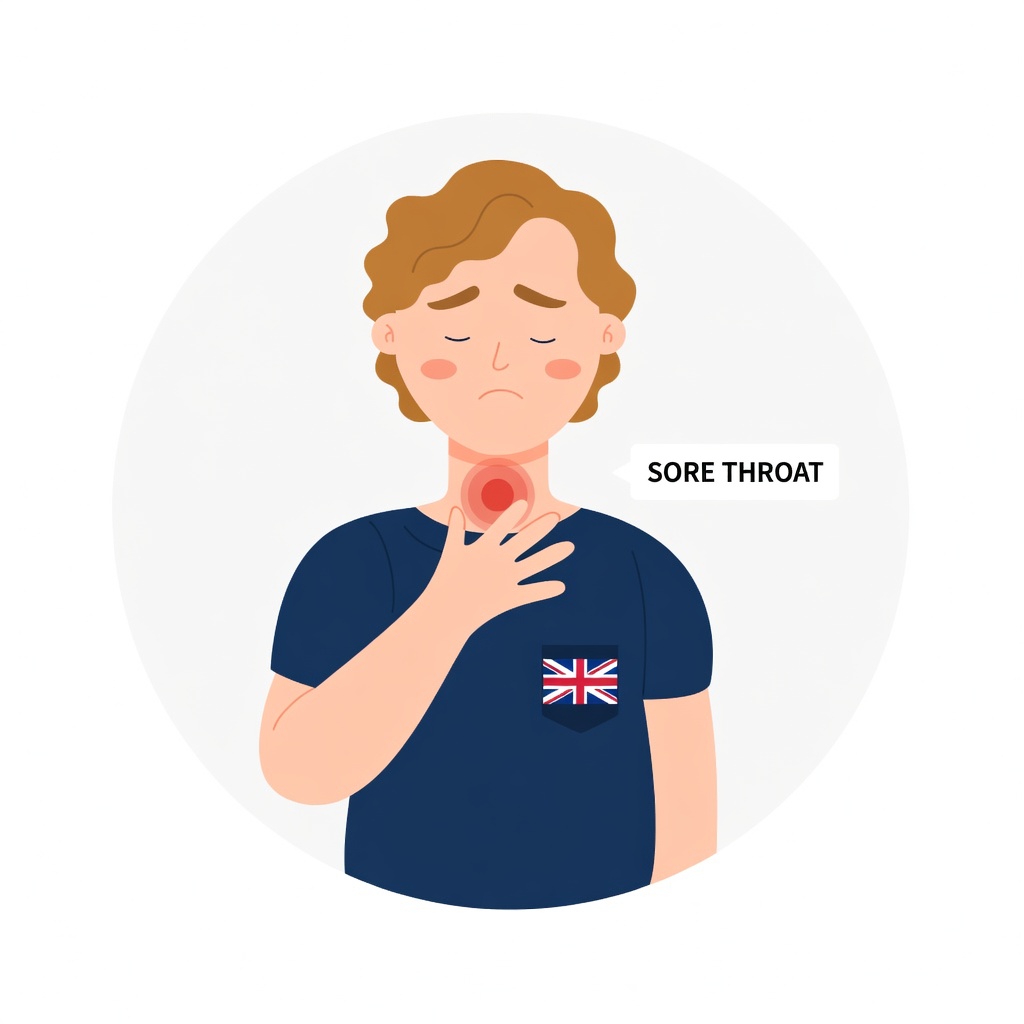
1. A Sore Throat That Does Not Go Away
One of the most widely recognized warning signs is a sore throat that lingers for weeks. Unlike the discomfort that comes with a cold or mild infection, this type of irritation does not improve within the usual one- to two-week period.
Persistent throat pain may be related to ongoing tissue irritation. If this is happening, it is helpful to keep track of how long the symptom lasts and whether anything seems to make it worse.
A practical step is to keep a symptom journal. Write down:
- When the soreness began
- Whether it changes during the day
- Possible triggers such as weather, food, or speaking
This information can be useful when discussing your symptoms with a healthcare professional.
2. Hoarseness or Ongoing Voice Changes
If your voice sounds rough, weak, or unusually raspy for more than a couple of weeks, it is worth paying attention. Lasting hoarseness can happen when the vocal cords are affected, making speaking feel strained or less natural.
People who rely heavily on their voice, such as teachers, singers, or presenters, may notice this symptom early. Voice rest and hydration may help if the cause is temporary, but if the problem continues, it should be checked.
Helpful steps include:
- Speak less when possible
- Drink enough water throughout the day
- Consider recording your voice changes to describe them clearly during a medical visit
Even small observations can make a big difference in recognizing a concerning pattern.
3. Trouble Swallowing
Difficulty swallowing is another important symptom. Some people describe it as the sensation of food getting stuck or feeling as though there is a lump in the throat. In some cases, even swallowing saliva may become uncomfortable.
This may happen when the throat passage becomes irritated or narrowed. Because it can interfere with eating, it may gradually lead people to avoid certain foods without immediately realizing why.
You may want to monitor:
- Whether solids are harder to swallow than liquids
- If the discomfort is getting worse over time
- Whether meals have become slower or more uncomfortable
Choosing softer foods temporarily and eating slowly may make meals easier, but ongoing swallowing problems should always be evaluated.
4. Ear Pain With No Clear Ear Problem
Ear pain may seem unrelated to the throat, but it can sometimes be connected. Persistent pain in one ear, especially when there is no obvious infection or ear condition, may actually be referred pain coming from the throat.
This occurs because the ear and throat share nerve pathways. As a result, a throat issue can create discomfort that feels as though it is coming from the ear itself. Because of this, many people overlook the symptom or assume it is minor.
A simple self-check is to notice whether the pain seems linked with discomfort in the neck or jaw. While this does not replace a medical evaluation, it may help you recognize that the issue is not necessarily limited to the ear.
This is also the symptom many people find most surprising, because it is often dismissed as an everyday earache.
5. A Lump or Swelling in the Neck
A noticeable lump beneath the jaw or swelling in the neck can be another possible warning sign. In some cases, this may involve the lymph nodes. These swellings are often painless at first and may become more obvious with time.
Routine self-checks can help you notice unusual changes early.
How to Check for Neck Swelling
- Stand in front of a mirror.
- Tilt your head back slightly.
- Use gentle pressure to feel along both sides of your neck.
- Pay attention to any unusual firmness, bumps, or persistent swelling.
Regular observation supports health awareness, especially when changes do not go away.
6. A Lasting Cough or Coughing Up Blood
A cough that continues for a long time should not be ignored, especially if it is dry, irritating, or accompanied by blood-tinged mucus. Ongoing throat or airway irritation may contribute to this symptom.
People who smoke or spend time in dusty environments may be more likely to notice this type of cough, but persistent coughing deserves attention regardless of the cause.
To monitor it more effectively, note:
- How often the cough happens
- Whether it worsens at night
- What seems to relieve it, such as lozenges or humidified air
When a cough disrupts sleep or is accompanied by blood, medical advice should be sought promptly.

7. Unexplained Weight Loss
Losing weight without trying can sometimes be linked to throat-related problems, particularly if swallowing becomes difficult or eating becomes uncomfortable. It may also happen because ongoing symptoms reduce appetite.
Although unexplained weight loss can appear later than some other warning signs, it remains significant and should not be overlooked. Changes in body weight can reflect broader shifts in health and energy levels.
Quick Symptom Pattern Guide
| Symptom | Common Explanation | When to Pay Closer Attention |
|---|---|---|
| Weight loss | Diet or lifestyle changes | If it is sudden and unexplained |
| Weight loss with fatigue | Stress or illness | If it occurs along with throat symptoms |
| Reduced appetite | Temporary sickness | If it continues for several weeks |
Unexpected weight changes can be an important signal that the body is under strain.
Healthy Habits That Support Throat Wellness
While lifestyle changes are not treatments, they can help support overall throat health and reduce irritation. General health guidance often recommends the following habits:
- Stop smoking if you currently smoke
- Drink plenty of water, aiming for around 8 glasses a day
- Limit alcohol intake
- Reduce foods that may irritate the throat, including very spicy items
- Stay physically active to support immune function
These habits may improve comfort and contribute to better long-term wellness.
When You Should See a Doctor
If any of these symptoms continue for more than two weeks, it is wise to arrange a medical consultation. Bringing written notes about your symptoms can make the conversation more productive and help your doctor understand the pattern more clearly.
Depending on your symptoms and medical history, a healthcare provider may recommend an examination or additional tests. Early discussion and evaluation often lead to better outcomes.

Conclusion
Being aware of the common warning signs of throat cancer can help you respond sooner and make more informed decisions about your health. The symptoms to watch for include:
- Persistent sore throat
- Hoarseness or voice changes
- Difficulty swallowing
- Ear pain without a clear cause
- A lump or swelling in the neck
- Chronic cough or coughing up blood
- Unexplained weight loss
Awareness is not about fear. It is about paying attention to your body and seeking help when something does not feel right. And among all these symptoms, ear pain may be the one people overlook most often, even though it can sometimes point to a deeper throat issue.
FAQ
What can cause long-lasting throat discomfort?
Persistent throat discomfort may result from several causes, including allergies, irritation, infections, or environmental factors. However, if it continues for an extended period, it is best to seek medical advice for proper evaluation.
Can I examine my throat at home?
You can use a mirror and a flashlight to look for visible redness, swelling, or other unusual changes. Still, a professional examination is the most reliable way to assess throat health accurately.
Does diet affect throat health?
Yes. Avoiding known irritants such as tobacco and excessive alcohol can help support healthier throat function. Staying hydrated and reducing irritating foods may also be beneficial.
Disclaimer
This article is for informational purposes only and is not medical advice. Always consult a qualified healthcare provider about personal health concerns.