Onions for Seniors: A Simple Food That May Support Blood Sugar and Heart Health
Many older adults find it harder to keep blood sugar levels steady and maintain good cardiovascular health. As the body ages, natural changes combined with everyday habits can contribute to fatigue, lower stamina, and growing concerns about long-term wellness. These challenges can make daily life feel more demanding than it should.
The good news is that small dietary choices may help. Certain nutrient-dense foods can gently support overall well-being, especially when they are part of a balanced lifestyle. Among them, one everyday kitchen ingredient stands out: the onion. Common, affordable, and easy to use, onions may offer more health value than many people realize. At the end of this article, you will also find a simple recipe that could become a helpful addition to your routine.
Why Onions Deserve a Closer Look
Onions have been used in traditional diets around the world for generations. They are appreciated for their flavor, but they also provide a range of nutrients and plant compounds that may support health in meaningful ways.
A cup of onion contains only about 64 calories, making it a light yet useful addition to meals. Onions also supply fiber, which supports digestion and can help meals feel more satisfying. They are a source of vitamin C, an antioxidant that contributes to immune health and cellular protection.
What makes onions especially interesting is their concentration of natural compounds such as quercetin and organic sulfur compounds. These substances have been studied for their possible role in supporting blood sugar balance, reducing oxidative stress, and promoting heart health.
For many people, the easiest way to begin is to keep it simple. Adding a small amount of chopped onion to soup, salad, or cooked dishes can be an easy first step without drastically changing the taste of your meals.
What Research Says About Onions and Blood Sugar
Scientific studies suggest that onions may help support healthy blood sugar control, largely because of their bioactive compounds.
Quercetin, one of the main flavonoids found in onions, has been linked in research to improved insulin sensitivity and better glucose handling. In animal studies, regular intake of onion powder led to noticeable reductions in fasting blood sugar over time.
Human research is still limited, but early findings are promising. In one clinical study, people with diabetes who consumed 100 grams of raw onion daily experienced a significant drop in fasting glucose levels. Other studies point in a similar direction, suggesting that onions may help the body manage sugar more efficiently.
Another compound of interest is allyl propyl disulfide, a sulfur-containing substance found in onions. Researchers believe it may affect the way insulin works in the body, which could support healthier blood sugar responses.
A review of randomized controlled trials also reported improvements in certain glycemic markers when onion-based supplements were used.
Key Findings from Research
- Animal studies have shown blood sugar reductions of up to 40 mg/dL with regular onion intake.
- Human studies have reported better glucose tolerance after consuming onions.
- Quercetin supplementation has been associated with improved insulin response in some trials.
While these results are encouraging, they are not universal. More large human studies are needed to better understand how onions work and who may benefit most. Anyone with diabetes or other medical conditions should speak with a healthcare professional before making major dietary changes.
How Onions May Help Protect the Heart and Arteries
The potential benefits of onions are not limited to blood sugar. They may also contribute to better heart and vascular health.
Their antioxidant and anti-inflammatory properties are believed to play a major role. Quercetin and sulfur compounds may help improve cholesterol balance by lowering LDL, often called "bad" cholesterol, while supporting HDL, or "good" cholesterol.
Some studies suggest that eating onions regularly may also help with:
- Blood pressure support
- Reduced oxidative stress
- Improved lipid levels
- Protection against plaque buildup in arteries
In one review, onion extract was linked to healthier lipid profiles and lower systolic blood pressure in study participants. Another study highlighted onions’ possible role in reducing artery damage by helping the body fight free radicals.
An important detail is that raw onions may preserve more of these active compounds than cooked onions. That makes them especially useful in salads, salsas, sandwiches, and fresh toppings.
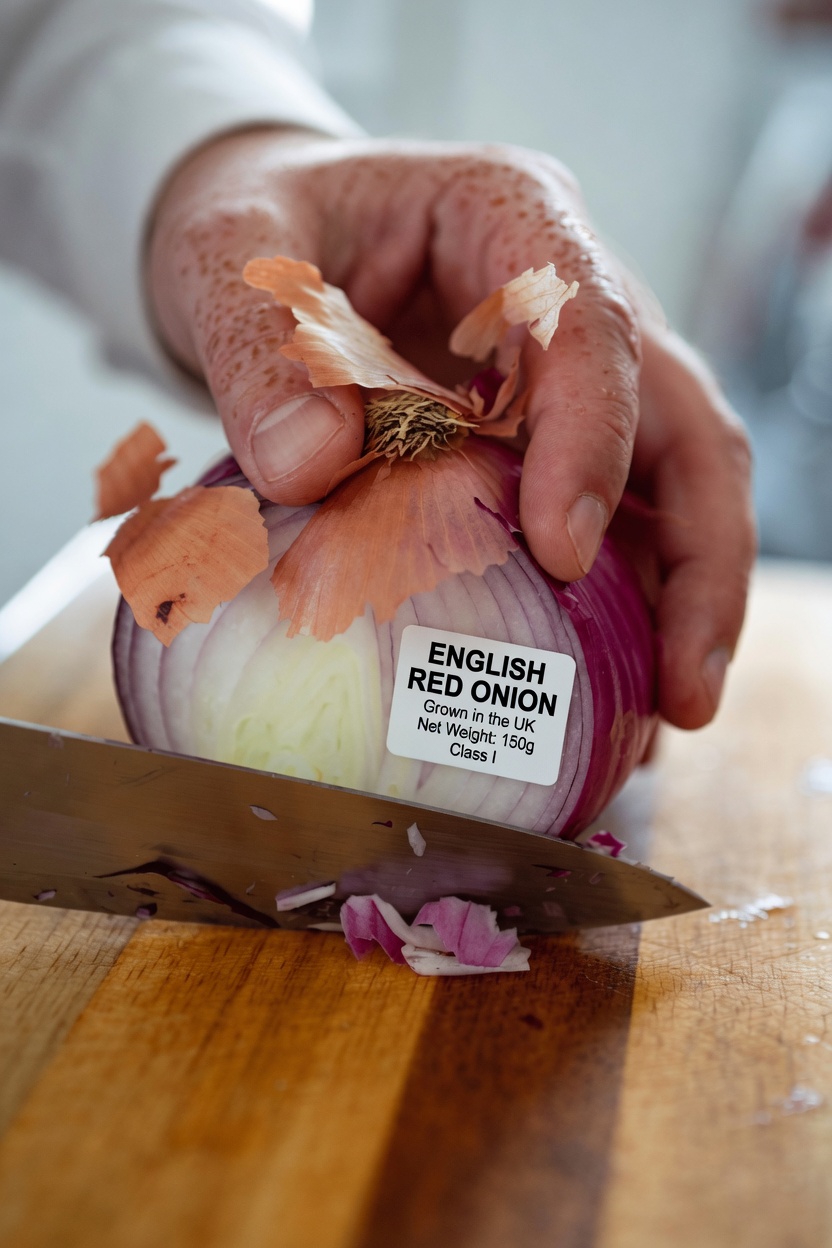
Comparing Onion Varieties and Their Potential Benefits
Different onion types offer slightly different nutritional strengths, so you can choose based on preference, availability, or recipe style.
| Onion Type | Key Compounds | Potential Support Areas |
|---|---|---|
| Red Onion | High in quercetin | Blood sugar support, antioxidant protection |
| White Onion | Rich in sulfur compounds | Cholesterol balance, artery support |
| Yellow Onion | Balanced flavonoid content | General heart wellness, inflammation support |
This variety makes onions easy to include in many meals without becoming repetitive.
Easy Ways to Add More Onions to Your Meals
Including onions in your diet does not have to be difficult. Small, consistent additions are often the most practical.
A good starting point is about half a cup of chopped onions at lunch or dinner. This amount can be added to many familiar dishes without overpowering them.
Simple ideas for daily use
- Mix chopped onions into soups or stews
- Add them to stir-fries with vegetables and lean protein
- Use raw onions in salads or wraps
- Blend a small amount into savory smoothies or vegetable drinks
- Scatter sliced onions over grain bowls or omelets
If raw onions taste too strong, lightly sautéing them can soften the flavor while still preserving some nutritional value. Combining onions with herbs, tomatoes, olive oil, or other vegetables can also make them more enjoyable.
Portion size matters as well. For many people, around one medium onion per serving is enough. Larger amounts may cause digestive discomfort in some individuals.
Simple Onion Recipes for Home Use
If you want practical ways to start, these beginner-friendly recipes make it easy to explore the benefits of onions using everyday ingredients.
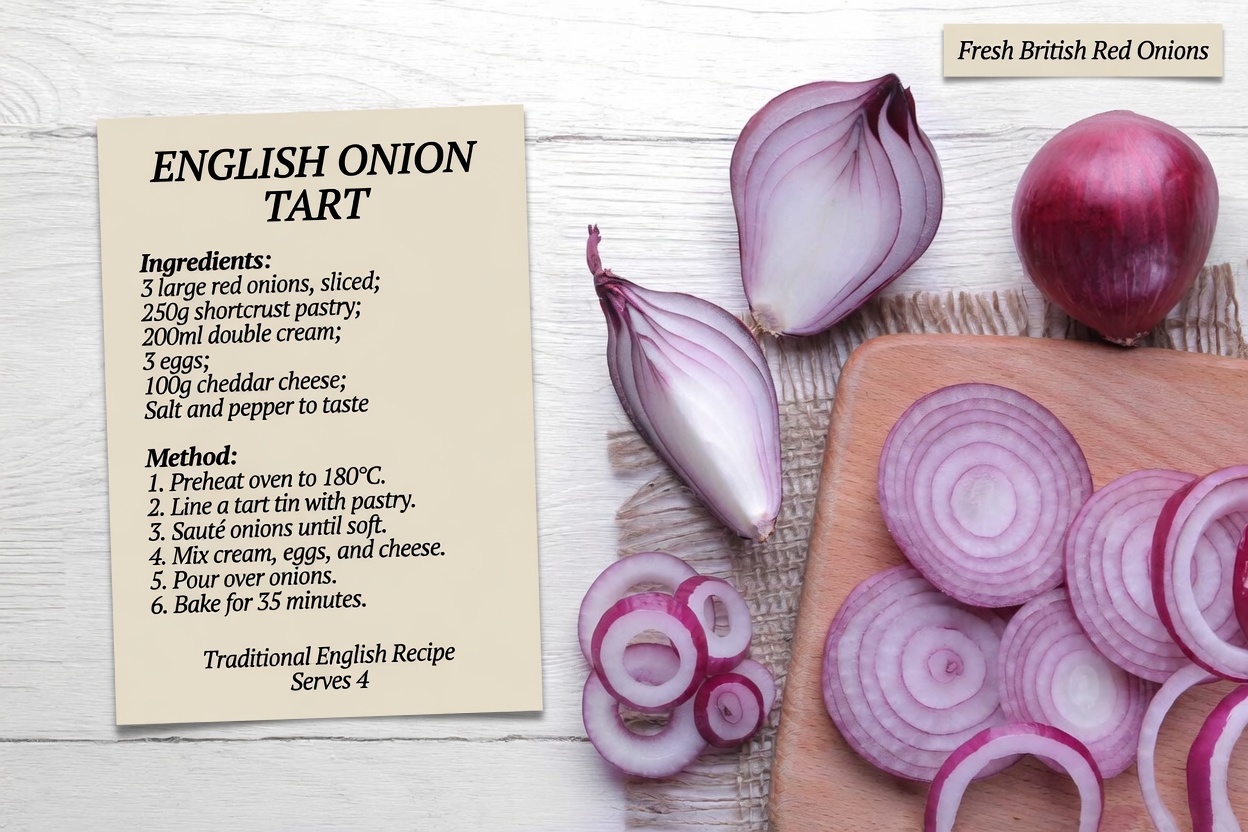
1. Basic Onion Water Infusion
This mild preparation is one of the easiest ways to try onions in a different form.
Ingredients
- 1 medium red onion
- 1 to 2 cups of water
- Optional: 1 slice of lemon
Instructions
- Peel and chop the onion.
- Place it in a pot with water.
- Bring to a boil.
- Reduce the heat and simmer for 10 minutes.
- Strain the liquid and allow it to cool.
- Drink a small glass in the morning if desired.
Adding lemon can improve the taste. This type of preparation may support hydration while delivering some of the beneficial compounds found in onions.
2. Sautéed Onion Medley
This quick side dish is flavorful, versatile, and easy to pair with other healthy foods.
Ingredients
- 2 medium onions, mixed varieties
- 1 tablespoon olive oil
- 1 teaspoon turmeric
- A pinch of black pepper
Instructions
- Slice the onions thinly.
- Heat the olive oil in a pan over medium heat.
- Add the onions and cook for 5 to 7 minutes, until soft and translucent.
- Stir in the turmeric and black pepper.
- Cook for another 2 minutes, then serve.
This dish works well with lean meats, fish, beans, or whole grains. Some research suggests turmeric may complement the anti-inflammatory properties of onions.
3. Quick Pickled Onions
If you enjoy bright, tangy flavors, pickled onions are a great option.
Ingredients
- 1 red onion, thinly sliced
- 1/2 cup apple cider vinegar
- 1/2 cup water
- 1 teaspoon honey, optional
Instructions
- Place the sliced onion in a clean jar.
- Mix the vinegar, water, and honey.
- Pour the liquid over the onion.
- Refrigerate for at least 1 hour before using.
These onions are excellent on salads, sandwiches, or grain bowls. The vinegar may also support digestion, which pairs well with the fiber naturally found in onions.
Healthy Habits That Work Well with Onion Intake
Onions may be helpful, but they are most effective when included in a broader healthy lifestyle.
Pairing better nutrition with other supportive habits can make a bigger difference over time.
Helpful lifestyle practices
- Walk for about 30 minutes a day to support blood sugar stability
- Drink around 8 glasses of water daily to stay well hydrated
- Build meals around vegetables, whole grains, and quality protein
- Watch portion sizes to maintain steady energy levels
- Add omega-3-rich foods such as fish for extra heart support
- Practice stress management, including deep breathing or relaxation exercises
Consistency matters more than perfection. Small habits done regularly are often the most sustainable and beneficial.
Final Thoughts
Adding onions to your meals may offer gentle support for balanced blood sugar and heart health, according to emerging research. Their natural antioxidants, fiber, and sulfur compounds make them a simple yet valuable food for older adults looking to improve everyday nutrition.
From raw slices in salads to warm cooked dishes and easy home recipes, onions are affordable, versatile, and easy to use. While they should not replace medical care or prescribed treatment, they may serve as a helpful part of a well-rounded wellness routine.
Frequently Asked Questions
Can seniors eat onions every day if they are concerned about blood sugar?
Yes, onions can usually be included in daily meals in moderate amounts. Early research suggests they may support blood sugar control, but they should be part of an overall healthy diet rather than a standalone solution.
Are raw onions better than cooked onions?
Raw onions may retain more of certain beneficial compounds, especially quercetin and sulfur-based substances. However, cooked onions are still nutritious and may be easier for some people to digest.
Which type of onion is best for health support?
Red onions are often highlighted for their higher quercetin content, while white onions are rich in sulfur compounds. Yellow onions also offer a balanced nutrient profile, so the best choice often depends on taste and how you plan to use them.
Can onions replace diabetes or heart medications?
No. Onions may complement a healthy lifestyle, but they are not a substitute for medical treatment. Always follow the guidance of your doctor or healthcare provider.
What is the easiest way to start eating more onions?
Begin with small amounts in familiar dishes, such as soups, salads, stir-fries, or sandwiches. This approach helps you build the habit without overwhelming your taste preferences.