
A Simple Clove and Cinnamon Tea for Everyday Wellness
As life gets busier and the body naturally changes with age, it is common to feel occasional drops in energy or a reduced sense of vitality. These small shifts may seem minor, yet they can influence daily comfort, movement, and even how much we enjoy simple moments. A comforting tea made from two familiar kitchen spices may offer an easy way to support a healthy routine.
Cloves and cinnamon have a long history in traditional wellness practices, and one of their biggest advantages is how accessible they are. You can make this soothing drink at home with very little effort. Later in this article, you will find a simple preparation method that many people find easy to include in their morning ritual.
Why Cloves Deserve Attention
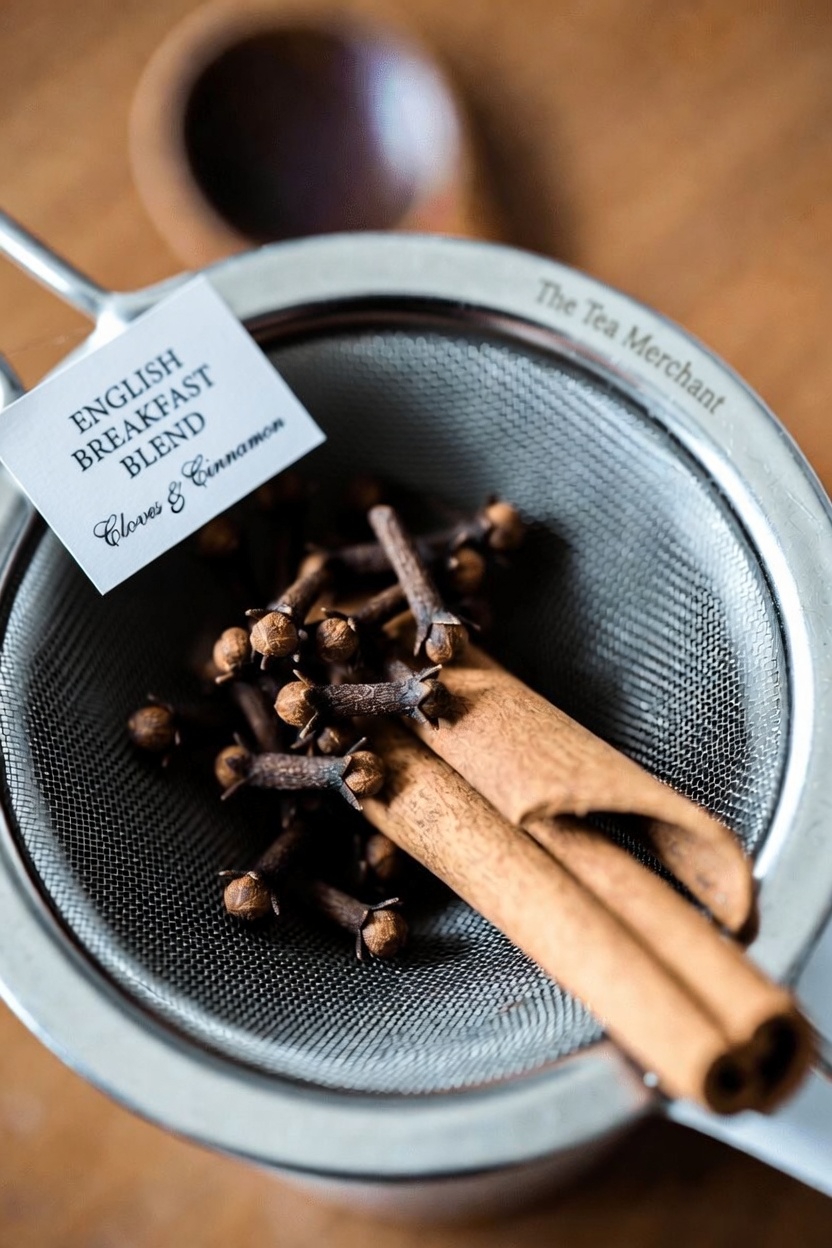
Cloves are the dried flower buds of the Syzygium aromaticum tree. They are known for their bold aroma, warming taste, and concentrated natural compounds. One of the most important of these compounds is eugenol, which is responsible for much of clove’s distinctive scent and has attracted scientific interest for its antioxidant potential.
Researchers have examined how eugenol may help the body deal with free radicals, unstable molecules associated with everyday cellular stress. Findings published in peer-reviewed studies suggest that cloves rank among the most antioxidant-rich common spices. For people interested in supporting their body through food and beverages, cloves are a noteworthy option.
Beyond their antioxidant profile, cloves have also been explored for their role in digestive comfort. Traditional use and early research suggest they may help the stomach feel calmer after meals, making them more than just a flavorful spice.

Cinnamon and the Power of Its Natural Compounds
Cinnamon comes from the inner bark of trees in the Cinnamomum family. Its naturally sweet, woody taste makes it an ideal partner for cloves. The key active compound in cinnamon is cinnamaldehyde, which gives the spice its recognizable aroma and has been widely studied for its wellness-supporting properties.
A number of studies suggest that cinnamon may help support balanced blood sugar responses after meals. Research in both laboratory and human settings has investigated how cinnamon interacts with insulin sensitivity. Some findings presented in scientific forums, including Experimental Biology meetings, have indicated that modest amounts of cinnamon extract may help promote metabolic stability in certain groups without significantly changing cholesterol levels.
Cinnamon also contains polyphenols, which add to its antioxidant strength. In spice comparison studies, cinnamon consistently ranks high. Used in regular culinary amounts, it offers a practical and approachable addition to a balanced lifestyle.
Why Cloves and Cinnamon Work So Well Together
The real appeal of this combination is not only the flavor. Cloves and cinnamon may also complement each other through their natural compounds. Laboratory studies on water extracts and essential oils have suggested that the two spices together may provide stronger antioxidant and anti-inflammatory effects than either one alone.
Some research on hydrophilic extracts has found that this pairing may help reduce protein glycation activity, a process linked with normal aging. Other studies have shown that combining the two may improve protection against oxidative stress more effectively than using a single spice. This possible interaction between eugenol and cinnamaldehyde is one reason the pair continues to attract attention.
For many people, however, the biggest benefit is practical: this blend is easy to turn into a pleasant daily tea. It transforms an ordinary cup into a small act of intentional self-care.
Potential Wellness Benefits of Clove and Cinnamon Tea
Ongoing research continues to explore how these spices may support overall well-being when used in moderate everyday amounts. Areas of scientific interest include:
- Antioxidant support: Both cloves and cinnamon score highly in ORAC testing, which measures antioxidant capacity and may reflect their ability to help the body manage daily oxidative stress.
- Digestive comfort: Traditional use and early evidence suggest these warming spices may help ease occasional bloating and promote smoother digestion after eating.
- More stable energy: By supporting healthy blood sugar responses, this tea may help reduce the mid-afternoon energy dip many people experience.
- Immune support: Their antimicrobial activity in lab research has made them interesting to scientists studying natural approaches to resilience.
- Metabolic wellness: Small human studies have reported improvements in markers related to insulin function with regular, moderate intake.
These findings are drawn from scientific databases such as PubMed and various peer-reviewed publications. Individual responses can differ, and additional research is still needed.
How to Make Clove and Cinnamon Tea at Home
If you want to try this drink yourself, the process is quick and straightforward. Using whole spices is often preferred for better flavor and a cleaner infusion.
Ingredients
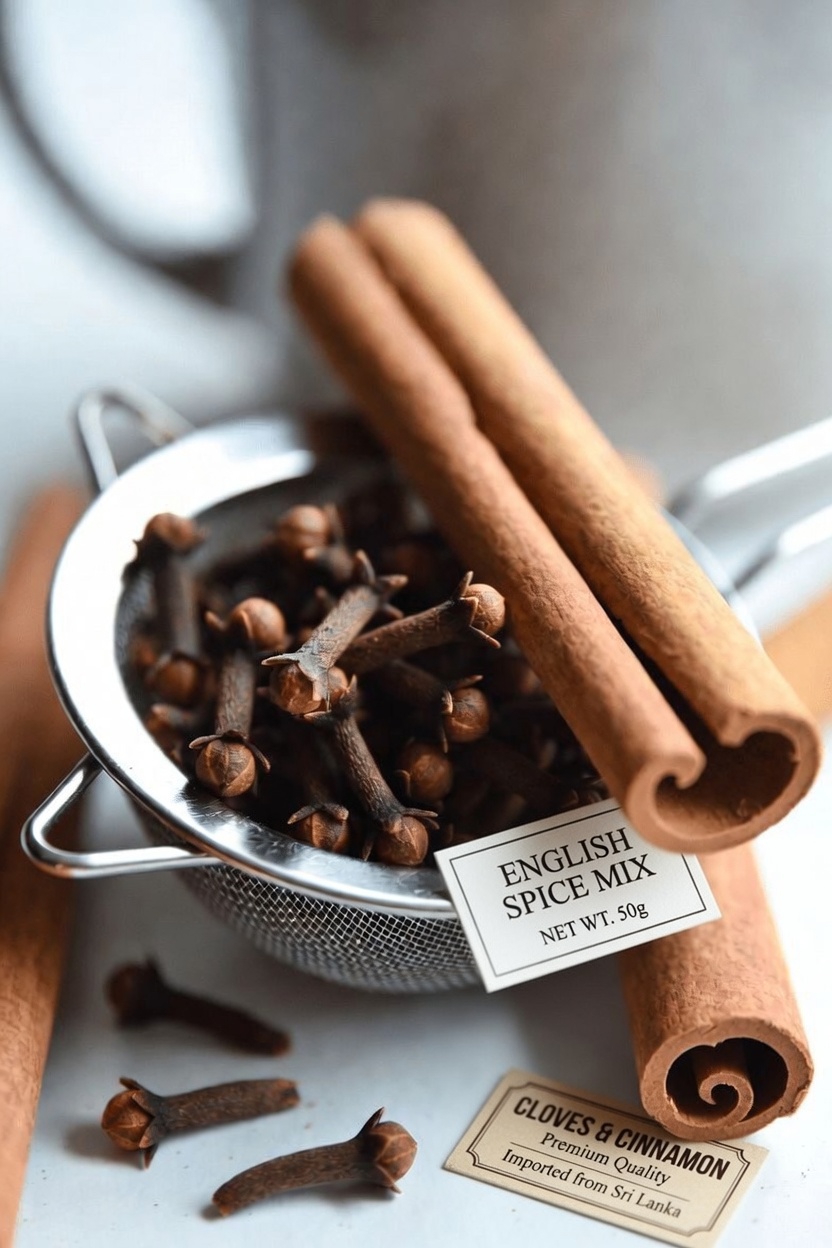
- 4 to 5 whole cloves
- 1 to 2 cinnamon sticks, ideally Ceylon cinnamon for a gentler flavor
- 2 cups of filtered water
Instructions
- Pour the water into a small saucepan and bring it to a light boil.
- Add the cloves and cinnamon sticks.
- Lower the heat and let the mixture simmer gently.
- Cover and steep for 10 to 15 minutes so the aromatic compounds can fully infuse.
- Strain the tea into your favorite mug and drink it warm.
If desired, you can add:
- A slice of fresh lemon for brightness
- A small amount of honey for mild sweetness
Many people choose to start with one cup in the morning on an empty stomach and then observe how it fits into their routine. This gentle method helps preserve the spices’ natural compounds without extracting too harshly.
Easy Ways to Turn It Into a Daily Habit
A healthy habit is much easier to maintain when it blends naturally into your day. These simple tips can help:
- Make a larger batch in the morning and store it in the refrigerator for up to two days.
- Reheat it gently instead of boiling again.
- Combine it with your existing tea or coffee routine so you are less likely to forget.
- Adjust the clove-to-cinnamon ratio to match your taste preferences.
- Use whole spices instead of powdered versions for a clearer, smoother tea.
- Notice how you feel after a week of regular use. Some people report a subtle sense of warmth, comfort, and steadier energy.
In most cases, regular moderate use is more beneficial than taking too much at once.
Safety Tips and Who Should Be Careful
Cloves and cinnamon are generally considered safe when used in normal culinary amounts, but a few precautions are worth noting.
- People who are pregnant should speak with a healthcare professional before consuming large amounts regularly.
- Anyone taking blood-thinning medication should also check with a doctor, since higher intakes of eugenol or cinnamon may have mild effects.
- If you have a sensitive stomach, begin with a smaller amount and see how your body responds.
- For frequent use, Ceylon cinnamon is often preferred over cassia cinnamon because it contains less coumarin.
- Always choose fresh, good-quality spices to ensure better flavor and fewer impurities.
Final Thoughts
Drinking clove and cinnamon tea each day is a simple, flavorful way to bring a little extra wellness support into your routine. From antioxidant potential and digestive comfort to steadier energy, this traditional spice combination continues to interest both researchers and health-conscious individuals.
Try making a cup and pay attention to how this small daily change feels. Sometimes the most effective habits are also the simplest.
Frequently Asked Questions
How much clove and cinnamon tea can I drink per day?
Most people begin with 1 to 2 cups daily and adjust depending on how they feel. It is best to stay within moderate amounts and pay attention to your body’s response.
Can I add ingredients like ginger or honey?
Yes. Ginger adds extra warmth and pairs very well with both spices. A little honey can improve the flavor without overwhelming the tea. Keep any additions light so the main ingredients remain the focus.
Is this tea appropriate for older adults?
In typical food-level amounts, it is usually suitable for most healthy adults, including seniors. However, anyone with an existing medical condition or those taking medication should speak with a healthcare provider before using it regularly.