Enlarged Pores, Dark Spots, and DIY Experiments
Many people notice visible pores on the nose and cheeks, lingering marks from sun exposure or old breakouts, and fine facial hair they’d rather not see so clearly. These everyday skin concerns often inspire experiments with new routines, all in pursuit of smoother texture and a more even, radiant look.
Alongside store-bought skincare, a lot of individuals turn to DIY remedies made from pantry or bathroom staples. One trending idea is a face mask that mixes ordinary toothpaste with fresh tomato. It has sparked plenty of curiosity among skincare enthusiasts—but by the time you finish reading, you may see this viral combo in a very different light.
What Is the Toothpaste and Tomato Face Mask?
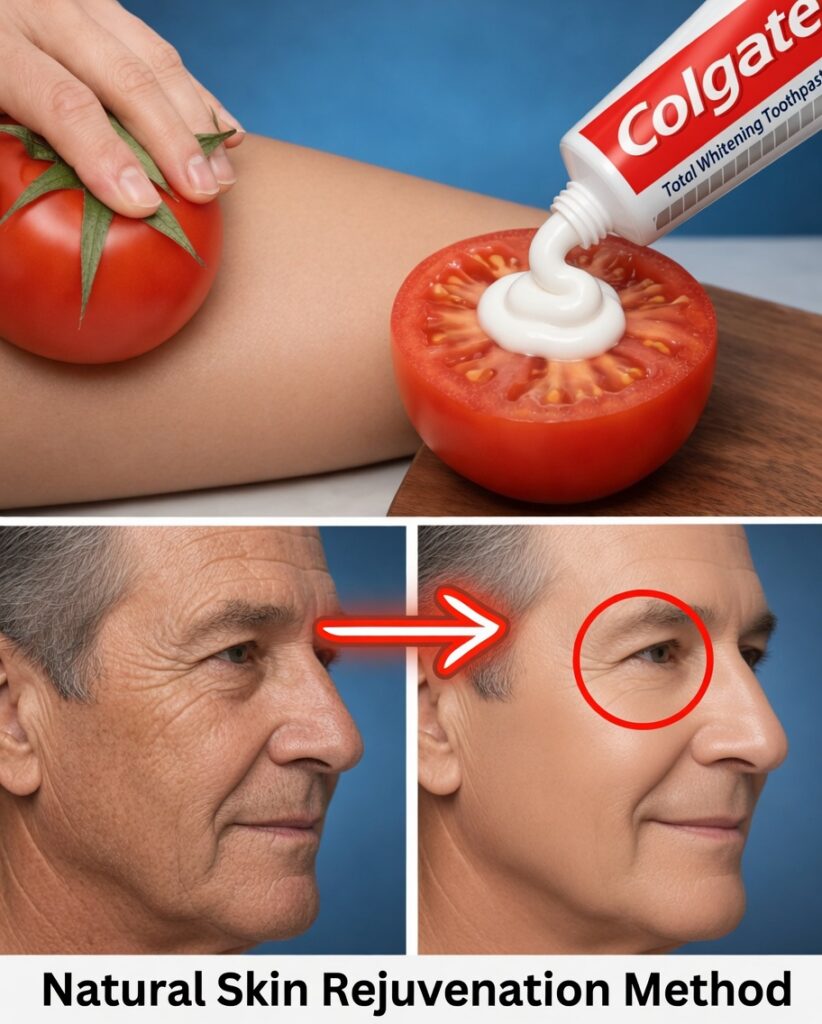
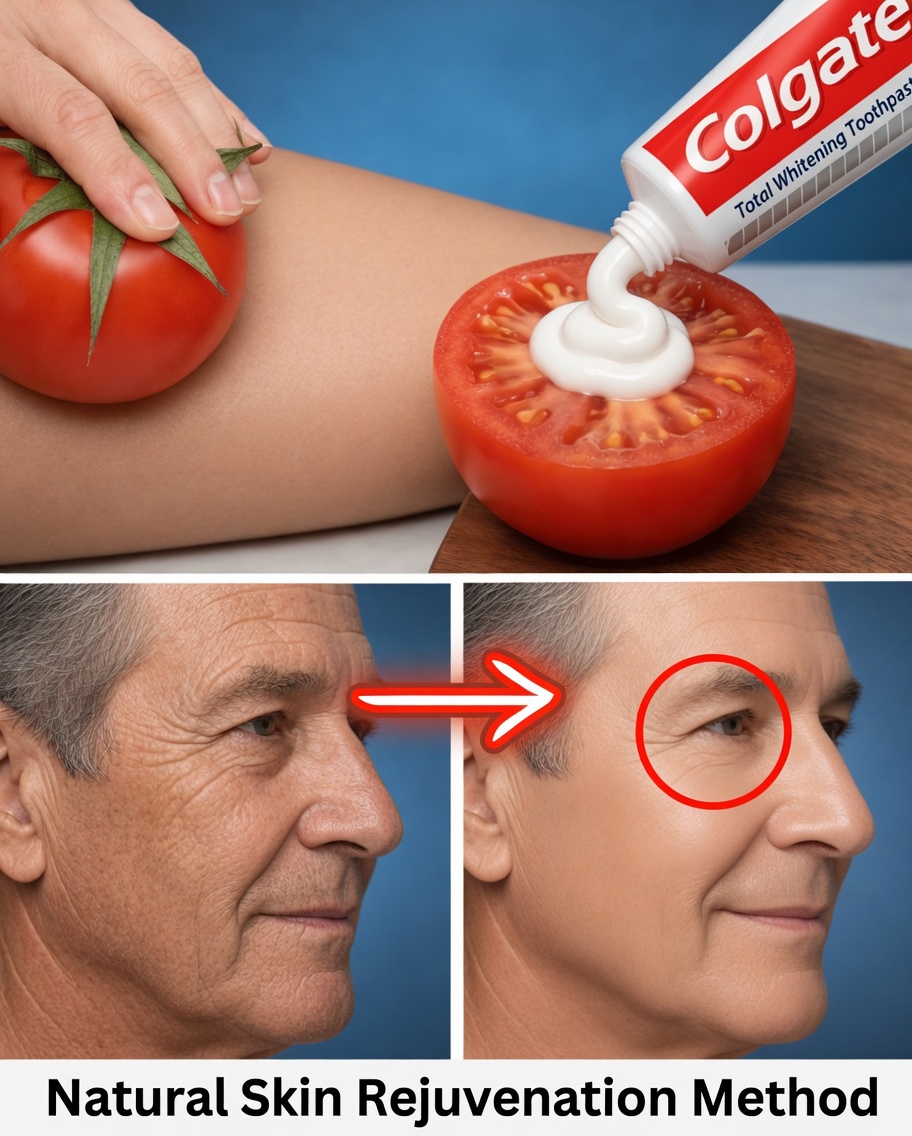
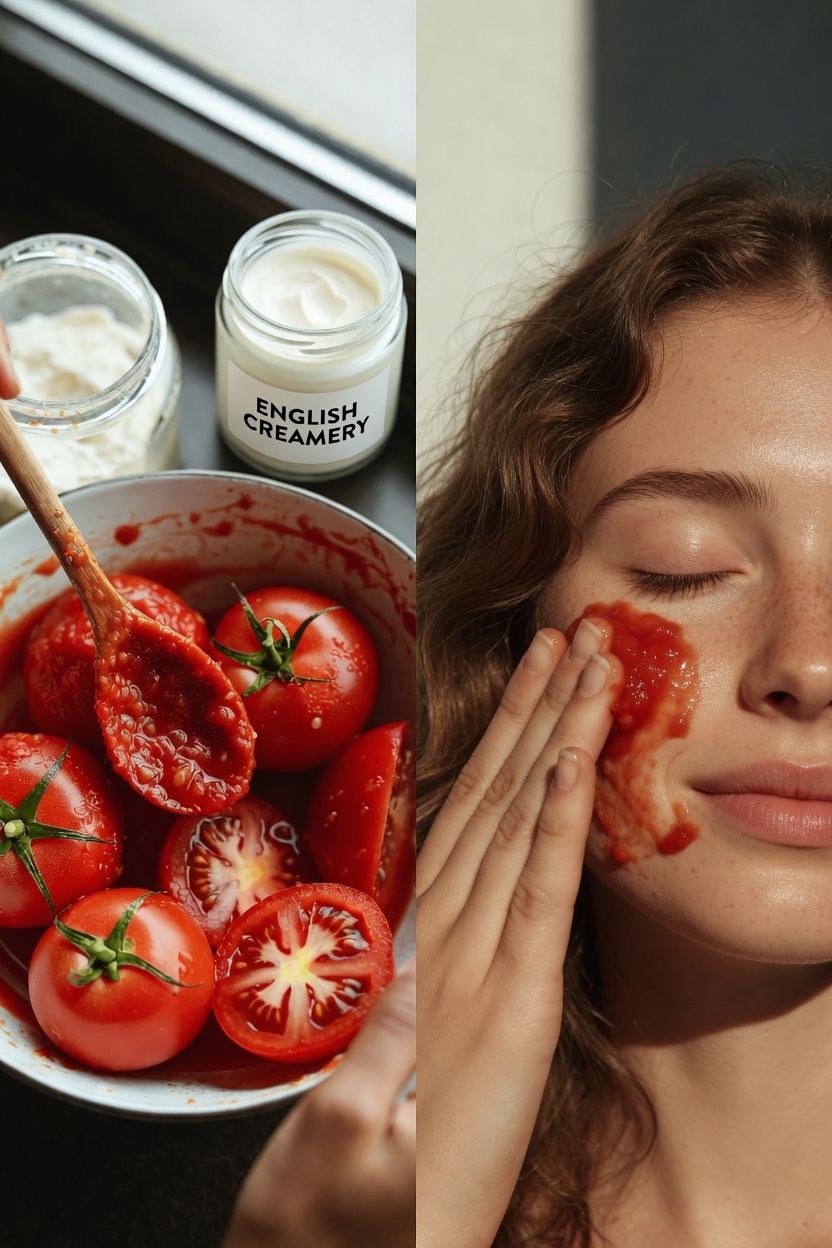
The toothpaste and tomato face mask is a homemade treatment that draws heavily from folk beauty practices and social media hacks. It is essentially a paste created by combining tomato pulp or juice with a small amount of toothpaste, then applying the mixture to areas of the face or body for a few minutes.
This concoction has spread widely on platforms such as Instagram and Facebook, where users present it as a “natural” option for various skin concerns. Fans often highlight:
- The fresh, juicy feel of tomato
- The cool, minty sensation of toothpaste
Part of its popularity comes from how low-effort it is—no special tools, no expensive products, just items from the fridge and bathroom cabinet. But the simplicity of the recipe doesn’t always translate to safety or effectiveness. To understand why this mask has become such a talking point, we need to look at what people claim it does—and what science actually says.
Claimed Benefits of the Toothpaste and Tomato Mask
Supporters on beauty blogs, forums, and social media report a handful of perceived benefits after using this DIY mask. These are the most commonly mentioned:
-
Pore Appearance
Some users feel their pores look smaller or “tightened” right after use. This is often attributed to the astringent and mildly acidic nature of tomato, which may help with surface-level cleansing and make skin feel temporarily firmer. -
More Even Skin Tone
Others say their complexion looks brighter or less dull. They often credit this to the vitamin C and antioxidants naturally present in tomatoes, which are frequently discussed in skincare for their role in supporting overall skin appearance. -
Fine Facial Hair Concerns
A few anecdotes suggest that, with regular use, the mixture might soften or make fine facial hair less noticeable. However, these reports are inconsistent and not backed by strong evidence.
These points are largely drawn from personal experiences and online testimonials rather than controlled studies. Results can vary dramatically depending on skin type, sensitivity, and how often the mask is used.
What many people don’t anticipate is this: while tomato is often praised for its hydrating and mildly exfoliating properties in masks, adding toothpaste introduces abrasives and irritants that can change the experience completely.
The Science Behind the Ingredients
To evaluate this viral mask realistically, it helps to examine each component from a scientific perspective.
Tomatoes in Skincare
Tomatoes are rich in several beneficial compounds, including:
- Vitamins A, C, and K
- Lycopene, a powerful antioxidant
- Mild natural acids (such as citric acid)
Research suggests that tomato extracts may help:
- Support skin’s defense against environmental stressors
- Provide antioxidant benefits by neutralizing free radicals
- Offer gentle exfoliation due to their acidic content
In many DIY recipes, tomato juice or pulp is used to give the skin a refreshed feeling, help remove surface oil, and lightly smooth texture. Overall, tomato is considered relatively gentle for many people—though it can still cause irritation in sensitive skin.
Toothpaste on Skin: What It Really Does
Conventional toothpaste is formulated specifically for teeth, not facial skin. Common components include:
- Mild abrasives (like hydrated silica or baking soda) to polish teeth
- Fluoride to protect enamel
- Detergents such as sodium lauryl sulfate (SLS) for foaming
- Flavoring and cooling agents like menthol
While some individuals dab toothpaste on pimples in an attempt to “dry them out,” dermatologists generally advise against this practice. Reasons include:
- Abrasive texture: Designed to scrub harder tooth surfaces, not delicate facial skin
- Irritating ingredients: Detergents and flavoring agents can disrupt the skin barrier
- Unsuitable pH: Toothpaste is not balanced for facial skin and may cause inflammation
Any pleasant cooling or tingling sensation is typically due to menthol and does not equal genuine skincare benefits.
What Happens When You Mix Tomato and Toothpaste?
There are no large, peer-reviewed studies specifically examining a toothpaste-and-tomato mixture applied to the face. Based on ingredient knowledge, a few reasonable assumptions can be made:
- Tomato may provide some hydration, antioxidants, and mild exfoliation.
- Toothpaste contributes abrasiveness, potential irritants, and an unbalanced pH for skin.
- Tomato’s moisture might slightly buffer the harshness of toothpaste, but it cannot fully neutralize it.
In short, while the tomato component has some skincare-friendly properties, adding toothpaste introduces significant risk without clear, proven benefits for the skin.
How to Make and Use the Toothpaste and Tomato Face Mask (Step-by-Step)
If, after consulting a professional, you still choose to experiment with this mask, follow a cautious approach. The instructions below are for informational purposes only.
-
Gather Your Ingredients
- 1 ripe tomato
- A pea-sized amount of plain white toothpaste
- Avoid gel, colored, or “extra whitening” formulas, as these often contain additional irritants.
-
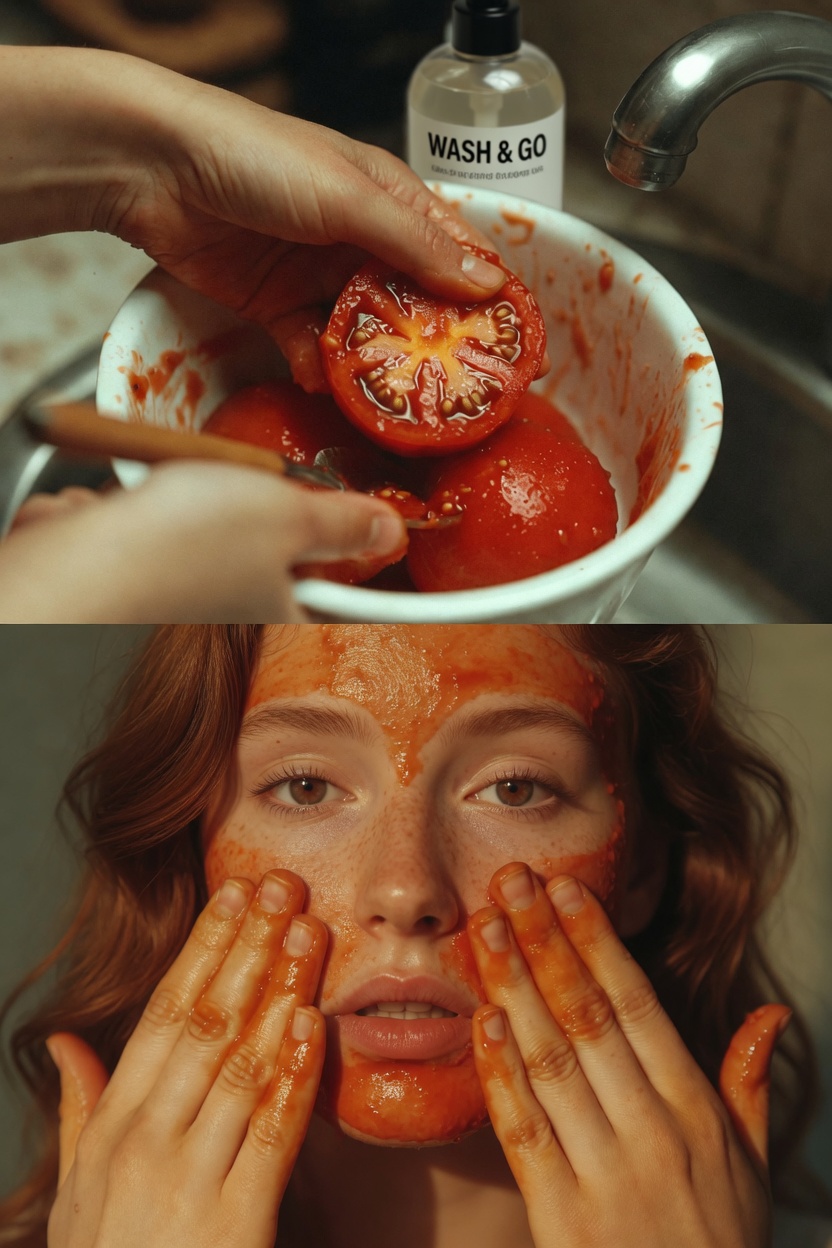
Prepare the Tomato Base
- Slice the tomato in half.
- Squeeze the juice and pulp into a clean bowl.
- For a thicker mask, mash the pulp with a spoon or fork until it forms a smoother paste.
-
Create the Mixture
- Add a small pea-sized amount of toothpaste to the tomato.
- Stir until you get a uniform paste.
- Aim for roughly a 2:1 ratio of tomato to toothpaste so the tomato remains the dominant ingredient.
-
Patch Test First
- Apply a tiny amount to the inside of your forearm or behind your ear.
- Wait 24 hours and watch for redness, burning, swelling, or itching.
- If any irritation occurs, do not use it on your face.
-
Apply to the Face
- Start with freshly cleansed, dry skin.
- Using clean fingers or a soft brush, apply a thin layer to targeted zones (such as nose, chin, or cheeks).
- Avoid the eye area, lips, and any broken or inflamed skin.
-
Leave On Briefly
- Limit contact time to about 5–10 minutes.
- If you feel burning, intense stinging, or discomfort, rinse off immediately.
-
Rinse and Moisturize
- Wash thoroughly with lukewarm water until all residue is gone.
- Pat your face dry with a clean towel.
- Follow with a gentle, fragrance-free moisturizer to help support the skin barrier.
Most users who try this type of mask limit it to no more than 1–2 times per week. Even then, it’s important to watch your skin closely for any signs of stress.
Potential Risks, Side Effects, and Precautions
Not all experiences with the toothpaste-and-tomato mask are positive. Dermatologists and skincare professionals frequently caution against applying toothpaste to the face because:
- Its pH is not compatible with facial skin
- Abrasive particles can create microtears or irritation
- Detergents and additives can trigger redness, dryness, or flaking
When combined with tomato’s natural acidity, these effects may be intensified rather than reduced, especially for:
- Sensitive or reactive skin
- People with eczema, rosacea, or active acne lesions
- Those already using other active ingredients (like retinoids or acids)
Online discussions, including Q&A platforms like Quora, often reflect a similar concern: the potential for more harm than help.
Ultimately, skin tolerance is highly individual. What appears to “work” for one person in a short video may cause noticeable irritation for another. Skin safety should always come before experimentation.
Toothpaste & Tomato vs. Other Natural Mask Options
If you’re drawn to natural or DIY skincare, there are many alternatives that rely on gentler ingredients. Here’s a simple comparison:
| Mask Type | Key Ingredients | Main Focus Areas | Ease of Preparation |
|---|---|---|---|
| Toothpaste & Tomato | Tomato juice, toothpaste | Pores, spots, fine facial hair* | Easy (only 2 ingredients) |
| Honey & Lemon | Honey, lemon juice | Brightening, light hydration | Very easy |
| Oatmeal & Yogurt | Oats, plain yogurt | Mild exfoliation, soothing | Moderate |
| Cucumber & Aloe | Cucumber, aloe vera gel | Cooling, calming, moisture | Easy |
*Claims about hair are anecdotal and not well-established.
These other DIY masks typically use ingredients more frequently mentioned in skincare literature as soothing, hydrating, or gently exfoliating, rather than harsh or abrasive.
Adding This Mask (or Alternatives) to Your Routine
If you choose to explore this mask—or any homemade treatment—keep these general guidelines in mind:
- Start slowly: Introduce one new product or DIY recipe at a time so you can accurately judge your skin’s response.
- Keep the basics strong: A simple routine of cleansing, moisturizing, and sun protection often does more for long-term skin health than occasional intense treatments.
- Monitor your skin: Watch for tightness, burning, flaking, or increased redness. These are signs you may need to stop or switch to a gentler option.
- Consider ingredient quality: If possible, use fresh, clean produce (such as organic tomatoes) to minimize potential pesticide exposure and contamination.
Many people find that consistent, gentle care outperforms dramatic, one-off DIY experiments in the long run.
Conclusion: Should You Use a Toothpaste and Tomato Face Mask?
The toothpaste and tomato face mask is a creative, highly shareable DIY idea that blends a nutrient-rich fruit with a common bathroom staple. Tomatoes can provide vitamins, antioxidants, and mild exfoliation that may benefit the skin’s appearance.
However, introducing toothpaste into a facial skincare routine raises significant concerns. Its abrasives, detergents, and unsuitable pH make it a risky choice for the delicate skin on your face, and any short-term “tight” or “cool” feeling does not necessarily mean your skin is healthier.
Here’s the unexpected takeaway: despite the social media buzz, many dermatologists recommend avoiding toothpaste-based masks altogether and instead focusing on gentle, evidence-backed products—whether professional formulations or carefully chosen natural ingredients. Doing so can spare you unnecessary irritation and help you build a more reliable, skin-friendly routine.
FAQ
What should I do if the mask causes irritation?
- Rinse your skin immediately with cool (not hot) water.
- Apply a soothing, fragrance-free cream or gel—aloe vera or a barrier-repair moisturizer can be helpful.
- Avoid other strong products (acids, retinoids, scrubs) until your skin calms down.
- If redness, burning, or swelling persists, contact a dermatologist or healthcare provider.
How often can I safely use a tomato-based mask?
For most people, using a tomato-based mask (without toothpaste) about 1–2 times per week is a reasonable starting point. However, always listen to your skin—reduce frequency or stop if you notice dryness, tightness, or irritation.
Are there gentler ways to minimize the look of large pores?
Yes. Some options that are generally considered more skin-friendly include:
- Gentle exfoliants, such as products containing salicylic acid, which can help keep pores clearer and reduce congestion.
- Clay masks, which may absorb excess oil and temporarily refine the appearance of pores.
- Consistent sun protection, since UV damage can worsen texture over time.
Research and professional guidance support these methods more strongly than abrasive DIY mixtures.
Disclaimer: This article is for informational and educational purposes only and does not constitute medical advice. Always consult a dermatologist or qualified healthcare professional before starting new skincare treatments, especially if you have sensitive skin, existing skin conditions, or are using prescription products.