Baking Soda Night Cream: Viral DIY Trend, Benefits, Risks, and the Popular Recipe
It is perfectly natural to look in the mirror and notice that your skin changes over time. You may see a rougher texture, uneven tone, or small differences that make you feel less confident than before. That feeling can grow stronger when social media is filled with dramatic before-and-after posts promising younger-looking skin from easy home remedies. One of the most talked-about trends right now is a homemade baking soda night cream. If you are curious about it, here is a complete look at the recipe people are sharing online, what experts say, and whether it is truly safe for your skincare routine.
Why the Baking Soda Night Cream Trend Has Gone Viral
Across social platforms, many users are posting homemade skincare jars, personal reviews, and photos claiming smoother skin after using a simple overnight cream made with kitchen ingredients. The appeal is easy to understand:
- It looks affordable
- It feels natural and homemade
- It gives people a sense of control over their skincare
- It seems quick and easy to prepare
That combination has made this DIY remedy highly popular. Still, popularity does not always equal safety or effectiveness. While the excitement is real, dermatologists say it is important to understand how baking soda affects the skin before trying it.
What Dermatologists Say About Baking Soda for Skin
Baking soda, also called sodium bicarbonate, has long been used in the home for cooking, cleaning, and occasional personal care. Some people like its slightly gritty texture and use it as a mild exfoliant in pastes or creams. Older health references have noted that, in very limited and diluted situations, it may serve as a gentle abrasive or be used in bath soaks to calm minor irritation.
However, modern skincare experts raise a major concern: pH balance.
Healthy skin naturally has a mildly acidic pH, usually around 4.5 to 5.5. Baking soda is much more alkaline, with a pH close to 9. That difference can interfere with the skin’s natural protective barrier.
Trusted medical and skincare resources have warned that repeated use of baking soda on the face may:
- Remove natural oils
- Weaken the skin barrier
- Increase dryness
- Trigger sensitivity over time
Some reviews of viral beauty hacks have specifically pointed out that baking soda may create a temporary smoothing effect for certain users, but the long-term risks can outweigh the short-lived benefits, especially for facial skin. Since skin type, age, and existing conditions all matter, patch testing and professional advice are far more reliable than social media trends.
Possible Benefits People Report
Supporters of this DIY night cream often describe a few noticeable short-term effects. The most common claims include:
- Light exfoliation — The fine texture may help remove surface dead skin cells.
- Oil control — Some people feel it reduces excess shine, especially on oily skin.
- Easy mixing with moisturizers — When blended with ingredients like coconut oil, it can feel creamy and initially hydrating.
It is important to keep these points in context. Most of these benefits are based on personal experiences, not strong clinical evidence. There is no solid large-scale research showing that baking soda cream can reliably reduce wrinkles, dark spots, or signs of aging over time. For long-term improvements in skin texture and hydration, experts usually recommend proven skincare ingredients such as:
- Retinoids
- Hyaluronic acid
- Ceramides
- Niacinamide
The Risks: Why Caution Matters
The biggest issue with baking soda skincare is that it can disturb the acid mantle, the protective layer that helps lock in moisture and block irritants. Once this barrier is disrupted, the skin may become more reactive and less resilient.
Possible side effects include:
- Dryness
- Tightness
- Redness
- Sensitivity
- Barrier damage
- More frequent breakouts
- More visible fine lines if irritation develops
The risk is even greater for people with:
- Sensitive skin
- Dry skin
- Mature skin
- Eczema-prone skin
- Existing skin barrier damage
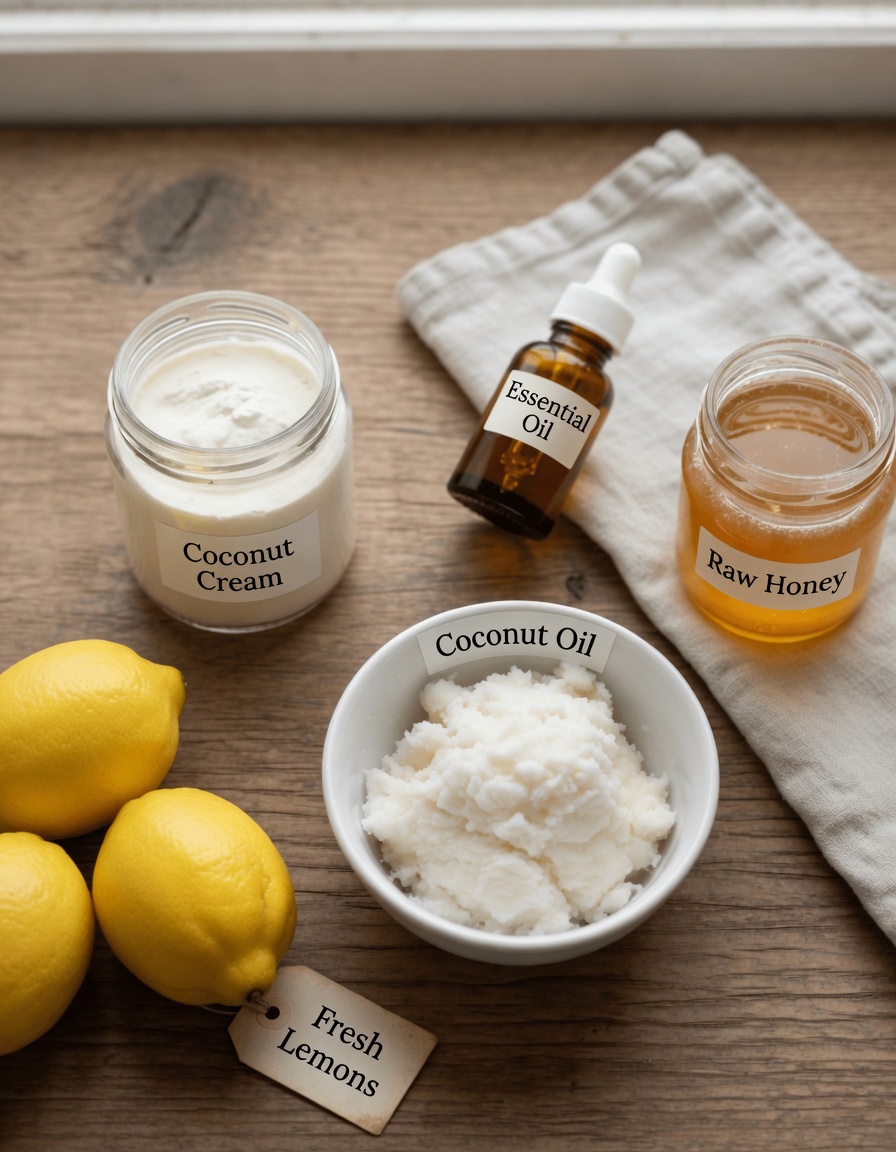
Another important warning: some viral DIY versions add acidic ingredients like lemon juice. That combination can make irritation even more likely and may lead to unpredictable skin reactions. This is why most responsible skincare guidance begins with one key recommendation: talk to a dermatologist first.
How to Make the Popular Homemade Baking Soda Night Cream
If you still want to know how this internet-famous recipe is made, below is the version most commonly shared online. This is provided for informational purposes only and should not replace professional medical advice.
Ingredients
Makes about 1/4 cup
- 2 tablespoons baking soda (pure, food-grade)
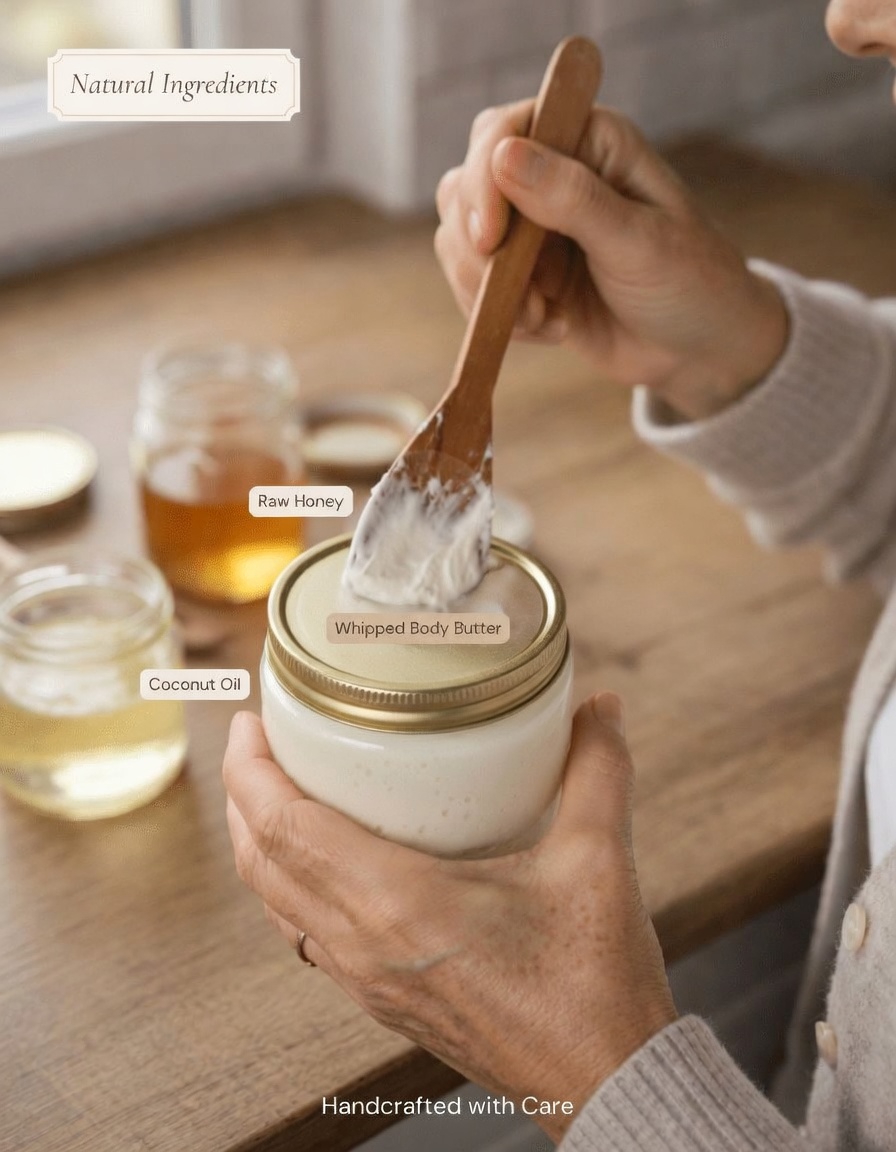
- 2 tablespoons virgin coconut oil, melted
- 1 teaspoon raw honey
- 4 to 5 drops vitamin E oil or a mild essential oil such as lavender, optional
Instructions
- Place the melted coconut oil and honey in a clean glass jar.
- Stir until the mixture becomes smooth.
- Gradually add the baking soda while mixing to prevent lumps.
- Continue stirring until it forms a thick, creamy paste.
- Add the vitamin E oil or optional essential oil drops.
- Mix thoroughly.
- Store the jar in a cool, dark place or in the refrigerator for up to two weeks.
Important Safety Tip
Before applying anything to your face, do a 24-hour patch test on the inside of your arm. If no irritation appears, start very slowly, no more than once a week, and wash it off thoroughly the next morning.
How People Use It in a Night Routine
Those who try this baking soda cream usually apply a thin layer to clean, dry skin before going to sleep. If the skin feels too dry, some follow it with their regular moisturizer. The next morning, they typically use a gentle cleanser and apply sunscreen during the day.
Even so, skincare professionals often remind people that lasting results rarely come from a single trendy product. In most cases, healthier-looking skin comes from consistent care, including:
- Regular moisturizing
- Daily sunscreen use
- Good sleep
- Hydration
- A gentle skincare routine
Safer DIY Night Cream Alternatives
If you like the idea of homemade skincare but want options that are less likely to disturb your skin barrier, there are gentler DIY alternatives experts tend to prefer.
1. Shea Butter Night Balm
Combine:
- 2 tablespoons shea butter
- 1 tablespoon jojoba oil
Melt and mix for a rich, nourishing night treatment that is generally more skin-friendly.
2. Honey and Oat Mask
Mix:
- Raw honey
- Finely ground oats
This blend can help soothe the skin while offering light support for texture without the harsh pH issue.
3. Aloe Vera and Vitamin E Cream
Blend:
- Fresh aloe vera gel
- A few drops of vitamin E oil
This simple mixture can provide calming overnight hydration and is often better tolerated than baking soda-based remedies.
Final Thoughts: Trendy Does Not Always Mean Skin-Friendly
The rise of baking soda night cream reflects a common desire: affordable, simple ways to improve skin at home. While the idea sounds appealing, expert opinion strongly favors caution, especially when it comes to using baking soda on the face. Temporary smoothness is possible, but so are dryness, irritation, and barrier damage.
The best approach is to pay attention to your skin, choose gentle habits, and focus on long-term care. Real radiance usually comes from the basics done consistently:
- Quality sleep
- Daily hydration
- Sun protection
- Gentle skincare
- Patience over time
FAQ
Is baking soda night cream safe for every skin type?
No. Some people with very oily skin may tolerate occasional use, but individuals with dry, sensitive, mature, or eczema-prone skin are much more likely to experience irritation. A dermatologist can help you decide what is appropriate for your skin.
How often should homemade baking soda cream be used?
If it is used at all, most experts recommend limiting it to once a week at most. Daily use is generally discouraged because of the high alkalinity and the risk of damaging the skin’s natural pH balance.
Can I add other kitchen ingredients to the recipe?
Some people mix it with moisturizing ingredients like coconut oil, but strong acidic additions such as lemon juice should be avoided because they can increase irritation. Always patch test any new combination before applying it to the face.
Disclaimer
This article is for educational and informational purposes only and should not be considered medical advice. Always consult a qualified healthcare professional or dermatologist before trying new skincare treatments, especially if you have sensitive skin or an existing skin condition.