Frankincense and Cellular Wellness: What Science Says About Inflammation, Stress, and Complementary Support
Cancer remains one of today’s toughest global health challenges, touching the lives of millions. Alongside conventional care—which is essential—many people look for natural, complementary approaches that may help support overall wellness. Common goals include promoting cellular health, encouraging balanced inflammatory responses, and easing everyday stress.
One natural remedy receiving renewed attention is frankincense—a fragrant tree resin used for centuries in traditional practices. Below, you’ll learn what frankincense is, why researchers are studying it, what early findings suggest about cellular processes, and how to use it more safely in a modern wellness routine.
What Is Frankincense (Olibanum), and Why Is It Trending in Wellness?
Frankincense, also called olibanum, is a resin collected from Boswellia trees found primarily in parts of the Middle East and Africa. Historically, it has been valued for:
- Its rich, calming aroma (often used as incense)
- Its role in spiritual and ceremonial traditions
- Its place in traditional medicine for relaxation and general wellbeing
What’s driving current interest is its chemistry—especially a group of compounds known as boswellic acids. A frequently discussed compound is acetyl-11-keto-β-boswellic acid (AKBA), which has attracted attention for how it may influence inflammation-related pathways and cell signaling.
Researchers are particularly interested in whether these compounds can affect processes such as:
- Apoptosis (programmed cell death)
- Cell proliferation (cell growth and division)
These mechanisms are important to overall cellular balance and are widely studied in many health contexts, including cancer biology.
The Science Behind Frankincense and Cellular Health
Effects on Inflammation Pathways and Cell Growth Signals
Preclinical research (test-tube and animal studies) has explored how frankincense extracts and boswellic acids may act on inflammatory and growth-related targets. One commonly cited target is 5-lipoxygenase (5-LOX)—an enzyme involved in inflammatory processes that are also connected to broader cellular signaling.
In laboratory settings, boswellic acids have been observed interacting with signaling routes such as:
- NF-κB
- PI3K/AKT
These pathways help regulate cell survival, inflammation, and proliferation. Across different cell models (including breast, prostate, and melanoma), frankincense-derived compounds have been linked to outcomes such as:
- Reduced cell viability in certain cancer cell lines
- Increased markers associated with apoptosis
Early Human Evidence: Promising but Limited
While much of the data is preclinical, small human research exists. For instance, a phase I clinical trial involving breast cancer patients reported that Boswellia serrata extract was associated with a significant reduction in tumor cell proliferation compared with a control group, and participants generally tolerated it well without serious adverse effects.
That said, these findings are still early. To understand frankincense’s real-world role in cellular health support, researchers need:
- Larger participant groups
- Randomized, controlled designs
- Clear dosing and long-term safety data
Beyond Cells: Frankincense, Mood, and Stress-Related Inflammation
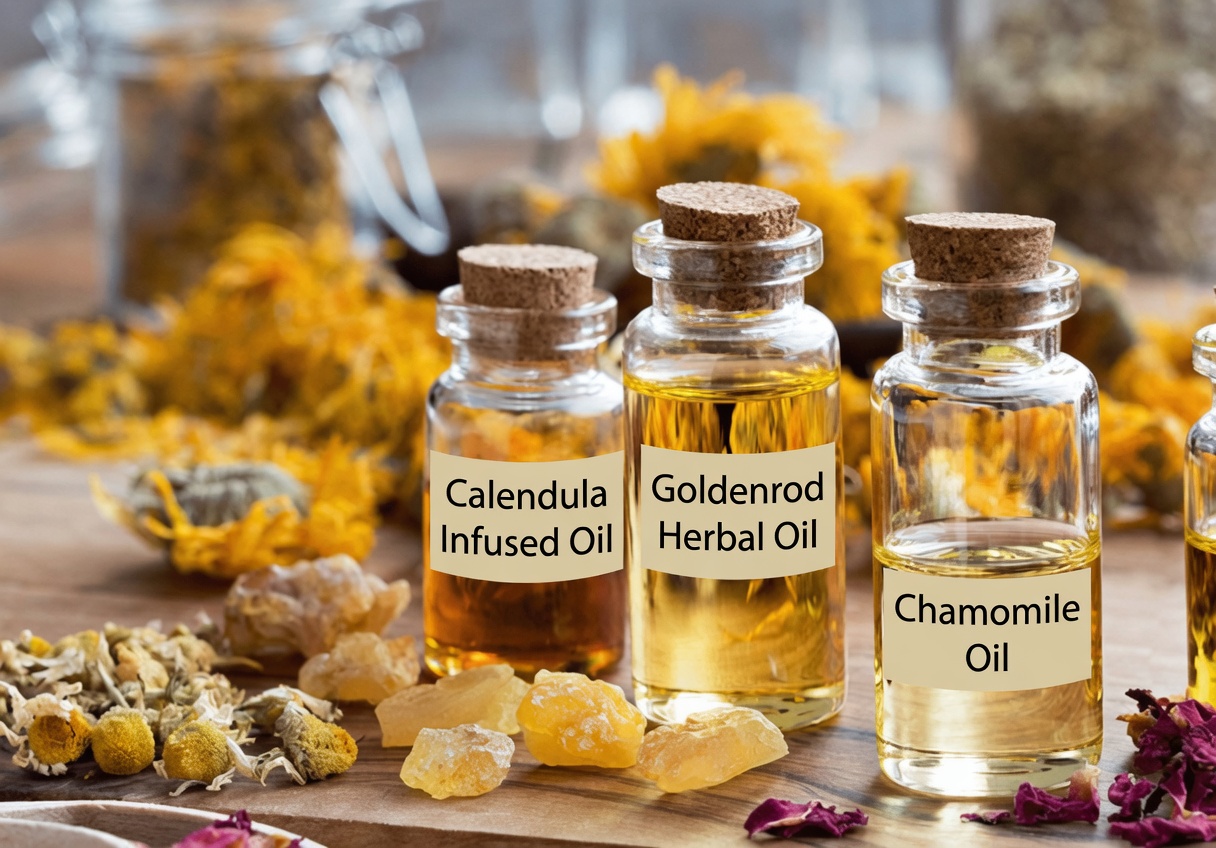
Frankincense isn’t only discussed for cellular wellness. Another area of interest is how it may influence mood and stress responses, largely based on animal studies.
One compound, incensole acetate, has shown notable effects in mice, where it appears to activate TRPV3 channels in the brain—linked in research to calming and antidepressant-like behaviors. Experiments have also suggested that the aroma of frankincense (including when burned) may affect brain regions involved in emotional regulation and may produce anxiolytic (calming) effects in animal models.
Some studies further propose that frankincense could reduce inflammation-associated mood changes by lowering pro-inflammatory cytokines—again, primarily shown in animals.
Human evidence in this area is still limited, so these results should be viewed as preliminary, not definitive.
How to Use Frankincense Safely in a Wellness Routine
If you want to try frankincense as a complementary wellness tool, safety and product quality matter. Consider these common approaches:
1. Aromatherapy (Diffusion)
A popular and simple method is using frankincense essential oil in a diffuser.
- Add a few drops to your diffuser as directed by the device instructions
- Use in a well-ventilated space
- Stop if you develop headaches, irritation, or discomfort
2. Topical Use (Diluted Essential Oil)
Frankincense oil can be applied to the skin, but it should be diluted.
- Use a 1–2% dilution in a carrier oil (such as jojoba or coconut)
- Perform a patch test first to check for sensitivity
- Avoid using undiluted essential oil directly on skin
3. Oral Supplements (Boswellia Extracts)
For people interested in internal use, studies often evaluate standardized Boswellia extracts with defined boswellic acid content (commonly 30–65%).
- Research dosing varies, often around 300–1200 mg daily
- Choose reputable brands with standardized labeling
- Consult a clinician before starting, especially if you have a condition or take medications
4. Burning Resin or Incense
Traditional use includes burning frankincense resin for its aroma.
- Use in a ventilated area
- Avoid if smoke irritates your lungs or triggers allergies
- Consider smoke-free aromatherapy if you have asthma or respiratory sensitivity
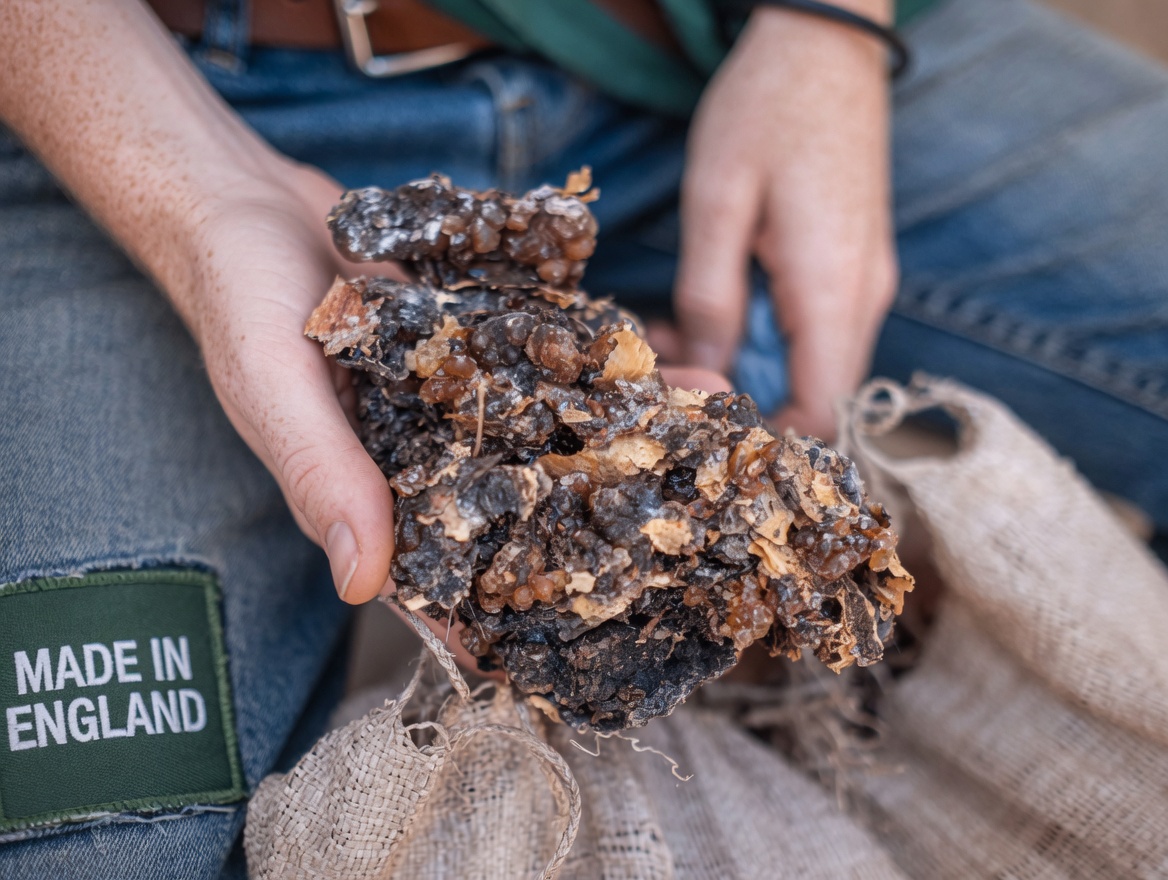
Frankincense Benefits: A Quick Summary
Frankincense is being studied for several wellness-related areas, including:
- Inflammation support: Boswellic acids may influence inflammatory signaling
- Cellular health: Early research suggests effects on apoptosis and cell viability in lab models
- Mood and stress support: Animal studies suggest calming effects tied to brain signaling
- Generally well-tolerated: Side effects tend to be mild when used properly
- Complementary approach: Often used alongside broader lifestyle and medical support—not in place of it
Safety Notes, Side Effects, and Who Should Be Cautious
Most studies report good tolerability, but side effects can occur, including:
- Skin irritation (especially with undiluted essential oil)
- Digestive upset (sometimes reported with supplements)
Use extra caution if any of the following apply:
- Pregnancy or breastfeeding: Speak with a healthcare professional first
- Allergies: Avoid if you react to tree resins or frankincense ingredients
- Medication use: Possible interactions may exist, particularly with blood thinners or anti-inflammatory medications—check with your clinician
Important: Frankincense is not a cancer treatment. It should never replace medical care, and any complementary use should be discussed with a qualified healthcare provider.
Conclusion: A Natural Remedy with Potential—And a Need for More Research
Frankincense continues to intrigue scientists for its potential roles in supporting cellular processes, promoting balanced inflammation responses, and possibly influencing mood and stress. While early findings are encouraging, much of the strongest evidence still comes from laboratory and animal studies, with limited human trials to date.
As research evolves, frankincense may remain a meaningful addition to a balanced wellness lifestyle—especially for those seeking gentle, complementary support—when used thoughtfully and safely.
FAQ
Is frankincense safe to use every day?
It can be, when used correctly (diffusion, properly diluted topical use, or standardized supplements). Start with low amounts and discontinue if irritation or discomfort occurs. If you have health conditions or take medications, consult a healthcare professional.
Can frankincense replace cancer treatments?
No. Frankincense may be explored as a complementary wellness option, but it is not a substitute for evidence-based cancer treatment or medical supervision.