Staying Ahead of Fungal Skin Infections
Heat, sweat, tight clothing, and stagnant air quietly create ideal conditions for fungal infections to grow on the skin. These triggers are easy to overlook—until itching, redness, or flaking appears and starts to interfere with comfort, daily routines, and self-confidence. Many people experience recurring problems without recognizing early warning signs or the simple lifestyle tweaks that could reduce flare-ups.
The encouraging news: by understanding common causes and making a few strategic daily changes, you can greatly lower your risk. This guide explains why fungal infections happen, how to spot them early, and practical prevention steps you can start using right away—including one often-missed habit that dermatology professionals regularly recommend.
What Are Fungal Infections and Why Do They Develop?
Fungal infections occur when certain fungi multiply excessively on the skin or in moist areas of the body. These microorganisms thrive in warm, damp environments, which is why infections are more frequent in hot, humid climates or after intense physical activity.
However, location matters. Different types of fungi favor different body zones, leading to:
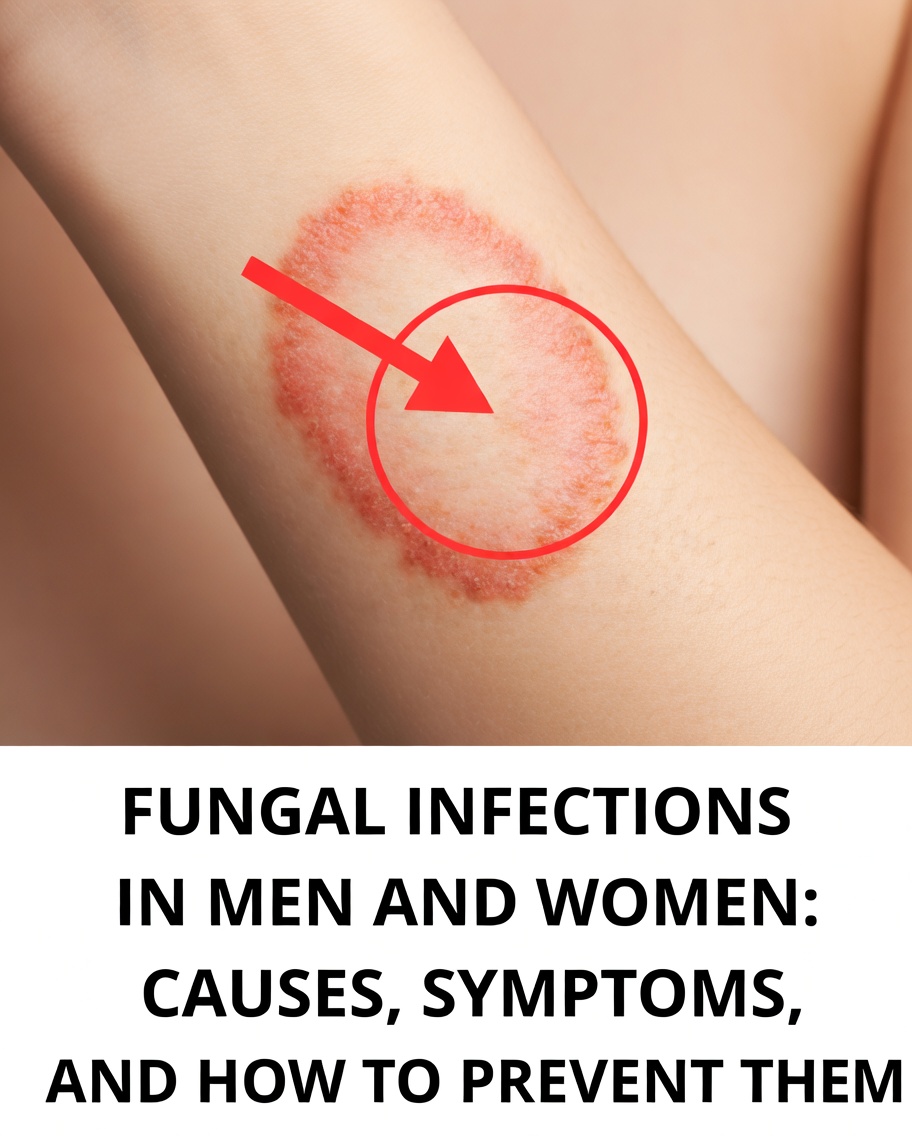
- Ring-shaped rashes on the body
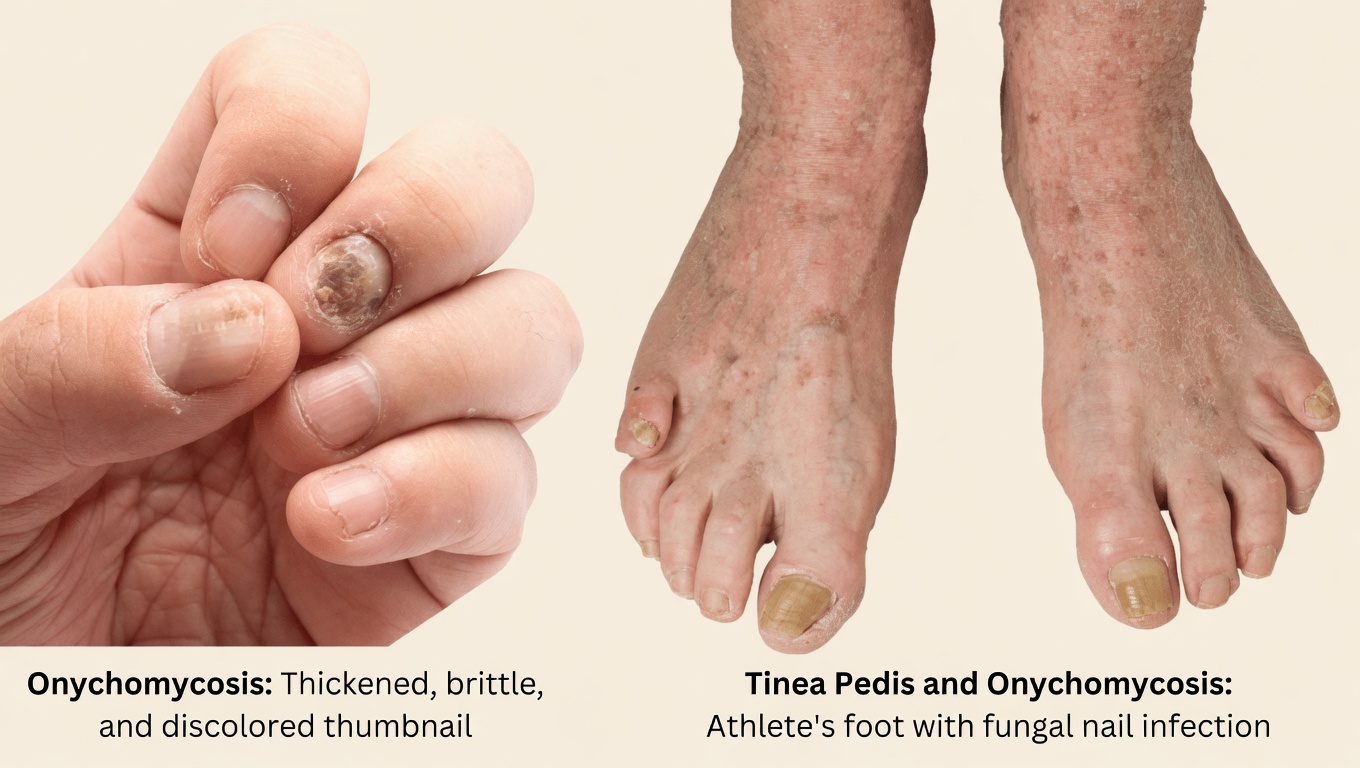
- Itching and peeling between the toes
- Irritation and discomfort in skin folds and creases
Understanding where and why these infections appear is the first step toward effective prevention.
Everyday Causes That Affect Both Men and Women
A number of routine habits and environmental factors can encourage fungal overgrowth. Key contributors include:
- Heavy sweating combined with restricted airflow from tight or synthetic clothing
- Walking barefoot in communal showers, pool areas, or locker rooms
- Sharing towels, clothing, bedding, or personal items
- Remaining in damp workout gear or wet swimsuits for extended periods
- Reduced immune function due to stress, illness, or certain medical conditions
While anyone can be affected, risk patterns often differ by gender. Men commonly face higher odds of fungal issues in the groin because of anatomy and sports-related friction. Women may be more prone to symptoms influenced by hormonal changes or other internal factors. Across all groups, though, excess moisture remains the leading facilitator of fungal growth.
Recognizing Early Signs and Symptoms
Catching a fungal infection early can make it easier to control and prevent it from spreading. Symptoms depend on the body area involved but often include persistent itching and noticeable skin changes.
Typical signs include:
-
On the body (arms, torso, legs):
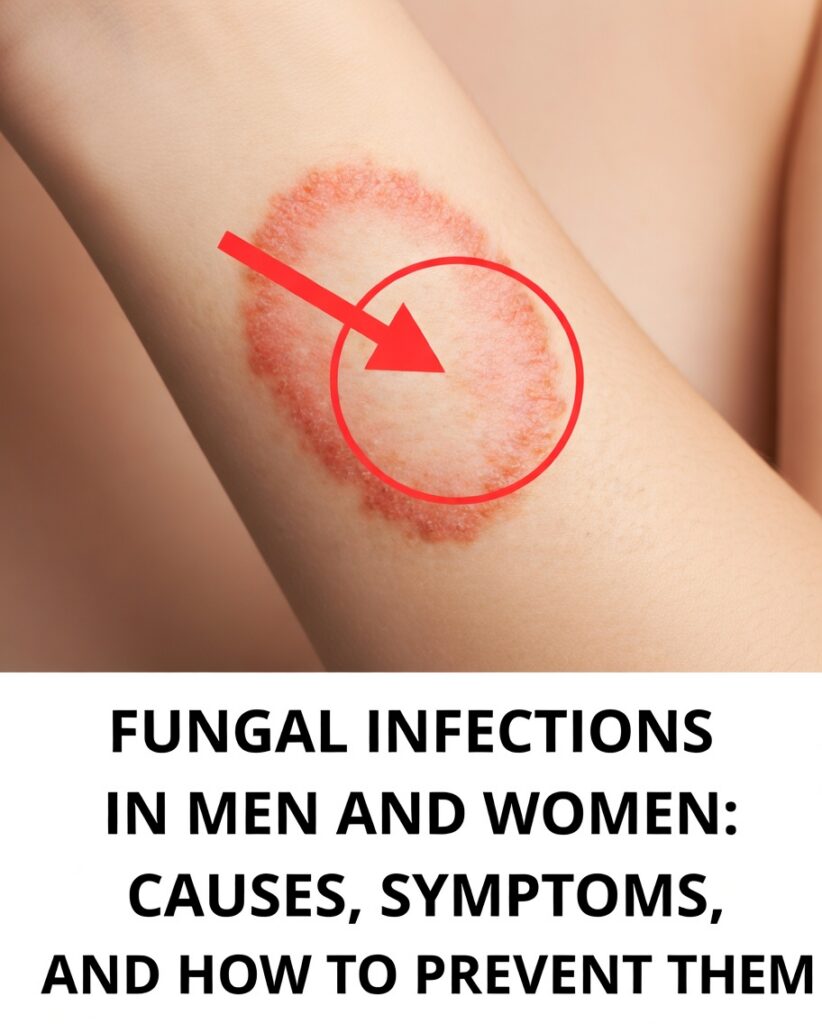
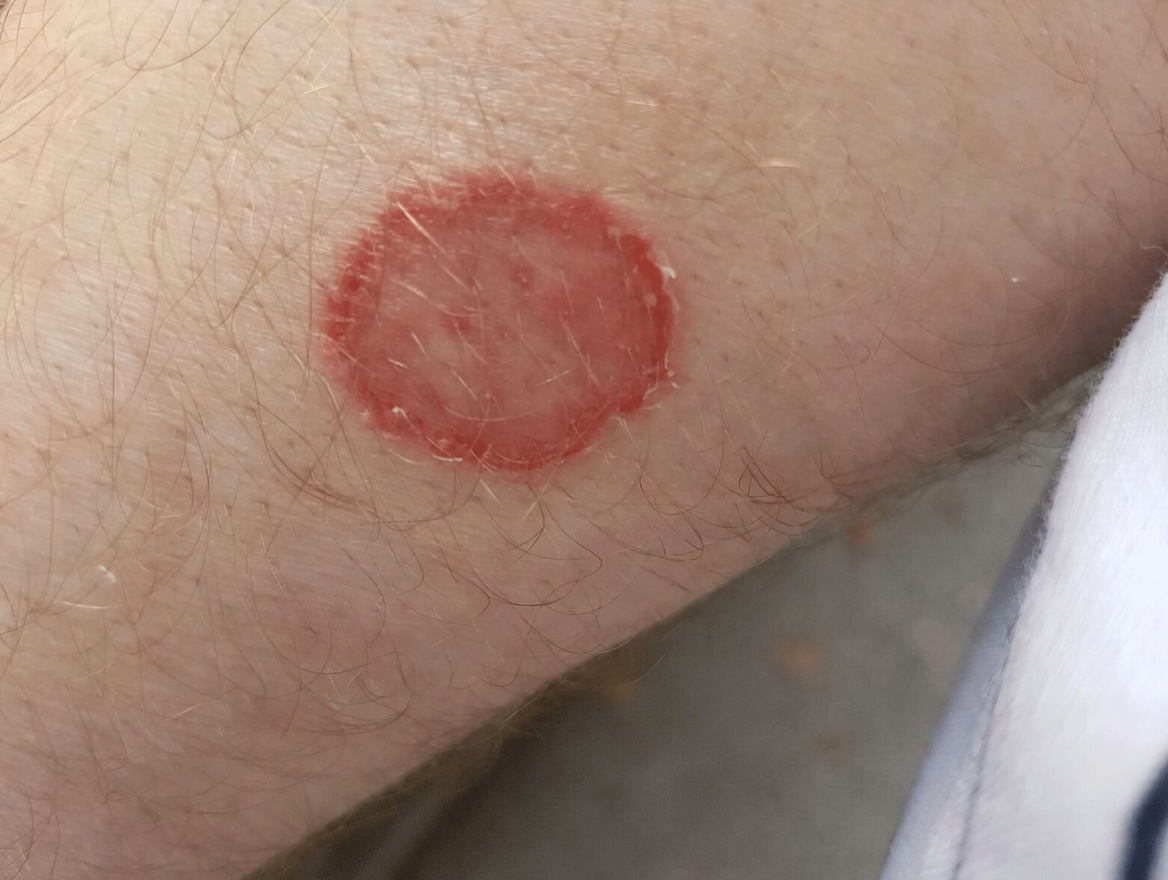
Round or ring-shaped patches with slightly raised, scaly borders—similar to what’s often shown in medical images of ringworm and related conditions. -
Between the toes (athlete’s foot):
Peeling or cracked skin, burning sensations, or raw, tender areas. -
In the groin and skin folds:
Redness, itching, and irritation in creases, especially where sweat accumulates.
Women may also notice symptoms in intimate areas, sometimes including unusual discharge or discomfort. Men more often report problems extending into the upper inner thighs and groin region. Paying attention to these early changes can support better management through lifestyle adjustments and timely care.
Why Prevention Deserves More Attention
Many people think of fungal infections as an unavoidable side effect of being active or living in a hot climate. In reality, consistent prevention can dramatically reduce how often these issues occur and how severe they become.
The central strategy is simple: disrupt the warm, damp environment where fungi flourish.
Dermatologists and health experts consistently emphasize that small, sustainable changes in daily routines often lead to noticeable improvements in skin comfort and fewer recurrences over time.
Practical Prevention Strategies You Can Start Today
To protect your skin more effectively, focus on habits that keep vulnerable areas clean, cool, and dry. These practical steps are easy to work into your everyday routine:
-
Dry thoroughly after bathing or exercise
After showering or sweating, gently but thoroughly dry your skin, paying special attention to:- Skin folds
- Between the toes
- Groin and inner thigh areas
-
Choose breathable fabrics
Opt for underwear and clothing made from airy materials like cotton that allow heat and moisture to escape. -
Change out of damp clothing quickly
Remove sweaty workout clothes or wet swimwear as soon as you can instead of wearing them for hours. -
Use footwear in public spaces
Wear flip-flops or sandals in public showers, locker rooms, pool decks, and spa areas to avoid direct contact with potentially contaminated floors. -
Practice smart laundry habits
Wash and fully dry towels, socks, and underwear regularly. Avoid sharing towels, gym clothes, or personal items with others.
Many people notice the greatest improvement from these basic changes. Additionally, applying moisture-absorbing powder to high-risk zones (such as feet and groin) after drying can help maintain dryness throughout the day.
Special Tips for Men and Women
Men and women share many of the same risk factors, but a few extra considerations can make prevention even more effective.
For Men
- If you play sports or wear tight athletic gear, pay extra attention to keeping the groin and feet clean and dry.
- Switching from tight briefs to looser boxers can improve airflow and reduce friction.
- Wearing moisture-wicking athletic clothing can help manage sweat during workouts.
For Women
- Choose breathable cotton underwear and avoid overly tight pants, especially in hot or humid weather.
- Be mindful of how hormonal changes, certain medications, or life stages (such as pregnancy or menopause) may affect moisture and balance in intimate areas.
- Maintain good daily hygiene with gentle, non-irritating products to support the skin’s natural defenses.
Here is a simple but powerful tip that often surprises people: Rotate your shoes. By alternating pairs and giving each one a full day to dry out, you significantly cut down moisture buildup inside the shoes, which can dramatically lower your risk of fungal foot problems.
Daily Habits for Long-Term Skin Health
Preventing fungal infections is not just about reacting when symptoms appear; it’s about cultivating routines that consistently support skin health.
Helpful long-term habits include:
- Keeping living spaces clean, especially bathrooms and areas where you change clothes
- Maximizing natural light and ventilation when possible to reduce dampness
- Using gentle cleansers instead of harsh products that strip or irritate the skin
- Prioritizing dryness and cleanliness in high-risk areas on a daily basis
Research and patient reports both suggest that people who consistently manage moisture and practice good hygiene in vulnerable zones experience fewer flare-ups over time.
When to Seek Professional Advice
If symptoms persist despite making these changes, or if the affected area becomes very sore, swollen, or painful, it’s important to consult a healthcare professional. A doctor or dermatologist can:
- Confirm whether the problem is fungal or something else
- Recommend appropriate treatments (such as medicated creams, powders, or oral medications)
- Provide tailored guidance based on your medical history and lifestyle
Early professional input can prevent the condition from worsening or spreading to other parts of the body.
Conclusion
Fungal skin infections are common, particularly in warm or humid environments, but they do not have to dictate your comfort or confidence. By understanding what causes them, recognizing early symptoms, and building effective prevention habits—such as keeping skin dry, choosing breathable clothing, and rotating shoes—you can actively protect your skin.
Start with one or two manageable changes today, then gradually add more as they become part of your routine. Over time, these small decisions can make a big difference in how your skin feels and how often infections occur.
FAQ
How do fungal infections spread from person to person?
Certain fungal infections can spread through:
- Direct skin-to-skin contact
- Sharing personal items such as towels, clothing, or bedding
- Walking barefoot on contaminated surfaces, especially in moist public areas
Maintaining good hygiene and avoiding sharing personal belongings are key steps to lowering this risk.
Do men and women experience fungal infections differently?
Yes. While the underlying causes are similar, patterns often differ:
- Men more frequently experience fungal infections on the feet and in the groin area, often linked to sports, tight gear, and sweat.
- Women more commonly report issues in intimate areas, sometimes influenced by hormonal changes, medications, or life stages.
However, core prevention strategies—staying dry, wearing breathable fabrics, and practicing good hygiene—are beneficial for everyone.
What lifestyle habits increase the risk of fungal infections?
Behaviors and conditions that raise the likelihood of fungal issues include:
- Wearing tight or non-breathable clothing for long periods
- Not drying the skin properly after sweating, bathing, or swimming
- Walking barefoot in communal showers, pool areas, and locker rooms
- Staying in damp workout clothes or swimsuits
- Poor ventilation in living or sleeping spaces
Addressing these factors with small, consistent adjustments can significantly improve prevention.
Disclaimer: This article is intended for informational and educational purposes only. It does not replace professional medical advice, diagnosis, or treatment. Always consult a qualified healthcare provider with any questions or concerns about your health.