
Guava Leaf Tea for Swollen Legs, Ankles, and Feet: A Simple Traditional Drink Worth Knowing
Swollen legs, ankles, and feet can affect far more than comfort. They may make standing, walking, or even resting feel exhausting, and that ongoing heaviness can leave you feeling discouraged by the end of the day. Beyond physical discomfort, persistent puffiness may also impact confidence and reduce enjoyment in daily life.
Because of this, many people explore gentle, natural ways to support everyday comfort. One traditional option that continues to attract attention is guava leaf tea. Used in different cultures for generations, this herbal drink is made from the leaves of the guava tree and is now gaining interest for its connection to overall wellness. Even more interesting, this simple tea combines long-standing traditional use with early scientific research. By the end, you’ll also find an easy home brewing method and practical tips for adding it to your routine.
What Is Guava Leaf Tea?
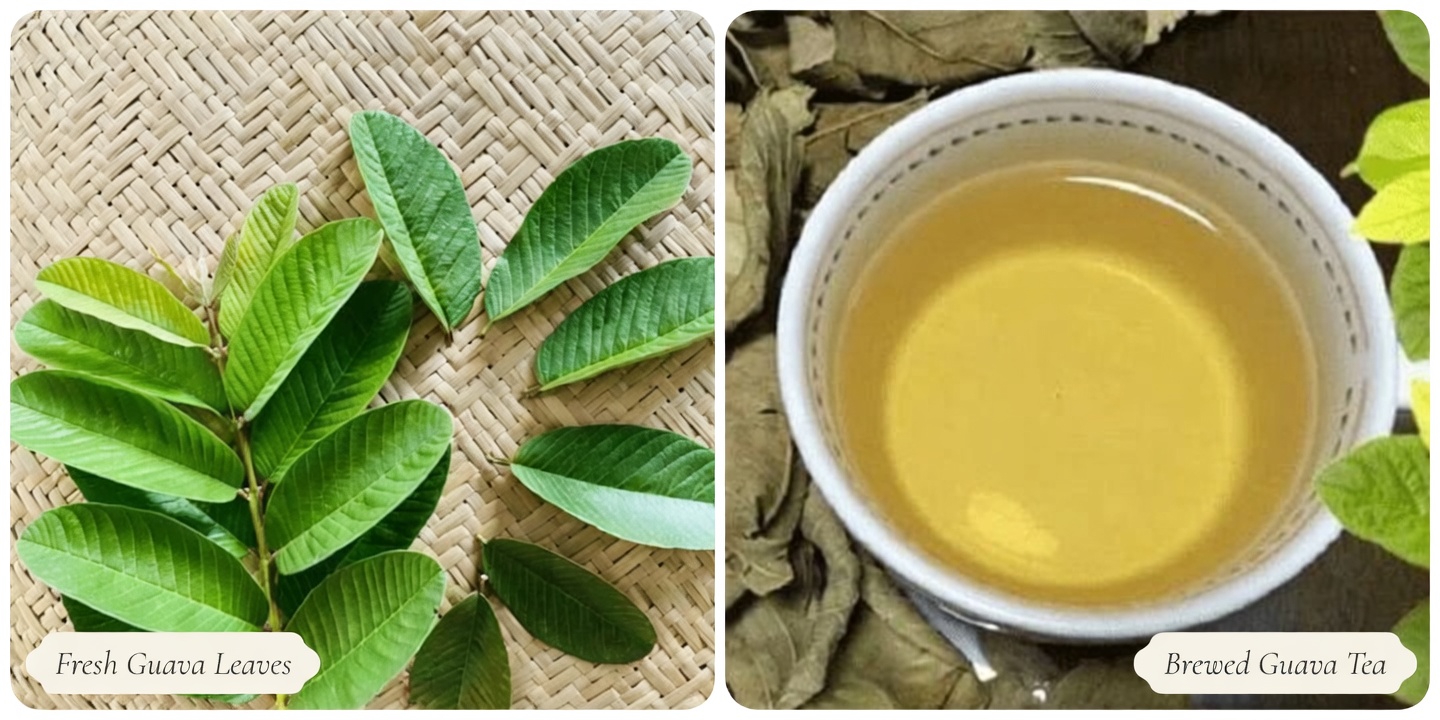
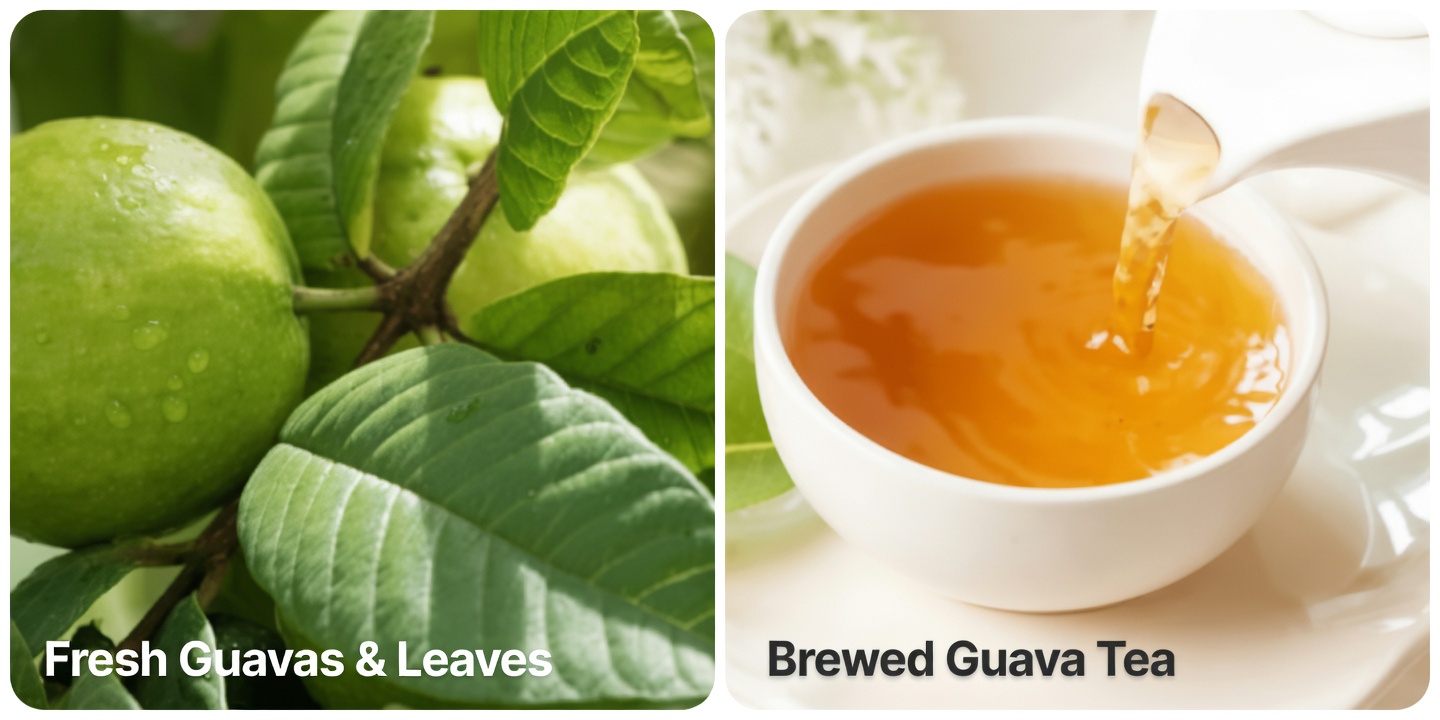
Guava leaf tea is an herbal infusion prepared by steeping the leaves of the guava tree (Psidium guajava) in hot water. The plant is native to tropical areas and is widely grown throughout Asia, including Vietnam, as well as in many other warm regions.
While the guava fruit is better known for its sweet flavor, the leaves offer a very different profile. They contain plant compounds such as:
- Flavonoids
- Tannins
- Antioxidants
These naturally occurring substances are the reason guava leaves have drawn interest in both traditional wellness practices and modern research.
In many communities, guava leaf tea has long been part of everyday health habits. The leaves may be used fresh, gently dried, or included in traditional preparations alongside other plant ingredients. One reason for its lasting popularity is its simplicity. In many places, guava trees are easy to find in gardens, markets, and local neighborhoods, making the tea an accessible and affordable herbal option.

Why Guava Leaf Tea Is Getting Attention
Interest in guava leaf tea goes beyond its mild herbal flavor. Traditional use and early research suggest it may support several areas of general wellness. Although it should not be viewed as a cure-all, studies have highlighted the leaves for their antioxidant and anti-inflammatory potential, especially due to compounds such as quercetin and guaijaverin.
These substances may help the body deal with everyday oxidative stress. Some laboratory and animal research has also suggested possible benefits related to:
- Digestive support
- Post-meal blood sugar balance
- General inflammatory response
Many people who drink it regularly describe it as a soothing addition to their daily routine, especially after meals or at the end of a long day.
Traditional wellness systems in parts of Asia and Latin America have also used guava leaves to promote a sense of lightness and circulation. While more human studies are still needed, the available information suggests that guava leaf tea may fit well into a balanced, holistic lifestyle.
Reported Benefits From Tradition and Early Research
Here is a quick overview of the most commonly discussed wellness aspects of guava leaf tea:
- Antioxidant support: Laboratory analyses suggest guava leaves may help protect cells from routine oxidative damage.
- Anti-inflammatory potential: Scientific reviews have noted compounds in the leaves that may help regulate inflammation-related pathways.
- Digestive comfort: In folk traditions, guava leaf tea is often consumed after meals for a calming effect on digestion.
- Hydration support: Drinking herbal tea may help increase daily fluid intake, which many people find useful for feeling lighter and more balanced.
How Guava Leaf Tea May Help With Everyday Leg and Foot Comfort
This is one of the most talked-about traditional uses. In hot climates or among people who spend many hours standing, swollen legs and feet are common concerns. In such settings, some families have passed down the habit of drinking guava leaf tea as a gentle daily practice.
The idea is not that it provides instant relief. Instead, it is traditionally used to support the body over time through regular, consistent use.
From a research perspective, the potential anti-inflammatory effects of guava leaf compounds are especially relevant. Flavonoids found in the leaves have been studied for how they interact with pathways related to comfort, circulation, and fluid balance. When this tea is combined with healthy habits such as:
- elevating the legs,
- staying well hydrated,
- taking light walks,
- and avoiding long periods of stillness,
some people feel a gradual improvement in how heavy or tired their legs seem by the end of the day.
It is important to understand that guava leaf tea is not a replacement for medical treatment. Instead, it can serve as a calming, plant-based habit that complements a healthy lifestyle. For many, the value lies in its simplicity: ending the day with a warm cup of tea instead of a heavily processed drink can be a meaningful shift on its own.
How to Make Guava Leaf Tea at Home
One of the best things about guava leaf tea is how easy it is to prepare. You do not need special tools or complicated ingredients. You can make it with either fresh leaves or dried leaves, depending on what is available.
Ingredients
- 8–10 young fresh guava leaves, or
- 1–2 teaspoons dried guava leaves per cup
- 1 cup filtered water
- Optional: honey or lemon
Step-by-Step Brewing Method
-
Wash the leaves well
If using fresh guava leaves, rinse them thoroughly under cool running water to remove dust or residue. -
Heat the water gently
Bring 1 cup of filtered water to a light boil. A gentle boil is better than aggressive boiling if you want to preserve delicate plant compounds. -
Steep the leaves
Add the leaves to the hot water, cover the cup or pot, and let them steep for 8 to 10 minutes. If you prefer a stronger taste, steep for up to 15 minutes. -
Strain and serve
Remove the leaves before drinking. You can enjoy the tea plain, or add a little honey or a squeeze of lemon if desired. -
Save any extra
Leftover tea can be stored in the refrigerator for up to 24 hours. Reheat gently or serve it cold over ice.
Helpful Tip
- Start with one cup in the evening and see how your body responds before increasing the amount.
Fresh vs. Dried Guava Leaves
Both forms can work well, so your choice may depend on convenience and availability.
Fresh Leaves
- More vibrant, slightly more bitter taste
- Contain natural oils at their peak
- Ideal if you have access to a guava tree or fresh market supply
Dried Leaves
- Easier to store
- Longer shelf life
- Milder flavor
- Good for busy routines or year-round use
The Bottom Line
- Fresh and dried leaves can both provide similar beneficial compounds when brewed properly
- Choose whichever option is easiest and most practical for your lifestyle
Tips for Making Guava Leaf Tea a Daily Habit
Adding guava leaf tea to your day does not need to be complicated. In fact, regular use matters more than doing it perfectly. Many people find that it becomes an enjoyable ritual after dinner or during a calm morning break.
To get the most from this habit, consider pairing it with other supportive practices:
- Take short, gentle walks
- Elevate your legs after long periods of standing
- Stay hydrated throughout the day
- Keep meals balanced and moderate in salt
- Pay attention to how your body feels
It is also wise to begin slowly. For most beginners, one cup per day is enough. If anything feels unusual, stop using it and speak with a qualified healthcare professional.
Why Guava Leaf Tea Deserves a Place in a Wellness Routine
Guava leaf tea is a good example of how traditional knowledge and modern curiosity can meet in a simple daily practice. Its potential antioxidant and anti-inflammatory properties, along with its easy preparation, help explain why it has remained popular across generations.
Whether you are looking for a calming evening drink, a natural addition to your self-care habits, or a gentle way to support daily comfort, guava leaf tea is a practical option worth exploring. Its real value may be greatest when it is combined with other healthy choices such as:
- regular movement,
- nutritious meals,
- enough water,
- and proper rest.
Try making a cup this week and see how it fits into your routine.
Frequently Asked Questions
Is guava leaf tea safe to drink every day?
For most healthy adults, guava leaf tea is generally considered well tolerated when consumed as a mild herbal tea. However, people who are pregnant, taking medication, or managing a medical condition should speak with a healthcare provider first.
How soon might I notice a difference?
Traditional use suggests that consistency over several weeks matters more than expecting immediate results. Some people simply enjoy the relaxing ritual, while others notice subtle changes over time.
Can I mix guava leaf tea with other ingredients?
Yes. Many people add:
- ginger for warmth,
- lemon for freshness,
- or a small amount of honey for sweetness.
It is often best to start with plain guava leaf tea first so you can observe how your body responds.
Disclaimer
The information in this article is for educational purposes only and is not intended to diagnose, treat, cure, or prevent any disease. If you have persistent swelling, pain, circulation problems, or any other health concern, seek advice from a qualified medical professional.