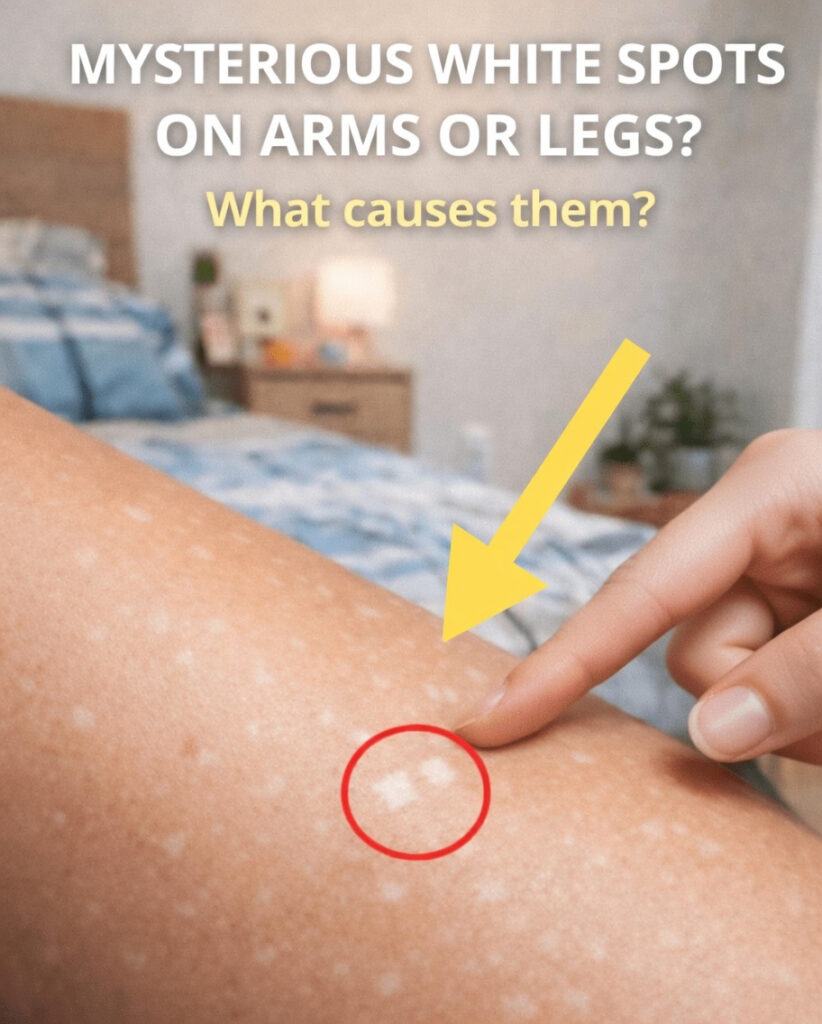
Why Small White Spots Appear on the Arms and Legs
Many adults eventually notice tiny white marks developing on their arms or legs. These spots are usually flat, painless, and easy to miss at first, but they often become more visible after the surrounding skin tans. Because they show up gradually and typically cause no discomfort, they can be confusing and raise understandable questions.
In most cases, however, these pale spots are not dangerous. Learning what causes them can be reassuring, especially since one common daily habit may affect how noticeable they become over time. Below, you’ll find the most likely explanation, other possible causes, and simple ways to care for your skin.
What Do These White Spots Usually Look Like?
Small white spots on the skin are often:
- About 2 to 5 millimeters wide
- Round or oval in shape
- Flat rather than raised
- Lighter than the surrounding skin
- Smooth, without flaking or roughness
They commonly appear on areas that receive frequent sun exposure, including:
- Forearms
- Shins
- Backs of the hands
- Upper chest
Unlike irritated rashes or dry, scaly patches, these marks generally do not itch, sting, or hurt. They can stand out more during summer or after time outdoors because the nearby skin darkens while the pale areas do not.
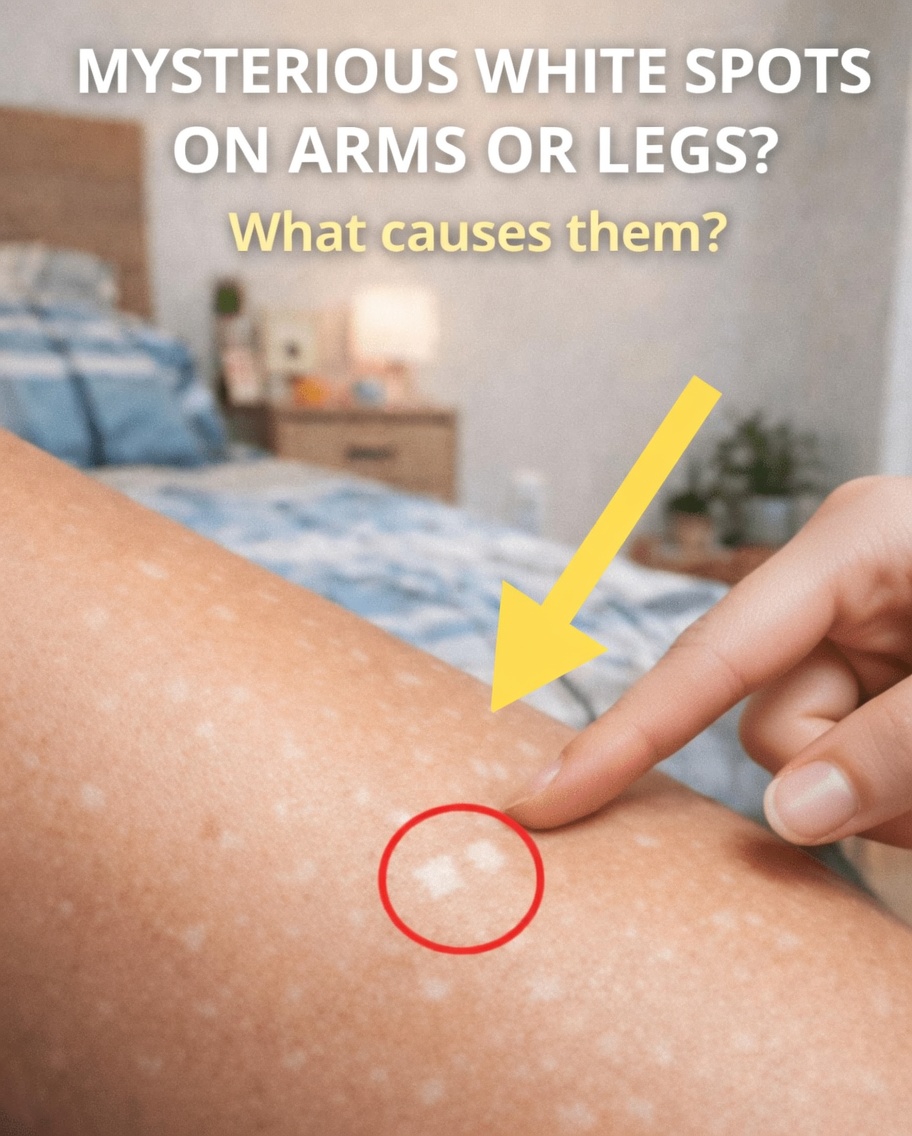
For many people, this creates a speckled effect sometimes described as “reverse freckles.” The reassuring part is that these spots are usually harmless and are not a sign of a serious medical problem.
A Common Cause: Long-Term Sun Exposure
One of the most frequent explanations for these tiny white spots is idiopathic guttate hypomelanosis (IGH). Dermatologists often identify IGH when small pale marks develop on the arms and legs after years of sun exposure.
IGH is believed to happen when repeated ultraviolet (UV) exposure affects pigment production in certain small areas of the skin. Over time, those spots produce less melanin than the surrounding skin, creating the visible contrast.
This condition is especially common in:
- Adults over 40
- People with lighter skin tones
- Individuals with a long history of outdoor activity
- Those who have not consistently used sun protection
Experts often view IGH as one of the normal changes associated with aging skin, much like fine lines or graying hair. Most importantly, it is considered benign and is not linked to skin cancer or other serious health conditions.
That said, while IGH is harmless, daily skin care habits may help reduce the likelihood of additional spots becoming more noticeable.
Other Possible Causes of White Spots on Skin
Although IGH is a leading reason for white spots on the arms and legs, it is not the only one. Other conditions can also lead to lighter patches of skin.
1. Tinea Versicolor
This condition is caused by an overgrowth of yeast that naturally lives on the skin. It can interfere with normal pigment production and leave lighter areas behind.
Common features include:
- Often appears on the chest, back, or upper arms
- May have mild scaling
- Can be more noticeable in warm or humid weather
2. Pityriasis Alba
Pityriasis alba is often linked to mild eczema or dry skin. It tends to be more common in children and younger adults.
Typical signs include:
- Light patches left behind after minor inflammation
- Commonly affects the face, arms, or legs
- Usually temporary
3. Post-Inflammatory Pigment Changes
After the skin heals from irritation, it may not immediately regain its normal tone. This can happen after:
- Insect bites
- Minor cuts
- Rashes
- Skin irritation
In these cases, lighter marks may remain for some time before gradually blending in.
4. Environmental or Nutritional Factors
Skin hydration, general lifestyle, and mild nutritional changes may sometimes influence skin appearance. While the evidence is less clear here, these factors can still play a supporting role in overall skin health.
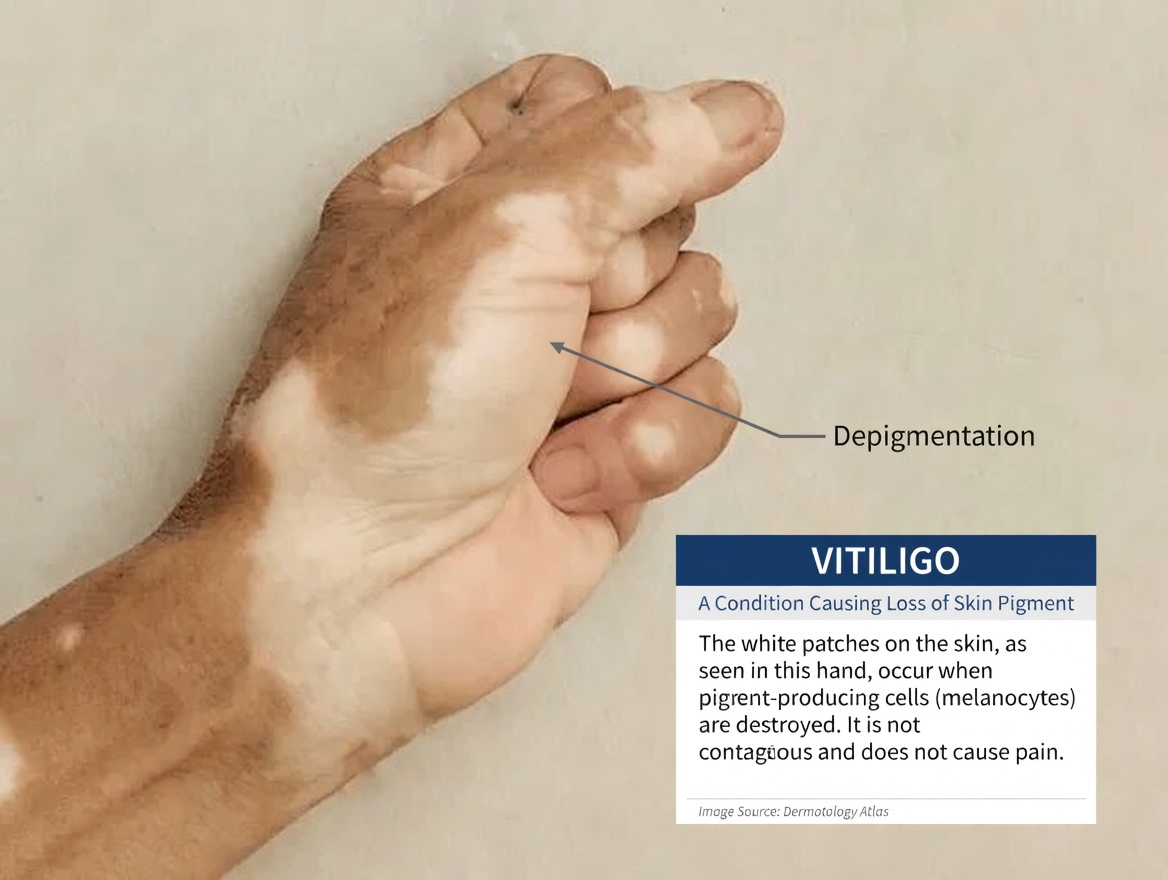
In most situations, these causes are cosmetic rather than dangerous. Still, it helps to pay attention to any changes in how the spots look or behave.
Everyday Habits That Help Support Healthier-Looking Skin
You cannot erase all past sun exposure, but you can take practical steps to care for your skin now. Simple routines can make a difference over time, especially when practiced consistently.
Use Sunscreen Every Day
Apply a broad-spectrum sunscreen with SPF 30 or higher daily. This matters even on cloudy days or when you spend much of your time indoors near windows.
- Reapply every two hours if outdoors
- Use more often if sweating or swimming
- Cover commonly exposed areas like arms, hands, and legs
Wear Protective Clothing
Sun-protective clothing creates a physical barrier against UV rays.
Helpful options include:
- Long sleeves
- Lightweight trousers
- Wide-brimmed hats
Try to be extra careful during peak sunlight hours, usually between 10 a.m. and 4 p.m.
Moisturize Regularly
Keeping skin well hydrated supports the natural barrier and can improve the overall appearance of uneven texture.
Look for fragrance-free moisturizers with ingredients such as:
- Ceramides
- Hyaluronic acid
- Glycerin
Apply once or twice daily, or more often if your skin feels dry.
Exfoliate Gently
Mild exfoliation can help skin feel smoother and encourage more even turnover.
Good options include:
- A soft washcloth
- A gentle chemical exfoliant
- Light exfoliation once or twice weekly
Avoid aggressive scrubbing, which may irritate the skin and worsen its appearance.
Eat for Skin Support
A balanced diet can help support skin from the inside out. Focus on foods rich in antioxidants and healthy fats, such as:
- Colorful fruits
- Vegetables
- Nuts and seeds
- Avocados
- Fatty fish
Consistency matters more than doing everything perfectly. Over time, these habits may help your skin look smoother, healthier, and more even.
Helpful Prevention Habits at a Glance
| Habit | Why It Helps | How Often |
|---|---|---|
| Sunscreen | Protects skin from UV exposure that can affect pigment | Daily, reapply as needed |
| Moisturizing | Strengthens the skin barrier and improves hydration | Twice daily or as needed |
| Protective clothing | Reduces direct sun exposure | Whenever outdoors for long periods |
| Gentle exfoliation | Supports smoother texture and natural turnover | 1–2 times per week |
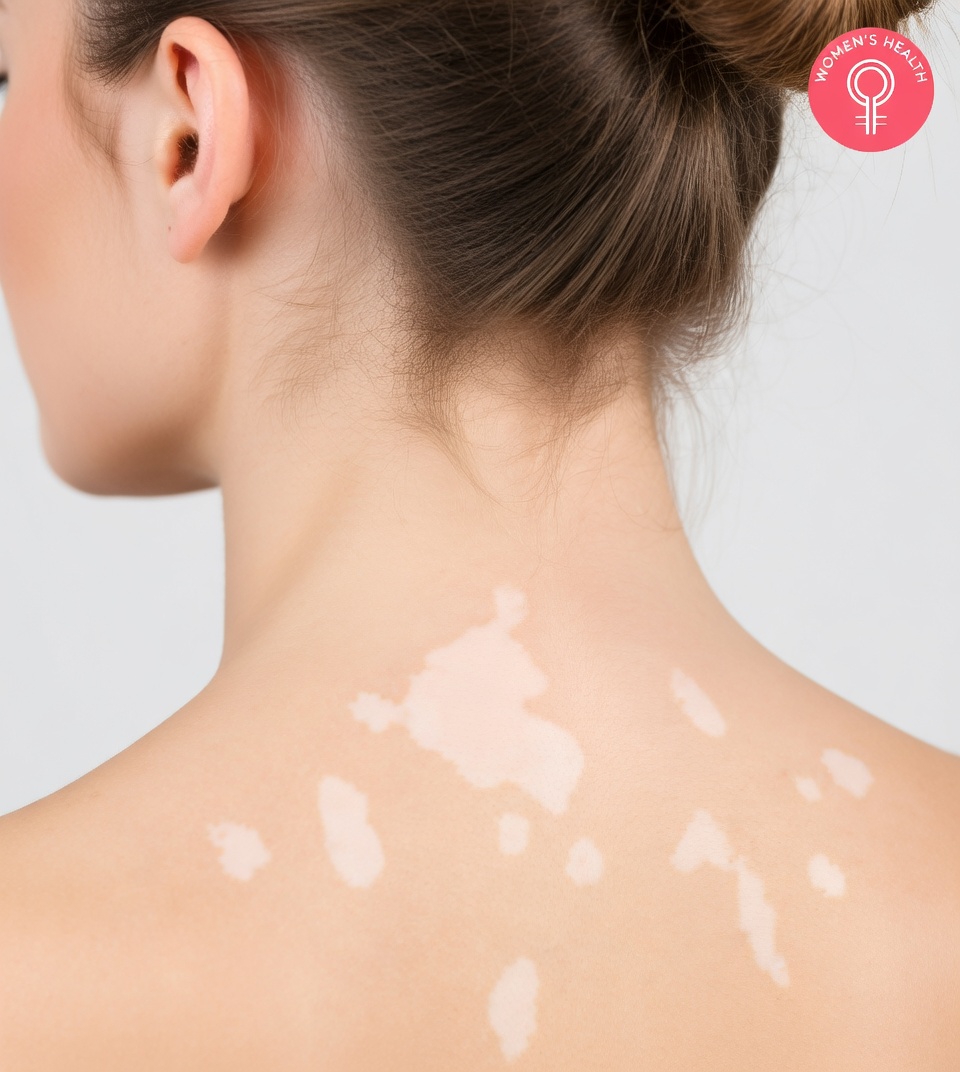
Small, realistic changes in your daily routine can add up and help maintain your skin’s appearance over the long term.
When to See a Dermatologist
Most white spots on the arms and legs do not require treatment, but there are times when a professional evaluation is a good idea.
Consider seeing a dermatologist if:
- The spots spread quickly
- Their shape or size changes noticeably
- You develop itching, redness, or scaling
- Many new spots appear suddenly
- You want advice for cosmetic improvement or treatment options
A board-certified dermatologist can examine your skin closely and determine whether the spots are due to IGH or another condition.
Conclusion
Tiny white spots on the arms and legs are very common, especially in adults with years of sun exposure. In many cases, they are caused by idiopathic guttate hypomelanosis, a harmless skin change linked to aging and cumulative UV exposure.
Understanding that these spots are usually benign can reduce worry. At the same time, building healthy habits like regular sun protection, daily moisturizing, and gentle skin care can help support a smoother, more balanced skin appearance in the future.
Frequently Asked Questions
Are small white spots on the arms and legs usually serious?
No. In most cases, they are harmless cosmetic changes related to long-term sun exposure and natural skin aging.
Can these white spots disappear on their own?
They often remain, but they do not always become significantly worse. Preventive care may help reduce the appearance of new spots over time.
What lifestyle habits help the most?
Daily sun protection and regular moisturizing are among the most effective steps. A nutritious diet and gentle skin care routine can also support overall skin health.
Disclaimer
This article is for informational purposes only and does not replace professional medical advice. For personal guidance about white spots or any other skin concern, consult a qualified healthcare provider or dermatologist.