Supporting Your Spine and Bones as You Age
By the time many people reach their 40s and beyond, subtle changes start to show up: occasional stiffness after sitting, a bit of tightness in the lower back, or a slight shift in posture. Over months and years, these small shifts can influence daily comfort, self-confidence, and even how your clothes hang on your body.
As these changes accumulate, questions about bone strength and spinal health naturally arise. Because the spine is central to balance and movement, its condition has a powerful impact on how you feel and function day to day.
The positive side: simple, consistent habits woven into your routine can help support bone density and encourage better posture—without requiring a complete lifestyle overhaul.
In the following sections, you’ll find practical, research-informed strategies that may benefit your spine and bones over time. Keep reading to discover one often overlooked daily habit toward the end that can help tie all your efforts together for long-term spinal support.
How Your Spine and Bone Density Are Linked
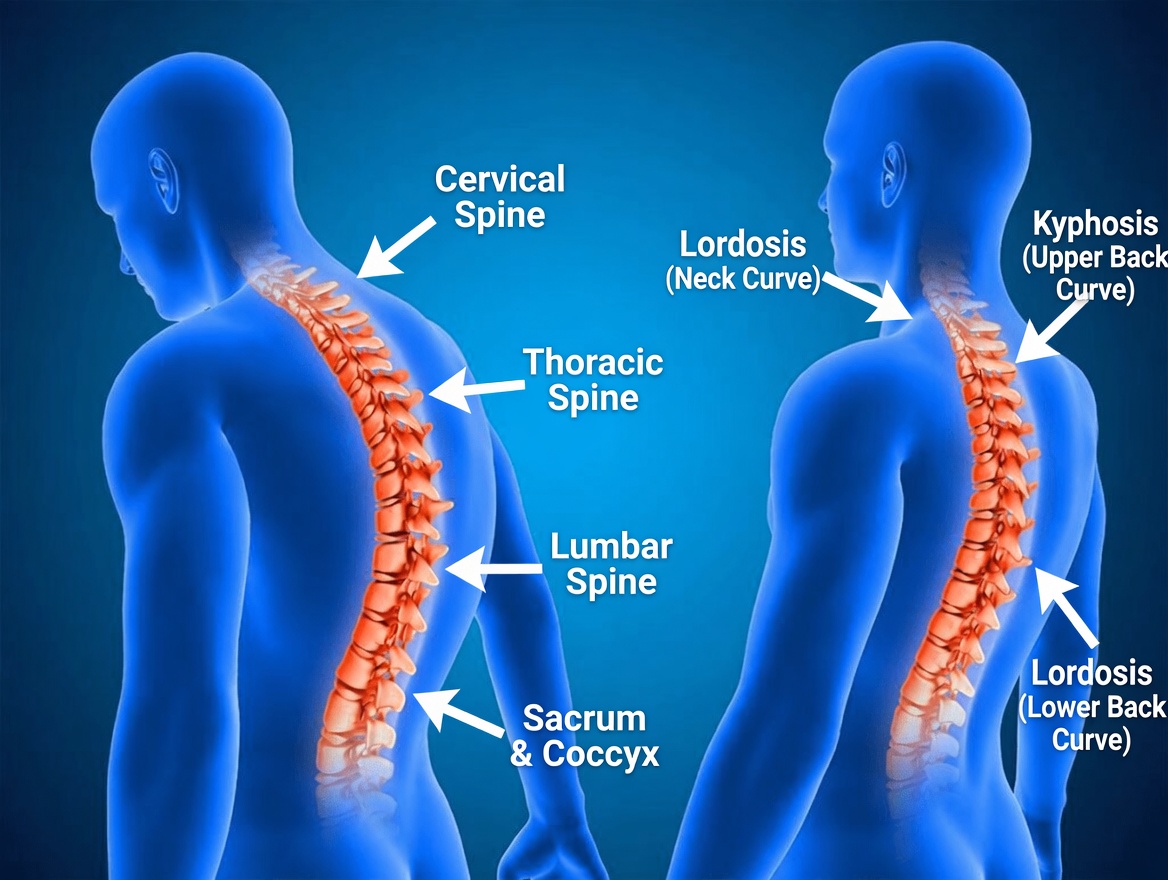
Your spine is made up of 33 vertebrae stacked one on top of another. Together, they support your body weight, protect the spinal cord, and enable you to bend, twist, and move through the world.
For these vertebrae to do their job well, they need adequate bone density. Dense, strong bones are more resilient to everyday stresses—whether that’s lifting groceries, playing with grandchildren, or exercising.
As we age, it’s normal for bone density to decline. Research from major medical centers, including the Mayo Clinic, shows that preserving bone mass is closely tied to maintaining mobility and independence later in life.
When bone density drops too far, the spinal vertebrae become more susceptible to compression and changes in shape, which leads directly into one of the most common bone concerns: osteoporosis.
What Is Osteoporosis and How Does It Affect the Spine?
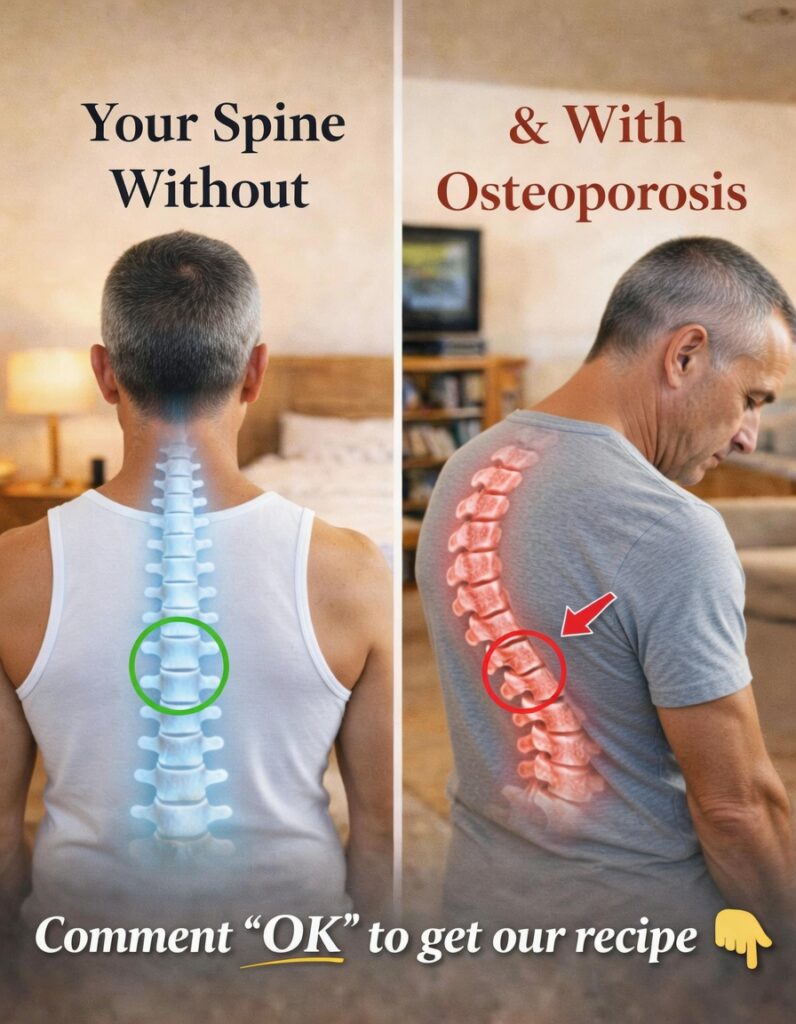
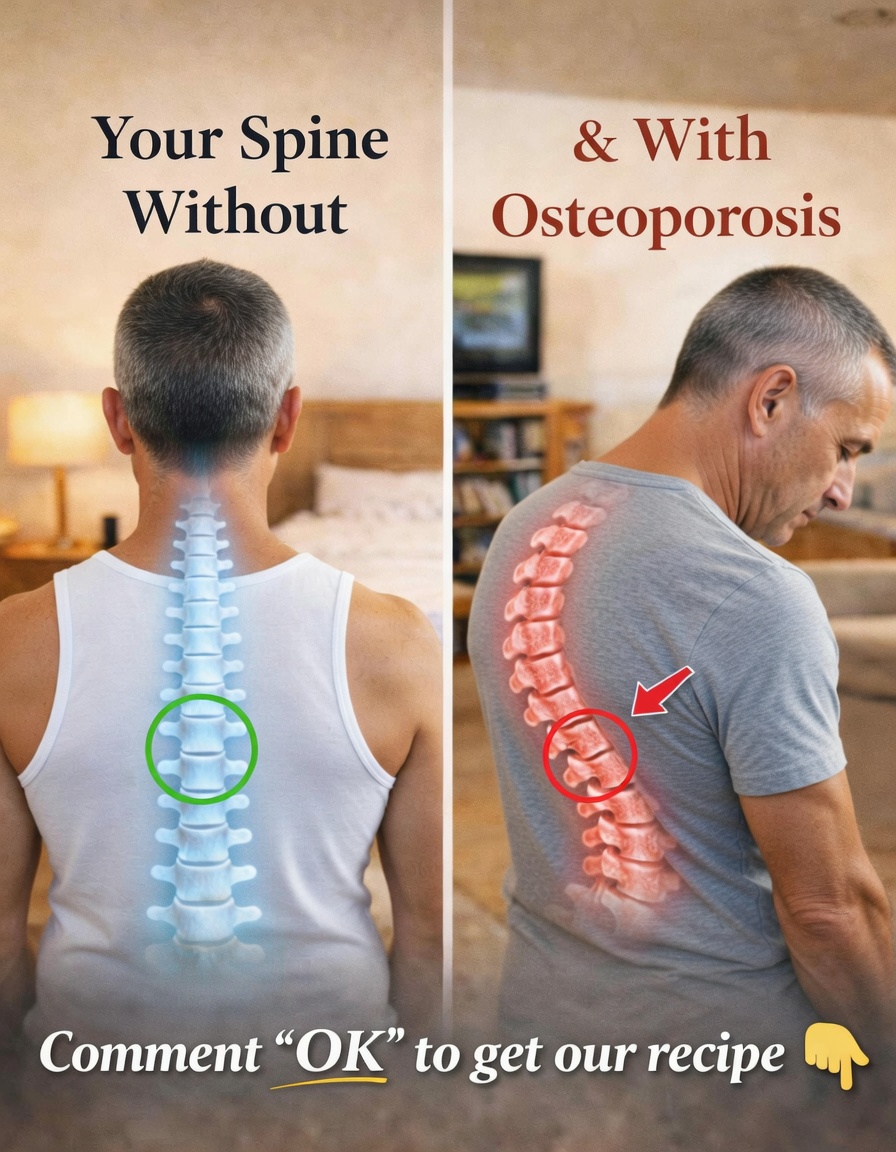
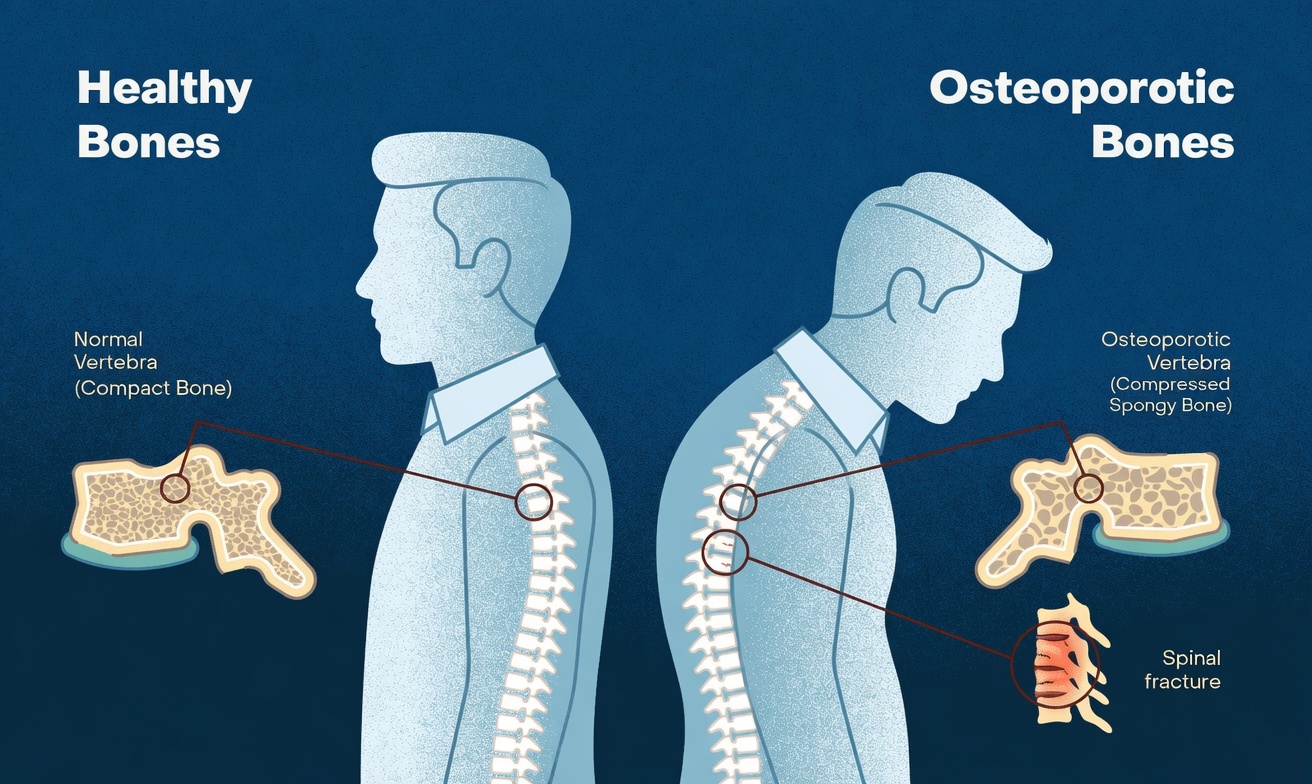
Osteoporosis is a condition in which bones become less dense, weaker, and more prone to fracture. It usually develops gradually, often without obvious symptoms until a fracture or noticeable change in posture occurs.
The spine is particularly vulnerable because it supports so much of the body’s weight. When the vertebrae lose strength:
- Spinal alignment can change (for example, a more rounded upper back)
- Everyday motions like bending or twisting may feel more uncomfortable
- The risk of vertebral fractures increases
The reassuring part is that while age-related bone loss is common, lifestyle choices can support your body’s natural ability to maintain and rebuild bone.
Why Prioritizing Spinal Health Really Matters
A strong, well-aligned spine:
- Improves balance and coordination
- Reduces strain on surrounding muscles and joints
- Helps you move more freely and confidently
In contrast, poor posture or weakened bones can gradually lead to a forward-leaning stance, increased stiffness, and more fatigue from everyday tasks.
Bone health specialists emphasize that supporting both bone density and the muscles that surround the spine leads to better overall stability. This becomes especially important as the years go by, when good posture and spinal strength can make the difference between moving with ease and feeling restricted.
Nutrition Strategies to Help Maintain Strong Bones
Your diet forms the foundation of bone health. Certain nutrients are especially important for preserving bone density and supporting the spine.
Key Nutrients for Bone Support
Calcium is one of the most critical minerals for strong bones. Most health guidelines suggest that adults aim for roughly 1,000–1,200 mg per day, depending on age and sex.
Calcium-rich foods to include regularly:
- Dairy products such as yogurt, cheese, and milk
- Dark leafy greens like kale, collard greens, and broccoli
- Almonds and other nuts
- Canned fish with soft, edible bones (for example, sardines)
- Fortified plant-based milks and breakfast cereals
Vitamin D works alongside calcium, helping your body absorb and use it effectively. Many experts recommend 600–800 IU of vitamin D per day, though individual needs may vary.
Vitamin D sources include:
- Moderate sun exposure
- Fatty fish such as salmon or mackerel
- Egg yolks
- Fortified dairy and plant-based products
Consistency matters more than occasional “perfect” days. Regularly pairing calcium and vitamin D can have a more meaningful impact than taking them sporadically.
In addition, research has highlighted the importance of magnesium and vitamin K, which are found in nuts, seeds, and leafy greens. These nutrients support the overall structure and mineralization of bone.
Movement Habits for Bone Strength and Better Posture
Physical activity is one of the most powerful tools you have to support bone density. Weight-bearing exercises—activities where your body works against gravity—signal your bones to stay strong.
These same movements also help improve posture by strengthening the muscles that stabilize your spine.
Try incorporating some of the following activities on most days of the week:
- Brisk walking for about 30 minutes
- Light resistance training with dumbbells, resistance bands, or bodyweight
- Dancing or low-impact aerobics to keep things fun and engaging
- Yoga or Pilates to combine strength, balance, and flexibility
Studies from leading health organizations show that regular weight-bearing movement can slow the rate of bone loss and support better alignment over time.
Everyday Posture Tweaks That Reduce Strain
Posture is more than a cosmetic issue—it directly affects the amount of pressure placed on your vertebrae and surrounding muscles.
Start by building simple posture awareness into your day. You might set a reminder on your phone or computer to check your alignment every hour.
Helpful posture tips include:
- Relax your shoulders and gently draw them back instead of hunching forward
- Keep your computer screen at eye level to avoid craning your neck
- Take a short standing or walking break every 30–45 minutes if you sit for work
- Visualize a string attached to the crown of your head, lightly pulling you upward
Over time, these minor adjustments can noticeably improve how your back feels and how upright you stand.
Building Core Strength to Stabilize the Spine
Your core includes the muscles of your abdomen, lower back, hips, and pelvis. Think of them as a natural corset that supports your spine from all sides. When these muscles are strong, they help:
- Maintain proper alignment
- Decrease stress on the vertebrae
- Make everyday movements—like lifting, carrying, or climbing stairs—feel easier
Beginner-friendly core exercises to consider:
- Planks: Start by holding for 20–30 seconds, gradually increasing as you get stronger
- Bird-dog: On hands and knees, extend the opposite arm and leg, then switch sides
- Bridges: Lying on your back, bend your knees and gently lift your hips off the floor
Aim to perform these exercises 3–4 times a week. Consistency is key; even short, regular sessions can build noticeable support for your spine.
Gentle Stretching to Keep Your Back Flexible
Back stiffness is often related to tight muscles rather than the bones themselves. Gentle stretching can help maintain flexibility and reduce tension around the spine.
A simple daily stretching routine might include:
- Cat-Cow Pose: On hands and knees, alternate slowly between arching and rounding your back
- Child’s Pose: From a kneeling position, sit back toward your heels and extend your arms forward
- Knee-to-Chest Stretch: Lying on your back, gently pull one knee toward your chest, then switch
Spending just 5–10 minutes each morning or evening on these stretches can help your back feel looser and more comfortable over time.
Lifestyle Habits That Influence Bone and Spine Health
Beyond nutrition and exercise, several everyday lifestyle choices can significantly affect your bone and spinal health.
Key factors to consider:
- Smoking: Tobacco use is linked to reduced calcium absorption and lower bone density
- Alcohol: Excessive drinking can interfere with hormones and nutrients important for bones; staying within recommended limits supports better bone health
- Sleep: Getting consistent, quality sleep gives your body time to repair tissues, including bone and muscle
- Stress management: Chronic tension often shows up in the neck, shoulders, and back, influencing posture and comfort
That “overlooked” habit that ties everything together? For many people, it’s prioritizing restorative sleep. When you sleep well, your body is better able to rebuild bone, relax tight muscles, and recover from the demands of daily movement—amplifying the benefits of all your other healthy habits.
Designing Your Personal Daily Bone-Support Routine
The most effective approach usually blends several small habits rather than depending on a single change.
You might start by choosing just two or three manageable actions this week, such as:
- Add a calcium- and vitamin D–rich breakfast (for example, fortified yogurt with nuts).
- Take a 10–20 minute walk after lunch or dinner.
- Set a posture reminder while working and do a quick stretch when it goes off.
As these practices become familiar, you can gradually layer in core exercises, additional stretches, or an earlier bedtime. Over time, many people find they feel more energized, steadier on their feet, and more confident in their posture.
When to Talk With a Healthcare Professional
While lifestyle changes are valuable, it’s also important to know when to seek medical guidance.
Consider consulting a healthcare professional if you:
- Notice ongoing or worsening back pain
- See gradual changes in height or a more pronounced forward curve in your upper back
- Have a family history of osteoporosis or fractures
- Are unsure whether you’re getting enough bone-supportive nutrients
A doctor or specialist can recommend appropriate tests, such as a bone density scan (DEXA), and discuss tailored strategies or treatments if needed. Early insight allows you to take proactive steps rather than waiting for problems to escalate.
Long-Term Spine Care: Bringing It All Together
Caring for your spine and bones is an ongoing investment in your future mobility and comfort. By combining:
- Nutrient-rich meals
- Regular weight-bearing and strengthening exercise
- Daily posture awareness
- Gentle stretching
- Restorative sleep and other healthy lifestyle choices
you create a powerful, proactive plan to support bone density and an upright, comfortable posture as you age.
There is no single magic habit, but the steady combination of these simple practices can make a real difference over the years. Start with what feels achievable today—your future self is likely to be grateful for the steps you’re taking now toward long-term spinal wellness.
FAQ
How much exercise do I need weekly to support bone health?
Most guidelines suggest aiming for at least 150 minutes of moderate-intensity activity per week, such as brisk walking, plus strength or resistance training on 2–3 days. Including weight-bearing and impact-style movements (within your comfort and safety limits) is especially helpful for bone health. Even shorter daily walks are beneficial if done consistently.
What are the top foods for bone support?
Focus on:
- Calcium-rich foods: dairy products, fortified plant milks, leafy greens, tofu, and canned fish with bones
- Vitamin D sources: fatty fish, egg yolks, and fortified foods
- Magnesium and vitamin K: nuts, seeds, beans, and green vegetables
Combining these foods regularly helps create a nutrient base that supports strong bones and a healthy spine.
Can poor posture be improved at any age?
Yes. Posture can be improved at virtually any stage of life with consistent awareness and targeted strengthening and stretching. By:
- Practicing good sitting and standing habits
- Strengthening your core and upper back muscles
- Stretching tight areas like the chest, hips, and lower back
many people notice better alignment, reduced discomfort, and a more upright stance—even if they’ve struggled with posture for years.