If you take amlodipine to lower high blood pressure or reduce angina, you may have noticed side effects that make daily routines more difficult than expected. Puffy ankles that make shoes feel snug, headaches that appear out of nowhere, or a sudden flushed feeling in your face can interfere with sleep, mood, and even basic activities like walking up stairs. It is frustrating when a medication designed to protect your heart also brings new discomforts. The reassuring part is that these reactions are usually recognized, manageable, and often improve with time. There is also one simple practical approach many people miss that can noticeably improve how they feel, and you will find it later in this guide.
What Is Amlodipine and Why Is It Prescribed?
Amlodipine belongs to a group of medicines called calcium channel blockers. It works by relaxing and widening blood vessels, which helps blood move more easily through the body. Doctors commonly prescribe it for:
- High blood pressure
- Chest pain caused by angina
Millions of adults use amlodipine every day. Although it is effective for many patients, it can also cause side effects because it changes circulation and influences how fluid shifts in the body. Understanding what may happen can help you respond calmly and continue treatment with more confidence.
10 Common Amlodipine Side Effects to Watch For
According to information from sources such as the Mayo Clinic and the NHS, most side effects are mild and may ease as the body adjusts. Below is a practical overview of the 10 side effects most often reported, along with easy ways to reduce discomfort.
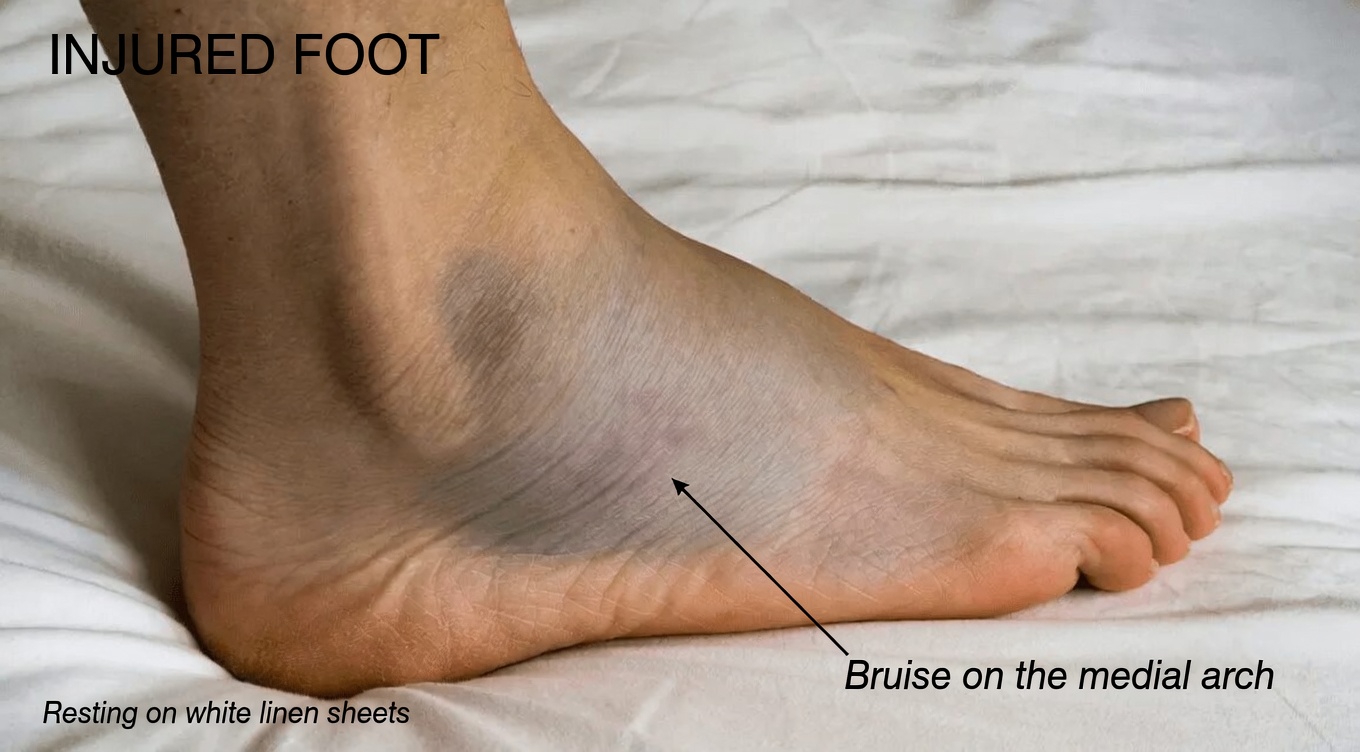
1. Swelling in the Ankles, Feet, or Lower Legs
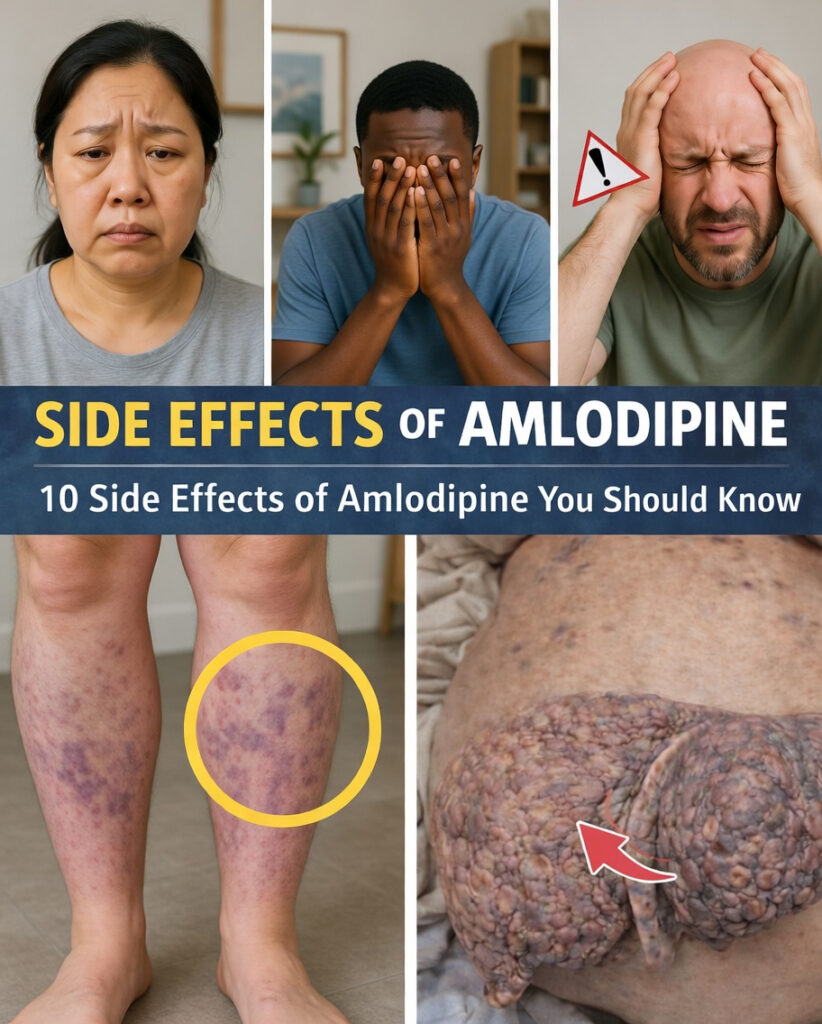
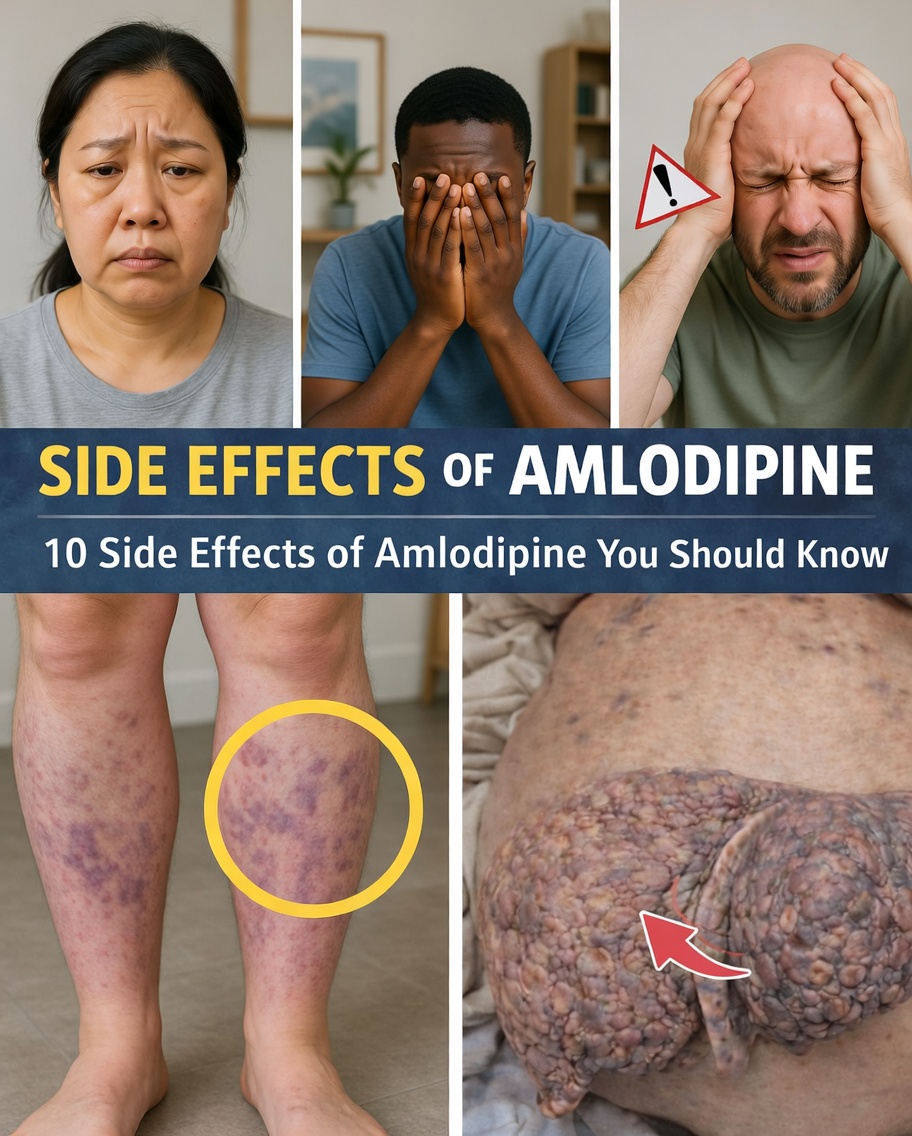
This is the most common issue linked to amlodipine and is often referred to as peripheral edema. Because the medicine relaxes blood vessels, fluid may collect in the lower part of the body. Mayo Clinic data suggests it may affect roughly 10% to 15% of users, especially at higher doses.
Helpful steps you can try:
- Raise your legs above heart level for 15 to 20 minutes several times a day.
- Use compression socks during daytime hours.
- Limit salt and drink enough plain water.
2. Headaches
A mild to throbbing headache is common when starting amlodipine. The NHS notes that this symptom often improves during the first week of treatment.
Ways to get relief:
- Drink enough fluids and rest in a quiet place.
- Put a cool cloth or compress on your forehead.
- Speak with your doctor if the headache continues beyond a week.
3. Dizziness or Lightheadedness
Some people feel unsteady or faint, especially when standing up quickly. This may happen when blood pressure drops faster than the body expects. WebMD lists dizziness among the most frequent complaints.
Safer habits to follow:
- Stand up slowly after sitting or lying down.
- Avoid driving or using machinery until you know how amlodipine affects you.
- Keep a light snack nearby if low blood sugar seems to make symptoms worse.
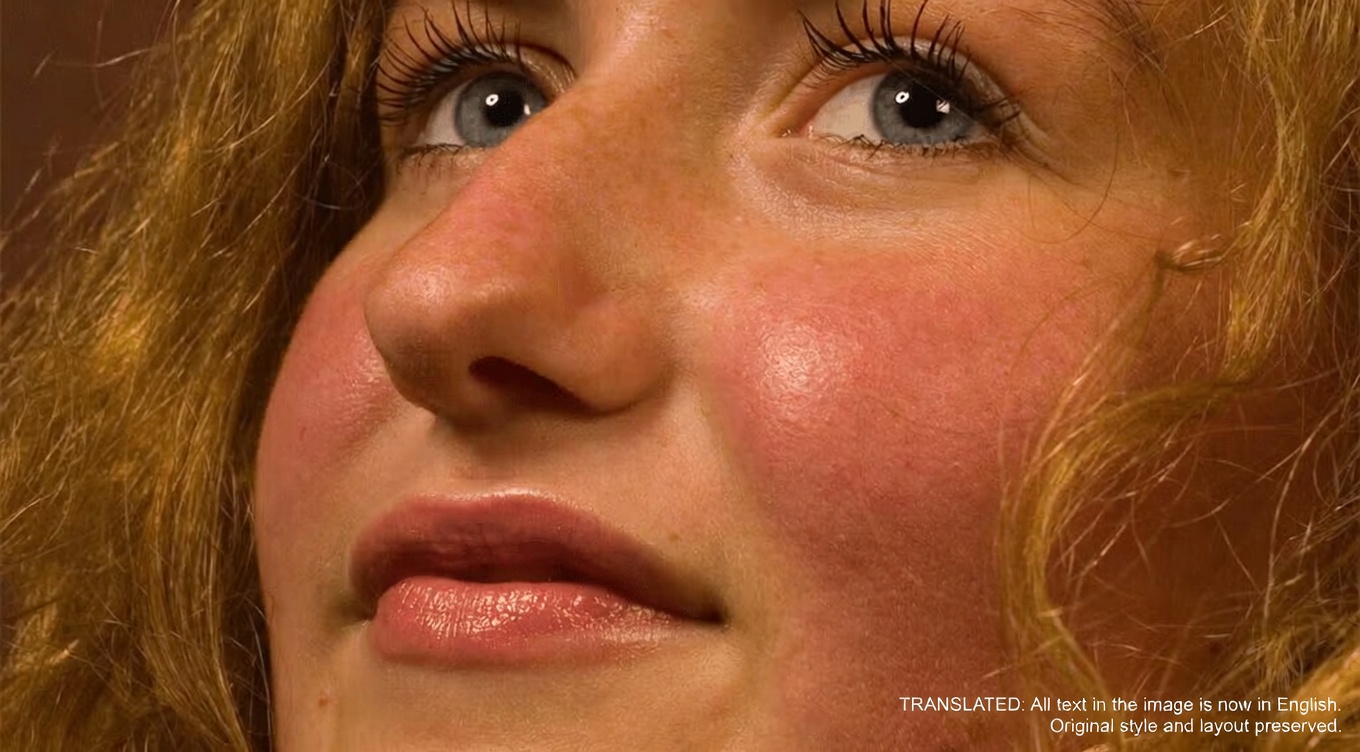
4. Flushing or Warmth in the Face and Neck
A sudden warm sensation or redness in the face, neck, chest, or arms can occur because blood vessels are more relaxed. The Mayo Clinic identifies flushing as a common reaction.
Simple ways to stay comfortable:
- Reduce caffeine, alcohol, and spicy foods.
- Wear layers so you can cool down quickly.
- Stay in cooler spaces whenever possible.
5. Fatigue or Unusual Tiredness
Feeling drained or less energetic than usual is another common early effect. MedlinePlus includes excessive tiredness among the known side effects of amlodipine.
Habits that may help restore energy:
- Keep a regular sleep schedule.
- Add short daily walks to improve circulation and stamina.
- Eat balanced meals that include protein and complex carbohydrates.
6. Palpitations or a Fast Heartbeat
Some users notice a racing heartbeat, pounding sensations, or skipped beats. While not as common as swelling or headache, it is still important to monitor.
What you can do:
- Write down when it happens and how long it lasts.
- Avoid sudden large amounts of caffeine.
- Contact your doctor if the sensation is strong, frequent, or prolonged.
7. Nausea or Stomach Upset
Amlodipine can sometimes cause mild nausea, queasiness, or stomach discomfort, especially when taken without food. WebMD includes this among the more common digestive side effects.
Gentle ways to settle your stomach:
- Take the tablet with food or milk if your doctor or pharmacist says that is appropriate.
- Eat smaller meals more often.
- Avoid greasy, rich, or heavy foods for a few days.
8. Drowsiness or Sleepiness
Some people feel unusually sleepy during the day after starting amlodipine. In many cases, this fades as the body becomes used to the medication.
Practical adjustments:
- Stay away from alcohol, which can worsen drowsiness.
- Plan important tasks for times when you feel most alert.
- Ask your doctor whether a short daytime nap is reasonable for you.
9. Muscle Stiffness, Cramps, or Tremors
A smaller number of users report tight muscles, cramps, or mild shaking. MedlinePlus lists muscle stiffness among possible side effects.
Strategies that may help:
- Stretch gently before bedtime.
- Stay active with low-impact exercise such as walking or swimming.
- Include potassium-rich foods like bananas and spinach in your diet if appropriate for your health needs.
10. Skin Irritation or Itching
Occasionally, amlodipine may trigger itching, a mild rash, or other skin changes. This is less common, but any new skin reaction deserves attention.
What to do:
- Use fragrance-free moisturizers to protect the skin.
- Avoid very hot showers, which can increase irritation.
- Call your doctor promptly if you develop blisters or a widespread rash.
A Simple Strategy Many People Overlook
There is one highly practical step that often makes several of these side effects easier to handle: track your symptoms every day.
A quick daily note on your phone can help you record:
- When symptoms happen
- How strong they feel
- What you ate or drank
- What time you took your medication
- Whether walking, salt intake, or rest affected the symptom
This makes it easier to spot patterns. For example, you may realize swelling gets worse after salty meals, or dizziness appears when you stand up too quickly in the morning. That information can also help your doctor decide whether your dose, schedule, or treatment plan should be adjusted.
Lifestyle Changes That Can Reduce Amlodipine Side Effects
Research suggests that simple habits can reduce the intensity of many common reactions without changing the dose. These five lifestyle measures are especially helpful:
- Stay active: Around 30 minutes of walking on most days may improve circulation and help reduce swelling.
- Limit sodium: Aim for less than 2,300 mg of salt per day to reduce fluid retention.
- Monitor symptoms: Keep a daily log so you can detect changes early.
- Take it consistently: Use your medication at the same time every day unless your doctor advises otherwise.
- Stay in contact with your doctor: Never stop amlodipine suddenly without medical guidance.
When Should You Contact a Doctor?
Most amlodipine side effects can be managed at home, but some warning signs should not be ignored. Seek medical advice promptly if you notice:
- Chest pain that becomes worse
- Severe dizziness that does not improve
- Swelling that suddenly affects the face, hands, or other unusual areas
- A strong or persistent racing heartbeat
- Serious skin reactions such as blistering or a widespread rash
Your healthcare provider may decide to adjust the dose or consider a different treatment if needed.
Conclusion: Staying Informed Helps You Stay Comfortable
Taking amlodipine does not have to mean living with constant discomfort. By learning to recognize these 10 common side effects early and using practical self-care steps, many people are able to continue treatment successfully while keeping blood pressure under control. The best approach is to stay informed, monitor changes, and work closely with your doctor.
Frequently Asked Questions
How long do amlodipine side effects last?
Many mild side effects, such as headache or flushing, improve within one to two weeks as the body adjusts. Swelling may last longer, but lifestyle changes often help reduce it.
Can I stop taking amlodipine if the side effects bother me?
No, you should not stop amlodipine suddenly without speaking to your doctor. Abruptly stopping the medication may affect blood pressure control and heart health. Your provider can help you find a safer solution.
Does everyone get the same side effects?
No. The experience varies from person to person. Factors such as dose, age, overall health, and other medications can all influence which side effects appear and how strong they feel.
Disclaimer
This article is provided for informational purposes only and should not be considered medical advice, diagnosis, or treatment. Always consult a qualified healthcare professional before changing your medication or lifestyle. Individual experiences may vary.