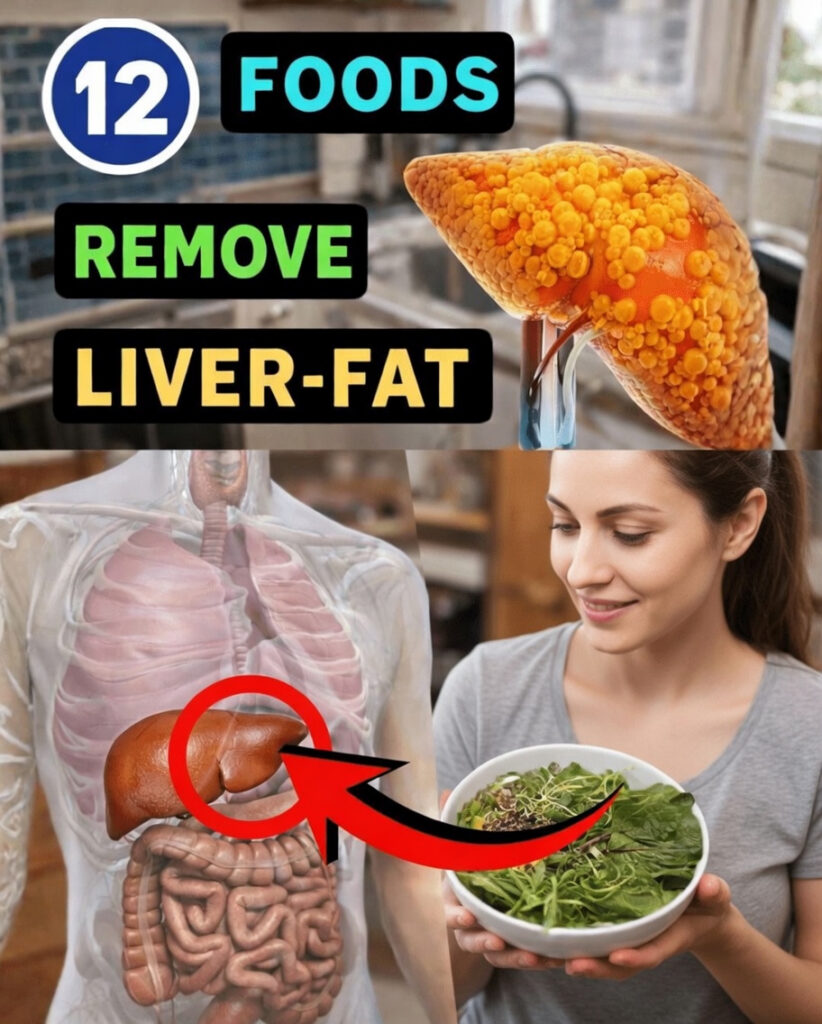
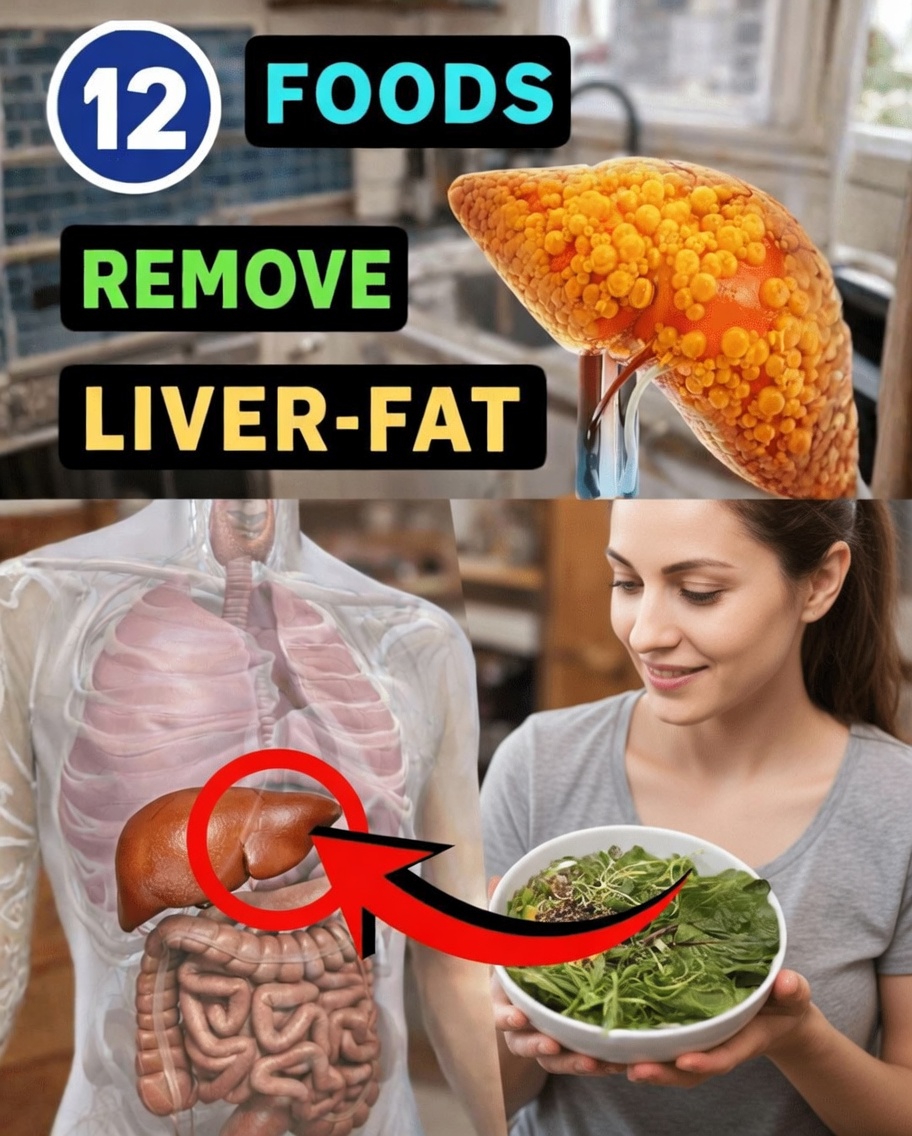
12 Research-Supported Foods That May Help Support Liver Health Naturally
A lot of people feel drained, heavy, or unusually low on energy without understanding the cause. In many cases, long-term eating habits may place extra pressure on the liver, and that strain can show up gradually as fatigue, occasional discomfort, and a general sense of sluggishness. Over time, even normal daily activities may start to feel more difficult, raising concerns about overall health.
The good news is that simple food choices can make a meaningful difference. By adding certain everyday ingredients to your meals, you may give your liver extra nutritional support in a natural and manageable way.
Stay with me until the end, because you’ll also get a simple daily routine that helps you include all 12 of these foods without complicated cooking or extra work.
Why Liver Health Should Be Part of Your Daily Wellness Routine
Your liver is constantly at work processing food, drinks, and nutrients. It plays a major role in how your body manages fats, filters substances, and maintains balance. However, modern eating patterns and busy lifestyles can make that job harder.
Evidence from sources such as Mayo Clinic and Medical News Today suggests that diet can influence how efficiently the liver performs its normal functions. Certain nutrients and whole foods may help support healthy fat metabolism, reduce oxidative stress, and promote better overall liver balance.
The best part is that you do not need an extreme diet overhaul. A few smart swaps with whole, nutrient-dense foods can fit into meals you already enjoy.
12 Foods Commonly Linked to Better Liver Support
These foods are repeatedly mentioned in research and expert reviews because they provide fiber, antioxidants, healthy fats, and plant compounds associated with liver wellness. They are also easy to buy, easy to prepare, and simple to eat regularly.
1. Coffee
Plain black coffee is one of the most frequently studied beverages for liver support. Several studies suggest it may help maintain healthy liver enzyme levels. Drinking two to three cups a day, ideally without added sugar, is often recommended. Coffee also contains antioxidants that may help protect liver cells as they perform daily metabolic work.
2. Green Tea
Green tea is rich in polyphenols, especially catechins, which may support the liver’s natural protective processes. Whether served hot or cold, it can be an easy addition to your routine. Starting with two cups per day is a practical approach.
3. Leafy Greens
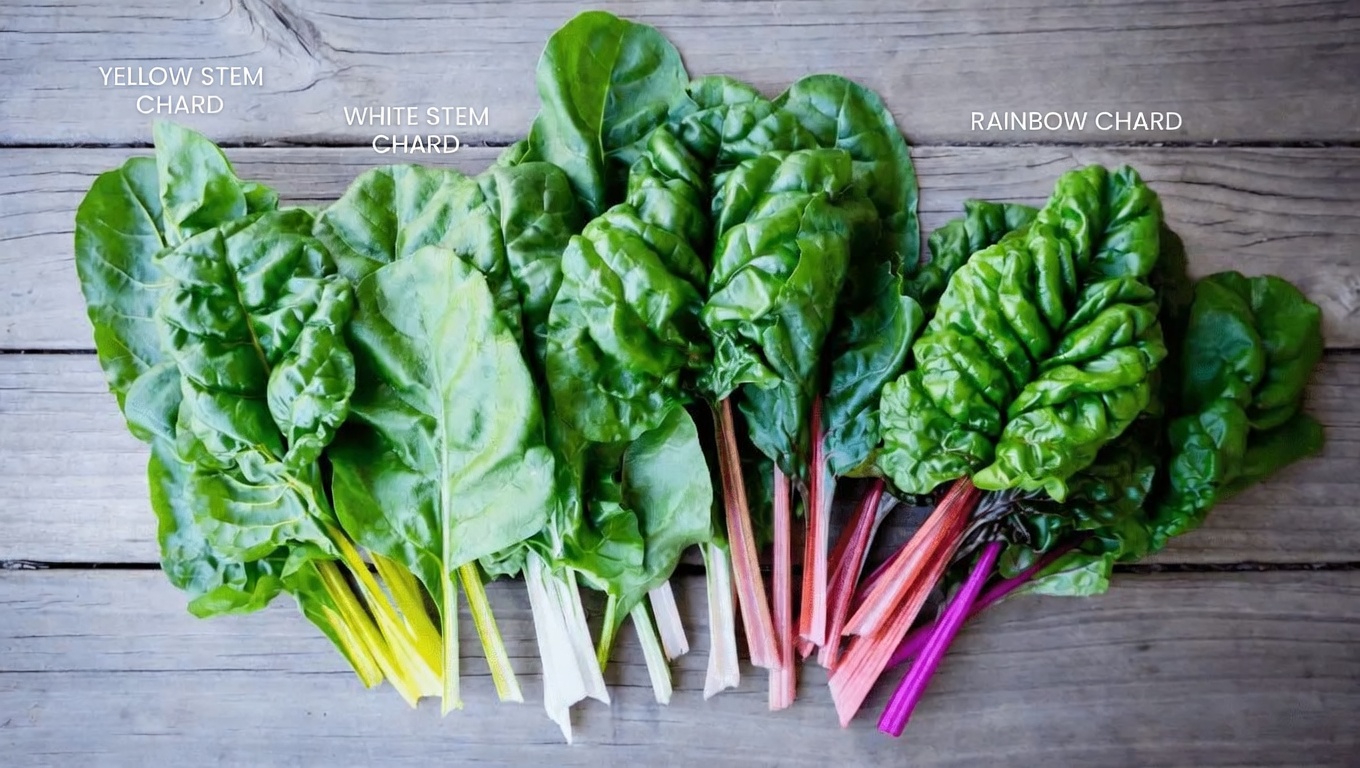
Spinach, kale, arugula, and other leafy vegetables offer nutrients and plant compounds that may help reduce fat accumulation in the liver. They are easy to use in salads, smoothies, wraps, or cooked dishes.
4. Avocado
Avocado provides monounsaturated fats, which are often associated with healthier lipid metabolism. Its creamy texture makes it versatile for breakfast, lunch, or snacks. Half an avocado on toast or sliced into a grain bowl is an easy way to include it.

5. Garlic
Fresh garlic contains sulfur-based compounds that research has linked to improved fat management in the body, including the liver. For the best flavor and potential benefit, chop or crush it fresh and add it to dressings, stir-fries, soups, or roasted vegetables.
6. Berries
Blueberries, strawberries, raspberries, and similar fruits are packed with polyphenols and antioxidants. These compounds are often studied for their role in lowering oxidative stress, which may help support liver health. A cup of berries works well as a snack, breakfast topping, or dessert.
7. Fatty Fish
Fish such as salmon, sardines, and mackerel supply omega-3 fatty acids, which may help support healthy inflammation levels. Including fatty fish twice a week is a common recommendation. Baking, grilling, or pan-searing are all simple preparation methods.
8. Nuts
Walnuts and almonds are especially useful because they offer vitamin E, healthy fats, and additional nutrients that may support overall liver function. A small handful each day is an easy habit to maintain.
9. Olive Oil
Extra-virgin olive oil is a staple in Mediterranean-style eating and is widely associated with better metabolic health. Its monounsaturated fats may benefit the liver and also help the body absorb nutrients from vegetables. Two tablespoons a day over salads, cooked vegetables, or grain dishes is a practical target.
10. Oatmeal
Whole oats contain beta-glucans, a type of soluble fiber that may help the body regulate fat more effectively. A bowl of unsweetened oatmeal in the morning is a simple way to support fullness and nutrition at the same time.
11. Turmeric
Turmeric contains curcumin, a natural compound known for its anti-inflammatory properties. Research continues to explore its role in supporting liver balance. It can be stirred into soups, curries, rice dishes, or warm drinks.
12. Broccoli and Other Cruciferous Vegetables
Broccoli, cauliflower, Brussels sprouts, and other cruciferous vegetables provide compounds that may assist the liver’s natural detoxification pathways. They are easy to steam, roast, or sauté and pair well with almost any dinner.
Why Combining These Foods Works Even Better
The real benefit comes from variety. Instead of relying on one “superfood,” a balanced pattern built around several of these foods is more likely to support long-term liver health.
Research often highlights Mediterranean-style eating as one of the most studied dietary patterns for liver support. This way of eating naturally includes many of the foods listed above.
Here is why mixing them matters:
- Fiber from oats, greens, berries, and cruciferous vegetables can help improve fullness and support metabolic balance.
- Healthy fats from avocado, nuts, olive oil, and fatty fish may assist nutrient absorption and lipid management.
- Antioxidants and plant compounds from coffee, tea, berries, garlic, and turmeric may help the body handle oxidative stress more effectively.
Quick Comparison: Key Food Groups and Easy Daily Uses
| Food Group | Main Benefit | Simple Daily Idea |
|---|---|---|
| Coffee and green tea | Antioxidant support | Coffee in the morning, tea in the afternoon |
| Leafy greens and broccoli | Fiber and detox-supporting compounds | Add to lunch salads or serve with dinner |
| Avocado and olive oil | Healthy fats for metabolism | Slice avocado on meals or drizzle olive oil on vegetables |
| Fatty fish and nuts | Omega-3s and vitamin E | Eat fish twice weekly and nuts daily |
A Simple Daily Plan to Include All 12 Foods
You do not need a strict program or special recipes to fit these into your routine. Here is one easy way to include all 12 foods across the day:
-
Morning
- Drink a cup of black coffee or green tea
- Eat a bowl of oatmeal topped with berries
-
Lunch
- Build a salad or bowl with leafy greens
- Add avocado
- Finish with extra-virgin olive oil
-
Snack
- Enjoy a small handful of nuts
- Have another cup of green tea if you like
-
Dinner
- Prepare fatty fish a few times per week
- Add garlic and turmeric to the recipe
- Serve with broccoli or another cruciferous vegetable
This approach requires very little extra time and can become part of your normal routine within days.
5 Easy Tips You Can Start Using Today
If you want to turn this into action immediately, begin with these steps:
- Start your day with plain coffee or green tea and oatmeal with berries.
- Make leafy greens the base of your lunch and top them with avocado and olive oil.
- Use fresh garlic and turmeric in at least one meal each day.
- Keep nuts nearby for an afternoon snack and plan fatty fish twice a week.
- Add broccoli, cauliflower, or Brussels sprouts to dinner regularly.
These habits usually take less than 10 extra minutes a day. After a couple of weeks, many people notice more stable energy and a greater sense of balance.
Common Questions About Liver-Supportive Foods
How long does it take to notice a difference?
Diet-related improvements usually happen gradually. Research often points to consistent habits over several weeks or months rather than immediate results. Balanced meals, physical activity, and portion control also matter.
Can these foods fit into different diets?
Yes. Most of these options work well in Mediterranean, vegetarian, gluten-free, and generally balanced eating patterns. Just pay attention to packaged products that may contain added sugar, sodium, or unnecessary ingredients.
Are supplements necessary?
In many cases, whole foods are enough because they provide a complete mix of nutrients, fiber, and natural compounds. Supplements may be optional, but it is best to discuss them with a healthcare professional.
Final Thoughts
Supporting your liver does not require perfection. It comes down to consistent, practical choices repeated over time. Since your liver works hard every day, giving it nutritional support through whole foods may help you feel more energized, balanced, and in control of your health.
Start with one or two small changes this week, then build from there. Simple habits can add up in a powerful way.
Disclaimer
This article is for informational purposes only and does not replace professional medical advice. Always speak with your healthcare provider before making major dietary changes, especially if you have a medical condition or ongoing health concerns. Individual results may vary.