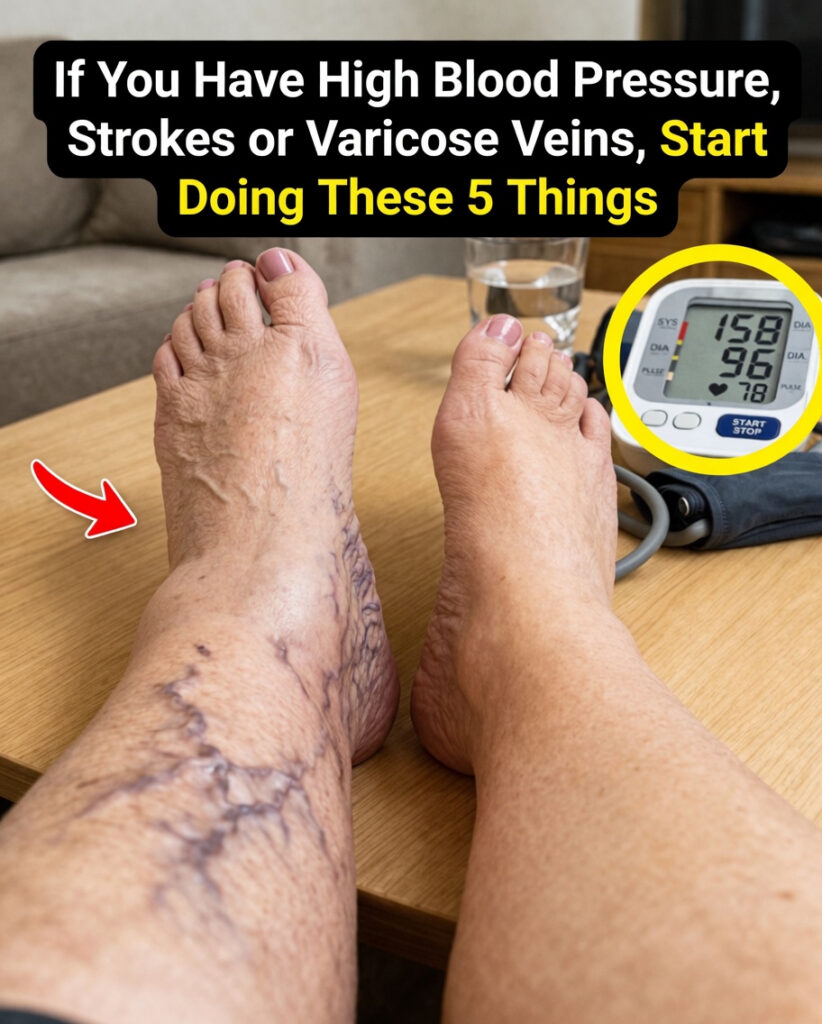
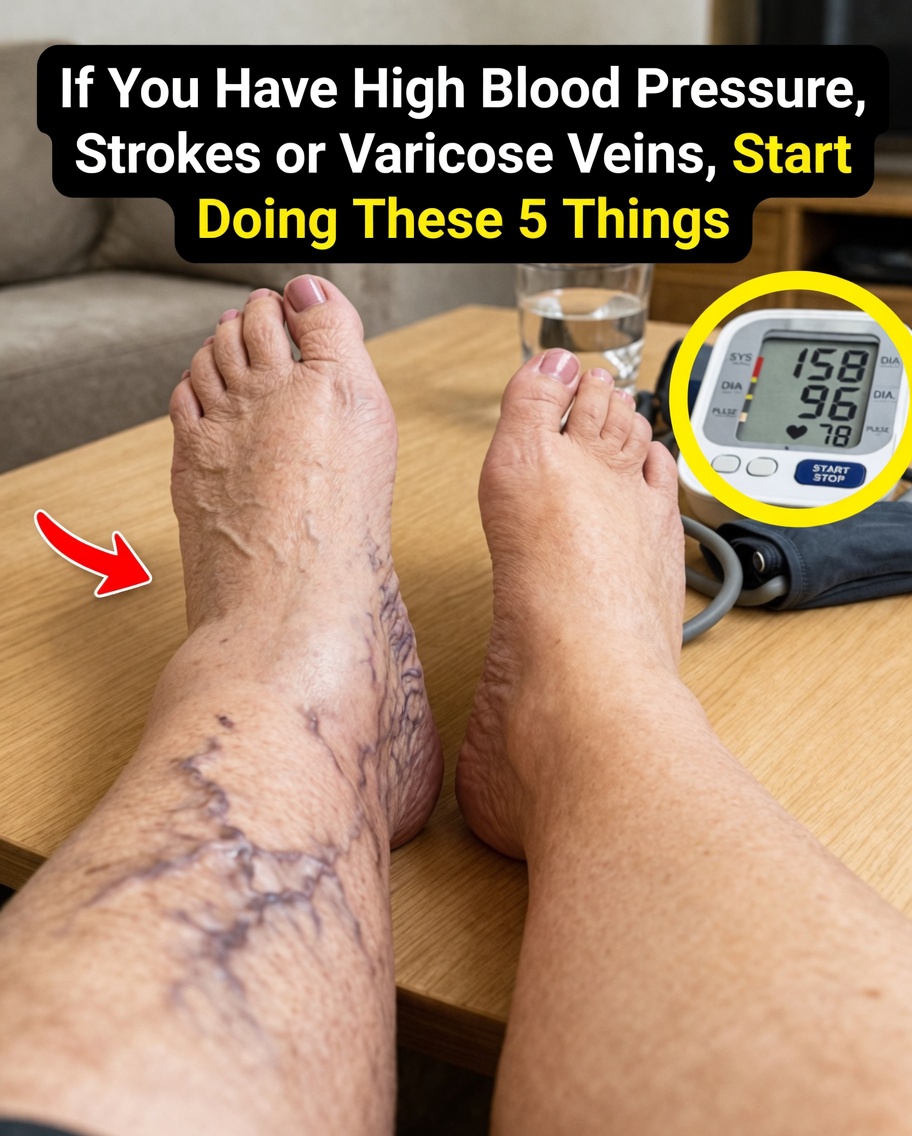
5 Daily Habits That Can Support Healthy Blood Pressure and Ease Varicose Vein Discomfort
Living with high blood pressure or uncomfortable varicose veins can make everyday life feel more difficult than it should. Your legs may ache after long periods of standing, your stamina may drop sooner than expected, and concerns about circulation can stay in the back of your mind. It can be discouraging when you want to stay active and feel well, but your body feels like it is working against you.
The encouraging part is that small daily actions can help support healthy circulation, reduce leg heaviness, and improve overall comfort. Better yet, these habits do not have to be complicated.
One of the five strategies below is especially easy to do and often ignored, even though it can noticeably improve how your legs feel in just a few days. Keep reading to discover it.
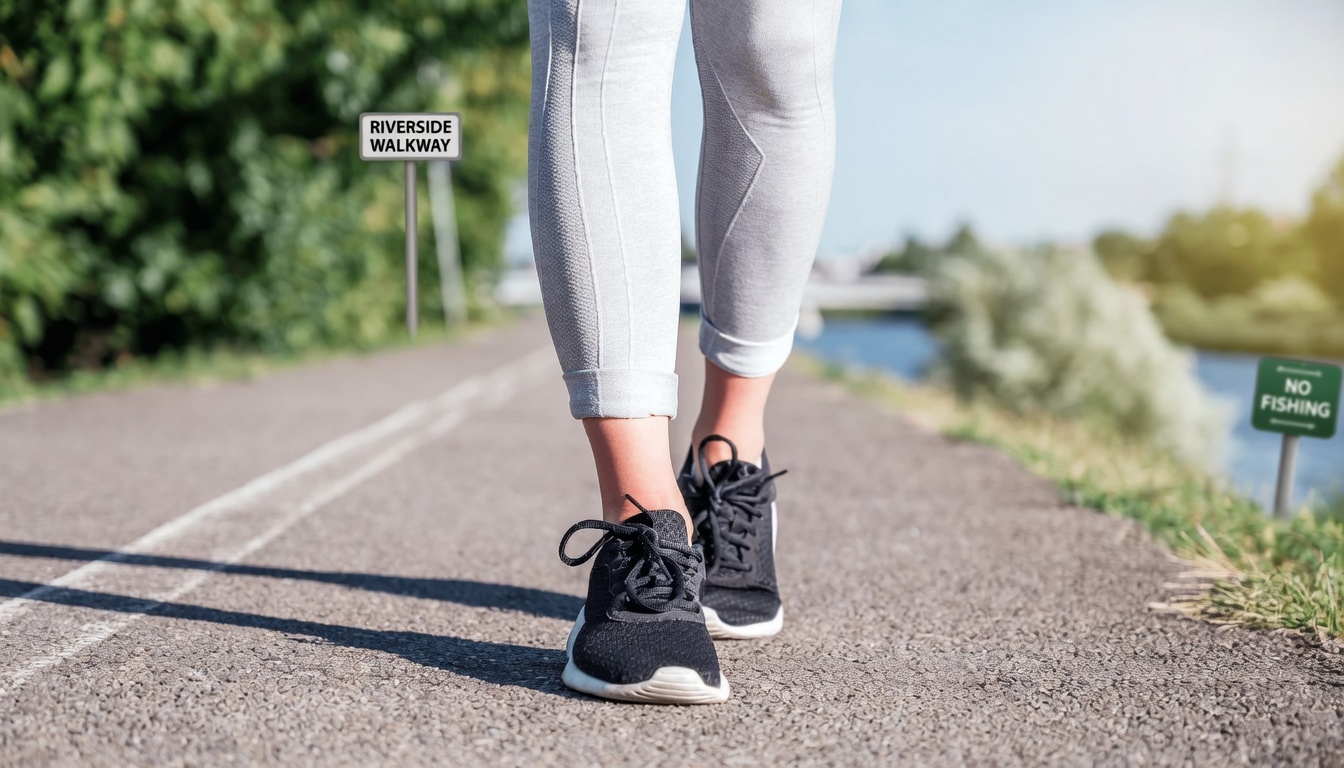
1. Make Walking a Daily Priority
Consistent movement is one of the simplest and most effective ways to encourage healthy blood flow and support normal blood pressure. According to the American Heart Association, brisk walking can help keep blood vessels more flexible and improve circulation throughout the body.
To get started right away:
- Aim for 20 to 30 minutes of walking on most days.
- If needed, split it into two shorter 10-minute sessions.
- Choose comfortable, supportive shoes.
- Walk at a speed that still allows you to talk comfortably.
- Begin with small changes, such as parking farther away or taking the stairs once a day.
Many people notice their legs feel less heavy once walking becomes part of their routine. As an added benefit, regular walking can also improve mood and lower stress, which may help support healthier blood pressure over time.
2. Elevate Your Legs for 15 Minutes Each Evening
After hours of standing or sitting, gravity can make it harder for blood to move efficiently out of the lower legs. Raising your legs gives your veins some relief and helps blood return toward the heart more easily. For people with varicose veins, this simple habit can be especially soothing.
Try this easy evening routine:
- Lie down on a bed or couch.
- Place your legs on pillows so they are higher than your heart.
- Relax in that position for 15 minutes.
- Take slow, deep breaths while you rest.
If your schedule allows, repeat this up to three times a day. Research on vein health suggests that regular leg elevation may reduce swelling and lessen that tired, heavy feeling in the legs by the end of the day.
3. Eat Foods That Help Support Vein and Heart Health
Your diet has a direct effect on the health of your blood vessels. Eating less sodium and getting more fiber and potassium can help your body manage fluid balance and support healthier blood pressure.
Consider adding these foods to your regular meals:
- Leafy greens such as spinach and kale for potassium
- Berries and citrus fruits for antioxidants that support blood vessel walls
- Oats and beans for fiber that helps manage cholesterol
- Fatty fish and walnuts for omega-3 fats that support circulation
- Beets for natural nitrates that may help promote healthy blood flow
It also helps to reduce foods that are often high in sodium, including:
- Processed snack foods
- Canned soups
- Fast food and heavily salted restaurant meals
A practical way to begin is to replace one processed food each day with a fresh alternative. Over time, this small change can support better energy levels and improve overall cardiovascular health.
4. Stay Hydrated and Add Mini Movement Breaks
When the body is dehydrated, blood can become more concentrated, which may make circulation less efficient and place added stress on veins and blood pressure. Drinking enough water helps the body maintain smoother blood flow.
Here are a few simple habits that can help:
- Drink one full glass of water first thing in the morning
- Keep a water bottle nearby and sip regularly throughout the day
- Aim for at least eight glasses daily, unless your doctor has advised otherwise
- If you sit for long periods, set a reminder to stand and move for two minutes every hour
This pairing of hydration and frequent movement can make a meaningful difference. Studies in vascular health have shown that even brief activity breaks during the day may help reduce leg discomfort and support circulation.
5. Maintain a Healthy Weight for Less Pressure on Your Veins
Extra body weight can increase pressure on the veins in the legs and make the heart work harder to circulate blood efficiently. Even a modest reduction in weight, such as 5 to 10 pounds, can help lower strain on both the veins and the cardiovascular system.
A simple approach may include:
- Tracking portions for one meal a day
- Combining your daily walk with an earlier dinner schedule
- Paying attention to non-scale progress, such as less swelling or clothing fitting more comfortably
This is the habit many people overlook, even though it strengthens the results of every other healthy change. When body weight is in a healthier range, circulation tends to work more efficiently and your veins face less daily stress.

The Often-Missed Trick: Combine Leg Elevation With Ankle Pumps
There is one extra step that many people never hear about, yet it can tie these habits together in a powerful way. While your legs are elevated, try doing a short ankle-pump exercise.
Here is how:
- With your legs raised, slowly flex your feet upward
- Then gently point your toes away
- Repeat for 10 slow repetitions
This movement may encourage circulation even more than leg elevation by itself. It is simple, takes almost no extra time, and can leave your legs feeling more refreshed. Try it tonight and see how your legs respond.
Why These Habits Work Better Together
Each of these actions supports the others:
- Walking and movement breaks help keep blood flowing
- Nutritious foods and proper hydration support blood vessels from within
- Leg elevation and healthy weight management reduce strain on the veins
When combined, these habits create a practical routine that feels manageable rather than overwhelming. You do not need to do everything perfectly from day one.
A good way to begin is to pick two habits this week, such as walking and drinking more water. Then add one more habit each week. Small, steady changes often produce the most lasting results.
Frequently Asked Questions
How quickly might I notice improvement in my legs?
Many people notice less swelling and a lighter feeling in their legs within one to two weeks of doing daily walking and leg elevation consistently. Results vary from person to person, but regular practice matters most.
If I follow these habits, do I still need medication or doctor visits?
Yes. These habits are meant to support your health, not replace professional care. Continue taking prescribed medications and attend all regular medical appointments unless your doctor tells you otherwise.
Are these habits safe if I already have more serious vein problems?
In general, these strategies are gentle and low risk. However, it is always wise to speak with your healthcare provider first, especially if you have had recent vein procedures, advanced vein disease, or other medical conditions.
Important Note
This article is intended for informational purposes only and should not be considered medical advice. Always consult your doctor or healthcare provider before making changes to your diet, physical activity, or daily routine.