Why You Might Still Feel Off Even After Resting Well
If you wake up tired despite getting enough sleep, deal with odd tingling sensations, or notice stubborn changes in your mouth, skin, or energy, it can slowly wear down your quality of life. Many people blame these small but persistent issues on stress, age, or a packed schedule. As a result, the real cause often goes unnoticed.
Sometimes, however, your body is signaling that an important nutrient is running low. When vitamin B12 is not at a healthy level, everyday functions can start to feel harder than they should.
What many people do not realize is that there are several unusual clues linked to low vitamin B12. Recognizing them early can help you make simple changes that support better energy, sharper thinking, and overall well-being.
The Essential Role of Vitamin B12 in Daily Health
Vitamin B12 is vital for several major functions in the body. It helps produce red blood cells, supports the protective covering around nerves, contributes to brain performance, and plays a role in DNA creation. When your body does not get enough B12, these systems may not work as efficiently, and symptoms can begin to appear in unexpected ways.
Health authorities, including the National Institutes of Health, have emphasized how important vitamin B12 is for oxygen transport and healthy nerve communication. This becomes especially relevant with age and for people following restrictive eating patterns.
Even those who believe they eat well can still end up with low levels over time. In some cases, the issue is not intake but poor absorption. That is why subtle warning signs should not be ignored.
8 Unusual Signs Your Body May Need More Vitamin B12 Support
These symptoms are not always the first ones people associate with B12, but medical sources such as WebMD and Medical News Today have linked them to low or less-than-ideal levels. Because these signs can also have other causes, it is wise to discuss them with a healthcare professional.
1. A Crawling or Tingling Sensation on the Skin
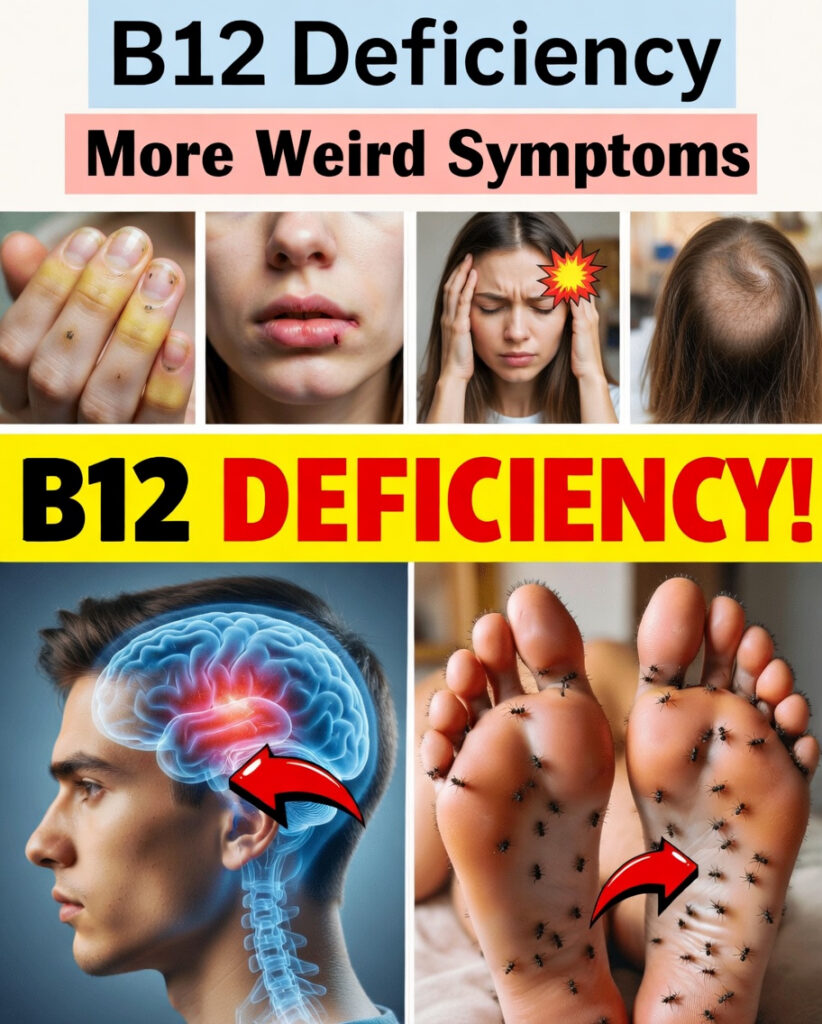
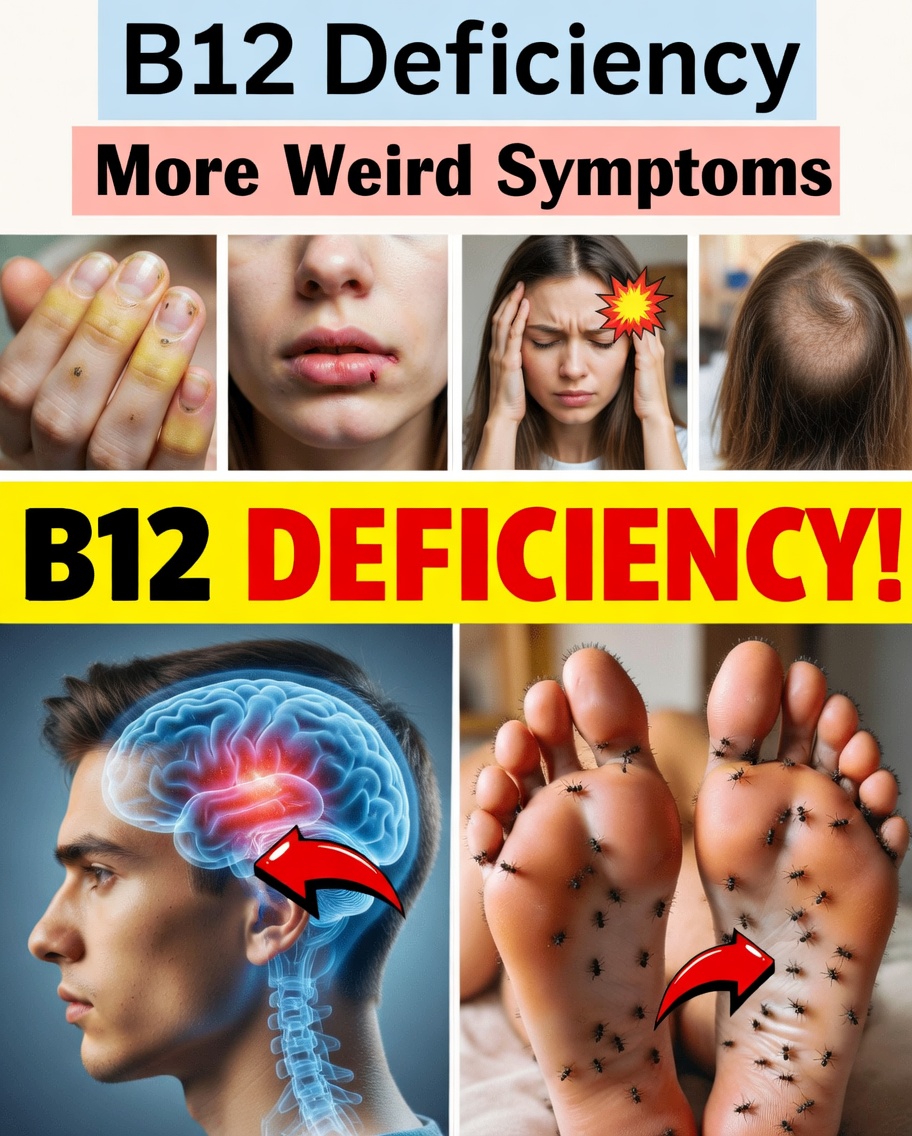
If your hands or feet feel as though tiny insects are moving across them, even when nothing is there, that strange sensation may deserve attention. This feeling is often described as tingling, burning, numbness, or a “pins and needles” sensation.
Vitamin B12 helps maintain the protective layer around nerves. When that support drops, nerve signaling may become disrupted, leading to unusual sensations that often worsen at night.
2. Cracked Mouth Corners or Recurrent Mouth Sores
Painful splits at the corners of the lips or mouth ulcers that keep returning can be more than a minor annoyance. Vitamin B12 supports tissue repair and healthy cell turnover, especially in sensitive areas such as the mouth.
When levels are low, some people develop angular cheilitis or sores that heal slowly. Because this problem is often mistaken for dryness or irritation, it can be easy to overlook.
3. Frequent Headaches Without an Obvious Cause
Recurring headaches that do not seem linked to dehydration, stress, or too much screen time may be another clue. Lower B12 levels can affect both nerve function and oxygen delivery, which may contribute to ongoing head pain.
Some people describe these headaches as pressure-like, while others notice throbbing that does not improve with their usual routine. While not the most common symptom, it is one that should not be dismissed.
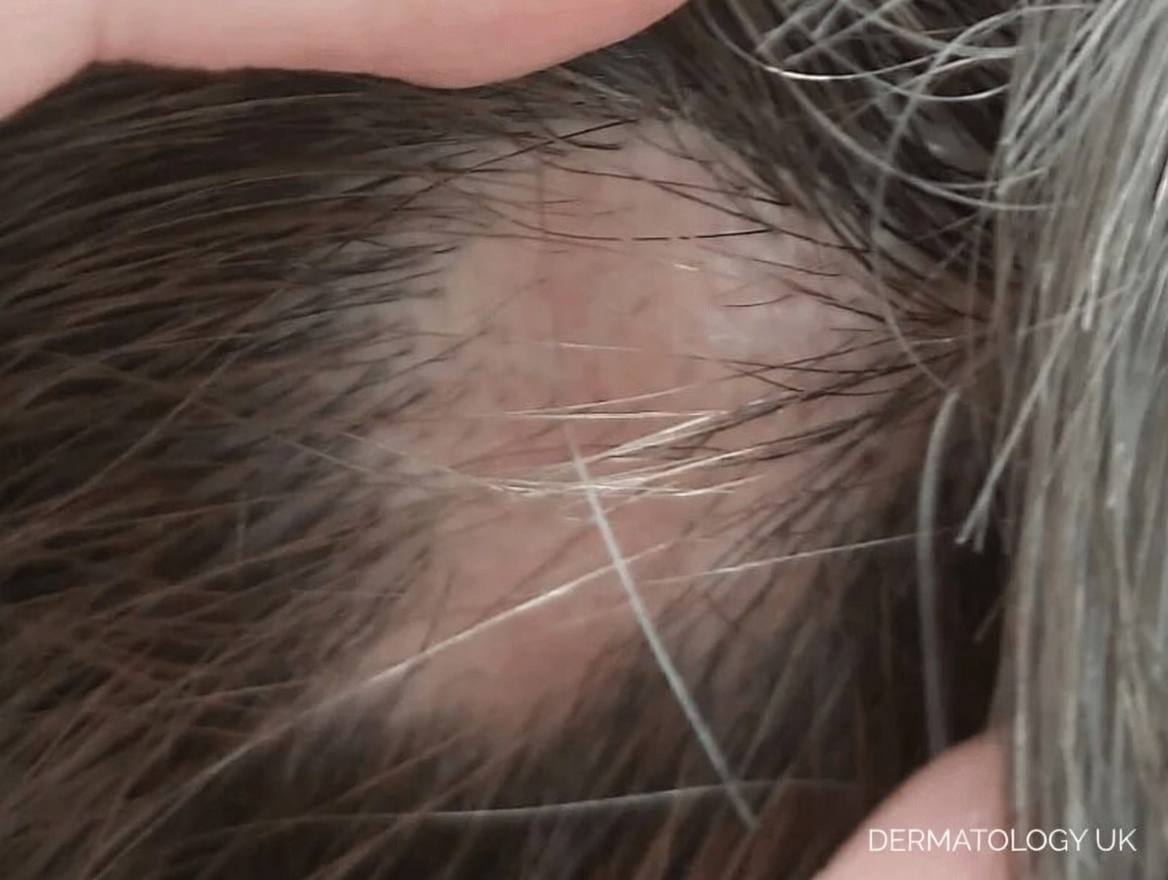
4. Hair Thinning or Small Bald Spots
If your hair seems thinner than usual or you begin noticing more shedding, vitamin B12 may be one part of the picture. This nutrient supports cell division and helps deliver oxygen to hair follicles, both of which are important for normal hair growth.
Hair changes linked to B12 usually happen gradually rather than suddenly. Because the loss is often subtle at first, many people do not connect it to nutrition until much later.
5. Nail Changes Such as Ridges, Brittleness, or Unusual Color
Fingernails and toenails can reflect what is happening inside the body. If you notice ridges, increased fragility, or a grayish-blue tint, low B12 could be worth considering.
Since vitamin B12 supports healthy cell production, deficiency may show up in the nails before more obvious symptoms become clear. These changes may seem minor, but they can be useful clues when combined with other signs.

6. Brain Fog, Memory Lapses, or Trouble Concentrating
Struggling to stay focused, forgetting simple things, or feeling mentally “foggy” can be unsettling. Vitamin B12 is closely tied to nervous system health and neurotransmitter function, so low levels may affect memory, concentration, and mood.
This is one of the signs many people write off as stress or aging. Yet medical experts, including those at Cleveland Clinic, note that low B12 can contribute to noticeable cognitive changes.
7. Blurred Vision or Strange Visual Changes
Vision problems are less common, but they can happen. Some people with low B12 report blurred eyesight, temporary visual disturbances, or small blind spots that come and go.
In certain cases, the optic nerve may be affected when B12 is too low. The good news is that early attention can improve outcomes, so unexplained vision changes should not be ignored.
8. Feeling Colder Than Usual or Noticing Heart Palpitations
If you suddenly feel unusually cold in normal temperatures, or your heart seems to race or skip beats, reduced B12 may be a factor. Low vitamin B12 can contribute to poor red blood cell production, which may affect oxygen delivery throughout the body.
When tissues do not receive oxygen efficiently, you may feel chilled, weak, or short of breath. Palpitations can also appear as part of that bigger pattern.
These signs often do not appear alone. When several happen together, they can create a clearer picture that is easier to recognize.
Who Is More Likely to Have Low Vitamin B12?
Some groups are at greater risk of low vitamin B12 levels than others. You may need to pay closer attention if any of these apply to you:
- Older adults, because absorption often declines with age
- People following vegan or vegetarian diets, since B12 is found mainly in animal foods
- Individuals with digestive conditions such as Crohn’s disease or celiac disease
- Those using certain long-term medications, especially for heartburn or diabetes
- Anyone who has undergone weight-loss surgery
Knowing your risk factors can help you take action earlier.
Easy Ways to Support Healthy Vitamin B12 Levels
Improving vitamin B12 status does not always require a complicated plan. Small daily habits can make a meaningful difference.
Practical steps to start with
- Eat B12-rich foods such as eggs, dairy products, fish, chicken, or beef liver several times a week
- Choose fortified cereals or plant-based milks if you do not eat animal products
- Ask your doctor whether a multivitamin or B12 supplement is appropriate for you
- Build balanced meals that include healthy fats and nutrient-dense foods
- Schedule a routine check-up if you notice multiple symptoms at once
These simple habits can fit into most lifestyles and may support steadier energy over time.
Foods That Naturally Provide Vitamin B12
If you want to increase your intake through food, these are some of the best options:
- Beef liver
- Salmon
- Tuna
- Eggs, especially the yolks
- Greek yogurt
- Milk
- Fortified nutritional yeast for plant-based diets
Adding even one or two of these regularly may help support your B12 intake.
Final Thoughts: Pay Attention to the Quiet Signals
Vitamin B12 may not get as much attention as other nutrients, but it plays a major role in keeping your nerves, energy, blood cells, and mental clarity working properly. Symptoms such as tingling skin, mouth cracks, headaches, nail changes, or brain fog may seem unrelated at first, yet together they can point to one underlying issue.
Listening to these early messages gives you a chance to respond before they become more disruptive. With the right foods, smart habits, and medical guidance when needed, many people find they feel more alert, balanced, and like themselves again.