Why Those Smelly White Lumps Keep Appearing in Your Throat
You look in the mirror, open your mouth, and spot them again: those unpleasant white bits stuck near the back of your throat. They smell awful, feel embarrassing, and can make you second-guess every close conversation. If this keeps happening to you, you are definitely not the only one. The good news is that once you understand what causes these lumps, they become much less mysterious and easier to manage.
By the end, you will also learn one unexpected everyday habit that many people say helps reduce how often they come back.
What Are These Bad-Smelling White Chunks?
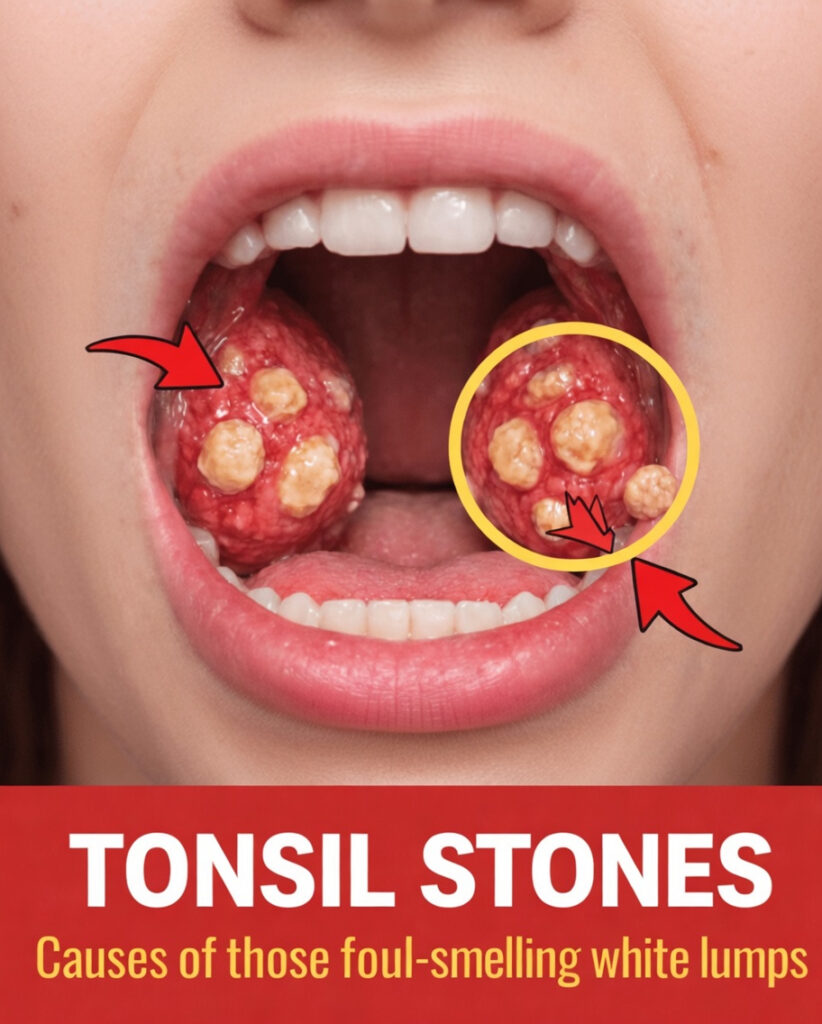
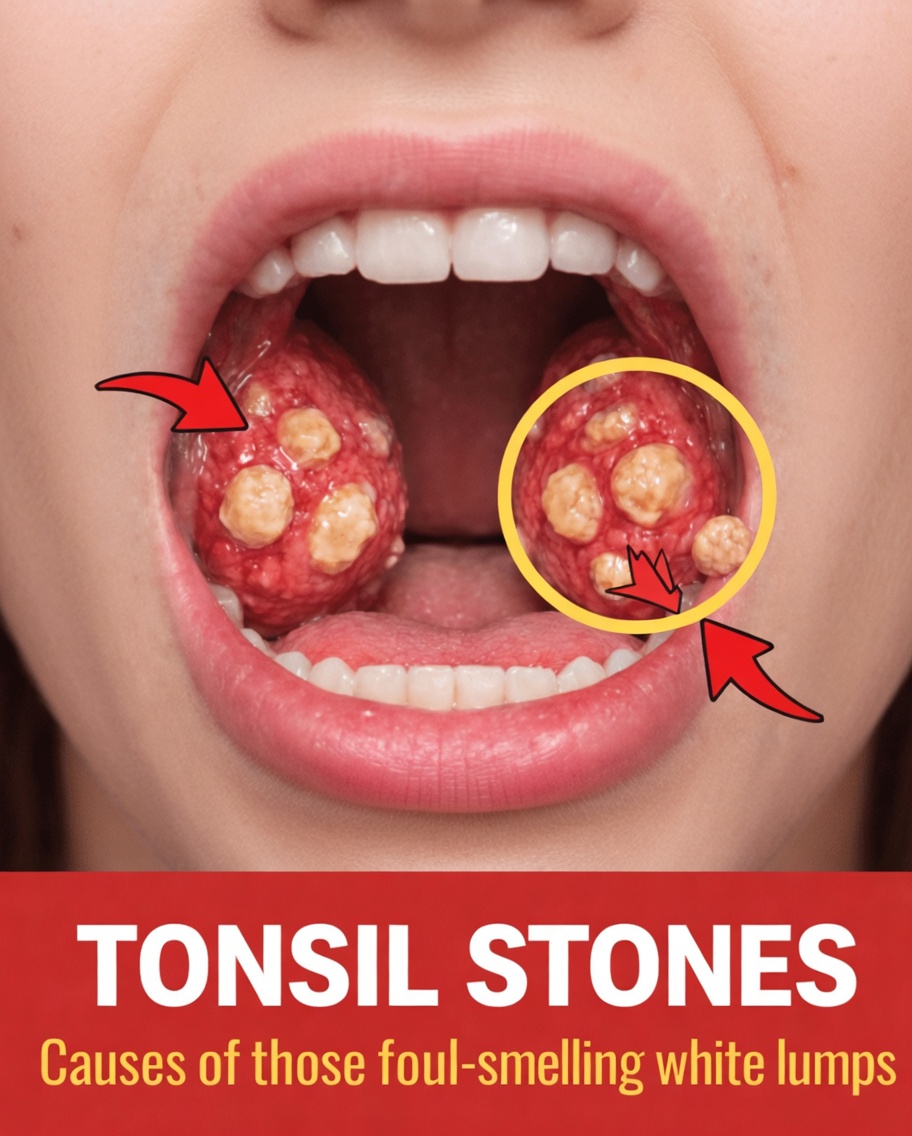
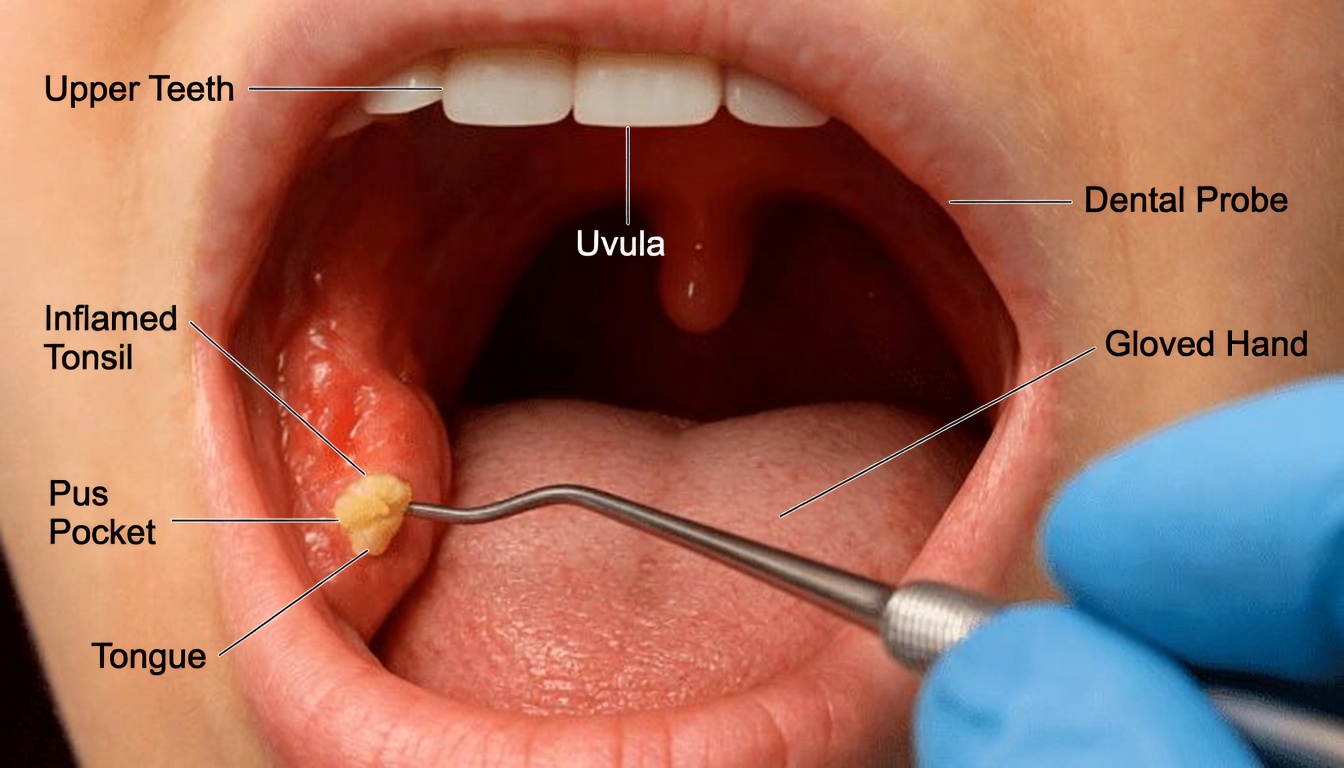
These white lumps are commonly called tonsil stones, or tonsilloliths. They develop inside the tiny grooves and openings in your tonsils, known as tonsil crypts. Over time, bits of food, mucus, bacteria, and dead cells can get trapped there and gradually harden.
Tonsil stones may be as small as a grain or as large as a pea. They are usually white, cream-colored, or slightly yellow, which makes them stand out against the pink tissue of the throat.
A lot of people discover them while brushing their teeth, checking their throat in the mirror, or coughing up a small piece. Their strong odor comes from bacteria feeding on the trapped material, which is also why tonsil stones are often linked to bad breath.
They are very common, especially in people with deeper tonsil crevices or a history of recurring tonsil irritation.
Common Reasons Tonsil Stones Form
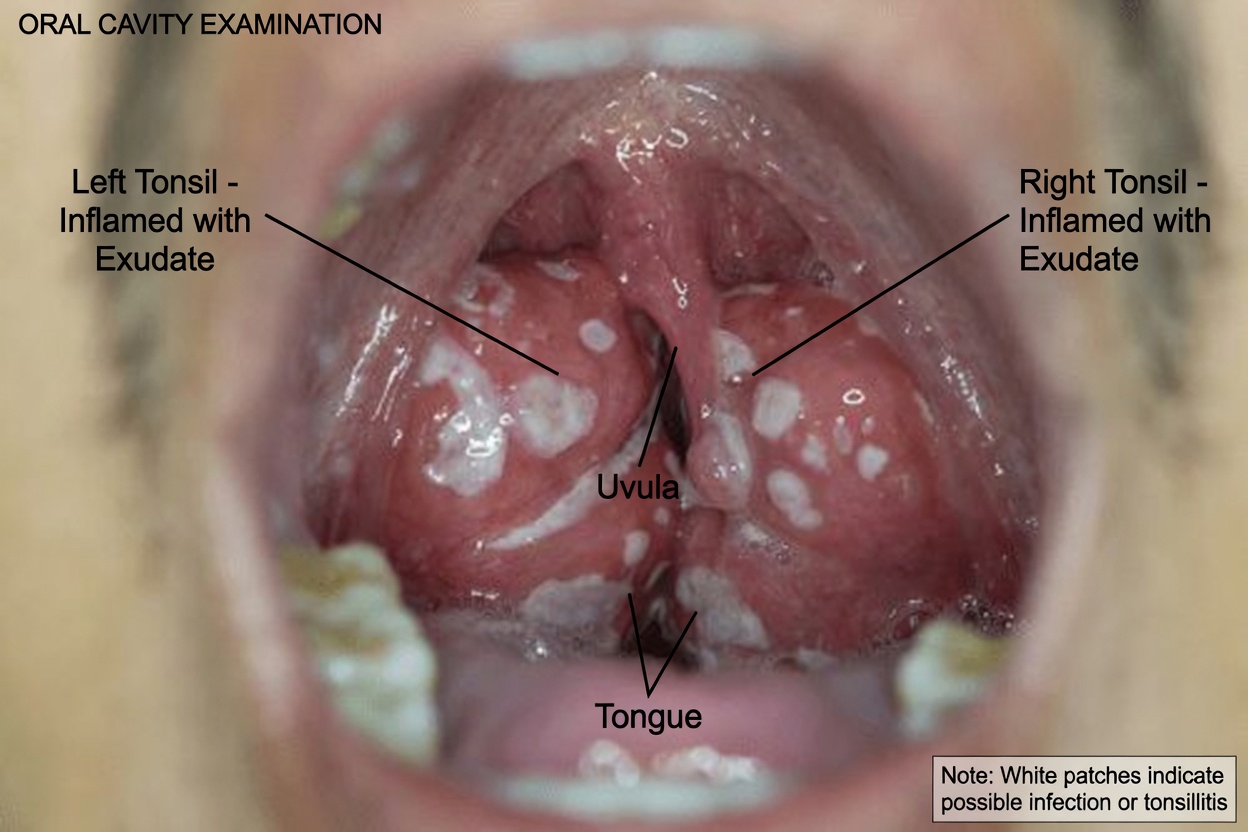
Experts agree that tonsil stones appear when debris remains lodged in the tonsils long enough to harden. Several everyday factors can increase the chance of this happening.
The most common causes include:
- Food residue after eating, especially from dairy products, sweets, and foods that leave a sticky coating
- Natural buildup of bacteria and dead cells in the mouth and throat
- Inconsistent oral hygiene, which allows more material to collect
- Post-nasal drip caused by allergies or sinus problems, adding extra mucus
- Large or uneven tonsil crypts, where debris can easily hide
Dry mouth can also make the issue worse. Saliva normally helps rinse away particles, so when your mouth is dry due to dehydration, medication, or sleeping with your mouth open, stones may form more easily. Many people who breathe through their mouth at night notice them more often.
Signs You May Have Tonsil Stones
Not every white mark in the throat is a tonsil stone, but some symptoms are strong clues.
You may notice:
- Persistent bad breath that does not improve much with brushing or mouthwash
- A scratchy feeling or the sensation that something is stuck in your throat
- Visible white or yellowish lumps in the tonsils
- Coughing up a small, foul-smelling piece
- Mild ear discomfort or irritation from nearby inflammation
- Slightly swollen tonsils
Interestingly, some people have no symptoms at all. They only realize they have tonsil stones during a dental exam or while casually looking at their throat.
Easy Daily Habits to Help Prevent Tonsil Stones
The best part is that small routine changes can often make a big difference. Many people see fewer tonsil stones when they improve their daily oral care and keep the mouth cleaner overall.
Try adding these habits to your routine:
- Brush your teeth and tongue twice a day, especially the back of the tongue where bacteria tend to collect
- Floss every day to remove food particles before they can contribute to buildup
- Gargle with warm salt water after meals to help loosen trapped debris and calm the throat
- Drink enough water throughout the day to support saliva flow and natural cleaning
- Use a water flosser or gentle oral irrigator on a low setting to rinse around the tonsils carefully
One tip that surprises many people is this: using an alcohol-free mouthwash and cutting back on dairy-rich snacks before bedtime may reduce the sticky residue that helps stones form.
Foods and Lifestyle Habits That Matter
Your diet and daily choices can either support a cleaner mouth environment or make tonsil stones more likely.
Helpful Habits
- Drink plenty of water
- Eat fresh fruit and crunchy vegetables
- Clean your tongue regularly, especially in the morning
- Use a saline nasal spray if allergies or post-nasal drip are an issue
Habits to Limit
- Too many sugary or caffeinated drinks, especially later in the day
- Frequent dairy products and sticky snacks
- Smoking
- Mouth breathing at night
- Ignoring ongoing nasal congestion or mucus drainage
Even a few of these adjustments can improve overall oral freshness and reduce buildup in the tonsils.
When to See a Dentist or Doctor
Most tonsil stones are harmless and can be handled with simple home care. Still, there are times when it is wise to speak with a professional.
You should consider getting checked if you have:
- Ongoing throat discomfort
- Noticeable swelling
- Repeated stones that keep coming back
- Larger stones than usual
- Symptoms that seem more like infection
A dentist or doctor can make sure nothing else is causing the problem and suggest the best approach for your specific tonsils and symptoms.
One Surprising Habit Many People Recommend
Here is the unexpected tip: some people find that gargling with diluted apple cider vinegar a few times a week helps reduce buildup. A common mixture is one teaspoon in one cup of water.
Many users say the mild acidity helps break down material before it hardens, while still being gentle enough for regular use when properly diluted. Results are different for everyone, but it is a simple habit that can fit easily into an evening routine.
Final Thoughts
Those smelly white lumps can be annoying, embarrassing, and frustrating, but they do not have to control your confidence. When you understand why tonsil stones form and stay consistent with a few smart habits, you can often reduce how often they appear and keep your breath fresher.
Small daily changes really can make a noticeable difference.
FAQ
Are tonsil stones contagious?
No. Tonsil stones are not contagious. They form from debris, bacteria, and mucus already present in your own mouth and throat.
Can tonsil stones become dangerous?
In most cases, they are harmless and mostly just inconvenient. However, if they cause pain, swelling, or repeated infection-like symptoms, it is best to seek medical advice.
Do tonsil stones go away by themselves?
Yes, many small stones come out naturally when you cough, eat, swallow, or gargle. Larger or recurring ones often improve with better daily oral care and prevention habits.
Important Note
This article is for informational purposes only and does not replace professional medical advice. Always speak with your doctor or dentist for guidance tailored to your personal health needs.