

A high creatinine result on a blood test can be worrying. It may suggest that your kidneys are under extra strain, and that can come with symptoms like tiredness, slight swelling, or a general feeling that your body needs more care. On top of that, figuring out what foods are safe to eat can quickly become stressful.
The encouraging part is this: smart dietary choices, especially when it comes to fruit, can help support kidney health and make daily eating feel less confusing.
Some fruits are usually better options when creatinine is elevated, while others may need to be limited. Below, you’ll learn which three fruits are commonly considered safer choices, which three are often best eaten more cautiously, and how to include them in a practical everyday routine.
What Creatinine Means for Kidney Health
Creatinine is a waste substance produced when muscles naturally break down. Normally, the kidneys filter it from the blood and remove it through urine. When creatinine levels rise, it can be a sign that the kidneys are not filtering as efficiently as they should.
Several factors can affect creatinine readings, including:
- Hydration status
- Physical activity
- Certain medications
- Overall diet
- Kidney function changes
Because food can influence how the body feels and functions, many people start with nutrition when looking for ways to support their kidneys. While no single food is a cure, steady habits can be helpful over time.
Why Fruit Selection Matters
Fruit provides important benefits such as:
- Water for hydration
- Fiber for digestion
- Antioxidants for overall wellness
However, some fruits are much higher in potassium than others. Since the kidneys help control potassium levels, this mineral becomes more important to monitor when kidney function is reduced or creatinine is elevated.
Guidance from kidney health organizations, including resources from the National Kidney Foundation, often emphasizes choosing fruits that fit your lab values and dietary needs. The goal is to nourish the body without creating extra stress for the kidneys.
3 Fruits That Are Commonly Kidney-Friendly
These fruits are often viewed as better choices because they tend to be lower in potassium while still offering nutrition, flavor, and versatility.
1. Apples
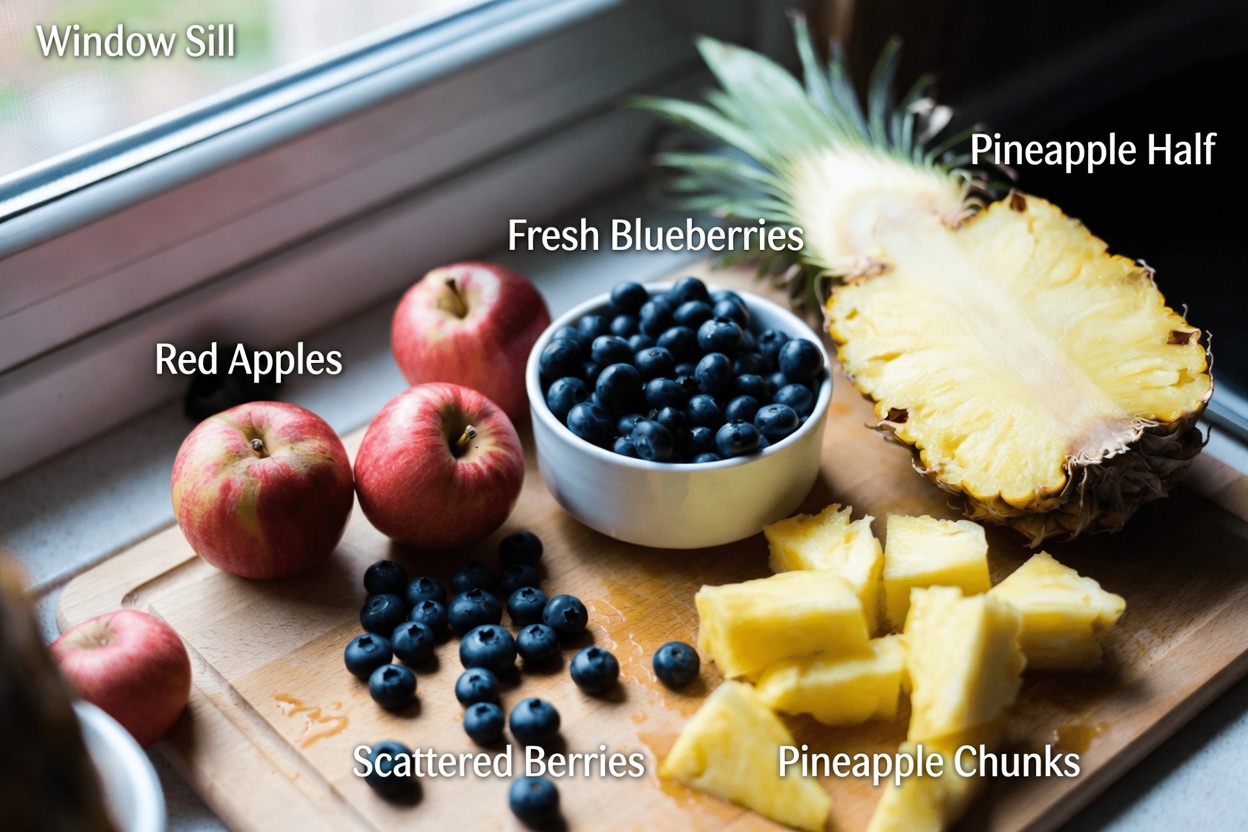
Apples are frequently recommended in kidney-conscious meal plans. One medium apple contains about 195 mg of potassium and also provides pectin fiber, which supports healthy digestion. Apples also contain antioxidants that may help the body manage everyday oxidative stress.
Simple ways to enjoy apples:
- Eat one fresh with the skin on
- Bake slices with a little cinnamon
- Add chopped apple to a salad
2. Blueberries
Blueberries are packed with antioxidants, especially anthocyanins, while remaining naturally low in potassium. A half-cup serving contains only around 57 to 77 mg of potassium, making them a flavorful option for many people watching kidney health.
Easy ideas for blueberries:
- Eat them fresh as a snack
- Blend frozen berries into a smoothie
- Sprinkle them over oatmeal or yogurt
3. Pineapple
Pineapple is another fruit that can fit well into a balanced kidney-friendly diet. It adds sweetness without being overly high in potassium, and it contains bromelain, an enzyme often associated with digestive support. In some situations, it may also act as a mild natural diuretic.
Ways to use pineapple:
- Add fresh chunks to fruit salad
- Grill lightly for extra flavor
- Blend into a simple smoothie
These three fruits offer variety and enjoyment while staying more aligned with kidney-conscious eating.
3 Fruits You May Need to Limit
Some fruits contain significantly more potassium per serving. If creatinine is high and kidney function is under pressure, these options may need closer portion control or occasional avoidance.
1. Bananas
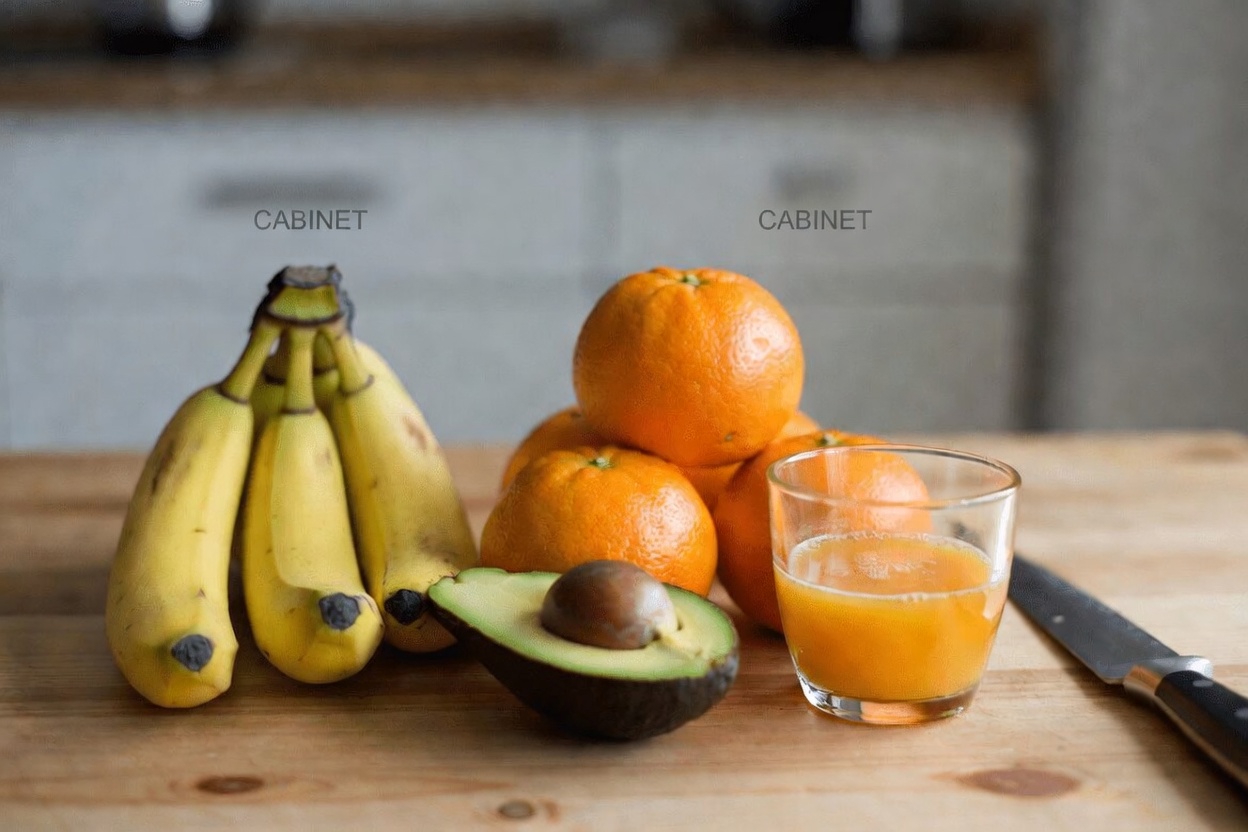
Bananas are well known for their potassium content. One medium banana can provide about 422 mg of potassium, which may be too much for some kidney-focused eating plans in a single serving.
If you enjoy bananas:
- Choose smaller portions
- Eat them less often
- Swap them with lower-potassium fruits when possible
2. Oranges and Orange Juice
Oranges offer vitamin C and freshness, but they are also relatively high in potassium. Orange juice can be especially concentrated, making it easier to consume too much potassium quickly.
Better alternatives some people choose include:
- Apple juice
- Cranberry juice
- Lower-potassium whole fruits
3. Avocados
Avocados are nutritious and rich in healthy fats, but they are also very high in potassium. One whole avocado can contain close to 975 mg, which can take up a large portion of the daily potassium allowance in certain kidney-friendly diets.
A practical approach:
- Use only a few slices at a time
- Save avocado for occasional meals rather than daily use
A Quick Fruit Comparison
| Fruit | Approximate Potassium | Why It May Work or Not | Simple Tip |
|---|---|---|---|
| Apples | ~195 mg | Low in potassium, provides fiber and antioxidants | Eat with the skin on |
| Blueberries | ~57–77 mg | Low potassium and rich in antioxidants | Add to oatmeal or yogurt |
| Pineapple | Low | Flavorful and lower in potassium | Use fresh chunks in salads |
| Bananas | ~422 mg | Higher potassium load | Limit portion size |
| Oranges / Orange Juice | High | Juice can be especially concentrated | Choose apple or cranberry juice instead |
| Avocados | ~975 mg per whole fruit | Healthy fats but very high in potassium | Use just a few slices |
Practical Tips You Can Use Right Away
Making small changes is often the easiest way to build lasting habits. Try these simple steps:
- Start the day with apple slices or a small serving of blueberries instead of higher-potassium fruit.
- Keep apples, pineapple, and blueberries washed, cut, or ready in the refrigerator.
- Aim for one to two fruit servings per day, depending on your individual plan.
- Drink enough water to support hydration unless your healthcare provider has given fluid restrictions.
- Check labels on packaged fruit products and avoid options packed in syrup or loaded with added sugar.
- Watch portion sizes carefully, because even lower-potassium foods can become less ideal when eaten in large amounts.
Other Daily Habits That Can Help
Fruit choices are just one part of the bigger picture. Your efforts may work even better when combined with other healthy habits, such as:
- Staying well hydrated
- Reducing excess sodium
- Being physically active in ways that feel comfortable
- Reviewing your eating pattern with a registered dietitian
- Following up on lab work regularly with your healthcare provider
These lifestyle steps can help support energy, comfort, and overall wellness.
Final Thoughts
High creatinine does not mean you have to give up fruit or feel overwhelmed by every meal. Choosing fruits like apples, blueberries, and pineapple while being more cautious with bananas, oranges, and avocados can be a simple, practical way to support your kidneys.
Small food swaps may seem minor, but they can add up. With consistency, those daily choices can help you feel more confident and more in control of your health.
Frequently Asked Questions
Can I eat fruit every day if my creatinine is high?
Yes, many people can still enjoy fruit daily, especially lower-potassium choices, as long as portions are moderate. The best approach depends on your bloodwork and your overall kidney diet plan.
How can I tell which fruits are best for me?
The safest way is to review your latest lab results with your doctor or a kidney dietitian. They can guide you based on potassium, phosphorus, and other important markers.
Are there fruits that should be completely avoided?
In many cases, most fruits can still fit into the diet in limited amounts, depending on your condition. One fruit often flagged by health professionals is star fruit, which is commonly advised against for people with kidney problems because of safety concerns.
Disclaimer
This article is for informational purposes only and does not replace professional medical advice. Always speak with your doctor or a qualified registered dietitian before changing your diet, especially if you have kidney disease, elevated creatinine, or any other medical condition. Individual needs can vary based on medical history, current health status, and lab results.