Fruits and High Creatinine: Which Ones Support Kidney Health and Which to Limit
Many people with elevated creatinine levels do not realize that the fruit they eat every day can either support their kidneys or place extra strain on them. A simple snack choice may seem harmless, yet it can quietly increase the workload on organs that are already under stress. That may leave you feeling more fatigued, uneasy, or worried about your next blood test.
The good news is that a few easy changes to your fruit choices can become part of a practical eating pattern that supports overall wellness. By the end of this guide, you will also find a simple daily routine to help turn this advice into action.
What High Creatinine Levels Mean
Creatinine is a common lab marker used to assess how effectively the kidneys remove waste from the bloodstream. When creatinine rises, it often suggests that the kidneys may need more support through healthy daily habits and medical guidance.
Diet can play an important role here, especially when it comes to foods that contain potassium. The kidneys help regulate potassium levels in the body. If kidney function is reduced, potassium may build up more easily, which is why food choices matter.
Health organizations such as the National Kidney Foundation note that managing potassium intake can be an important part of a kidney-conscious eating plan. Some fruits contain much more potassium than others, so knowing which ones fit better into your routine can be very helpful.
Why Fruit Choices Matter
Fruit offers many benefits, including fiber, vitamins, antioxidants, and natural sweetness. However, when creatinine levels are high, potassium content becomes more important than many people realize.
This does not mean fruit needs to be avoided. In most cases, the goal is simply to choose lower-potassium options and enjoy them in sensible portions. With the right approach, you can still include fruit in your diet without putting unnecessary pressure on your system.
To make this easier, let’s look at three fruits that are commonly considered kidney-friendlier, followed by three that are often limited.
3 Fruits That Are Usually Better Choices
These fruits are often included in kidney-friendly meal plans because they are naturally lower in potassium and easy to work into daily meals.
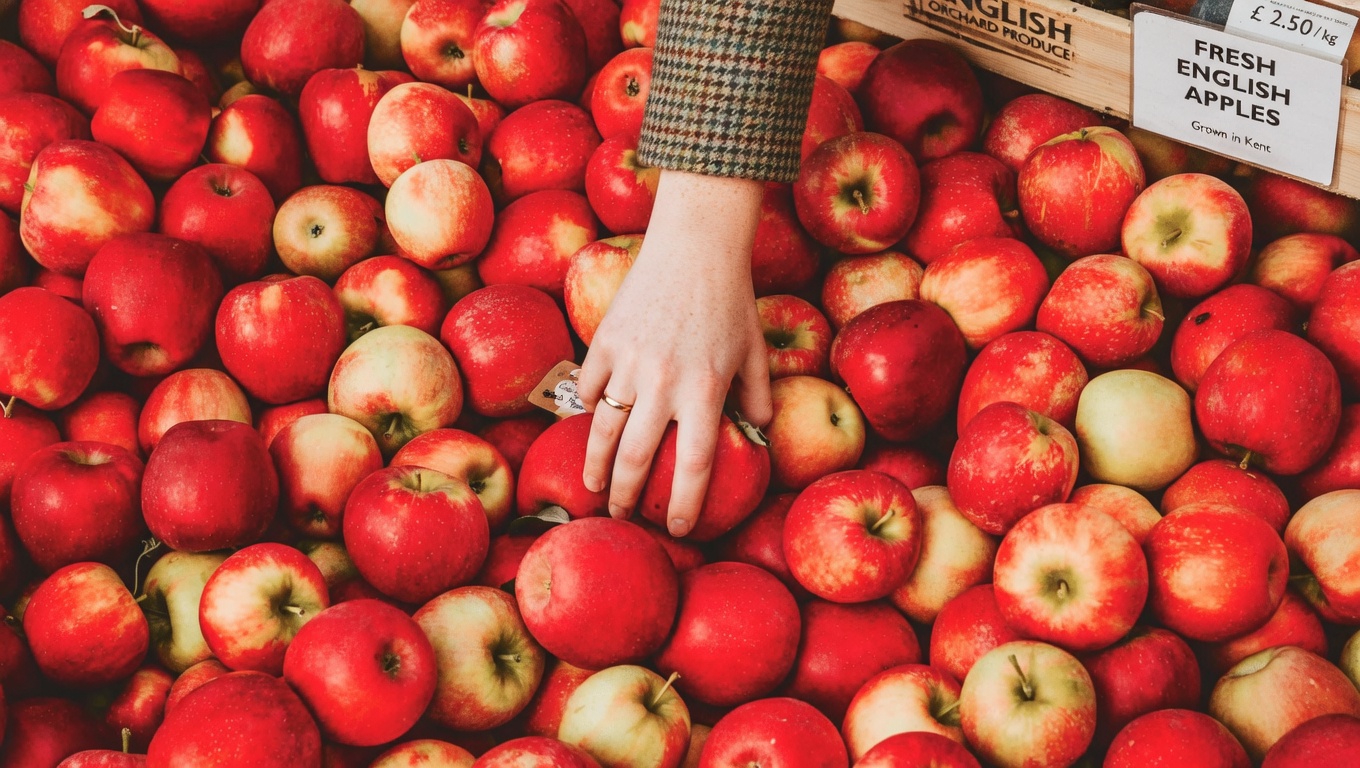
1. Apples
A medium apple contains about 160 mg of potassium. It also provides fiber and vitamin C, making it a smart and satisfying snack.
Apples are easy to enjoy in many ways:
- Fresh and sliced
- Sprinkled with cinnamon
- Mixed into oatmeal
- Added to overnight oats
Their natural sweetness makes them a great alternative to processed snacks.
2. Peaches
Fresh peaches or canned peaches that have been drained can also be a good option. Depending on the serving size, they usually contain around 190 to 240 mg of potassium.
Peaches are refreshing, naturally sweet, and rich in antioxidants. They work well in:
- Small fruit salads
- Smoothies with ice
- Plain yogurt
- A light dessert
3. Pears
A medium pear contains roughly 200 mg of potassium and provides a helpful amount of fiber. Pears are mild in flavor, filling, and easy to pair with other foods.
They are especially good:
- With breakfast
- Chopped into oatmeal
- Served with yogurt
- Eaten fresh as a snack
If fresh pears are unavailable, canned pears packed in juice and drained can also be a convenient option.
Another benefit of these fruits is that they are generally lower in sodium and phosphorus than many packaged snack foods. Kidney health professionals often recommend produce like this as part of a balanced daily plan.
3 Fruits Experts Often Recommend Limiting
Some fruits are much higher in potassium and may need to be reduced or carefully portioned when creatinine is elevated.
1. Bananas
One medium banana contains around 420 mg of potassium. Bananas are nutritious and convenient, but their potassium content can add up quickly.
2. Oranges and Orange Juice
A single orange or one serving of orange juice may provide 200 to 250 mg of potassium or more. Juice can be especially tricky because it is easy to consume more than intended in a short time.
3. Avocados
Half an avocado contains close to 500 mg of potassium. Although avocados are popular and flavorful, they are among the highest-potassium fruits to monitor more closely.
Safe Fruits vs. Fruits to Watch
Here is a quick comparison to make the differences easier to understand.
| Fruit | Approx. Potassium per Serving | Why It Matters | Easy Swap |
|---|---|---|---|
| Apple | 160 mg | Lower in potassium and rich in fiber | Choose instead of a banana |
| Peach | 190–240 mg | Easier on the kidneys and provides antioxidants | Add to salads or yogurt |
| Pear | 200 mg | Filling, mild, and kidney-friendlier | Use instead of higher-potassium fruit |
| Banana | 420 mg | Higher potassium load | Replace with apple or pear |
| Orange | 200–250 mg | Juice can make intake climb quickly | Try grapes or pineapple |
| Avocado | 485 mg per 1/2 fruit | Very high in potassium | Use cucumber slices for a fresh texture |
Even one small change, such as picking an apple instead of a banana, can noticeably reduce your daily potassium intake.
How to Create a Kidney-Friendly Fruit Routine in 5 Simple Steps
If you want to start making better fruit choices today, this step-by-step approach can help.
1. Speak with Your Healthcare Team
Before changing your diet, review your latest lab work with your doctor or registered dietitian. Ask what potassium range is appropriate for your specific condition.
2. Shop with a Plan
When buying fruit, focus on kidney-friendlier choices like:
- Apples
- Peaches
- Pears
A reasonable portion is often:
- One small piece of fresh fruit
- 1/2 cup canned fruit, drained
3. Check Food Labels
If you buy canned fruit, look for products packed in water or juice rather than heavy syrup. Draining the liquid may also help reduce the potassium content.
4. Combine Foods Wisely
Try simple combinations that keep your meals enjoyable:
- Sliced peaches in plain yogurt
- A pear with a few grapes
- Apple slices with cinnamon
- Chopped apple in overnight oats
5. Pay Attention to How You Feel
Track your energy, digestion, and how you feel overall. Then compare those observations with future check-ups and lab results. Many people feel more balanced after consistently making mindful food choices.
Easy Ideas to Keep Fruit Interesting
Sticking to a kidney-friendly plan is easier when meals do not feel repetitive. Try these quick ideas:
- Freeze peach slices for a refreshing snack
- Bake pear halves with a little nutmeg and no added sugar
- Add chopped apples to breakfast oats
- Mix diced pears into a light salad
- Serve peach slices chilled for a simple dessert
Other Daily Habits That Help Support Kidney Health
Fruit is only one part of a larger picture. Other habits can also support your kidneys and help you stay on track:
- Drink enough plain water, unless your provider has given you fluid limits
- Stay physically active with regular movement
- Reduce excess sodium in meals
- Cut back on highly processed foods
- Limit dark sodas and heavily packaged snacks
The most important factor is consistency. You do not need perfection. Steady, realistic habits usually work best over time.
Small Changes Can Have a Big Effect
Having high creatinine does not mean you must give up fruit completely. It simply means choosing more carefully. Apples, peaches, and pears are often better options, while bananas, oranges, and avocados may need more attention because of their higher potassium levels.
These simple swaps are affordable, practical, and easy to fit into everyday life. Over time, they can help you feel more in control of your health and more confident in your daily decisions.
Start with one small change this week and build from there. Progress matters more than perfection.
FAQ
Can changing fruit choices really help when creatinine is high?
Yes. When included as part of an overall kidney-conscious eating plan, lower-potassium fruits can help support mineral balance. Many people notice benefits in how they feel and sometimes in follow-up lab results.
How much fruit can I eat each day?
A common guideline is 2 to 3 servings of lower-potassium fruit spread across the day. However, the right amount depends on your lab values, medications, and overall kidney function, so it should be personalized with your healthcare provider.
Are there other foods to watch besides fruit?
Yes. Foods such as potatoes, tomatoes, dairy products, and processed meats may also be higher in potassium or phosphorus. A registered dietitian can help you create a full list based on your specific needs.
Important Note
This article is for informational purposes only and does not replace professional medical advice. Always speak with your healthcare provider or a registered dietitian before making changes to your diet, especially if you have kidney concerns or abnormal lab results.