
4 Kidney-Friendly Fruits to Enjoy at Night if Creatinine Levels Are High
Worrying about high creatinine can feel stressful, especially when it may signal that the kidneys are under extra pressure as they filter waste from the bloodstream. For many people, this can come with symptoms such as tiredness, swelling, or general discomfort that affects everyday routines. It is no surprise that many look for practical food choices that may gently support kidney health without requiring a major lifestyle overhaul.
Although no fruit can replace medical treatment or professional guidance, adding certain nutrient-dense fruits to your evening routine may help support overall wellness. Their benefits often come from hydration, antioxidants, fiber, and naturally occurring plant compounds that fit well into a kidney-conscious diet.
An interesting point is that some lower-potassium fruits may be especially suitable later in the day, when the body shifts into rest and recovery mode. Below are four standout options and simple ways to include them safely.
Why Fruits Matter for Kidney Support
The kidneys work continuously to remove waste products such as creatinine, but diet and daily habits can influence how efficiently they function. Research on diets richer in fruits and vegetables has suggested possible benefits for reducing dietary acid load and supporting markers linked to kidney health over time.
Fruits can be helpful because they offer several advantages:
- Hydration, which supports normal waste removal
- Fiber, which benefits digestion and metabolic balance
- Antioxidants, which may help reduce oxidative stress associated with kidney strain
For people who need to watch potassium intake closely, fruit selection is especially important. Lower-potassium choices are often preferred because too much potassium may be difficult for compromised kidneys to manage.
Even timing can make a difference. Lighter, water-rich foods in the evening may feel easier to digest and may support overnight recovery without making meals too heavy.

4 Fruits to Add to Your Nighttime Routine
These four fruits are often mentioned in kidney-friendly eating plans because of their nutrient profiles and relatively lower potassium content compared with many other fruits.
1. Blueberries: Small but Rich in Antioxidants
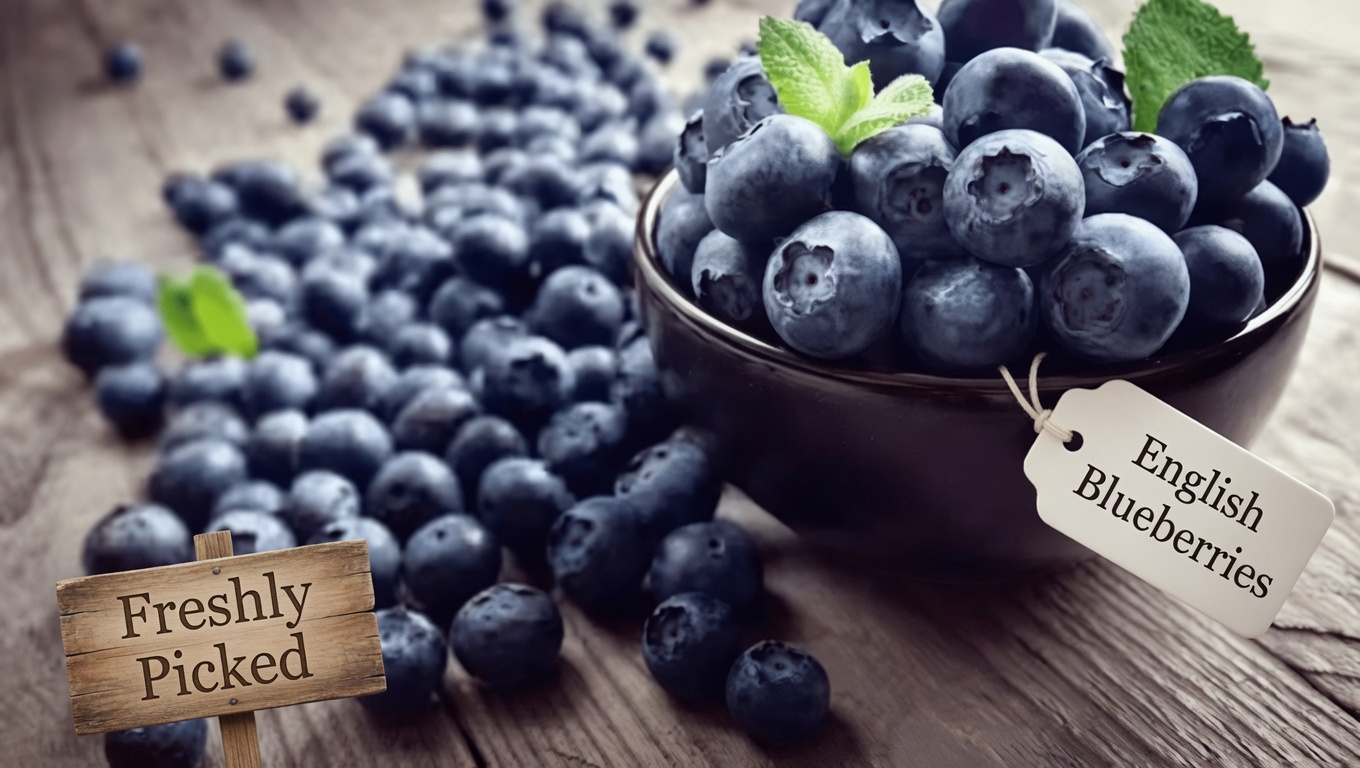
Blueberries are well known for their high concentration of anthocyanins, antioxidant compounds that help protect cells from damage. Diets rich in antioxidants are often associated with lower inflammation, which may indirectly benefit kidney health.
A modest serving of blueberries delivers flavor and nutrition without a large potassium load. They contain about 77 mg of potassium per 100 g, making them one of the more kidney-conscious fruit options.
Ways to enjoy them:
- Fresh as a light evening snack
- Frozen for convenience
- Mixed into a small fruit bowl
2. Apples: A Reliable Low-Potassium Choice
Apples are a simple and satisfying option that fit easily into many kidney-friendly meal plans. They contain pectin fiber and quercetin, both of which have been studied for their potential anti-inflammatory effects.
They are frequently recommended because they are naturally lower in both potassium and phosphorus than many other fruits. One medium apple contains roughly 107 mg of potassium, making it a practical everyday choice.
Possible benefits of apples include:
- Supporting fullness without heaviness
- Adding fiber to the diet
- Fitting well into plant-focused eating patterns linked to long-term kidney support
3. Pineapple: A Refreshing Tropical Option
Pineapple offers a juicy, refreshing taste and contains bromelain, an enzyme often noted for its anti-inflammatory properties. It is also naturally low in sodium and phosphorus, which adds to its appeal in kidney-conscious diets.
A half-cup serving contains about 133 mg of potassium, which is still moderate and manageable for many people depending on individual dietary needs.
Pineapple works well at night because it is:
- Light and hydrating
- Easy to portion
- Naturally sweet without feeling too heavy
4. Cranberries: Best Known for Urinary Tract Support
Cranberries are often associated with urinary tract health thanks to their proanthocyanidins, compounds that may help support the urinary system. They also provide antioxidant benefits and are considered a lower-potassium fruit option.
When choosing cranberries, it is best to go for:
- Fresh cranberries
- Unsweetened cranberry products
- Low-sugar options whenever possible
This helps you avoid unnecessary added sugars while still getting their tart, distinctive flavor.
Quick Comparison: Why These 4 Fruits Stand Out
Here is a simple overview of why these fruits are often favored in kidney-friendly eating plans:
-
Blueberries
- Rich in antioxidants
- Very low potassium
- About 77 mg/100 g
-
Apples
- Good source of fiber
- Contain quercetin
- About 107 mg/100 g
-
Pineapple
- Contains bromelain
- Hydrating and refreshing
- About 133 mg/100 g
-
Cranberries
- Support urinary health
- Provide antioxidants
- Low in potassium
This combination offers variety while keeping portions more kidney-aware. Still, personal limits can vary, so it is important to check with a healthcare professional.
How to Add These Fruits to Your Evening Routine
You do not need complicated recipes to make these fruits part of your nightly habits. A few simple steps can help you begin right away.
Step-by-Step Tips
-
Begin with small servings
- Start with just one fruit in the evening
- Aim for about 1/2 cup to 1 cup total
-
Prepare them properly
- Wash all fresh produce well
- Cut pineapple into small pieces
- Slice apples thinly for easier snacking
- Rinse blueberries and cranberries before eating
-
Choose a good time
- Try eating fruit 1 to 2 hours before bed
- This gives your body time for gentle digestion
-
Keep it simple
- Make a bowl of blueberries and sliced apple
- Add pineapple chunks to plain yogurt if dairy works for your diet
- Dilute unsweetened cranberry juice with water for a lighter evening drink
-
Pay attention to how you feel
- Track your comfort, energy, and digestion over a week
- Discuss changes with your doctor or renal dietitian, especially if you monitor lab values
Small but consistent habits often matter more than dramatic changes. Combined with rest and proper hydration, these fruit choices may help support better overall balance.

Additional Benefits of Fruit for Kidney Health
The value of fruit goes beyond these four options. In general, higher fruit and vegetable intake has been linked in some studies to slower progression of certain kidney-related concerns.
Possible reasons include:
- Antioxidants help neutralize free radicals
- Fiber supports digestion and metabolic health
- Natural water content contributes to hydration
Drinking enough water throughout the day also matters. Fluids and water-rich foods work together to support the body’s natural waste-removal processes. Always follow the fluid intake recommended by your healthcare provider.
Conclusion: Simple Nighttime Habits That May Support Your Kidneys
Adding blueberries, apples, pineapple, and cranberries to your evening routine can be an easy and enjoyable way to support kidney wellness. These fruits provide antioxidants, fluid, and thoughtful nutrition while fitting into broader plant-forward eating patterns that may help reduce kidney stress over time.
Still, food is only one part of the bigger picture. Regular medical checkups, taking medications as prescribed, staying hydrated, and maintaining overall lifestyle balance remain essential. Start with one or two of these fruits tonight, keep portions moderate, and build a routine that works for your needs.
FAQ
What is the best time to eat fruit for kidney support?
Light, hydrating fruits in the evening may fit well with the body’s overnight recovery processes. However, the most important factor is consistency and choosing portions that match your individual dietary needs.
Are these fruits safe for people with advanced kidney disease?
These fruits are often lower in potassium than many alternatives, but not everyone with kidney disease has the same dietary requirements. If you have advanced kidney problems or follow a restricted eating plan, speak with your doctor or renal dietitian before adding new foods.
Can eating these fruits at night lower creatinine quickly?
No single fruit can significantly or instantly reduce creatinine levels. However, nutrient-rich fruits may support healthier long-term eating habits that are better for kidney function overall. The focus should be on consistent diet quality rather than quick fixes.
Disclaimer
This article is for informational purposes only and does not replace professional medical advice, diagnosis, or treatment. Always consult your doctor or a qualified healthcare provider before making dietary changes, especially if you have kidney disease, elevated creatinine, or take medication. Individual needs and results can vary, so personalized guidance is important.