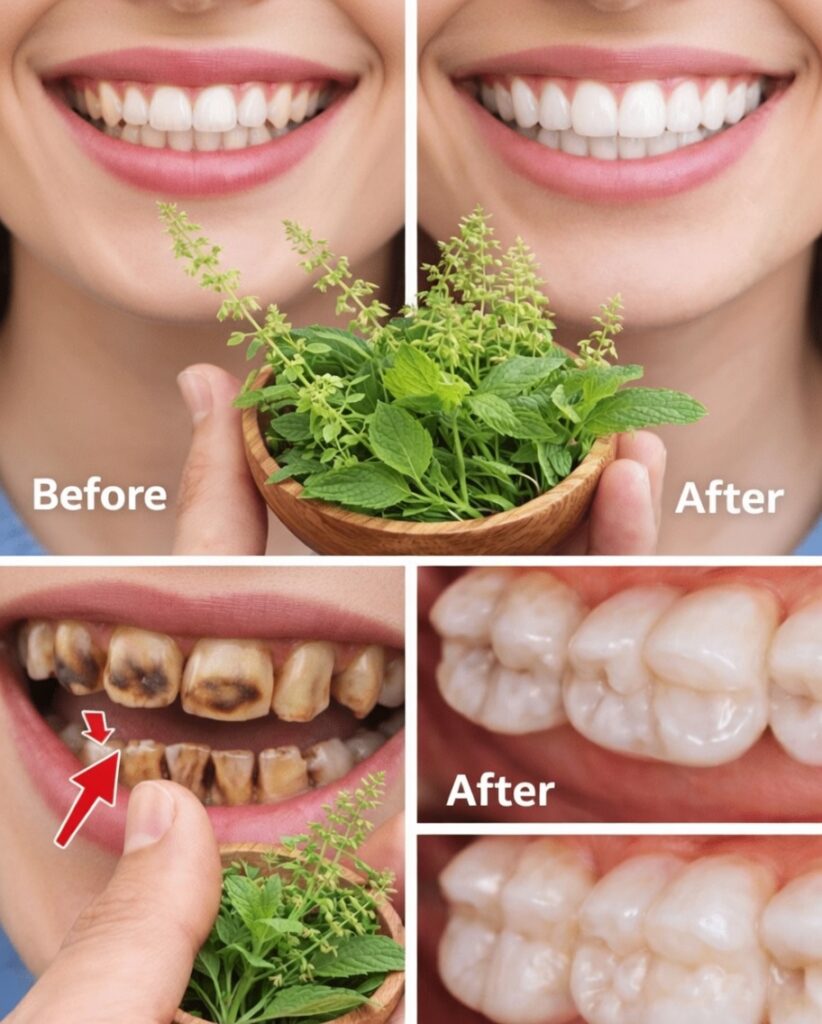
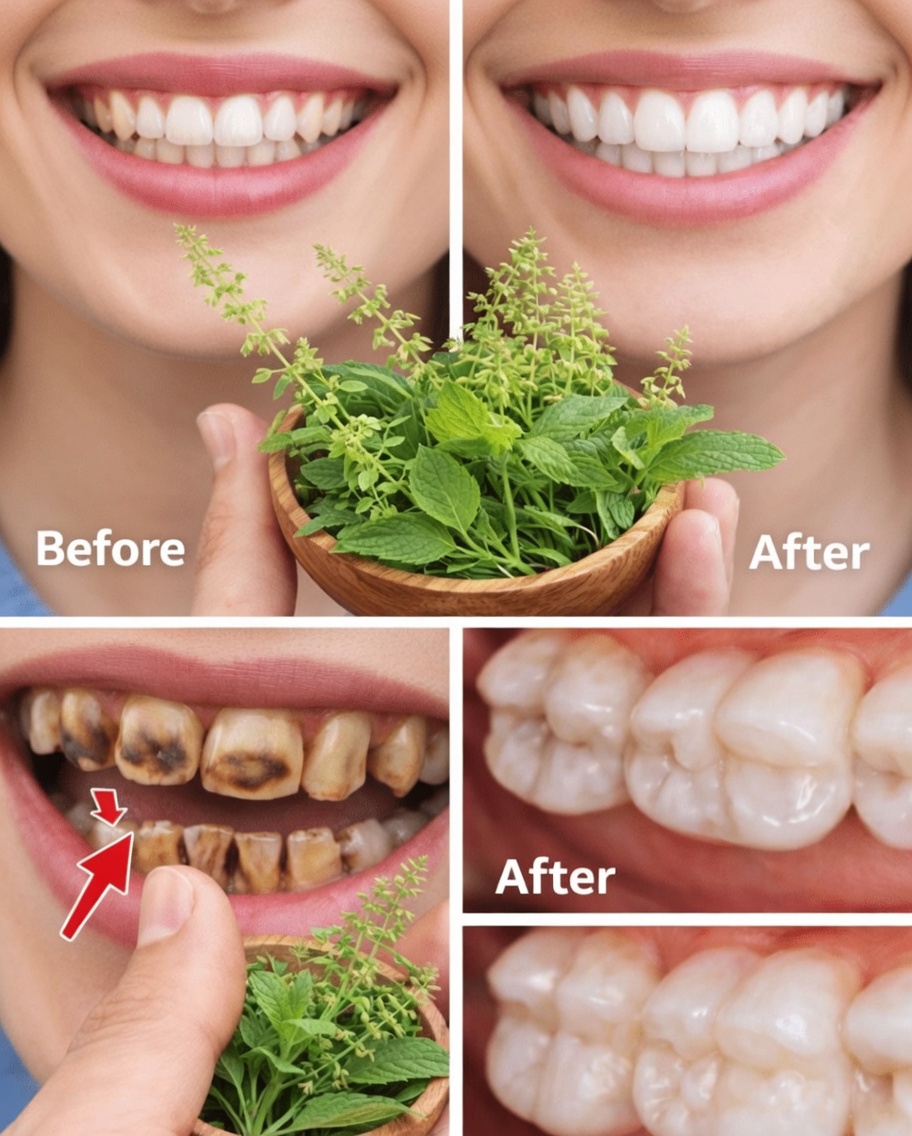
Discovering Holy Basil (Tulsi) for Everyday Oral Health
Many people live with routine oral issues like stained teeth, occasional gum soreness, or persistent bad breath, which can make simple acts like talking, smiling, or eating feel less comfortable. These problems often arise from daily lifestyle habits, nutrition, or environmental exposure and can be discouraging when regular brushing doesn’t seem to solve them.
Exploring gentle, plant-based options such as holy basil (tulsi) may offer additional support for a healthier mouth. Beyond its traditional uses, tulsi has a lesser-known feature that connects oral care with overall wellness—something we’ll return to at the end so you can make more informed choices.
What Is Holy Basil (Tulsi) and Why Use It for Oral Care?
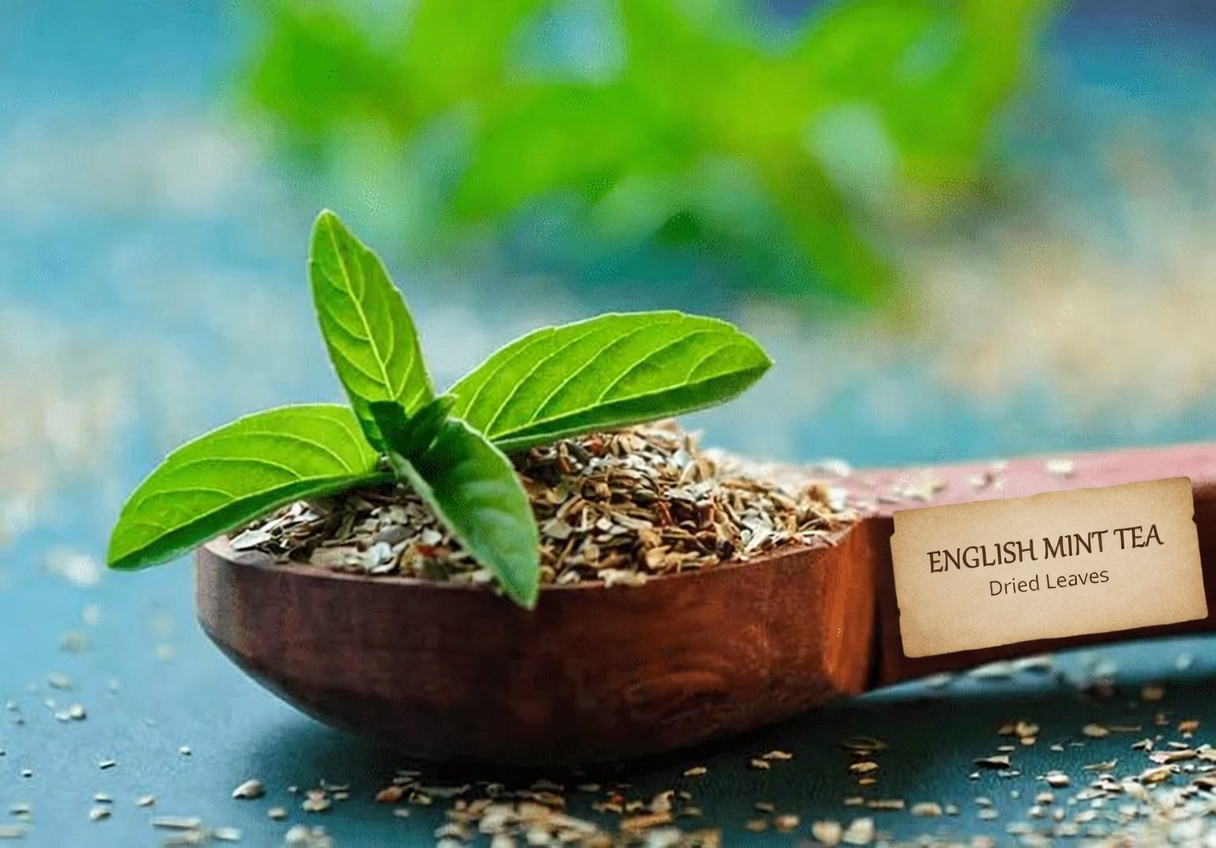
Holy basil, commonly called tulsi, is a fragrant herb from the mint family, originally found in India and Southeast Asia. It has been valued for centuries in traditional systems of wellness, especially in Ayurveda, for its aromatic leaves and wide range of potential health-supporting properties.
When it comes to the mouth, tulsi is notable for its natural compounds that may help maintain a healthier oral environment.
Scientific work, including studies cited in the Journal of Clinical and Experimental Dentistry, indicates that tulsi contains eugenol and other bioactive substances with antimicrobial effects. These compounds may interact with certain oral bacteria in ways that support cleaner teeth and fresher breath.
Beyond its antimicrobial activity, tulsi also appears to have anti-inflammatory properties. A review in the International Journal of Ayurveda Research highlights its long-standing use in traditional preparations aimed at soothing the mouth and supporting fresher breath. With that in mind, let’s explore how tulsi might fit into a modern oral care routine.
How Holy Basil May Support Common Oral Concerns
1. Plaque, Cavities, and Tooth Decay
Tulsi’s antibacterial components may help reduce plaque formation, which is a primary contributor to cavities. Research published in the Journal of Indian Society of Periodontology suggests that tulsi extracts can inhibit specific strains of bacteria linked to tooth decay. While it’s not a replacement for fluoride or professional treatments, it may provide an additional layer of support when used alongside brushing and flossing.
2. Gum Discomfort and Minor Irritation
For people dealing with mild gum swelling or tenderness, tulsi’s potential anti-inflammatory activity is especially relevant. Using tulsi in mouth rinses or herbal pastes may help calm occasional irritation. Its benefits tend to be more noticeable when combined with good daily habits like careful brushing, flossing, and regular dental checkups.
3. Bad Breath and Oral Odor
Halitosis (bad breath) often results from an overgrowth of odor-producing bacteria on the tongue and between the teeth. Tulsi’s fresh aroma and compounds such as cineole may naturally help reduce these microbes. A study in the Journal of Contemporary Dental Practice found that mouthwashes containing tulsi were effective at lowering levels of odor-causing bacteria, which can contribute to fresher breath.
4. Enamel Support and Antioxidant Protection
Healthy enamel is essential for strong teeth. Tulsi provides antioxidants that may help counteract oxidative stress in the mouth. According to research in Phytotherapy Research, tulsi’s constituents show protective activity against free radicals. This antioxidant support, while indirect, may contribute to overall tooth and gum resilience when combined with standard oral hygiene.
Easy Ways to Add Holy Basil to Your Oral Care Routine
Incorporating tulsi into your daily oral care doesn’t require specialized equipment or complicated recipes. Here are a few practical options you can try at home.
DIY Tulsi Mouth Rinse
Follow these steps to prepare a simple, tulsi-based mouthwash:
-
Gather ingredients
Use 10–15 fresh tulsi leaves, or an equivalent amount of dried tulsi from a trustworthy source. -
Boil and steep
Bring 1 cup of water to a boil, then add the leaves. Let them steep for 5–10 minutes, as you would for herbal tea. -
Strain and cool
Strain out the leaves and allow the liquid to cool to room temperature. -
Rinse
Swish the cooled liquid around your mouth for about 30 seconds after brushing, up to twice daily. Spit it out afterward.
This straightforward rinse can be slotted easily into a morning or evening routine and may offer extra support for fresher breath and a cleaner feel.
Tulsi-Infused Toothpaste (Simple Homemade Recipe)
If you prefer to customize what goes on your toothbrush, you can create a basic tulsi-infused paste:
- Use a base of coconut oil or baking soda for natural cleaning power.
- Crush dried tulsi leaves into a very fine powder with a mortar and pestle.
- Combine 1 teaspoon of tulsi powder with 2 tablespoons of your chosen base.
- Optional: Add 1 drop of peppermint essential oil for a cooling, minty flavor.
- Apply a small amount to your toothbrush and brush gently as usual.
This DIY option allows you to control the ingredients and avoid certain additives found in commercial products, while still benefiting from tulsi’s natural properties.

Tulsi Tea for Overall Mouth Freshness
Tulsi tea can be enjoyed as a beverage while also supporting a fresher mouth:
- Steep tulsi leaves (fresh or dried) in hot water for about 5 minutes.
- Sip the tea slowly, allowing the warm vapor and liquid to contact the mouth and throat.
- Enjoy this 2–3 times per week, especially in the evening, as part of a relaxing ritual.
While tulsi tea is not a substitute for mouthwash, it can be a pleasant way to support oral freshness and overall well-being.
Science-Backed Insights on Tulsi and Oral Health
Emerging research provides early but promising evidence for holy basil’s role in oral care:
- A clinical trial reported in the Journal of Ayurveda and Integrative Medicine found that participants using tulsi-based mouth rinses showed reduced plaque levels over a short period.
- Studies referenced by the National Center for Biotechnology Information (NCBI) noted improvements in measures related to gum health, such as the gingival index, when tulsi was used as part of oral hygiene routines.
- Research in the Indian Journal of Dental Research suggests that essential oils from tulsi contain volatile compounds that help neutralize foul odors, supporting its use against bad breath.
- A review in Phytomedicine discussed tulsi’s antioxidants, including ursolic acid, which may help protect oral tissues and contribute indirectly to enamel integrity.
These findings point to tulsi as a helpful complement to—or not a replacement for—conventional oral care practices. More large-scale and long-term research is still needed to confirm its full role.
How Tulsi Compares to Other Natural Oral Remedies
To understand where tulsi stands among popular herbal options, here is a simple comparison:
| Remedy | Key Properties | Ease of Use | Availability |
|---|---|---|---|
| Holy Basil (Tulsi) | Antimicrobial, anti-inflammatory, pleasant aroma | High (tea, rinse, paste) | Widely available in herb shops and online |
| Clove | Strong pain-relieving and antibacterial effects | Medium (oil, clove packs) | Common in home kitchens |
| Neem | Very bitter; strong antibacterial activity | Low–Medium (twigs, extracts) | More common in Asian or specialty stores |
| Peppermint | Cooling sensation; effective breath freshener | High (tea, oils, rinses) | Found almost everywhere |
This overview shows tulsi as a well-rounded, versatile herb: relatively easy to use, widely accessible, and beneficial for multiple aspects of oral health.
Safety Tips, Precautions, and When to See a Professional
Although holy basil is generally regarded as safe for most healthy adults, it’s still important to use it thoughtfully:
- Start small: Introduce tulsi gradually to see how your body responds. Excessive use may cause mild digestive discomfort in some individuals.
- Check with your healthcare provider: If you are pregnant, breastfeeding, managing a medical condition, or taking medications, consult a doctor or qualified health professional before using tulsi regularly, as it may interact with certain drugs.
- Don’t ignore serious symptoms: Persistent tooth pain, ongoing gum bleeding, swelling, or sores in the mouth require professional evaluation. Natural remedies like tulsi can support oral health but should never replace regular dental visits or prescribed treatments.
- Choose reputable sources: Always buy tulsi leaves, powders, or extracts from trusted suppliers to reduce the risk of contamination or poor-quality products.
Real-Life Experiences with Tulsi for Oral Care
Anecdotal reports from communities and online forums often highlight tulsi’s positive effects:
- Some people say that using tulsi rinses regularly leaves their mouth feeling cleaner and their breath fresher.
- Others notice less gum sensitivity or a more comfortable feeling when brushing near the gumline after incorporating tulsi into their routine.
These personal experiences echo traditional wisdom, but individual outcomes can vary widely depending on diet, oral hygiene habits, genetics, and overall health. Tulsi tends to work best as part of a broader, holistic approach to wellness.
Conclusion: Tulsi as a Partner in Better Oral Habits
Holy basil offers a natural, accessible way to support oral health with its antimicrobial, anti-inflammatory, and breath-freshening properties. Adding tulsi-based rinses, teas, or simple pastes to your daily routine can enhance the results of regular brushing, flossing, and dental checkups without adding much complexity.
Consistency is crucial: tulsi works best when used regularly and in combination with proven oral hygiene practices rather than in isolation.
The interesting, often overlooked aspect of tulsi is its adaptogenic nature—its traditional role in helping the body cope with stress. By supporting a healthier stress response, tulsi may indirectly benefit oral health too. For example, better stress management may reduce habits like teeth grinding or jaw clenching, which can wear down enamel and strain the gums over time.
Frequently Asked Questions (FAQ)
1. What is the best way to use holy basil for bad breath?
One effective method is to brew tulsi tea, let it cool slightly, and use it as a gentle mouth rinse after meals. Its aromatic compounds and antimicrobial properties may help reduce odor-causing bacteria and leave your breath feeling fresher.
2. Can holy basil replace my regular toothpaste?
No. Holy basil should be seen as a complementary tool, not a substitute. Use tulsi rinses, teas, or homemade pastes alongside a fluoride-containing toothpaste and flossing, unless your dentist advises otherwise.
3. Is holy basil safe for children?
In small, appropriate amounts—such as mild tulsi tea—it may be suitable for some children. However, always consult a pediatrician or pediatric dentist before giving tulsi to children, especially regularly, to ensure it is safe for their age, health status, and any medications.
Always talk with a qualified healthcare or dental professional before starting any new herbal regimen. The information above is intended for educational purposes only and is not a substitute for medical advice, diagnosis, or treatment.