
Feeling Drained by Blood Sugar Ups and Downs?
Unpredictable energy, stubborn fatigue, and persistent sugar cravings can make ordinary days feel unnecessarily hard. When your blood sugar rises and drops quickly, you may notice afternoon crashes, irritability, and anxiety about how each meal will affect your body. The encouraging news is that a familiar food you may already enjoy—avocado—could offer gentle, everyday support for more stable blood sugar. Even more interesting, some of the ways people use avocado today align with principles found in traditional Chinese dietary thinking, which modern research is beginning to examine from a new angle.

Why Blood Sugar Swings Can Leave You Exhausted
Many people experience mid-morning or late-afternoon slumps that feel like someone suddenly “turned off” their energy. Often, these crashes are linked to unstable glucose levels, especially after meals that digest quickly.
When blood sugar fluctuates frequently, it can affect more than productivity:
- It may intensify hunger and cravings, especially for sweets or refined carbs
- It can contribute to brain fog and low motivation
- It may increase long-term concerns about metabolic health
Adding avocado is a simple dietary shift that may help support steadier glucose responses—potentially reducing the frustration of daily energy dips.

Avocado: A Simple Fruit With Big Potential for Blood Sugar Support
Avocado is more than a popular toast topping. Its nutrient profile makes it a practical option for anyone trying to manage post-meal sluggishness, cravings, or weight challenges tied to blood sugar instability.
What makes avocado stand out isn’t a quick “hack.” It’s the way its nutrients work together—quietly and consistently—to promote a more balanced metabolic response.
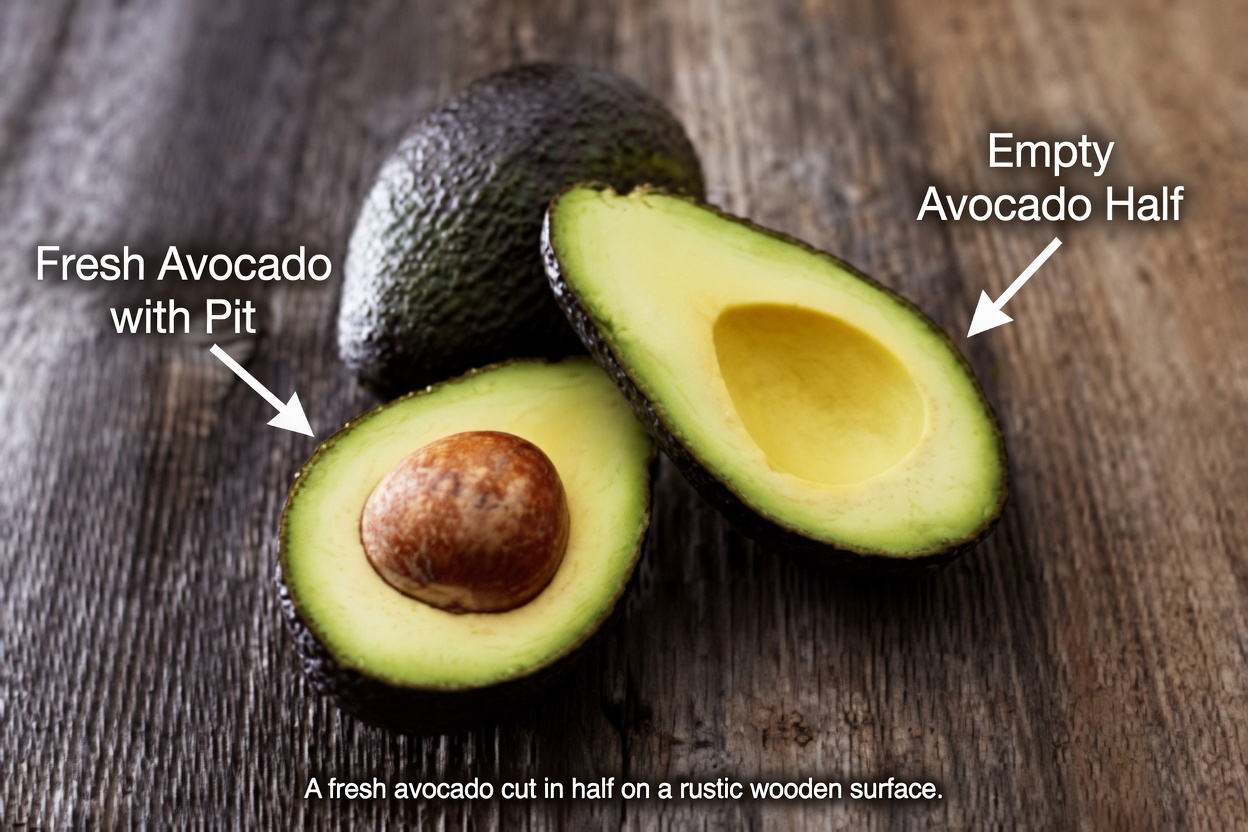
The Fiber Advantage: How Avocado May Reduce Glucose Spikes
If you tend to feel ravenous between meals, it’s easy to reach for snacks that trigger another rise-and-crash cycle. Avocado is rich in fiber, with roughly 10 grams per medium fruit, and that fiber can help slow digestion and carbohydrate absorption.
This matters because slower absorption can support:
- More gradual changes in blood sugar after eating
- Longer-lasting fullness
- Fewer sudden cravings that lead to impulsive snacking
Both soluble and insoluble fiber in avocado contribute to a steadier energy curve—something many people miss when they rely on low-fiber meals. Research regularly links higher-fiber eating patterns with improved glycemic control, which may translate into fewer exhausting highs and lows.

Plant Compounds in Avocado That May Support Metabolic Health
Avocado is often praised for its fats, but it also contains antioxidants and unique plant compounds that may help the body handle metabolic stress more effectively.
For people who feel worn down by inflammation-related fatigue or who worry about insulin sensitivity, these compounds may be relevant because studies suggest they can support:
- Reduced oxidative stress
- A healthier internal environment for metabolic function
- Better overall resilience against factors associated with glucose imbalance
While avocado isn’t a “cure,” its combination of fiber, micronutrients, and bioactive compounds can make it a smart, supportive choice.

What Research Suggests About Avocado and Blood Sugar Balance
You don’t need an extreme diet overhaul to take meaningful steps. Several studies associate regular avocado consumption with improvements in markers tied to metabolic wellness, including:
- Better insulin sensitivity
- More stable post-meal blood sugar patterns
- Improved dietary quality overall (often because avocado replaces more processed options)
For anyone who feels uneasy about the long-term impact of fluctuating blood sugar, avocado can offer an easy, food-based way to reinforce a steadier daily routine.
The Traditional Chinese Perspective: A Surprising Link
Here’s where the story gets especially interesting. In traditional Chinese dietary practices, foods are often chosen to support harmony in systems connected with digestion and energy—frequently discussed in relation to the spleen and pancreas functions.
Although avocado doesn’t appear in ancient Chinese texts as a native food, many modern practitioners in parts of Asia have embraced it in contemporary eating patterns—often describing it as a “cooling” food that fits well within blood sugar-friendly meals. For people tired of complicated supplement stacks, this blend of traditional thinking and practical nutrition can feel refreshingly straightforward.

How Traditional Insights Emphasize Daily Balance With Avocado
In this approach, avocado is often recommended in modest portions, sometimes paired with complementary flavors such as cinnamon. The idea is to support the body’s natural equilibrium rather than chase quick fixes.
This is one reason the overlap between tradition and modern findings feels compelling: both point toward steady, consistent habits as the foundation for better energy and fewer cravings.
Easy Ways to Eat Avocado for More Stable Energy
You don’t need complex meal prep. Small, repeatable habits tend to work best—especially if strict diets have already left you discouraged.
Try these simple options:
- Morning boost: Spread ¼ avocado on whole-grain toast and add a light dusting of cinnamon.
- Lunch upgrade: Add ½ avocado to a salad or grain bowl for longer-lasting fullness.
- Smarter sweet snack: Blend avocado with unsweetened cocoa and a small amount of natural sweetener for a creamy treat.
- Dinner swap: Use mashed avocado in place of mayo in savory dishes to keep meals satisfying without feeling heavy.
Simple Recipe Ideas That Make Consistency Easier
When healthy eating becomes boring, it’s easier to slip back into habits that trigger cravings. These quick ideas help keep avocado enjoyable:
- Blend ½ avocado into a smoothie with spinach and berries to reduce mid-morning hunger.
- Mash avocado with unsweetened cocoa for a “chocolate” pudding that’s less likely to cause a sugar spike.
- Add avocado salsa to grilled chicken or fish for a creamy topping that supports a more balanced meal.
Why Portion Size Still Matters
Avocado is nutrient-dense, which is a benefit—but it also means portions matter. A practical guideline is ½ to 1 avocado per day, depending on your overall calorie needs and meal structure.
This approach often feels more satisfying than restrictive dieting because avocado adds richness and fullness, making balanced meals easier to maintain over time.
The Bottom Line: Make Avocado Part of a Bigger Blood Sugar Toolkit
No single food can do everything, but avocado’s blend of fiber, healthy fats, and supportive plant compounds makes it a strong option for people aiming for healthier blood sugar patterns. When paired with mindful eating and consistent habits—an idea echoed in traditional philosophies—small changes can produce noticeable improvements in energy and cravings.
Start with one simple avocado habit tomorrow and observe how your body responds over the next week.
FAQ: Avocado and Blood Sugar Support
How much avocado should I eat daily for blood sugar benefits?
A common recommendation is ¼ to ½ avocado per serving, up to one whole avocado per day. This range helps you get the fiber and nutrients without adding excessive calories.
Can avocado replace other blood sugar management strategies?
No. Avocado works best as a supportive addition to a balanced lifestyle that includes whole foods, regular movement, stress management, and adequate sleep.
Any preparation tips to get the most out of avocado?
Pair avocado with protein (eggs, fish, chicken) or other nutrient-dense foods (nuts, seeds, legumes) to further slow digestion. Use ripe avocado and store it properly to maintain freshness and nutrient quality.
Disclaimer: This article is for informational purposes only and does not provide medical advice. Always consult a qualified healthcare professional regarding your diet, symptoms, or medical conditions.