
In a fast-paced modern lifestyle, it is common to feel your energy drop after eating or to worry about long-term heart health. Daily stress, ultra-processed foods, and irregular routines can all contribute to these concerns. The result is often fatigue, frustration, and a search for simple habits that help without adding complexity. One surprisingly effective option may already be in your kitchen: cinnamon. This familiar spice could offer gentle daily support, especially in foods like coffee, tea, or oatmeal.
Why Cinnamon Stands Out
Cinnamon has been valued for centuries for more than its warm, comforting taste. Its bark contains beneficial plant compounds, especially cinnamaldehyde and a wide range of polyphenols, which are known for antioxidant and anti-inflammatory effects. These natural substances may help the body cope with the strain of everyday living.
Research suggests that cinnamon’s antioxidants may help reduce oxidative stress, which is often associated with metabolic function and cardiovascular health. One of the biggest advantages is accessibility: you do not need costly supplements or rare superfoods. Using small amounts of cinnamon regularly in everyday meals may provide benefits over time, especially alongside a balanced diet and regular movement.
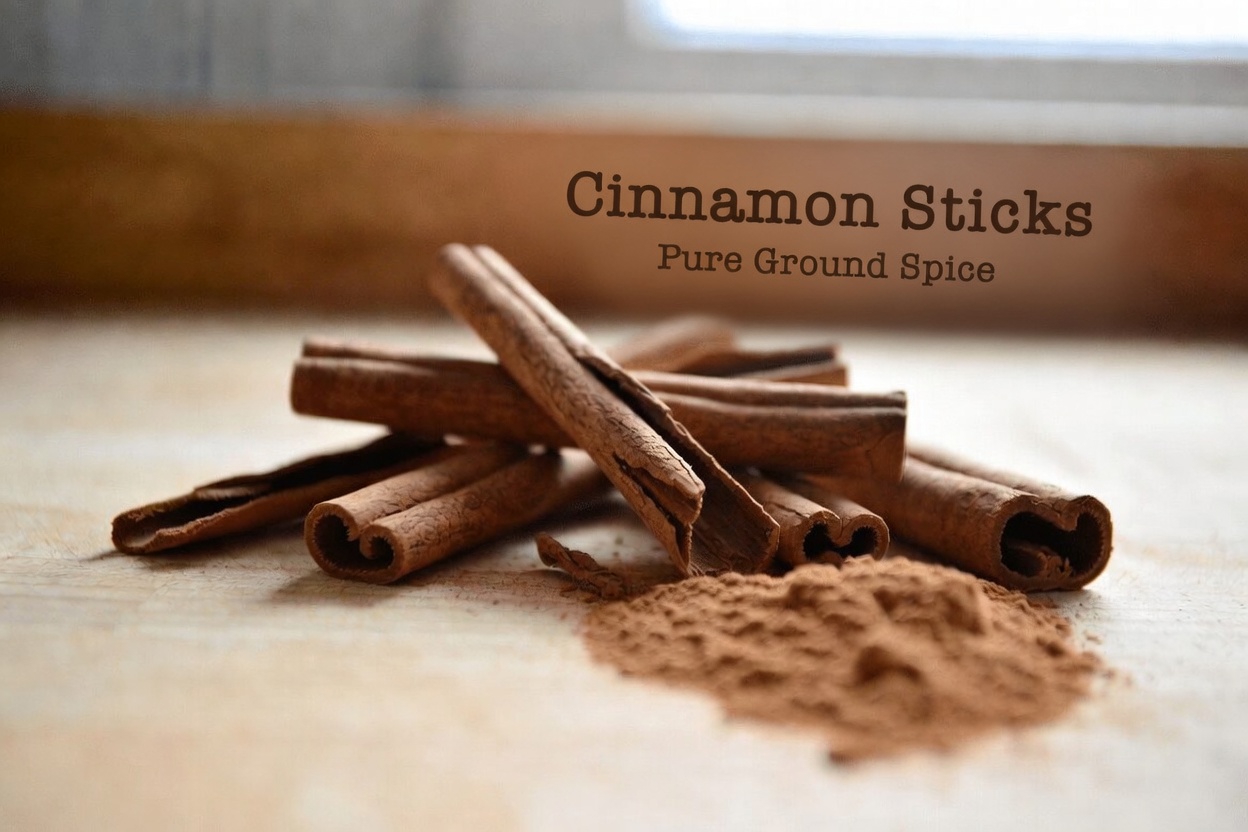
How Cinnamon May Support Blood Sugar Control
One of the most discussed benefits of cinnamon is its potential role in blood sugar balance. A number of studies have explored whether consistent intake can improve insulin sensitivity and help cells respond to glucose more effectively. In some clinical findings, people who consumed modest daily amounts showed more stable fasting blood sugar levels and smoother responses after meals.
This matters in daily life because blood sugar stability affects more than lab numbers. Better glucose balance may help with:
- Fewer energy crashes
- Reduced cravings
- More stable mood and focus
- Better overall metabolic comfort
Some research also suggests that cinnamon may support healthier triglyceride levels, adding another possible benefit for metabolic wellness.
Even a small amount, such as half a teaspoon per day, may play a helpful role when included as part of a nutritious eating pattern. Cinnamon is not a miracle ingredient, but findings across multiple reviews are promising enough to keep experts interested.
Why Blood Sugar Balance Matters
Frequent blood sugar swings can influence how you feel physically and mentally. They may affect:
- Energy levels
- Concentration
- Appetite
- Mood
- Fat storage patterns
Over time, repeated spikes and crashes may contribute to insulin resistance, which can increase the risk of metabolic issues and heart-related concerns. That is why simple food choices that encourage balance can be a practical and low-effort step.
Cinnamon may offer support by:
- Helping reduce post-meal glucose spikes
- Encouraging healthier insulin function
- Supporting a steadier metabolic rhythm
The best part is that this is an easy habit to start without changing your entire diet overnight.
Cinnamon and Heart Health
For many people, cardiovascular wellness is a top priority, and daily lifestyle choices make a major difference. Emerging evidence suggests cinnamon may also support heart health, particularly in areas such as cholesterol levels and blood vessel function.
Some studies have reported modest improvements in:
- Total cholesterol
- LDL cholesterol
- Blood pressure readings
Another factor is chronic low-level inflammation, which is often linked to long-term heart concerns. Because cinnamon contains antioxidant compounds, it may help the body manage this process more effectively.
Still, cinnamon works best as part of a broader heart-conscious lifestyle that includes:
- Plenty of vegetables
- High-fiber foods
- Healthy fats
- Regular physical activity
- Stress management
It should be viewed as supportive, not as a replacement for core healthy habits.

What the Science Says
Researchers have identified several possible reasons why cinnamon keeps appearing in studies focused on metabolism and wellness.
1. It may enhance insulin activity
Some cinnamon compounds appear to help insulin work more efficiently, allowing cells to move glucose out of the bloodstream more effectively.
2. It provides antioxidant protection
Its polyphenols may help neutralize free radicals, which can contribute to tissue damage over time.
3. It may influence fat metabolism
Certain studies suggest cinnamon could affect enzymes involved in processing fats, which may support healthier lipid levels.
Because of these mechanisms, cinnamon is often described as a promising functional food or nutraceutical. Even so, results vary from person to person depending on overall diet, genetics, health status, and lifestyle.
Simple Ways to Use Cinnamon Every Day
Adding cinnamon to your routine is easy, affordable, and practical. Here are five simple ideas:
- Sprinkle it over oatmeal or Greek yogurt for extra flavor without added sugar.
- Stir half a teaspoon into coffee, tea, or herbal drinks.
- Blend it into smoothies or protein shakes, especially with apple or banana.
- Use it in homemade baking while reducing refined sugar.
- Add it to roasted vegetables or fresh fruit for a naturally sweet finish.
These small habits can build up over time. The key is regular use, not occasional use.
Cassia vs. Ceylon Cinnamon
Not all cinnamon varieties are the same. If you plan to use cinnamon often, it helps to understand the difference between the two most common types.
| Type | Flavor Profile | Coumarin Content | Best Use |
|---|---|---|---|
| Cassia Cinnamon | Strong, spicy | Higher | Occasional cooking |
| Ceylon Cinnamon | Mild, slightly sweet | Much lower | Frequent daily use |
Ceylon cinnamon, often called true cinnamon, contains much less coumarin, a natural compound that can be harder on the liver when consumed in larger amounts over time. Cassia cinnamon is the type most commonly found in supermarkets and is generally fine in small culinary amounts.
For most people, moderate use of either type is acceptable. However, if you plan to enjoy cinnamon every day, Ceylon is usually the better long-term choice.
Important Precautions
Cinnamon is generally considered safe when used in normal food amounts. However, very large doses, especially from concentrated supplements, may cause side effects or interact with certain medications.
Keep these points in mind:
- Be cautious if you take blood sugar medication
- Use care if you are on blood pressure medication
- Avoid very high supplemental doses unless advised by a healthcare professional
- Pay attention to how your body responds
Most importantly, cinnamon is not a substitute for medical treatment or professional advice. It is simply a flavorful addition that may support wellness when used as part of a healthy routine.
The Bottom Line
Cinnamon deserves its growing reputation in the wellness world. It combines a pleasant taste with beneficial antioxidant compounds and possible support for blood sugar balance, metabolic health, and cardiovascular wellness. It is also one of the easiest dietary upgrades you can make.
Start with a small amount, use it consistently, and enjoy the flavor while giving your body a little extra support. Whether mixed into tea, yogurt, coffee, or a bowl of warm oats, cinnamon may be one of the simplest and most enjoyable tools for feeling more balanced and energized.
Frequently Asked Questions
How much cinnamon should I use each day for possible blood sugar support?
Many studies showing potential benefits used about 1/2 teaspoon to 2 teaspoons daily. A smart approach is to begin with a smaller amount and stay within normal culinary use.
Is Ceylon cinnamon better than cassia for regular use?
Yes. Ceylon cinnamon contains much lower levels of coumarin, making it a better option for frequent use. Both types can offer flavor and possible health benefits, but Ceylon is generally the safer choice for everyday use.
Can cinnamon replace blood sugar or heart medications?
No. Cinnamon should not replace prescribed treatment. It may serve as a supportive dietary addition, but it is not a cure or medical substitute.
What is the easiest way to start adding cinnamon to my diet?
A simple starting point is to add a small sprinkle to oatmeal, yogurt, coffee, tea, smoothies, or fruit. Daily consistency matters more than using large amounts at once.