
A Simple Red Onion Recipe That May Help Support Healthy Blood Sugar
Keeping blood sugar in a healthy range can feel like a constant balancing act. It affects energy, mood, cravings, and overall well-being, which is why many people look for practical, food-based ways to support their routine. The good news is that one colorful ingredient already common in many kitchens may offer some helpful benefits: red onions.
In this guide, you’ll learn why red onions have gained attention for blood sugar support, what research says about their natural compounds, and how to prepare a quick red onion and herb recipe that fits easily into everyday meals.
How Red Onions May Support Blood Sugar Balance
Red onions have been studied for years in connection with metabolic health. As members of the Allium family, they contain a range of plant compounds that researchers continue to investigate for their possible role in glucose regulation.
One of the most notable compounds in red onions is quercetin, a powerful flavonoid antioxidant. Research suggests that quercetin may help support healthier glucose metabolism when it is consumed regularly as part of a balanced eating pattern.
Some early clinical findings, including observations reported in publications such as the Egyptian Journal of Hospital Medicine, found that eating about 100 grams of raw onion was linked to changes in fasting blood glucose in certain groups. In one small study involving people with elevated glucose levels, researchers noted lower readings after four hours compared with control participants. While these findings are encouraging, experts also point out that outcomes can differ based on diet, exercise, body composition, and overall health.
Researchers have also looked at sulfur-containing compounds in onions, including allyl propyl disulfide, which may play a role in insulin-related functions. Reviews of quercetin-rich foods further suggest that red onions could help improve glucose tolerance over time.
The key takeaway is important: red onions are not a cure or a standalone fix. Their potential benefits are most meaningful when they are part of a broader healthy lifestyle.
Why Red Onions May Be a Better Choice Than Other Onion Types
Red onions are often highlighted because they typically contain more quercetin than white or yellow onions. That higher flavonoid content may give them an advantage for people interested in antioxidant-rich foods.
Several studies have linked quercetin to potential improvements in:
- Insulin sensitivity
- Oxidative stress reduction
- Energy metabolism
- Overall metabolic function
Research published in sources such as the Journal of Nutrition and Metabolism has shown that quercetin from foods like red onions may help support fat metabolism and energy expenditure, especially in high-fat diet models. Human studies are more limited, but some smaller trials have reported modest improvements in metabolic markers when onion intake is paired with a structured eating plan.
Red onions also offer another benefit: fiber. Their soluble fiber content may help slow the absorption of carbohydrates, which can reduce the likelihood of sharp post-meal blood sugar spikes. Since they also have a low glycemic index, they are easy to include in many meal plans without major dietary changes.
Potential Benefits of Adding Red Onions to Your Routine
Red onions may fit well into a blood sugar-conscious lifestyle for several reasons:
- Quercetin may help support antioxidant defenses, which are important for protecting cells involved in glucose regulation.
- Sulfur compounds may contribute to insulin-related processes and help support steady daily energy.
- Fiber and water content can increase fullness, which may make portion control easier.
- Their flavor works well with proteins and healthy fats, making balanced meals easier to build.
- They are affordable and easy to find, which helps make consistency more realistic.
Quick Red Onion Herb Medley Recipe
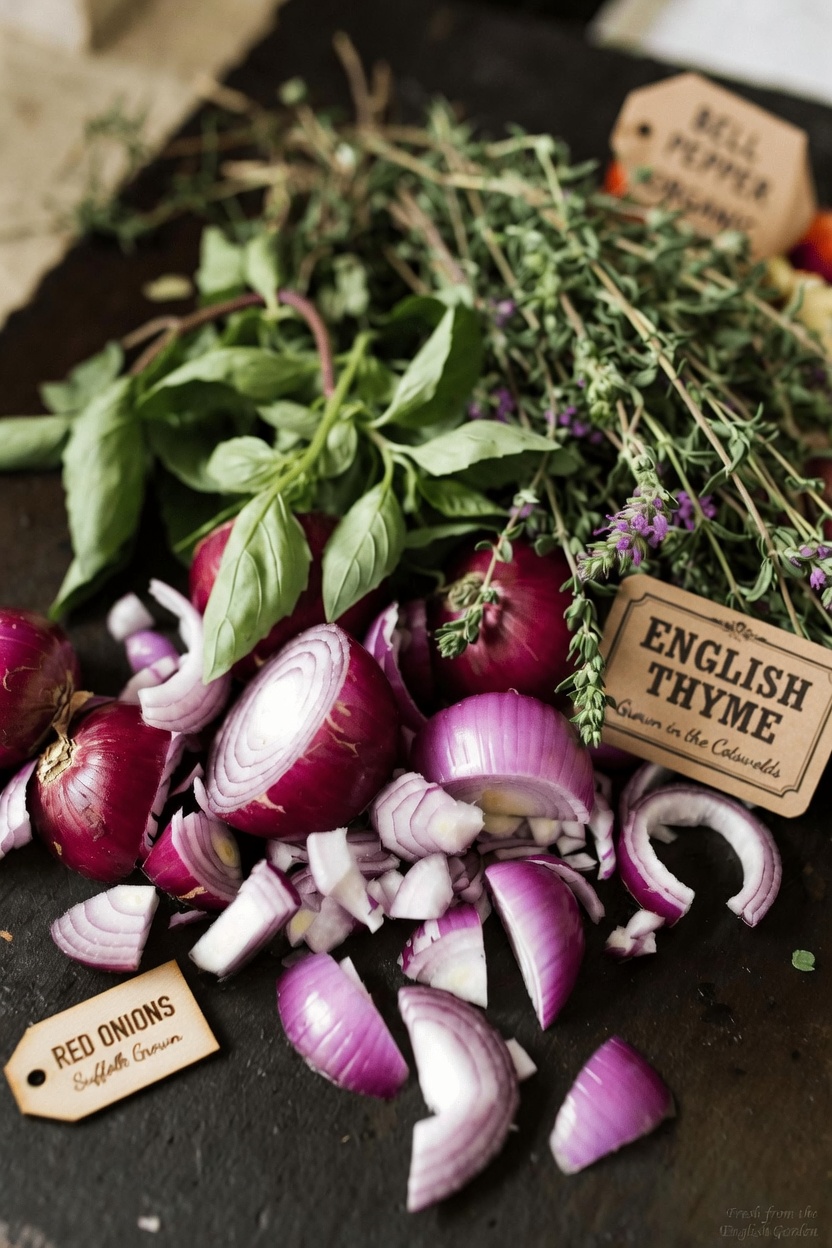
This fresh recipe is simple, flavorful, and ready in about 10 minutes. Because the onions are served raw, their natural compounds remain largely intact. The herbs, olive oil, and lemon soften the sharp bite and create a bright, refreshing dish.
Ingredients
Serves 2 to 4 as a side dish.
- 2 medium red onions
- 1 cup fresh mixed herbs, such as:
- mint leaves
- rosemary sprigs
- oregano
- thyme
- 2 tablespoons extra-virgin olive oil
- Juice of 1 lemon
- A pinch of sea salt
- A pinch of black pepper
- Optional: extra fresh mint for a more vibrant flavor
How to Make It
- Peel the red onions and slice them as thinly as possible with a sharp knife or mandoline.
- Place the slices in a bowl of cold water for about 5 minutes to reduce their harshness without losing too much of their natural value.
- Drain the onions well and gently pat them dry.
- Roughly chop the herbs.
- Add the onions and herbs to a large bowl.
- Drizzle with olive oil and lemon juice.
- Season lightly with sea salt and black pepper.
- Let the mixture rest for 5 to 10 minutes so the flavors can blend.
Serving Ideas
You can enjoy this medley in several ways:
- As a side with grilled chicken or fish
- Over a bed of mixed greens
- As a topping for grain bowls or protein plates
- On its own as a light, refreshing snack
Many people like this recipe because it feels fresh and satisfying without becoming boring when eaten regularly.
Easy Variations to Keep It Interesting
If you want to change the flavor while keeping the same base idea, try one of these additions:
- Sliced cucumber
- Cherry tomatoes
- Crumbled feta
- Apple cider vinegar for a quick-pickled version
- Extra mint for a cooling finish
These simple variations can make the dish more versatile while still fitting into a blood sugar-friendly eating style.
Practical Ways to Build a Sustainable Habit
When it comes to supporting healthy blood sugar, consistency matters more than perfection. Rather than changing everything at once, start by adding red onions to just one meal each day. Over time, small food swaps can feel much easier to maintain.
Here are a few simple ways to use red onions more often:
- Add thin slices to sandwiches or wraps instead of sweeter, higher-carb sauces
- Blend a small amount into smoothies with berries and leafy greens
- Roast them with vegetables like broccoli or bell peppers
- Stir chopped raw onion into yogurt or cottage cheese for a quick high-protein snack
- Spoon leftover herb-onion mix onto avocado toast
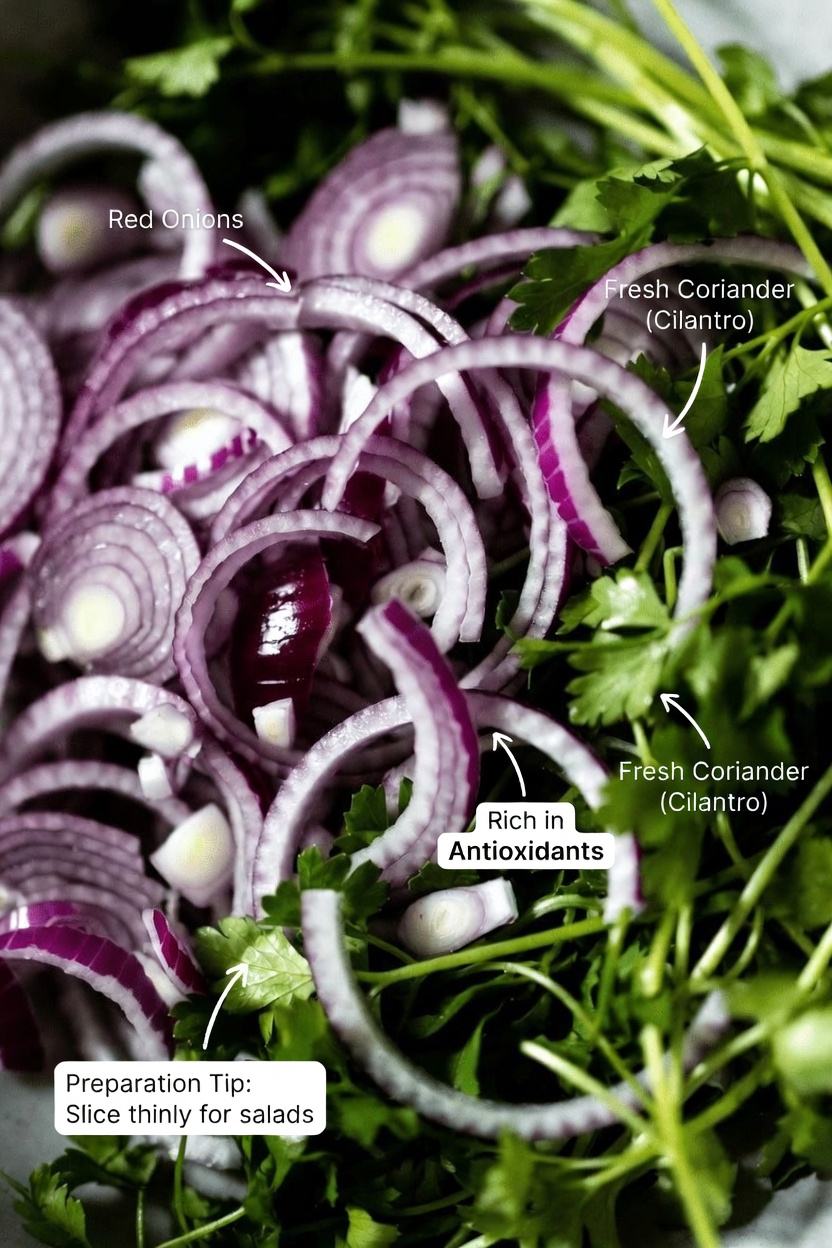
Combining red onions with healthy fats such as olive oil and protein-rich foods may also help moderate your body’s response to meals. Many nutrition professionals suggest paying attention to how you feel after making these additions for a week, since personal response can vary.
Another useful strategy is meal prep. Slice red onions in advance and store them in an airtight container in the refrigerator for up to three days. That way, they are ready whenever you need a quick topping or side.
Blood Sugar Support Comes From Daily Habits, Not One Food
No single ingredient can do all the work on its own. The biggest impact usually comes from combining smart food choices with supportive lifestyle habits.
Helpful daily habits include:
- Regular physical activity
- Drinking enough water
- Getting quality sleep
- Building meals around fiber, protein, and healthy fats
- Choosing whole, nutrient-dense foods more often
Ongoing research continues to examine how flavonoid-rich vegetables such as red onions fit into larger eating patterns. A broad review in the journal Nutrients noted that regularly eating these kinds of foods may support metabolic health, especially within a Mediterranean-style diet.
The goal is not perfection. It is creating changes you can actually maintain. Small upgrades, like adding a red onion herb medley to meals, are often more effective in the long run because they feel realistic instead of restrictive.
Frequently Asked Questions
How much red onion should I eat each day for possible benefits?
Many studies that observed effects used portions around 100 grams, which is roughly one medium onion. A good starting point is about half that amount, then gradually increase depending on your digestion and personal comfort.
Is raw red onion better than cooked red onion?
Raw red onion may retain more of certain natural compounds, including quercetin. However, cooked red onion still provides beneficial nutrients and can be a great option if raw onion feels too strong or causes discomfort.
Can red onions replace medication or medical treatment?
No. Red onions should be viewed as a supportive food, not a treatment. Anyone managing diabetes or blood sugar concerns should continue following medical guidance and prescribed care.
What foods pair well with red onions for balanced meals?
Red onions work especially well with:
- Grilled chicken
- Fish
- Eggs
- Greek yogurt
- Cottage cheese
- Avocado
- Leafy greens
- Olive oil-based dressings
These combinations can help create meals that are more balanced and satisfying.
Final Thoughts
Red onions are more than just a flavorful ingredient. Thanks to their quercetin, sulfur compounds, fiber, and low glycemic index, they may offer helpful support for people working toward better blood sugar balance. While they are not a magic solution, they can be a smart and practical addition to a healthy routine.
This quick red onion herb medley is one easy way to get started. It is fast to prepare, simple to customize, and easy to pair with everyday meals. When combined with regular movement, hydration, and consistent eating habits, small choices like this can make healthy blood sugar support feel much more manageable.