A Simple Daily Habit That May Help Support Knee Comfort After 50
Many adults over 50 begin to notice that their knees do not feel as flexible as they once did. Morning stiffness, discomfort after sitting for long periods, or difficulty with everyday movements like climbing stairs and standing up from a chair can slowly become more common. In many cases, these changes are linked to the natural aging of cartilage and the tissues that support the joints.
There is good news, though. A traditional kitchen ingredient that has been used for generations may be an easy addition to your daily routine and could help support joint comfort and mobility. If you are looking for a practical, food-based approach, this is one worth considering.
Why Joint Support Becomes More Important With Age
Cartilage helps protect your joints by acting as a smooth cushion between bones. As the years pass, this cushioning can become less durable, which may lead to stiffness, reduced flexibility, and less comfortable movement. Because of this, many older adults search for simple ways to care for their joints beyond medication alone.
Scientists have taken a close look at nutrients involved in collagen formation and connective tissue health. Collagen is a major structural protein found in cartilage, ligaments, and tendons. Supporting the body’s collagen supply through diet is an area of ongoing interest, especially for people experiencing age-related joint changes.
The Ingredient in Focus: Gelatin and Bone Broth
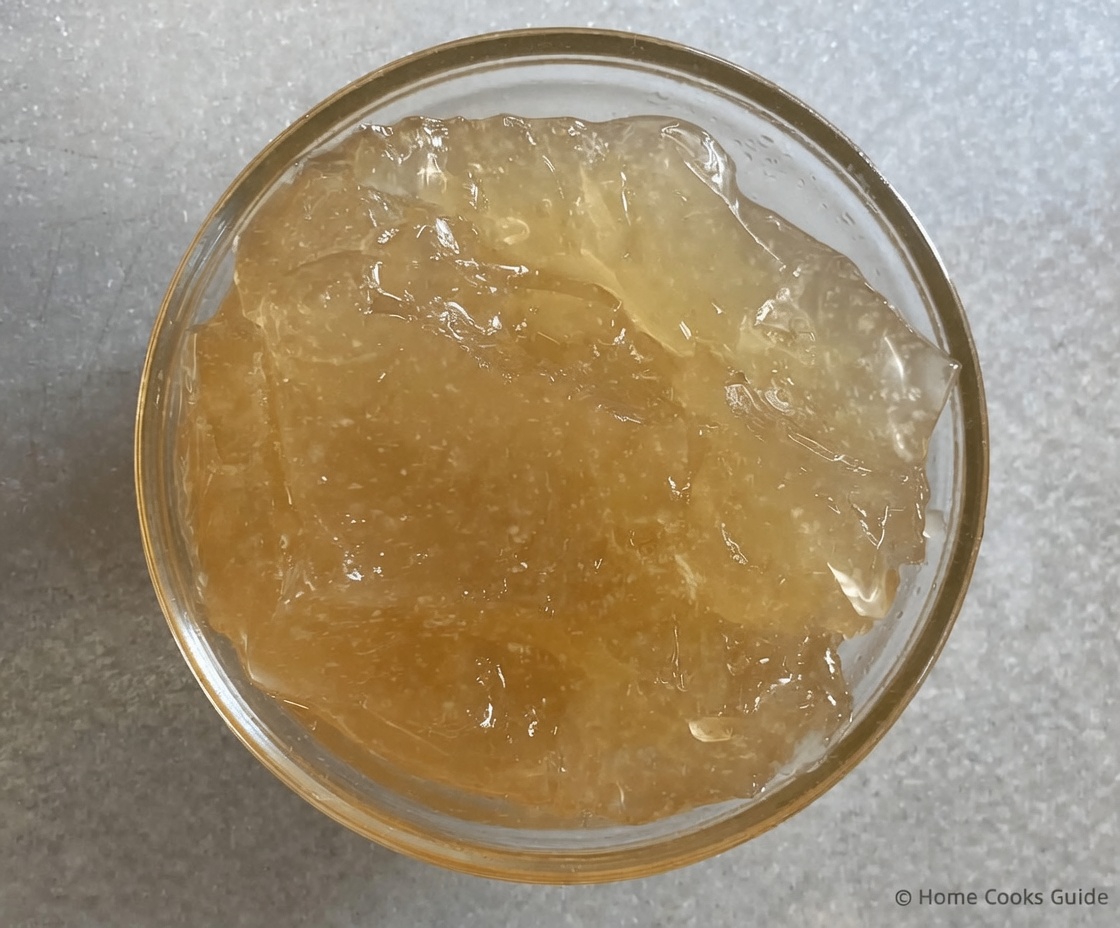
One food frequently mentioned in conversations about joint health is gelatin, along with one of its best-known natural sources: bone broth. Gelatin is produced from cooked collagen and contains amino acids such as glycine, proline, and hydroxyproline, all of which are found in joint-supporting tissues.
Studies examining collagen-based compounds, including hydrolyzed collagen, have explored whether they may help improve joint comfort and function. Some findings suggest they may help with stiffness and support mobility in people dealing with age-related wear. Although results are not identical for everyone and more research is still needed, the nutritional profile of gelatin makes it a compelling option.
Bone broth offers another appealing way to get these nutrients. When bones and connective tissues are simmered slowly for several hours, they release collagen along with minerals and other beneficial compounds. Many people also enjoy bone broth because it is warming, satisfying, and easy to include in meals.

How to Add This Habit to Your Routine
The idea behind using “2 spoons a day” is simple: include a small, measured amount of gelatin regularly, or drink bone broth consistently. A manageable routine may look like this:
- Mix 1 to 2 teaspoons of unflavored gelatin powder into warm water, tea, or coffee in the morning.
- Or drink a small cup of homemade bone broth, around 8 to 10 ounces, as a light snack or soup base.
- Focus on regular use rather than large amounts. Many people report noticing a difference only after several weeks of consistency.
Pro Tip: Choose quality whenever possible. Look for gelatin sourced from grass-fed animals, or prepare bone broth at home using chicken, beef, or fish bones. Adding a little apple cider vinegar while simmering may help draw more nutrients from the bones.
Other Foods That Can Help Support Healthy Joints
Gelatin gets attention because it contains collagen-building amino acids, but overall joint support works best as part of a balanced eating pattern. You can strengthen your routine by including foods like these:
- Vitamin C-rich produce — Oranges, strawberries, broccoli, and bell peppers help the body make collagen naturally.
- Omega-3-rich foods — Salmon, sardines, and other fatty fish may help support a healthy inflammatory response.
- Leafy greens and colorful fruits and vegetables — Kale, spinach, berries, and similar foods offer antioxidants that help protect body tissues.
- Nuts and seeds — Almonds, walnuts, and flaxseeds provide healthy fats and minerals that support overall wellness.
Using gelatin along with these nutrient-dense foods can create a stronger foundation for joint comfort.
A Simple Daily Plan for Better Mobility
Improving joint health is not only about what you eat. Daily habits matter too. Here is an easy routine to follow:
- Morning: Stir 1 to 2 teaspoons of gelatin into a warm drink.
- Midday: Add a serving of fruit or vegetables high in vitamin C.
- Evening: Enjoy bone broth on its own or use it as a soup base.
- All day: Drink enough water and keep moving with gentle activities such as walking, stretching, or swimming.
Many people say they feel better when they combine good nutrition with regular low-impact movement and quality sleep.
What Research Says Without Exaggeration
A number of studies have explored collagen peptides and gelatin in relation to joint health. Some clinical findings have reported improvements in stiffness and physical function after consistent intake over several weeks or months. Research involving hydrolyzed collagen, for example, has shown possible benefits for knee comfort in older adults.
Still, outcomes vary from person to person. Your results may depend on several factors, including your diet, exercise habits, body weight, and genetics. Foods can support the body’s natural repair and maintenance processes, but they are not a substitute for professional medical care.
Quick Comparison of Helpful Joint-Supporting Foods
- Gelatin or bone broth — Provides amino acids used in collagen formation and is easy to consume daily.
- Vitamin C-rich foods — Help the body produce collagen naturally and are widely available.
- Omega-3-rich fish — Support a balanced inflammatory response and also benefit heart health.
- Antioxidant-rich vegetables — Help protect tissues from everyday stress while being filling and nutrient-dense.
Practical Tips You Can Start Using Today
- Prepare a large batch of bone broth over the weekend and freeze it in portions.
- Try different flavors by adding herbs, garlic, ginger, or lemon.
- Keep a simple record of how your knees feel over 4 to 6 weeks, especially in the morning or during movement.
- Pair this nutrition habit with strengthening exercises such as chair squats or leg lifts to support the muscles around the knees.
Small actions done consistently often bring the most noticeable results over time.
Common Questions About Foods for Joint Comfort
How soon might I notice a difference?
Some people say they feel subtle improvements within a few weeks, while others do not notice changes until after 1 to 3 months. Consistency and patience are important.
Is gelatin or bone broth safe for everyone?
These foods are generally well tolerated, but it is wise to check with a healthcare professional first, especially if you have kidney issues, gout, dietary restrictions, or other medical concerns.
Can store-bought broth work too?
Yes, but choose a low-sodium version with as few additives as possible. Homemade broth is often preferred because long simmering may provide more collagen.
Should I use collagen supplements instead?
Supplements can be convenient, but many people prefer whole-food options like gelatin and bone broth because they also provide additional nutrients and can be easier to enjoy as part of meals.
Final Thoughts
Taking care of your knees and joints as you get older does not need to be complicated. A simple habit such as adding 1 to 2 teaspoons of gelatin each day or drinking a warm cup of bone broth, together with colorful whole foods and gentle exercise, can be a practical way to support movement and comfort.
Many people in their 60s, 70s, and beyond find that these basic daily habits help them feel more capable and confident in everyday activities. Often, better mobility begins with small, steady steps—and sometimes, just one spoonful at a time.
Disclaimer: This article is for informational purposes only and is not medical advice. It is not intended to diagnose, treat, cure, or prevent any disease. Always speak with a qualified healthcare professional before changing your diet or starting a new wellness routine, especially if you have existing health conditions or take medication.