

Living with unstable blood sugar can be draining. You may pay close attention to your meals, monitor your readings, and still feel confused by morning spikes or sudden drops in energy. On top of that, concerns about long-term effects on heart health, vitality, and daily wellness can create ongoing stress.
There is, however, an interesting possibility worth exploring: a familiar ingredient already sitting in many kitchens may provide gentle support when included regularly and sensibly. In this article, we’ll look at how red onions can play a role in a balanced blood sugar strategy and share practical ways to use them more often. Stay with us until the end for a simple and flavorful preparation many people find easy to add to everyday life.
Why Red Onions Are Getting Attention for Blood Sugar Support
Red onions do far more than add crunch and flavor to salads, sandwiches, and savory dishes. They contain naturally occurring plant compounds, including quercetin and various sulfur-containing substances, that have attracted interest in metabolic health research.
Some studies suggest these compounds may affect the way the body processes glucose. Small human observations and animal research have reported modest improvements in fasting blood sugar when onions or onion-based extracts are consumed consistently. Reviews of the topic also suggest that onion compounds may help support insulin sensitivity and reduce sharp glucose rises after meals in certain settings.
That said, red onions are not a cure or a replacement for proper treatment. Their potential benefits appear to be most meaningful when they are part of a broader healthy eating pattern. They also provide antioxidants, which may help the body manage oxidative stress often associated with fluctuating blood sugar.
How Red Onions May Help With Glucose Control
Findings from peer-reviewed research point to several possible ways red onions may support healthier glucose management:
- Rich in quercetin: Red onions are among the top dietary sources of quercetin, a flavonoid studied for its potential to improve cellular glucose uptake and lower markers linked to insulin resistance.
- Natural sulfur compounds: These onion components have been associated in some studies with healthier insulin function.
- Low glycemic effect: Red onions have a low glycemic impact, meaning they can add texture and bulk to meals without causing major blood sugar surges.
One clinical observation found that eating about 100 grams of fresh onion—roughly one medium onion—was linked to a noticeable drop in fasting glucose several hours later in people with type 2 diabetes. Other studies involving onion extracts, often alongside standard care, have also shown improvements in glucose-related markers and even cholesterol levels in animal models.

Even so, results are not identical for everyone. Human studies continue to emphasize that onions are best used as a supportive food within a plan that includes medical supervision, nutritious meals, and regular movement.
Easy Ways to Add Red Onions to Daily Meals
One of the biggest advantages of red onions is how easy they are to use. You can eat them raw to preserve more of their active compounds, or cook them lightly if you prefer a softer taste.
Here are simple ways to include them more often:
- Add thin slices to salads, wraps, and grain bowls
- Lightly sauté them in olive oil as a base for omelets or stir-fries
- Roast them with other vegetables for a sweeter, richer flavor
- Use them raw in salsa
- Pickle them for a quick, tangy topping
Simple Daily Meal Ideas
- Breakfast: Mix chopped red onion into scrambled eggs or add it to avocado toast.
- Lunch: Layer slices into a turkey sandwich, veggie sandwich, or salad.
- Dinner: Stir red onions into soups, stews, roasted vegetables, or grilled protein dishes.
Many people find that meals feel more satisfying when they include colorful vegetables like red onions. That extra satisfaction can help with portion control and may support steadier energy throughout the day.
Red Onion Water: A Popular and Simple Home Method
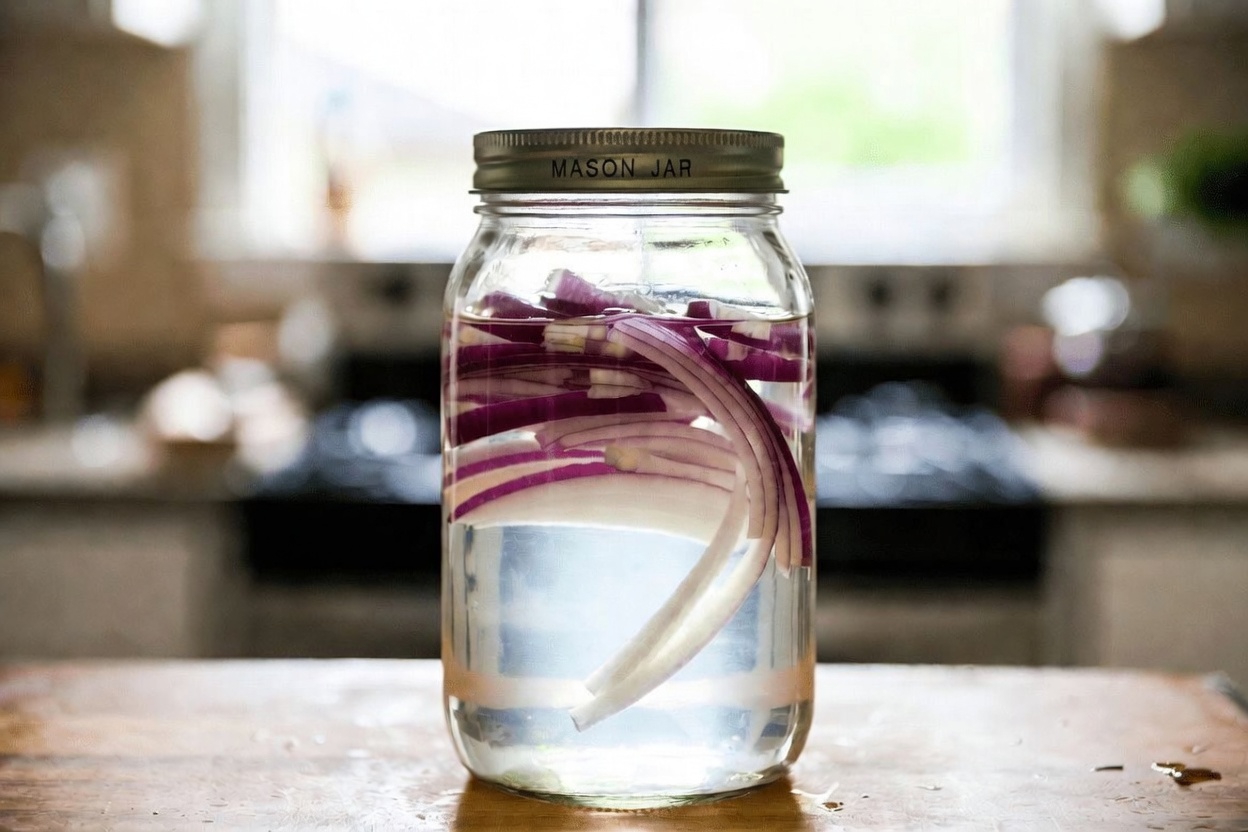
A common way people experiment with red onions is by making red onion-infused water. This method is easy, requires no special tools, and allows you to adjust the strength to your preference.
How to Make It
- Take one medium fresh red onion.
- Peel it and slice it thinly or chop it into small pieces.
- Place the onion pieces into a clean glass jar or pitcher.
- Add about 2 to 3 cups of filtered or room-temperature water.
- Refrigerate for 4 to 8 hours, or leave it overnight to infuse.
- Strain the water and drink small portions during the day.
Many people begin with 1/2 to 1 cup, either in the morning or evening.
Helpful Tip
For a fresher taste, you can add:
- A squeeze of fresh lemon
- A few mint leaves
Start with a small amount so you can observe how your body responds, and use it alongside balanced meals rather than as a replacement for healthy habits.
This preparation is popular because it is simple, inexpensive, and uses the whole vegetable effectively. Still, it should be viewed as a gradual support tool, not a quick solution.
Tips to Get More Everyday Benefit
Beyond simply eating red onions, a few small habits may help amplify their value:
- Pair them with healthy fats such as olive oil or avocado
- Combine them with fiber-rich foods to help slow glucose absorption
- Use them consistently several times a week instead of in occasional large amounts
- Keep track of how you feel, especially changes in energy levels and post-meal steadiness
Many people report better day-to-day balance when these habits are paired with short walks after meals and good sleep.
Comparing Common Onion Types
Here is a quick look at how different onions compare for everyday use:
-
Red Onion
- Color and flavor: Purple-red, sharp raw, sweeter when cooked
- Quercetin level: Highest
- Best use: Raw slices, salads, infused water
-
Yellow Onion
- Color and flavor: Golden, milder, savory
- Quercetin level: Moderate
- Best use: Cooking bases, roasting, soups
-
White Onion
- Color and flavor: Crisp, pungent, clean taste
- Quercetin level: Lower
- Best use: Salsas, lighter dishes, fresh toppings
Among these varieties, red onions stand out because of their stronger antioxidant profile, which is why they are frequently mentioned in conversations about metabolic wellness.
Lifestyle Habits That Pair Well With Red Onions
Red onions can be a useful addition, but blood sugar balance depends on more than one food. Their benefits are best supported by healthy daily routines such as:
- Regular exercise, even 20 to 30 minutes of walking each day
- Stress reduction, including deep breathing or short mindfulness breaks
- Staying hydrated
- Including protein and fiber with meals
- Prioritizing quality sleep, since poor rest can make glucose control more difficult
When combined, these habits create a stronger foundation for overall metabolic health.
Frequently Asked Questions
1. Can I eat red onions every day if I am concerned about blood sugar?
Yes, most people can include red onions daily as part of a balanced diet. A moderate amount, such as half to one medium onion per day, is a reasonable place to start. They are relatively low in calories and carbohydrates, but responses can vary from person to person.
2. Are raw red onions better than cooked ones for blood sugar support?
Raw red onions may preserve more heat-sensitive compounds such as quercetin, so they could offer slightly stronger potential benefits. However, lightly cooked onions are often easier to digest and still provide useful nutrients. The best choice is the one you can enjoy consistently.
3. How quickly might I notice a difference?
Any effect is usually mild and develops over time rather than overnight. It is better to focus on longer-term patterns, such as more stable energy or fewer post-meal spikes, than to expect immediate dramatic changes. Always review your blood sugar trends with a healthcare professional.
Final Thoughts
Adding red onions to your meals—or trying a simple onion-infused water—is an easy and flavorful way to introduce more supportive plant compounds into your routine. Their low glycemic nature, antioxidant content, and meal-friendly versatility make them a smart choice for people looking to support steadier blood sugar as part of a healthy lifestyle.
Often, the most effective long-term habits are the small ones you can actually enjoy and maintain. Try a few of the ideas above, pay attention to how your body feels, and appreciate every step forward.
Disclaimer: This article is for informational purposes only and is not medical advice. It is not intended to diagnose, treat, cure, or prevent any disease or condition. Always consult a qualified healthcare professional before making changes to your diet, supplements, or treatment plan.