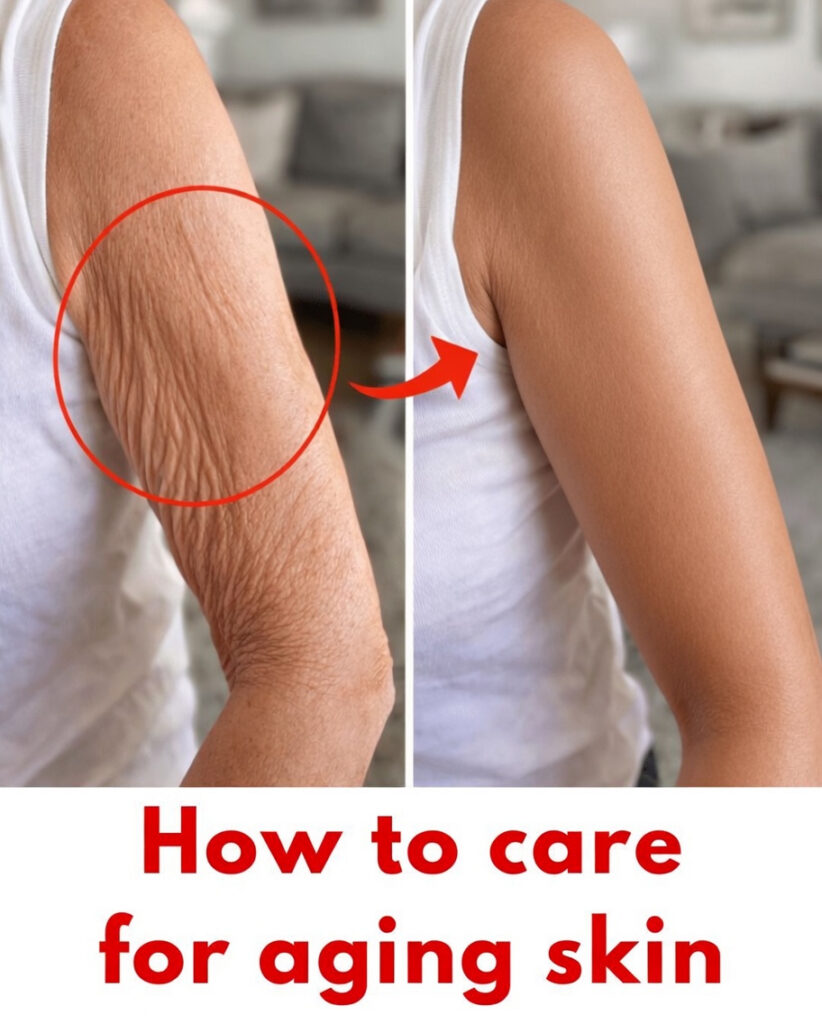
How to Care for Aging Skin and Restore a Healthy, Radiant Glow
When your skin starts to feel thinner, drier, and more marked by fine lines or dark spots, it can be discouraging. Many people notice these common signs of aging skin in the mirror and feel less confident in photos, social settings, or everyday moments. While these changes are natural, that does not mean you are powerless.
The encouraging part is that aging skin often responds well to simple, steady care. With a gentle skincare routine and a few supportive lifestyle habits, you can help your skin feel more comfortable, look brighter, and regain a healthier glow. In fact, some of the most effective strategies go beyond skincare alone and work from the inside out.
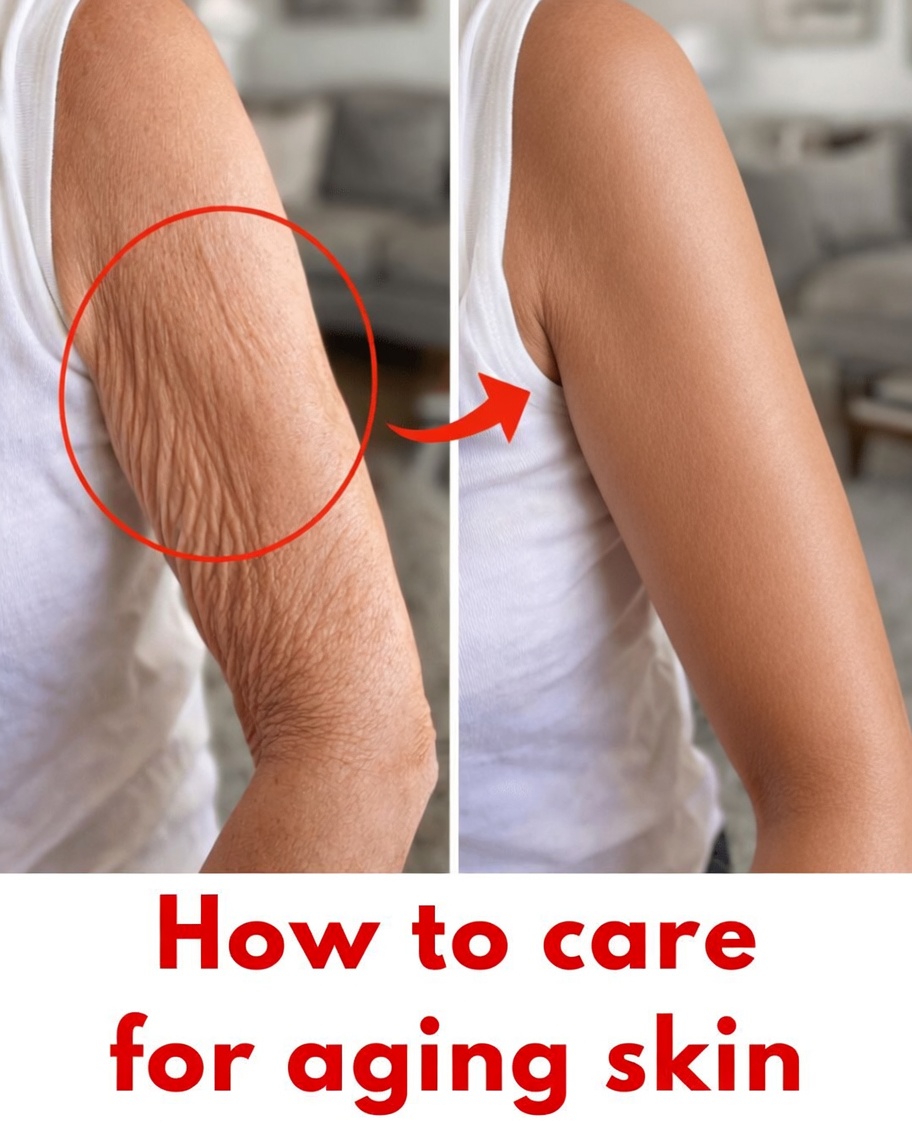
Cleanse, Moisturize, and Protect: The Foundation of Aging Skin Care
A good routine for aging skin should always begin with a gentle approach. As skin matures, it tends to become more delicate, dry, and sensitive, so harsh products can easily make those concerns worse.
Use a mild, alcohol-free cleanser in the morning and evening to wash away dirt, oil, and impurities without removing the natural moisture your skin still needs. After cleansing, apply a calming toner to help rebalance the skin and prepare it for the next products in your routine.
Moisture is especially important for aging skin. Over time, the skin loses water more quickly, which can lead to tightness, rough texture, and discomfort throughout the day. That is why hydration should be a daily priority, not an occasional step.
Key Ingredients That Help Aging Skin Look and Feel Better
The best skincare products for aging skin are often the ones that contain a few well-researched ingredients rather than a long list of trendy additives. Some ingredients are especially helpful for improving hydration, texture, and resilience.
- Hyaluronic acid helps attract and hold water in the skin, making it appear smoother, fresher, and more plump.
- Ceramides strengthen the skin barrier, which can reduce dryness, irritation, and sensitivity.
- Natural oils such as argan, jojoba, and rosehip help replenish softness and improve elasticity.
Used consistently, these ingredients can visibly improve both the feel and appearance of aging skin. Applying them with light circular motions can also encourage gentle circulation, which may leave the skin looking more refreshed.
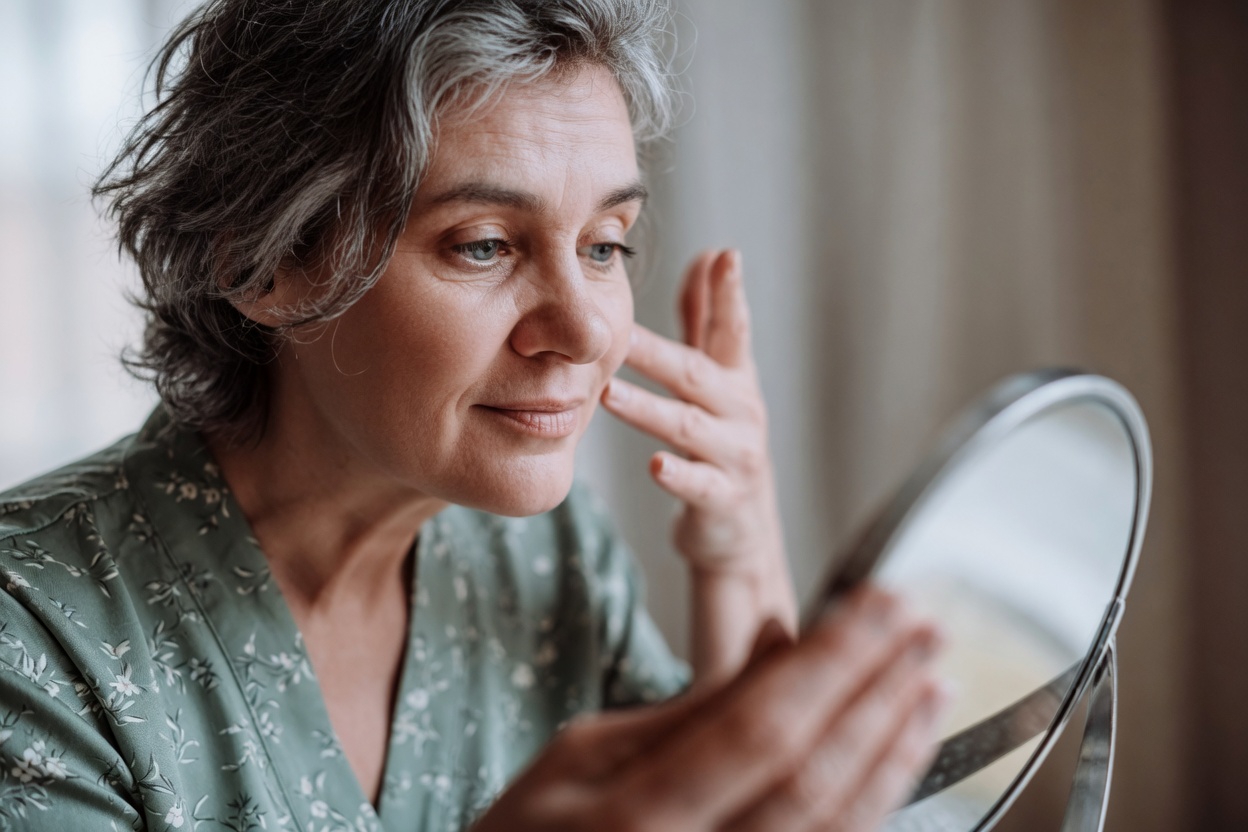
How to Choose the Right Products for Aging Skin
Caring for aging skin does not mean buying a crowded shelf full of products. A smaller routine with effective, targeted formulas is often far more beneficial.
Look for products that include:
- Retinol to support skin renewal and soften the appearance of fine lines
- Vitamin C to brighten the complexion and help protect against daily environmental stress
- Peptides to support firmness by helping maintain the skin’s collagen structure
These ingredients can make a noticeable difference when used regularly and layered properly, especially in a morning and evening routine. A brief facial massage while applying serums or creams can further improve absorption and temporarily boost circulation.
Do Not Ignore the First Areas to Show Signs of Aging
Certain parts of the body often reveal aging sooner than the rest of the face. The most commonly overlooked areas include:
- The skin around the eyes
- The lips
- The neck
- The chest or décolletage
Because the eye area is delicate, use lightweight and fragrance-free formulas to reduce the risk of irritation. Lips also need daily care, especially as aging skin becomes more prone to dryness and cracking. A nourishing balm can help keep them soft and protected.
When applying moisturizer or treatment products, extend them beyond the face to the neck and upper chest. These areas have thinner skin and can quickly show wrinkles, uneven tone, and loss of firmness if left untreated.

Daily Sun Protection Is Essential for Aging Skin
Sun exposure is one of the biggest factors that speeds up visible skin aging. Although sunlight can feel pleasant, unprotected exposure can contribute to wrinkles, sunspots, and reduced firmness over time.
Apply a broad-spectrum sunscreen with SPF 30 or higher every day, even when you are indoors or during colder months. Ultraviolet rays can still pass through windows and affect the skin.
To give aging skin even better protection, add a few practical habits:
- Wear a wide-brim hat
- Use sunglasses
- Seek shade when possible
- Reapply sunscreen every two hours if spending time outdoors
Research consistently shows that daily sun protection helps reduce premature aging and supports healthier-looking skin in the long run. Once it becomes part of your morning routine, it is one of the easiest and most powerful habits to maintain.
Nutrition for Aging Skin Starts From Within
Healthy skin is influenced by much more than skincare products. What you eat plays a major role in how your skin repairs itself, maintains elasticity, and handles daily stress.
Focus on foods rich in antioxidants and healthy fats, such as:
- Berries
- Carrots
- Spinach
- Avocado
- Green tea
These foods help combat oxidative stress, which is one of the ongoing challenges aging skin faces. Omega-3 fatty acids, found in chia seeds, flaxseeds, and oily fish, may help improve skin elasticity and calm inflammation.
Other helpful nutrients include:
- Zinc, which supports healing
- Probiotics, found in foods like yogurt, which may help support a balanced skin microbiome
Even the best skincare routine cannot fully offset poor nutrition. Feeding your body well creates long-term benefits that often show up clearly in your skin.
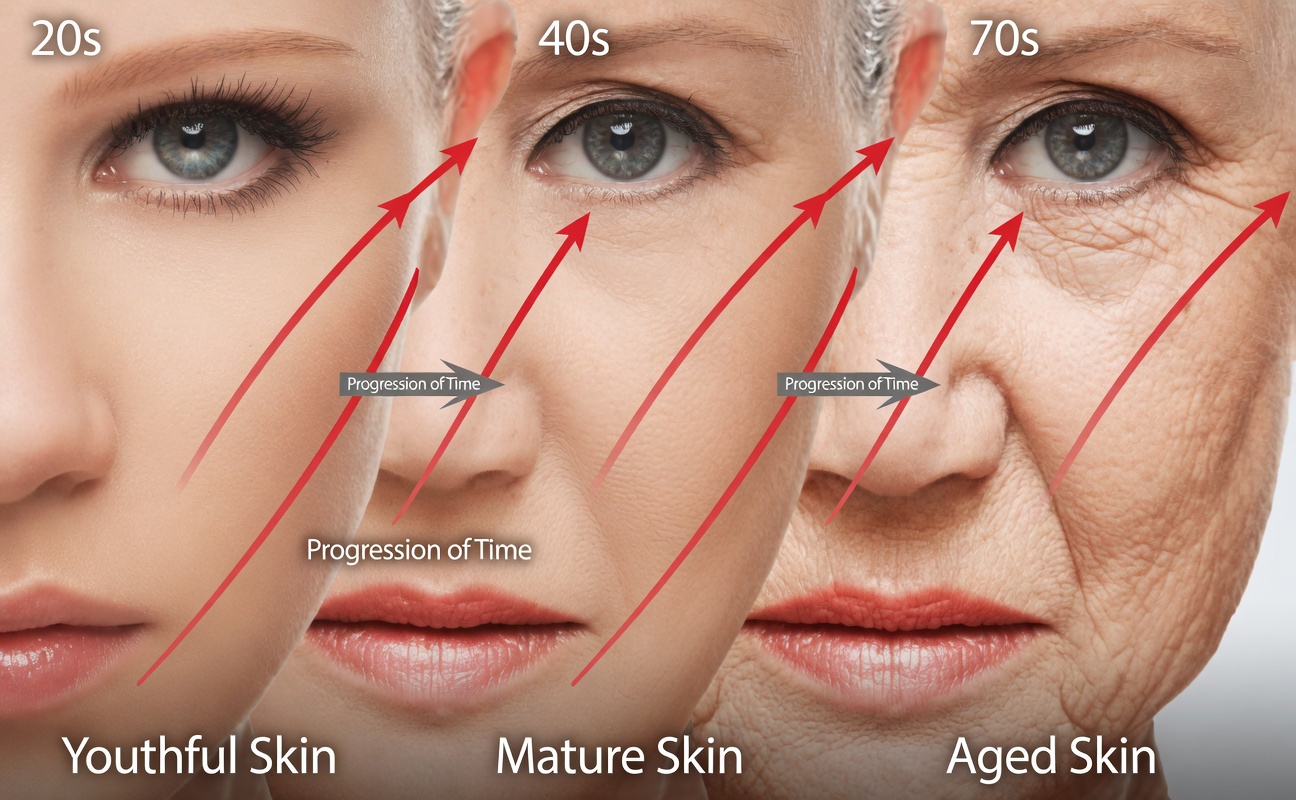
Lifestyle Habits That Make Aging Skin Look Better
Everyday choices can strongly influence how aging skin looks and feels. While no habit works instantly, small changes practiced consistently can produce visible improvements over time.
Here are a few of the most helpful habits:
- Drink enough water throughout the day to support hydration
- Get 7 to 8 hours of quality sleep each night so the skin has time to repair
- Avoid smoking, which reduces circulation and accelerates visible aging
- Limit alcohol, which can contribute to dehydration
- Manage stress through walking, breathing exercises, or gentle stretching
Stress in particular can leave the skin looking tired, dull, and worn out. A calming evening routine that helps you relax before bed may support both better sleep and better skin results.
A Simple Morning and Evening Routine for Aging Skin
An effective routine does not have to be complicated. A few consistent steps can make caring for aging skin much easier and more sustainable.
Morning Routine
- Cleanse with a gentle, non-stripping cleanser
- Apply a hyaluronic acid serum
- Follow with vitamin C
- Use a moisturizer
- Finish with broad-spectrum sunscreen
Evening Routine
- Cleanse again to remove buildup from the day
- Apply retinol or peptides a few nights per week
- Seal in moisture with a rich ceramide cream
Consistency is what turns these steps into visible progress. Start with a manageable routine, stay patient, and allow your skin time to respond.
Final Thoughts on Caring for Aging Skin
Aging skin does not need to be “fixed” or stripped of every sign of time. The goal is to support comfort, strength, and natural radiance at every stage of life. With gentle cleansing, reliable hydration, sun protection, nutrient-rich foods, and healthy daily habits, you can give your skin the support it truly needs.
Results may not appear overnight, but regular care often leads to meaningful improvements over weeks and months. Those small choices can add up to smoother, healthier-looking skin and renewed confidence each time you look in the mirror.
Frequently Asked Questions About Aging Skin Care
What ingredients are most effective for aging skin?
Some of the most recommended ingredients for aging skin include hyaluronic acid, ceramides, retinol, vitamin C, and peptides. These ingredients can help improve hydration, smoothness, brightness, and firmness when used regularly.
How often should sunscreen be used on aging skin?
Sunscreen should be applied every day as part of your morning routine. If you are outdoors, reapply every two hours for the best protection against UV damage.
Can lifestyle changes really improve aging skin?
Yes. Healthy habits such as drinking enough water, eating nutrient-dense foods, sleeping well, reducing stress, and avoiding smoking can all support better skin health and improve the overall appearance of aging skin.