
Enjoying Spinach Safely While Taking Blood Thinners
Living with blood thinning medications often means paying closer attention to everyday meals, especially when you love nutrient-dense vegetables like spinach. Many older adults value spinach for its fresh flavor and rich vitamin content, but big swings in how much you eat can influence how reliably your medication works. That unpredictability can sometimes add extra stress to daily meal planning.
The encouraging reality is that you rarely need to give up spinach. By focusing on consistent eating habits, you can usually keep spinach and other leafy greens on your plate while staying aligned with your healthcare team’s advice.
Stay with this guide, and you’ll learn one simple daily tracking habit that many seniors say brings noticeable peace of mind.

How Vitamin K Affects Blood Thinners Like Warfarin
Spinach is one of the most popular leafy greens, known for its fiber, iron, and a range of vitamins and minerals that fit well into a heart-healthy diet. It is also a significant source of vitamin K, a nutrient your body uses to support normal blood clotting.
For people taking blood thinners such as warfarin, vitamin K interacts with how the medication helps prevent unwanted clots. Guidance from organizations like the Mayo Clinic suggests that sharp changes in vitamin K intake from one day to the next can affect how steadily warfarin maintains your target INR.
The key message is not to avoid spinach altogether. In fact, groups such as the American Heart Association emphasize that keeping your vitamin K intake fairly steady from day to day helps your medication work more predictably when paired with routine INR checks.
Most people who eat spinach regularly do well as long as their intake is consistent. Modest, repeatable portions become part of a stable routine instead of something to worry about.
Why Consistent Vitamin K Intake Supports Daily Comfort
If you have a large spinach salad one day and almost none the next, that swing in vitamin K can alter how your body responds to blood thinners. Nutrition guidance from the Department of Veterans Affairs highlights that a more stable daily intake makes it easier for warfarin and similar medications to stay in the desired range over time.
This stability often reduces how often your dose needs adjustment and can make regular check-ups feel smoother and more predictable.
Many seniors say that once they understand this simple concept, mealtime becomes much less stressful. Picture yourself cooking your usual spinach dish without second-guessing each forkful—that sense of calm comes from knowing that consistency, not restriction, is what matters most. Research in respected medical journals shows that people who keep vitamin K intake fairly even week after week often feel more confident in their everyday habits.
The best part: you don’t need complicated calculations or strict elimination plans. A realistic, repeatable pattern fits naturally into family meals or meals for one.

Vitamin K in Spinach Compared With Other Vegetables
To make everyday choices easier, it helps to see how spinach compares to other vegetables in terms of vitamin K content. The values below are approximate amounts per 1 cup of raw vegetables, based on data cited by the American Heart Association and similar sources.
| Vegetable | Approx. Vitamin K (mcg per 1 cup raw) | Notes for Consistent Intake |
|---|---|---|
| Spinach | 145 | High; include in similar portions when used regularly |
| Kale | 472 | Very high; keep serving sizes stable if eaten often |
| Broccoli | 92 | Moderate; fits well into balanced meals |
| Lettuce (romaine) | 57 | Lower; useful as an everyday salad base |
| Carrots | 16 | Minimal; easy to rotate in for variety |
This comparison shows that spinach is among the higher vitamin K sources, but that does not mean it needs to disappear from your diet. Experts consistently stress that enjoying spinach at steady amounts is usually compatible with blood thinner therapy.
The next section turns this information into simple actions you can take every day.
Simple Ways to Eat Spinach Without Added Worry
Once you know the basics, the next step is putting them into practice in a way that feels easy and realistic. Here is a straightforward approach many older adults use successfully after reviewing it with their healthcare provider:
-
Start with a conversation. Talk with your doctor, anticoagulation clinic, or a registered dietitian about how often you eat spinach and other greens. They can look at your INR history and help you identify a comfortable daily vitamin K range.
-
Track your meals for one week. Use a small notebook, calendar, or phone app as a food diary. Jot down approximate portions of spinach and other leafy greens at each meal so you can see your usual pattern.
-
Aim for similar portions most days. As a general example, many people do well with something like ½ cup cooked spinach or 1 cup raw spinach in salads each day, if that matches their typical habits. The goal is to keep it fairly similar, not exact.
-
Mix in lower–vitamin K vegetables. On days when you want variety, balance your plate with options like carrots, bell peppers, or cauliflower, while keeping your total leafy green intake close to your norm.
-
Review and adjust slowly. Every few weeks, look back at your notes. If you want to make bigger changes—such as adding new recipes or changing how often you eat spinach—discuss them first with your medical team.
These steps take only a few minutes a day but can make a real difference in how stable and confident you feel with your medication routine.
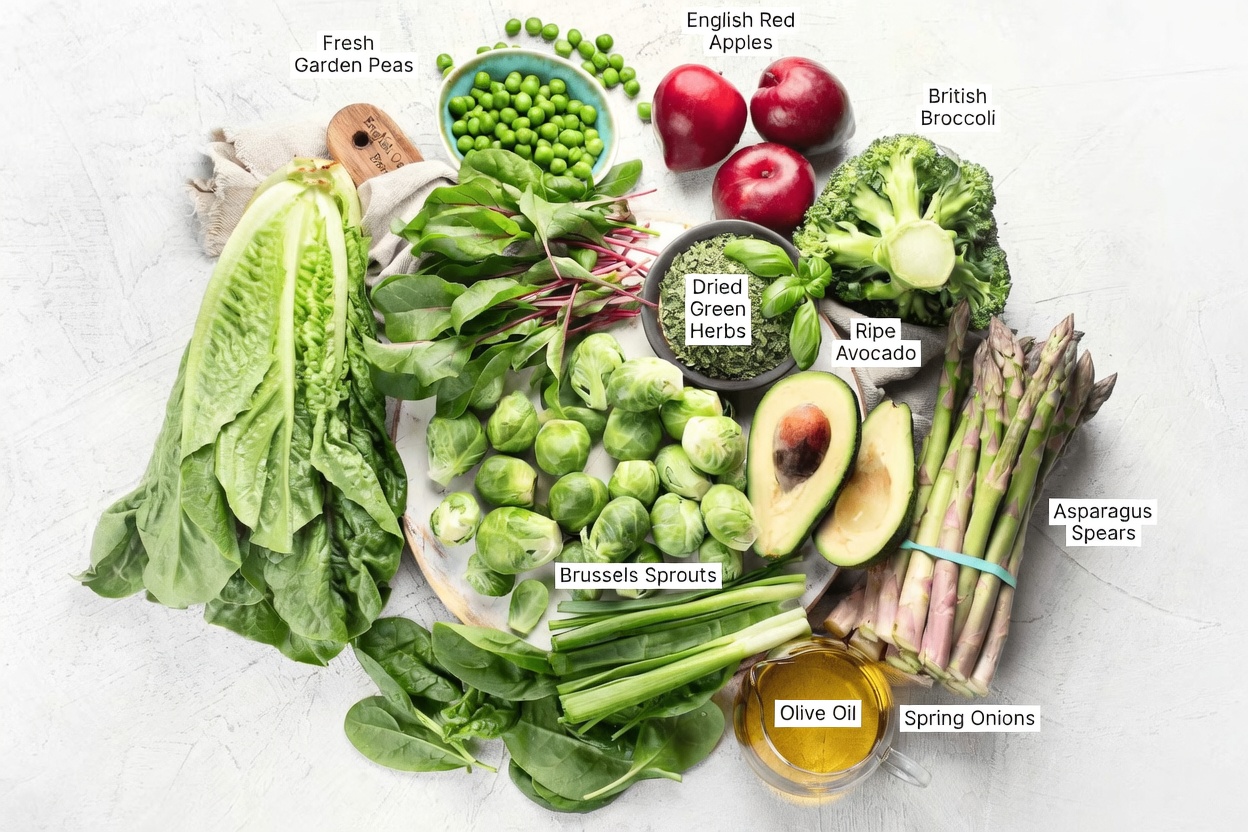
Long-Term Habits That Make Consistency Easier
Beyond the basic steps, a few simple habits can help you maintain balance without feeling like you’re always monitoring your food:
-
Build spinach into familiar dishes. Add a consistent amount of spinach to recipes you already love, such as omelets, smoothies, soups, or side dishes. Using similar recipes regularly helps portions stay predictable.
-
Prep in advance. Rinse, dry, and portion spinach and other greens once or twice a week. Storing them in pre-measured containers or bags makes it effortless to grab about the same amount each time.
-
Support overall health. Follow your medication instructions carefully, stay hydrated, and maintain regular meal times when possible. General wellness supports how your body handles both medication and nutrients.
-
Adjust gently with the seasons. If you eat more raw spinach in warmer months and more cooked greens in colder seasons, try to keep the total amount of greens roughly the same. When in doubt, check with your healthcare provider before making major shifts.
Most people find that after a short time, these patterns feel automatic. Consistency becomes part of your routine, and mealtime can return to being enjoyable instead of stressful.
When to Reach Out to Your Healthcare Team
Even with good habits, life can bring changes—travel, illness, a new prescription, or a change in appetite. During times like these, a quick check-in with your doctor, pharmacist, or anticoagulation clinic is especially important.
They can:
- Review any planned changes in your diet or spinach intake
- Explain how new medications might interact with your blood thinner
- Recommend whether you need an extra INR test or a temporary adjustment
Nutrition and anticoagulation experts, including those at centers such as University of Iowa Health Care, emphasize that open communication helps prevent small variations from turning into bigger concerns. You never have to navigate this alone—your care team is there specifically to guide these decisions.
Conclusion: Confidence Through Consistent Choices
Fitting spinach into a blood thinner routine is less about giving up favorite foods and more about keeping vitamin K intake steady. When you understand how spinach and similar greens interact with medications like warfarin, you can make informed choices instead of worrying about every bite.
With the tips, comparisons, and step-by-step strategies in this guide, you have practical tools to:
- Enjoy spinach and other greens
- Support stable INR results
- Feel more in control of your daily meals
Consider taking one small step today—such as starting a simple food diary or scheduling a brief conversation with your doctor or dietitian. Many seniors find that these small actions bring a surprising sense of stability and ease. Your meals can remain colorful, nutritious, and largely worry-free when consistency leads the way.
FAQ
Can I still eat spinach if I take blood thinners?
Yes. For most people on blood thinners like warfarin, spinach can remain part of a healthy diet. Major health organizations recommend focusing on consistent vitamin K intake—not avoiding vitamin K altogether. The key is to eat similar amounts of spinach and other leafy greens from day to day.
How much spinach is considered a safe daily amount?
There is no single “one-size-fits-all” amount, because your ideal intake depends on your medication dose, INR goals, and overall diet. Work closely with your doctor or anticoagulation clinic to:
- Review your current spinach and vegetable intake
- Look at your recent INR results
- Decide on a realistic daily range that fits your usual eating habits
Once you agree on a target pattern, try to keep your spinach portions relatively similar each day.
What happens if I suddenly eat a lot more spinach than usual?
A sudden increase in vitamin K—such as eating several large spinach salads when you usually eat very little—may affect how your blood thinner works and could change your INR. If you have a major shift in diet:
- Contact your healthcare provider or anticoagulation clinic
- Let them know how your eating has changed
- Follow their guidance on whether you need an extra INR test or dose adjustment
Do I need to avoid all high–vitamin K vegetables?
Not usually. Vegetables like spinach, kale, and broccoli offer important nutrients and can absolutely be part of a balanced diet. The goal is to keep your intake of high–vitamin K foods reasonably steady over time, rather than cutting them out. If you love these vegetables, your care team can help you include them safely.
Is tracking my spinach intake complicated?
It doesn’t have to be. Many people find that:
- A simple paper log, calendar, or phone note works well
- Estimating portions (such as “about 1 cup raw spinach”) is sufficient
- One week of tracking is often enough to see your typical pattern
After that, it’s mainly about repeating the same approximate amounts most days, with guidance from your healthcare provider as needed.