
Recharge Your Routine with a Homemade Master Tonic Fire Cider
If you end most days feeling wiped out or find it hard to stick to your wellness habits in a busy schedule, you’re not alone. Simple lifestyle tweaks sometimes don’t feel like enough, and adding complicated routines can be overwhelming. That’s where a traditional, all-in-one apple cider vinegar tonic—often called fire cider—can be a practical option.
This bold, spicy “master tonic” brings together familiar kitchen ingredients in one concentrated shot you can easily prepare at home. The real magic lies in a slow steeping method that turns everyday herbs and spices into a powerful, flavorful daily ritual.

Why This All-in-One Master Tonic Fire Cider Stands Out
Fire cider is a classic vinegar-based infusion that’s been shared and adapted for generations. At its core, it’s a mix of raw apple cider vinegar with the mother, warming spices, and bright citrus, taken in small shots as part of a daily wellness routine.
Making your own batch offers several benefits:
- You choose the quality and freshness of every ingredient.
- You can adjust the heat, sweetness, and intensity to your preference.
- You end up with a tangy, spicy tonic that’s ready in your fridge whenever you want a quick, zesty pick-me-up.
Best of all, most of the components are likely already sitting in your pantry or produce drawer.
The Key Ingredients in This Fire Cider Tonic
Each ingredient contributes its own flavor, character, and traditional use, creating a complex, layered tonic. The classic all-in-one version typically includes:
- Raw Apple Cider Vinegar with the Mother – Forms the base, providing acidity that extracts and carries the flavors of herbs and spices.
- Fresh Ginger – Lends a warming, peppery zing many people find soothing and invigorating.
- Turmeric – Adds a deep golden color and gentle bitterness that rounds out the spice.
- Cayenne Pepper – Brings the recognizable “fire” with adjustable heat.
- Lemon – Offers bright citrus notes and a clean, fresh finish.
- Cinnamon and Clove – Contribute aromatic sweetness and comforting depth.
- Raw Honey – Stirred in after steeping to mellow the vinegar’s sharpness and create a smoother, more balanced taste.

Beyond flavor, general nutrition research has explored some of these ingredients:
- Ginger has been studied for its potential to support occasional digestive comfort after eating.
- Turmeric, particularly its compound curcumin, has been examined for antioxidant activity in lab settings.
- Cayenne pepper contains capsaicin, associated with a gentle warming effect in some studies.
These insights come from research on the ingredients themselves, not on this specific tonic. Still, they help explain why many people enjoy including fire cider as part of a broader healthy lifestyle.
Step-by-Step: How to Make Your Master Tonic Fire Cider
Creating your own batch is simple and doesn’t require special tools. Follow these steps for a reliable, easy-to-repeat recipe.
-
Prepare the Ingredients
Measure and prep:
- 2 cups raw apple cider vinegar with the mother
- 3–4 inches fresh ginger, peeled and chopped
- 2–3 inches fresh turmeric root, sliced (or 2 tablespoons ground turmeric)
- 1 lemon, thinly sliced with peel
- 2 tablespoons whole cloves
- 2 cinnamon sticks (or 2 tablespoons ground cinnamon)
- 1–2 teaspoons cayenne pepper (adjust to your spice tolerance)
-
Fill a Clean Glass Jar
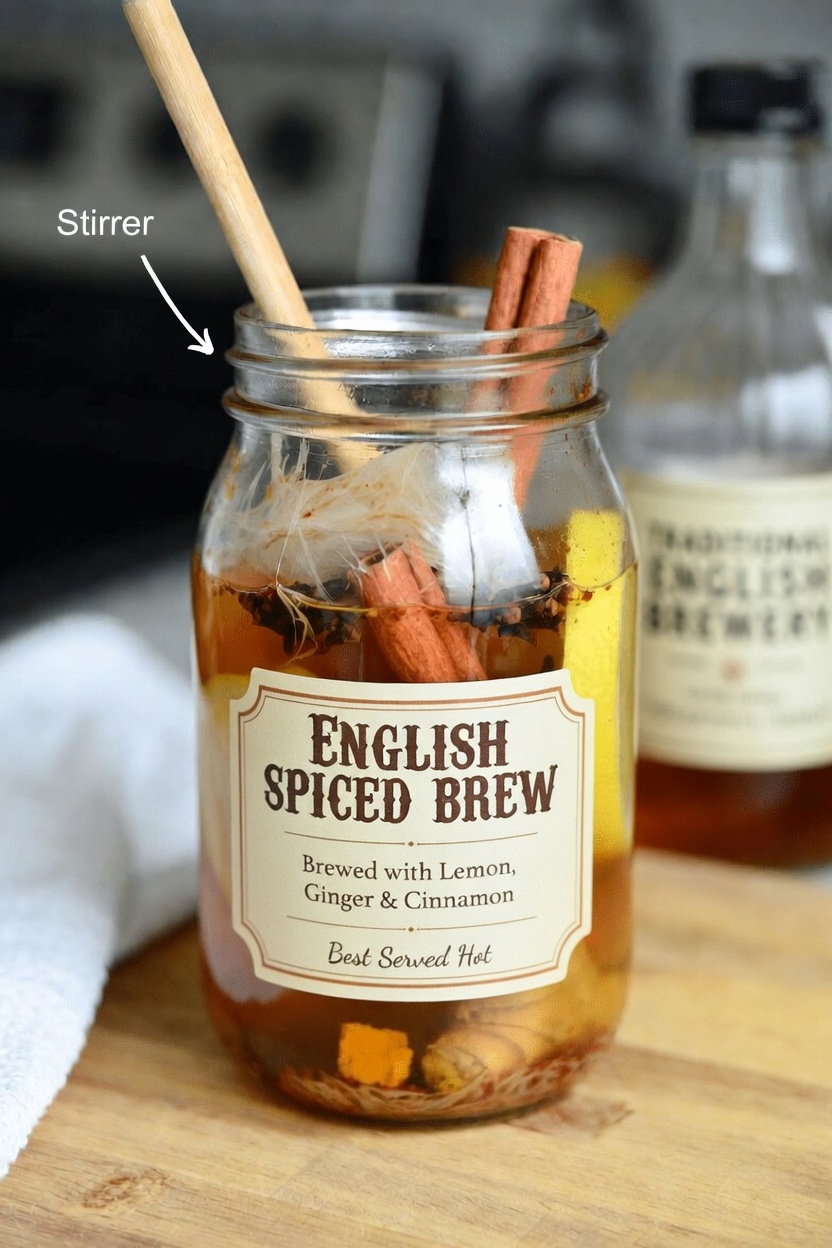
- Place all ingredients except the honey into a quart-sized glass jar (such as a mason jar).
- Pour in the apple cider vinegar until all solids are fully covered. This helps prevent spoilage.
-
Seal and Steep
- Close the lid tightly.
- Store the jar in a cool, dark place for 2–4 weeks.
- Shake the jar gently once a day to keep everything well distributed.
-
Strain and Sweeten
- After steeping, strain the mixture through cheesecloth or a fine mesh strainer into a clean bowl or jug.
- Stir in ¼ cup raw honey (more if you prefer sweeter) until completely dissolved.
-
Bottle and Store
- Transfer the finished tonic into smaller glass bottles or jars.
- Refrigerate to keep it fresh and ready for daily use.
The flavor deepens over time: the closer you get to the four-week mark, the more integrated and fiery the taste tends to be.
How to Use Your Fire Cider Tonic Every Day
Once your master tonic is ready, adding it to your routine is straightforward:
- Begin with 1–2 tablespoons (a small shot) once a day.
- If the spice level feels strong, dilute it in a little warm water.
- Many people take it in the morning or before meals for a quick, invigorating boost.
- The gentle warmth can feel especially pleasant during colder weather.
You’re not limited to shots, either. You can:
- Whisk a spoonful into salad dressings or vinaigrettes.
- Add it to marinades for vegetables or protein.
- Stir some into herbal tea with extra honey for a cozy, tangy drink.
For best quality, keep the tonic in the refrigerator and use it within up to 3 months. Always use a clean spoon or measuring cup to avoid contamination.
Easy Ways to Customize Your Master Tonic
One of the advantages of making fire cider at home is how adaptable it is. Try these tweaks to personalize the recipe while staying close to the original idea:
- Adjust the heat: If you’re sensitive to spice, start with less cayenne and work your way up over future batches.
- Fresh vs. dried: Fresh ginger and turmeric offer a livelier flavor, but dried powders are perfectly acceptable when fresh roots aren’t available.
- Add black pepper: A small pinch of black pepper is a common kitchen trick often paired with turmeric to support absorption of certain compounds.
- Serve it warm: In colder months, mix your shot into hot water with extra honey for a soothing, warming drink.
Small experiments with sweetness, strength, and spice will help you find the version that fits your taste and routine best.
What Research Says About These Common Ingredients
This master tonic isn’t a cure-all, and it shouldn’t replace medical advice or treatment. However, several components have been studied within the context of general nutrition and wellness:
- Ginger has been explored for its potential to ease occasional stomach discomfort and support digestive comfort.
- Turmeric (curcumin) appears in research related to antioxidant activity and the body’s natural inflammatory responses, mainly in lab and preliminary studies.
- Apple cider vinegar has been included in studies on dietary patterns and metabolic markers, with mixed and individual-specific results.
- Cayenne (capsaicin) is often noted for its warming sensation and its potential influence on how the body perceives heat and spice.
These findings come from broader scientific reviews on the ingredients, not on this specific fire cider recipe. It’s best viewed as a flavorful, traditional-style tonic that can complement an already balanced lifestyle.
Ready to Make Your Own Fire Cider?
With a few simple ingredients and some patience while it steeps, you can create your own all-in-one master tonic fire cider at home. The mix of tangy vinegar, bright citrus, warming spices, and natural honey sweetness turns each sip into a small, intentional ritual.
Start with one batch, see how the flavors evolve over a few weeks, and adjust future versions to match your preferences. Many people who try it once find themselves keeping a bottle in the fridge year-round.
Consider preparing a batch this week and notice how it fits into your daily rhythm.
Frequently Asked Questions
How long does the finished master tonic keep?
When stored in sealed glass containers in the refrigerator, the tonic typically stays fresh and flavorful for up to 3 months. Always check the smell, appearance, and taste before using, and discard if anything seems off.
Is the spice level too strong for beginners?
Not necessarily. If you’re new to spicy foods, start with a smaller amount of cayenne in the recipe and dilute your daily shot in warm water. You can gradually increase the cayenne in future batches as you get used to the heat.
Can I use powdered spices instead of fresh?
Yes. While fresh ginger and turmeric provide a brighter, more vibrant taste, powdered versions are convenient and still work well in the steeping process. Just be sure to use good-quality spices for the best flavor.
Disclaimer
This content is for informational and educational purposes only and is not intended as medical advice, diagnosis, or treatment. Always consult a qualified healthcare professional before adding any new food, drink, or supplement to your routine, especially if you have existing health conditions, are pregnant or nursing, or are taking medications. Individual experiences and results may vary.