Why a Small Spot on Your Foot Can Make Walking Miserable
Walking is supposed to feel natural. But when every step comes with a sharp, nagging pain, even a short trip to the store or a relaxed morning walk can become something you dread. What may look like a simple thick patch of skin on the bottom of your foot can lead to persistent discomfort that affects the way your shoes fit, how you walk, and even how you feel during the day.
Many people put up with this irritation for far too long because they assume it is just an ordinary callus. In reality, the problem can run deeper than basic friction. The good news is that once you recognize the usual signs and adopt a few gentle daily foot-care habits, it may become much easier to improve comfort over time. One easy soaking method, often ignored, could be the simple routine your feet have been missing.
What Plantar Warts Actually Are
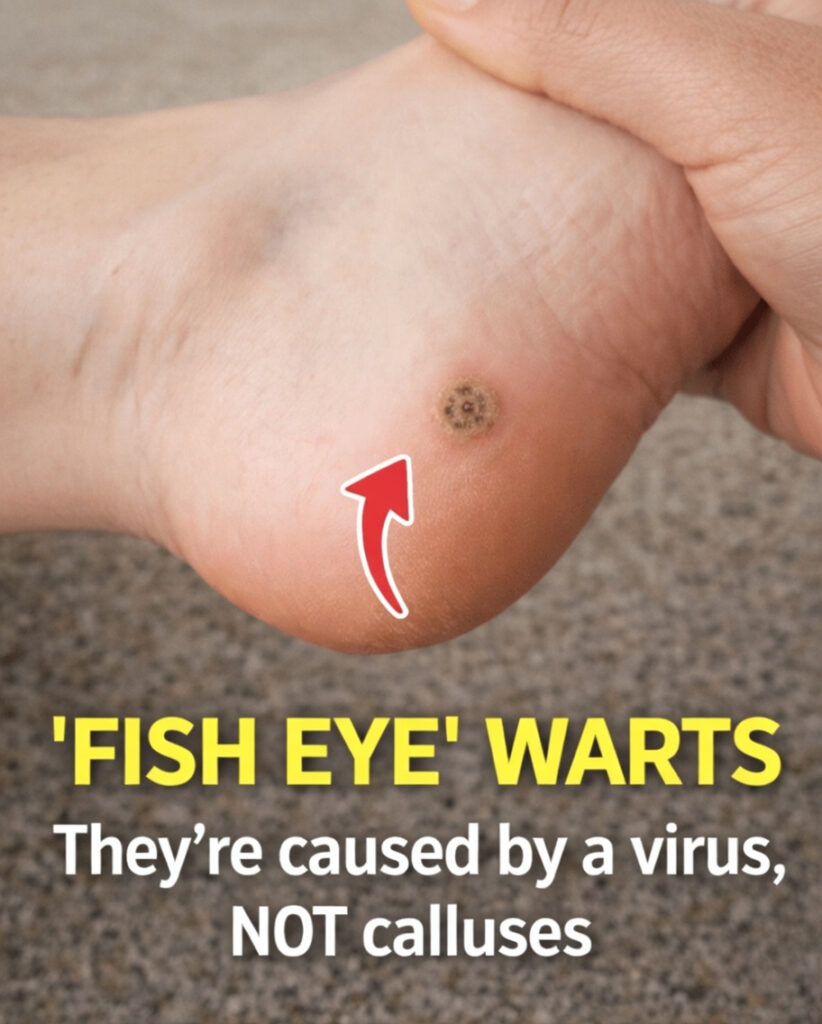
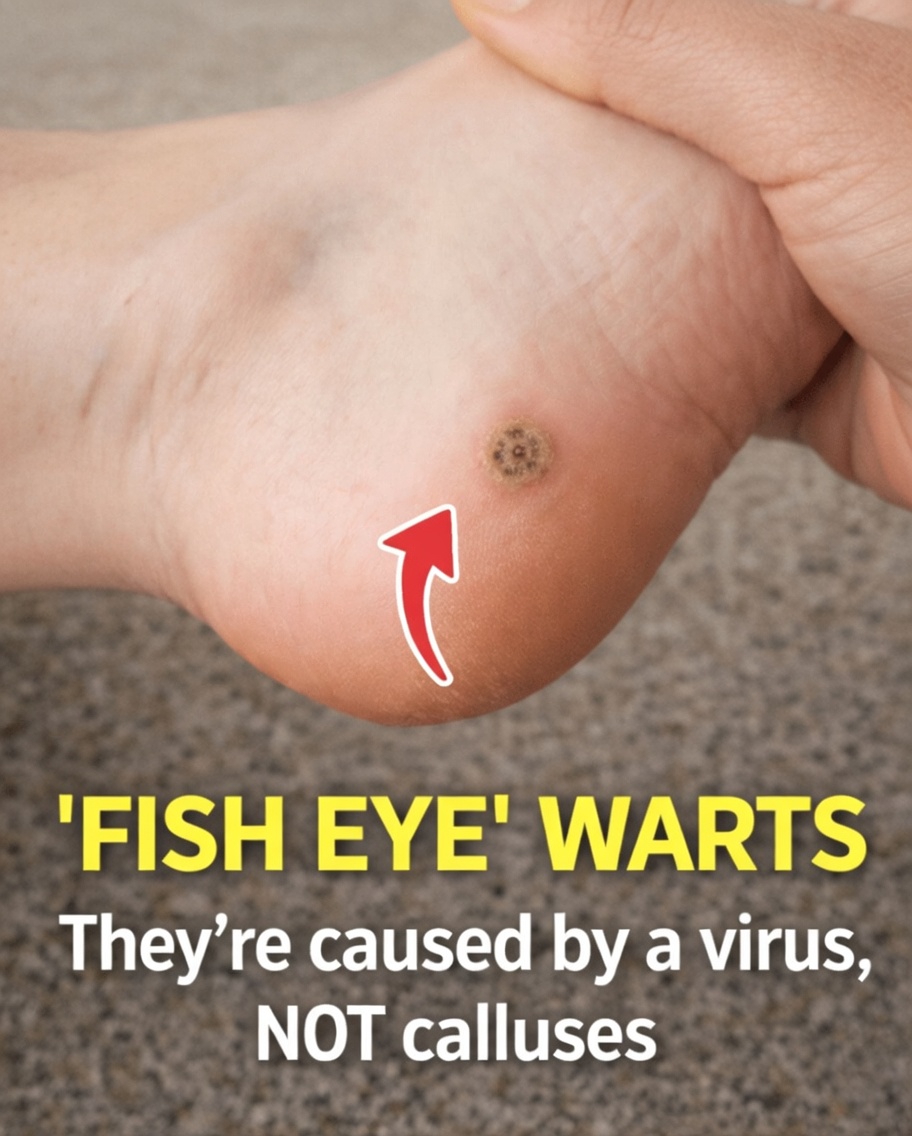
Plantar warts are common skin growths that form on the soles of the feet. They appear when certain types of human papillomavirus, known as HPV, enter the skin through tiny cuts, cracks, or weak spots.
According to the Mayo Clinic, the virus tends to thrive in warm, damp environments such as pool decks, locker rooms, and public showers. That is why these warts often show up after walking barefoot in shared spaces.
Unlike a regular callus, which develops from repeated rubbing or pressure, a plantar wart may grow inward because your body weight pushes it into the sole. This can create a thickened layer of skin on the surface while causing tenderness underneath. The American Academy of Dermatology notes that these growths often interrupt the normal lines of the skin on the foot, which can help distinguish them from other rough patches.
Plantar warts are extremely common, and understanding what they are can make them feel much less confusing or frustrating. Still, there is more to know if you want to tell them apart from everyday foot thickening.
Plantar Warts vs. Calluses: What Makes Them Different?
At first glance, a plantar wart can look very similar to a callus. However, the differences are important when deciding how to care for your feet.
Quick Comparison
-
Main cause
- Callus: Repeated friction or pressure
- Plantar wart: HPV infection
-
Skin lines
- Callus: Normal skin lines usually continue through the area
- Plantar wart: Skin lines are often broken or disrupted
-
Center appearance
- Callus: Smooth or evenly thickened
- Plantar wart: May contain tiny black dots
-
Pain pattern
- Callus: Usually dull pressure or little discomfort
- Plantar wart: Can feel sharp, like stepping on a pebble
-
Ability to spread
- Callus: Does not spread
- Plantar wart: Can spread through contact
These differences, supported by dermatology resources such as WebMD, explain why some foot spots feel much more sensitive than others. Those little black specks that people sometimes call “roots” are actually small clotted blood vessels, not true roots. Knowing this can help you focus on practical foot support instead of guessing what is happening.
Common Signs to Look for on the Bottom of the Foot
Catching the signs early can make a big difference. A plantar wart often has several recognizable features.
Watch for these clues:
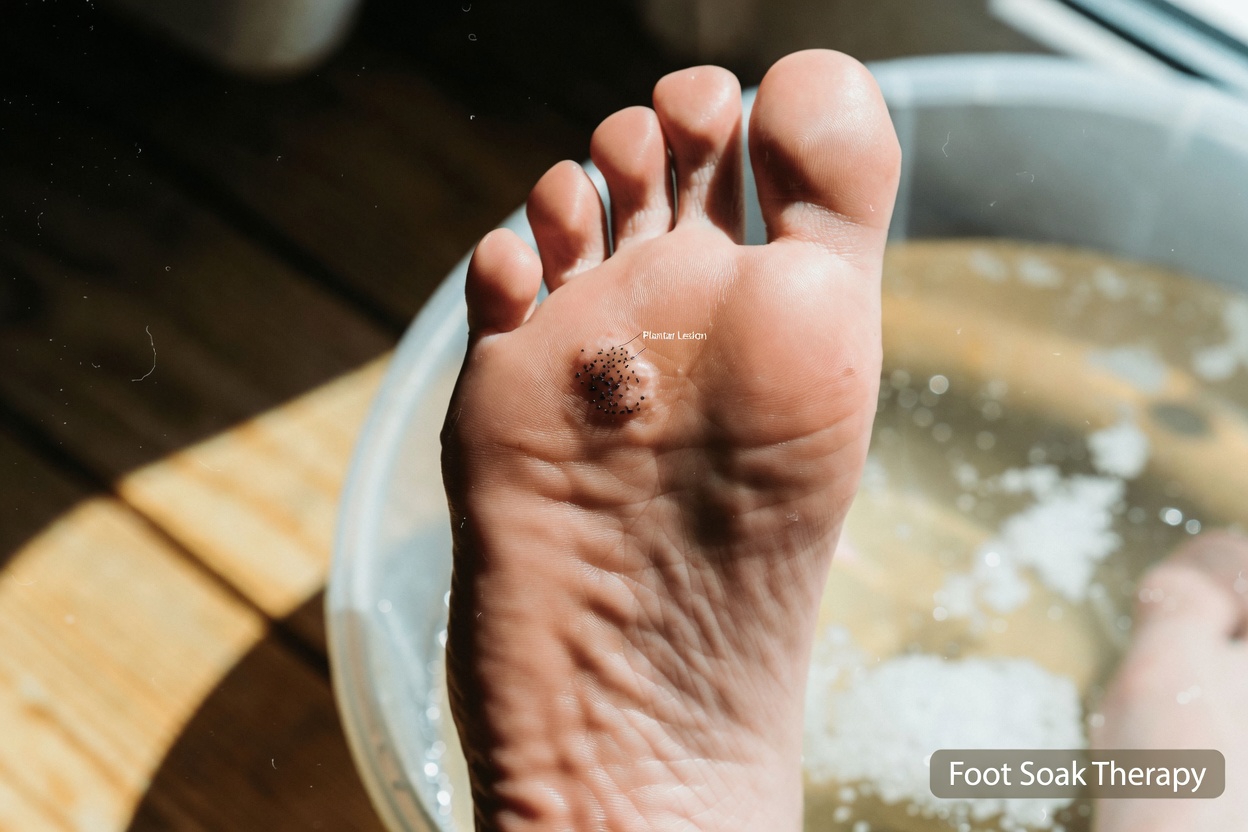
- A small round or oval patch of thick, rough skin on the heel or ball of the foot
- Tiny black pinpoints in the middle that may resemble seeds
- Pain when walking or standing that feels like stepping on a small rock
- A rough or grainy surface, sometimes similar to a cauliflower texture
- A break in the usual skin lines on the sole
The Mayo Clinic and similar medical sources note that these signs often appear after exposure to wet public surfaces. Another clue many people notice is that the spot may hurt more when squeezed from the sides than when pressed directly from above.
That detail matters because the pain usually comes from pressure forcing the growth inward, not just from the thick skin on top.
Daily Habits That Can Help Your Feet Feel Better
Simple routines can go a long way. For many people, staying consistent with basic foot-care habits helps reduce irritation and supports better comfort over time.
Helpful everyday practices include:
- Wear flip-flops or sandals in public showers, around pools, and in gym locker rooms
- Dry your feet carefully after bathing or swimming, especially between the toes
- Choose breathable socks and switch them out if they become damp
- Wear shoes with proper cushioning and a comfortable fit to reduce pressure on the sole
- Check your feet regularly for any changes in texture or new sensitive areas
The Mayo Clinic emphasizes that keeping feet clean and dry is one of the smartest preventive steps. But there is also a gentle at-home routine that can support softer skin and better comfort.
A Simple Foot Soak You Can Try Tonight
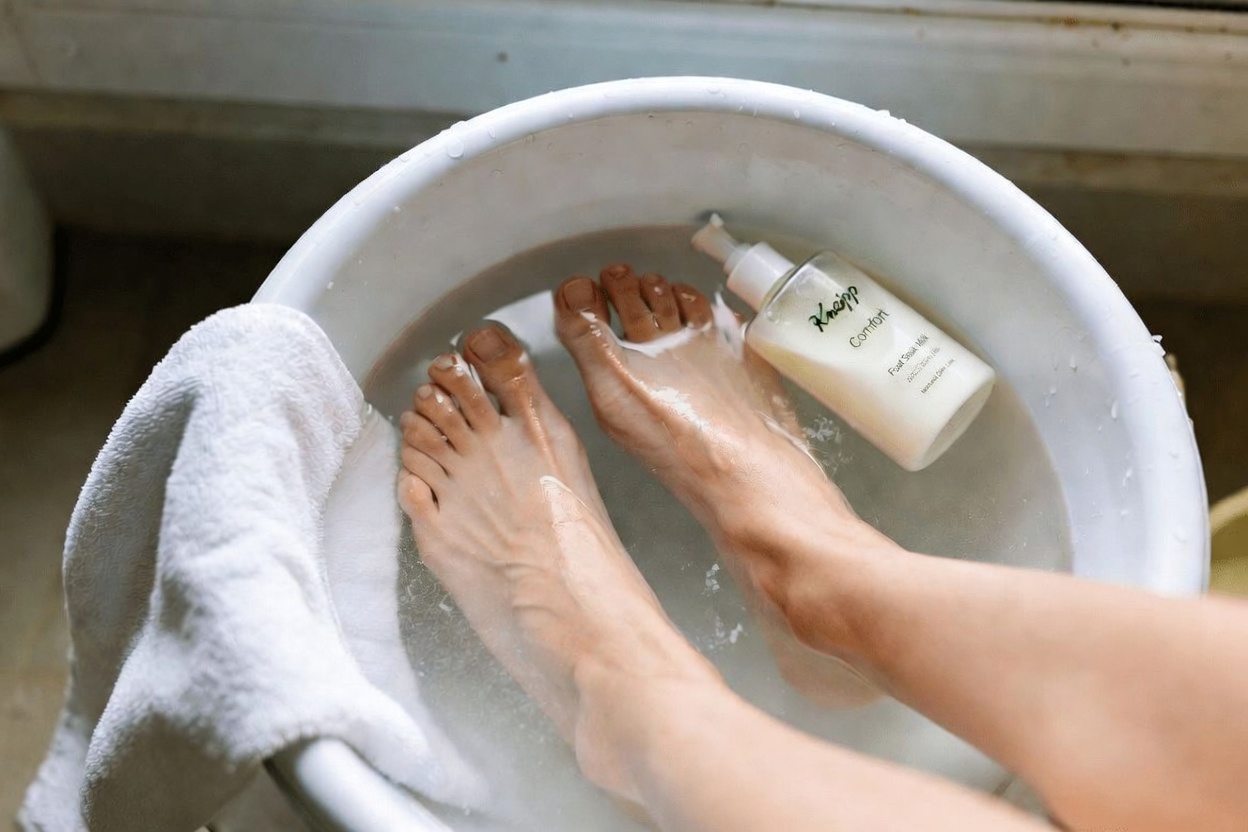
One of the easiest ways to care for sore, thickened skin on the foot is with a warm soak. This relaxing habit can fit into an evening routine and may help prepare the area for moisturizing afterward.
How to do it:
- Fill a clean basin with warm water that feels comfortable, not hot.
- Add a handful of Epsom salt or regular table salt if desired.
- Soak both feet for about 10 to 15 minutes.
- Pat them dry thoroughly with a clean towel instead of rubbing.
- Apply a thick, fragrance-free moisturizer to the surrounding skin.
Try this a few times each week and pay attention to how your feet feel. Regular softening routines may make daily pressure less noticeable over time.
Here is the often-overlooked tip mentioned earlier: after soaking, some people gently place medical tape over the area overnight to help retain moisture. It is a simple, low-cost step that can easily be added to the same routine.
More Ways to Reduce Pressure on Sensitive Spots
In addition to soaking, your footwear choices matter a lot. Shoes with good support and cushioned insoles can help reduce stress on painful areas of the sole. Athletic shoes with even support are often a good option.
It also helps to rotate your shoes so each pair has time to dry fully between uses. This may limit the damp conditions that HPV tends to prefer.
If you are on your feet for long periods, take brief breaks when possible. Elevating your feet for a short time may help refresh circulation and reduce overall soreness.
When to Speak with a Foot or Skin Specialist
Many people can manage plantar warts with simple home habits and daily care. However, if the area becomes more painful, starts interfering with normal activities, or changes in size or color, it is wise to consult a dermatologist or podiatrist.
A professional can examine the spot more closely and recommend treatment options based on your situation. Because every person’s feet and skin are different, expert advice can help you move forward safely and confidently.
Final Thoughts: Small Changes Can Make Walking Easier
Recognizing plantar warts early and sticking to a few easy habits, such as soaking, drying your feet well, and choosing supportive shoes, can make a real difference in daily comfort. These steps are simple, practical, and easy to fit into almost any lifestyle.
Start with one or two changes today, perhaps the warm foot soak, and build from there. Your feet carry you through every day, and giving them gentle, consistent care is one of the best things you can do.
FAQ
How do plantar warts spread to other people or other parts of the body?
The virus can spread through direct skin contact or from shared damp surfaces like floors, towels, or locker room areas. Wearing protective footwear in public wet spaces can help reduce the risk.
How long do plantar warts usually last with regular home care?
The timeline varies from person to person. Some people notice gradual softening and less discomfort after a few weeks of consistent care, while others may see improvement over several months.
How can I tell the difference between a plantar wart and a callus?
Plantar warts often have tiny black dots, break the natural skin lines, and may cause sharper pain when squeezed. A callus is usually more evenly thickened and is caused by pressure rather than a virus.
Disclaimer
This article is intended for informational and educational purposes only. It is not medical advice and should not replace guidance from a qualified healthcare professional. Always talk with your doctor, dermatologist, or podiatrist before starting a new foot-care routine or if you have any concerns about your health. Individual results may vary.