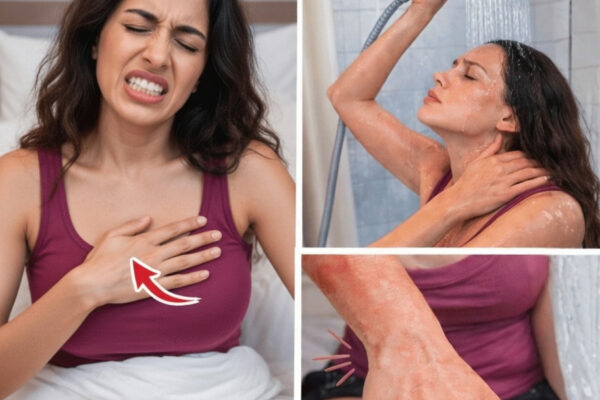
Stretch Marks in Women: Causes, Prevention Tips, and Simple Ways to Improve Skin Appearance
Many women are surprised to see new lines appear on the skin during pregnancy, sudden weight changes, or periods of fast growth. These marks often show up on the stomach, thighs, hips, breasts, or upper arms. Although they are medically harmless, they can still change how you feel about your body and affect your confidence.
The good news is that daily habits and gentle skincare routines may help support skin elasticity and gradually reduce how visible these marks appear. In this article, you’ll learn why stretch marks form and what practical steps can help you care for your skin more effectively.
What Are Stretch Marks?
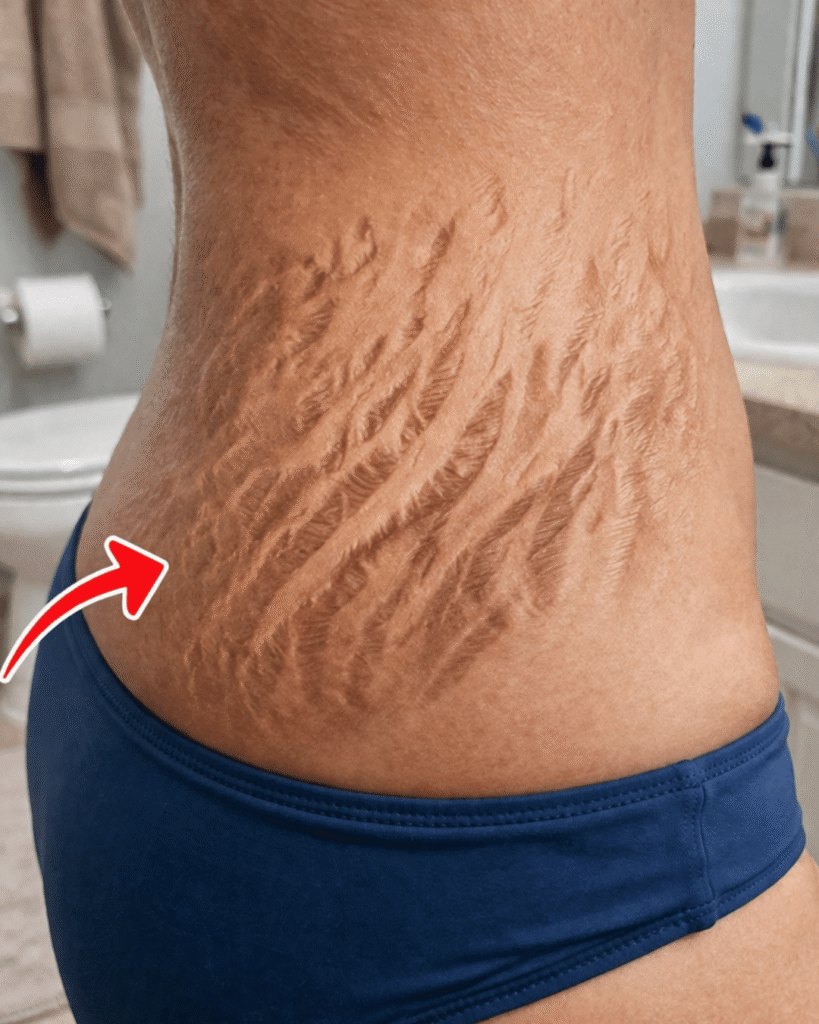
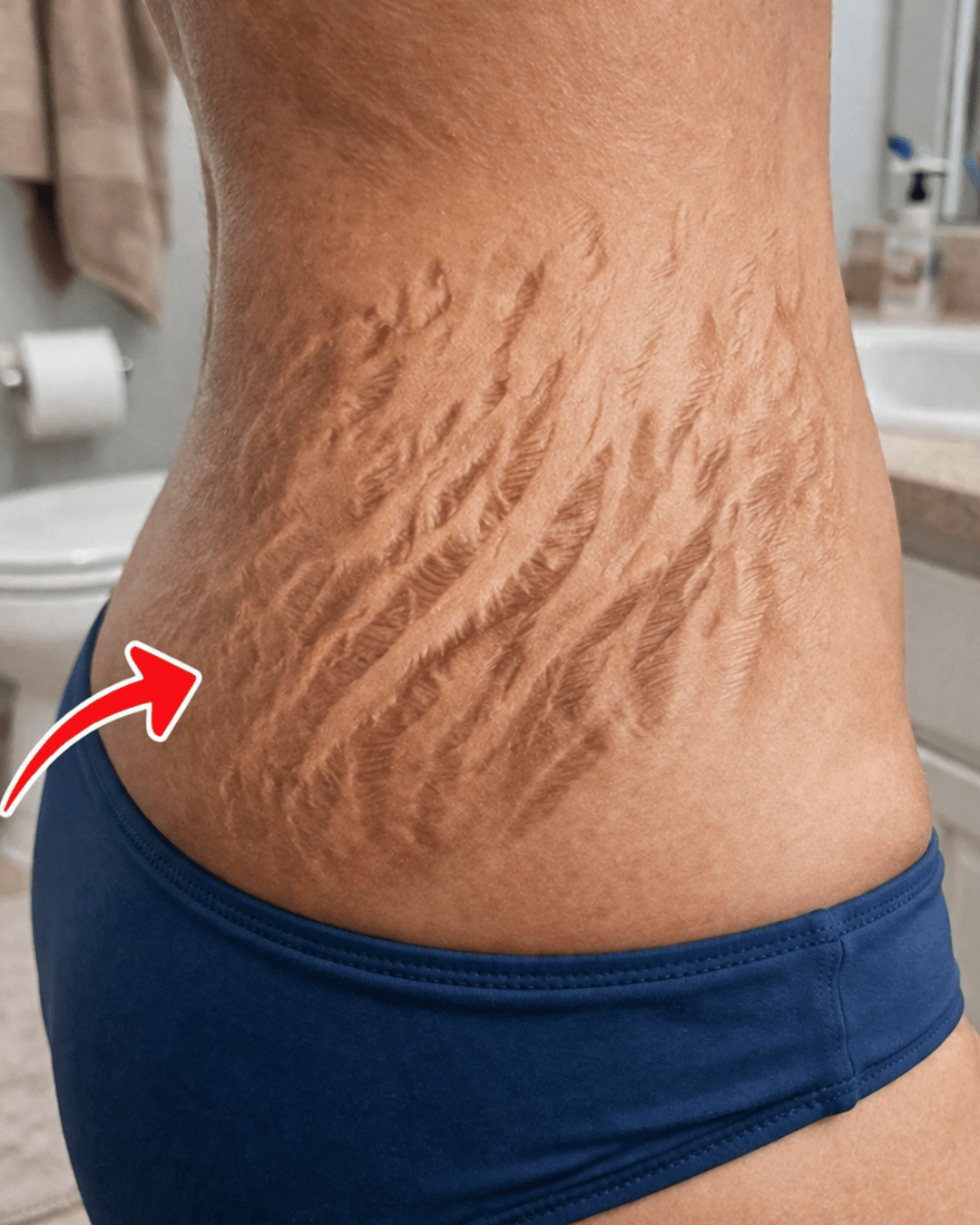
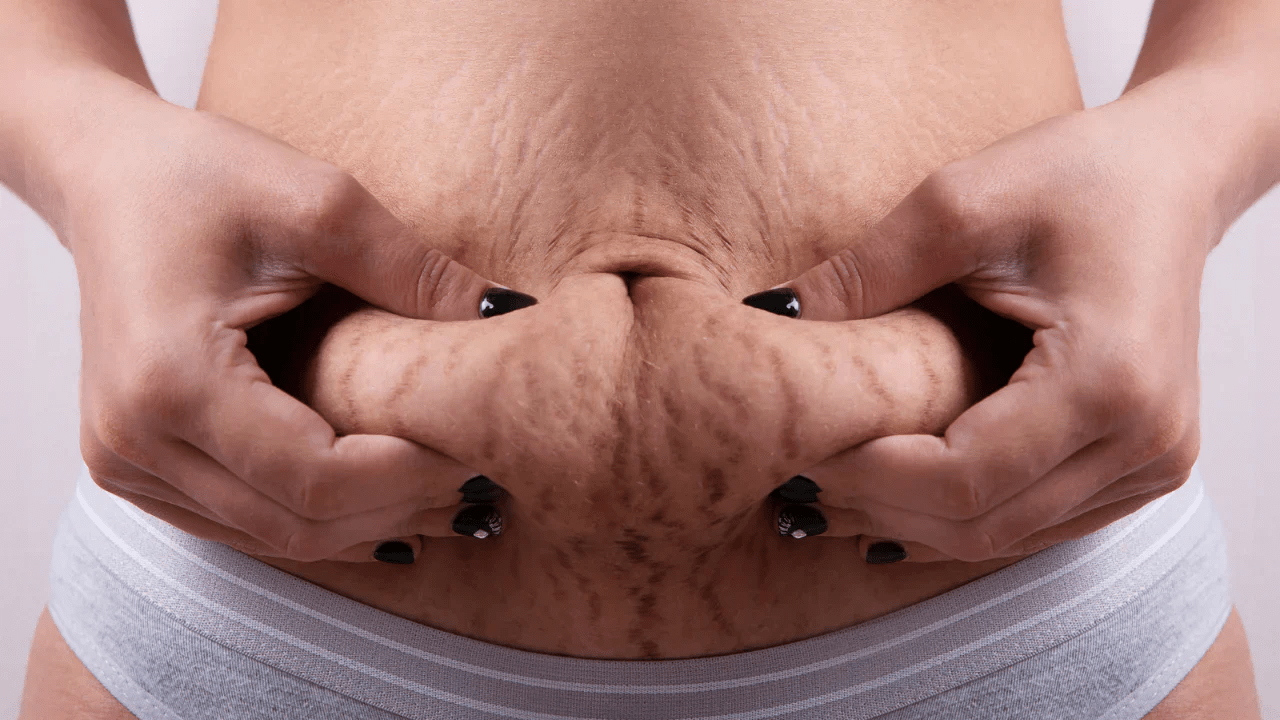
Stretch marks, also called striae, develop when the skin expands or contracts more quickly than its deeper layers can adjust. The collagen and elastin fibers responsible for strength and flexibility may become damaged during rapid physical changes. As a result, visible streaks can form on the skin.
In the early stage, stretch marks may look:
- Red
- Pink
- Purple
Over time, they often fade and become:
- Pale
- Silver-toned
- White
These marks are extremely common and usually do not signal any medical problem. They are simply a natural response to stretching skin. Still, even normal body changes can feel upsetting when they alter your appearance.
Why Stretch Marks Happen
Understanding the causes of stretch marks can make them feel less alarming. In most cases, they appear when the body changes quickly and the skin cannot adapt fast enough.
Common causes include:
- Pregnancy: The belly and breasts expand rapidly, especially during the later months.
- Fast weight gain or weight loss: Sudden shifts in body size place stress on the skin.
- Puberty and growth spurts: Teenagers often develop stretch marks on the hips, thighs, or breasts during periods of rapid growth.
- Hormonal changes: Hormones can influence skin elasticity and resilience.
- Rapid muscle gain: People who build muscle quickly may notice marks on the shoulders, arms, or thighs.
- Genetics: Family history plays an important role in how likely someone is to develop stretch marks.
Usually, there is not just one cause. Stretch marks often result from a combination of genetics, hormonal influences, and the speed of body changes.
Can You Prevent Stretch Marks?
There is no guaranteed way to avoid stretch marks completely. However, healthy skin is often better able to handle stretching. Keeping the skin hydrated, nourished, and supported may improve elasticity and lower the risk of severe marking.
Practical habits that may help
- Drink enough water to support hydration from within.
- Moisturize daily, especially in areas that commonly stretch.
- Eat nutrient-rich foods that support collagen, including foods with vitamins C and E, zinc, and healthy fats.
- Avoid extreme weight fluctuations when possible.
- Stay physically active with gentle movement that promotes circulation.
Small, consistent actions usually matter more than relying on a single product that promises dramatic results.
How to Care for Skin and Reduce the Appearance of Stretch Marks
If stretch marks are already visible, you are far from alone. They affect millions of women and men. While they cannot always be removed completely, good skincare and healthy habits can help improve skin texture and tone over time.

Daily Skincare Habits That Support Smoother-Looking Skin
A simple home routine can make a noticeable difference when followed consistently.
1. Cleanse gently and moisturize right away
Use mild, fragrance-free cleansers that do not strip the skin. After bathing, apply moisturizer while the skin is still slightly damp. This helps lock in moisture and supports the skin barrier.
2. Massage with natural oils
Natural oils can leave the skin feeling softer and more comfortable. Common choices include:
- Almond oil
- Coconut oil
- Jojoba oil
Warm a small amount in your hands and massage the skin in circular motions for about 5 to 10 minutes each day. This may help stimulate circulation and improve softness.
3. Choose products with beneficial ingredients
Look for moisturizers or treatments that contain ingredients such as:
- Hyaluronic acid
- Cocoa butter
- Shea butter
- Vitamin E
These ingredients help maintain moisture and may gradually improve the skin’s overall look and feel.
Many women report that their skin appears smoother and feels more supple after several weeks of regular care.
Lifestyle Habits That Also Matter
Skincare products are only part of the picture. Everyday lifestyle choices can also influence how the skin responds to stretching.
Helpful habits include:
- Eat a balanced diet: Include fruits, vegetables, nuts, seeds, and oily fish to provide nutrients needed for skin repair.
- Stay well hydrated: Many people benefit from drinking 8 to 10 glasses of water daily, or more during pregnancy or high activity.
- Protect skin from the sun: UV exposure can make stretch marks stand out more by affecting pigmentation. Use sunscreen on exposed areas.
- Wear comfortable clothing: Tight fabrics that constantly rub against sensitive skin may increase irritation.
Quick Guide to Daily Practices
Simple habits and why they help
-
Drinking water
- Helps keep skin fuller and more elastic
- Start by carrying a reusable water bottle every day
-
Moisturizing consistently
- Supports the skin barrier and prevents dryness
- Apply moisturizer after each shower
-
Gentle massage
- Encourages circulation and softness
- Spend 5 minutes massaging the area during your evening routine
-
Eating nutrient-dense foods
- Provides building blocks for collagen and skin repair
- Add berries, nuts, or healthy fats to breakfast
Professional Treatments: When to Think About Them
Some women decide to seek help from a dermatologist or licensed skincare specialist. Professional options may include:
- Certain topical prescription treatments
- Light or laser-based therapies
- Microneedling
Results vary depending on skin type, age of the stretch marks, and individual healing response. These methods usually aim to improve appearance rather than erase stretch marks fully. Multiple sessions are often needed, and patience is important.
A qualified professional can explain what may be realistic for your skin and whether treatment is appropriate for your stage of life.
Confidence Beyond Perfect Skin
One of the most valuable changes can come from mindset. Stretch marks often reflect important life experiences, whether that means carrying a baby, growing through adolescence, gaining strength, or moving through physical change.
Instead of focusing only on removing every line, it may help to appreciate what your body has done. Many women feel more at peace when they shift attention from perfection to strength, health, and self-acceptance.
Your skin does not have to be flawless to be worthy of care.
Final Thoughts
Caring for your skin during pregnancy, growth, or major body changes starts with simple and steady habits. Drinking enough water, moisturizing often, eating nourishing foods, protecting the skin from the sun, and being patient with yourself can all help your skin look and feel healthier.
Stretch marks are a normal part of life for many women. Even so, the routines you start today can positively influence how your skin adapts over time.
Frequently Asked Questions
When do stretch marks start fading naturally?
Many stretch marks become lighter over several months or even years as the skin continues to repair itself. Newer pink, red, or purple marks often fade more noticeably than older white or silver ones.
Are costly stretch mark creams better than basic moisturizers?
Not always. Consistency matters more than price in many cases. A basic moisturizer used daily may be just as helpful as a more expensive product, especially if it contains ingredients that suit your skin type.
Can men develop stretch marks too?
Yes. Men can also get stretch marks, particularly during fast muscle growth, sudden weight changes, or adolescent growth spurts. Common areas include the back, shoulders, arms, and thighs.
Disclaimer
This article is intended for informational purposes only and should not be considered medical advice. Results vary from person to person. For personalized recommendations about stretch marks or other skin concerns, consult a qualified healthcare provider or dermatologist.