Baking Soda for Skin: Benefits, Risks, and Smarter Ways to Use It
Many people deal with oily shine, rough texture, and the occasional breakout that leaves their skin looking and feeling less than fresh. When expensive creams and serums don’t deliver consistent relief, it’s easy to look for simple, low-cost answers at home. One common suggestion is baking soda for skin care.
However, the real “secret” isn’t just whether you use baking soda on your face, but how you use it so you don’t disrupt your skin’s natural balance. Understanding that difference is crucial before you decide if it belongs in your routine.
What Is Baking Soda and How Does It Interact with Skin?
Baking soda (sodium bicarbonate) is a fine white powder best known for its role in baking and household cleaning. Chemically, it is mildly alkaline, with a pH around 9.
Your facial skin, on the other hand, prefers a slightly acidic environment. The skin’s natural pH typically ranges from 4.5 to 5.5, forming what’s known as the acid mantle. This invisible barrier:
- Helps retain moisture
- Supports healthy skin flora
- Keeps harmful bacteria in check
When you apply an alkaline ingredient like baking soda on your face, you temporarily push that pH higher. That shift is exactly why the science matters: it can influence how well your skin barrier works, even if the change seems short-term.
Still, many people wonder whether this pH shift and mild scrubbing effect might help with surface concerns like oiliness or dullness. That curiosity has made baking soda a recurring topic in DIY skincare discussions.
Why People Are Drawn to Baking Soda Skincare
The appeal of using baking soda on the face usually comes down to three things: cost, convenience, and quick results. Here are the main reasons it remains a popular home remedy:
-
Gentle manual exfoliation
The small particles can physically buff away dead skin cells and surface debris, leaving skin feeling smoother right after use. -
Temporary oil control
Baking soda can absorb excess sebum, which may help reduce a shiny appearance and give pores a less congested look for a short time. -
Low price and easy access
It’s extremely inexpensive and already available in most kitchens, making it an attractive option for budget-friendly skincare.
Some research on mechanical exfoliation and alkaline substances suggests that light surface polishing can make the skin look refreshed for a while. When baking soda is combined with softer, hydrating ingredients, some people say they notice a faster feeling of smoothness without buying specialized products.
Risks of Baking Soda on Skin and Why Experts Are Careful
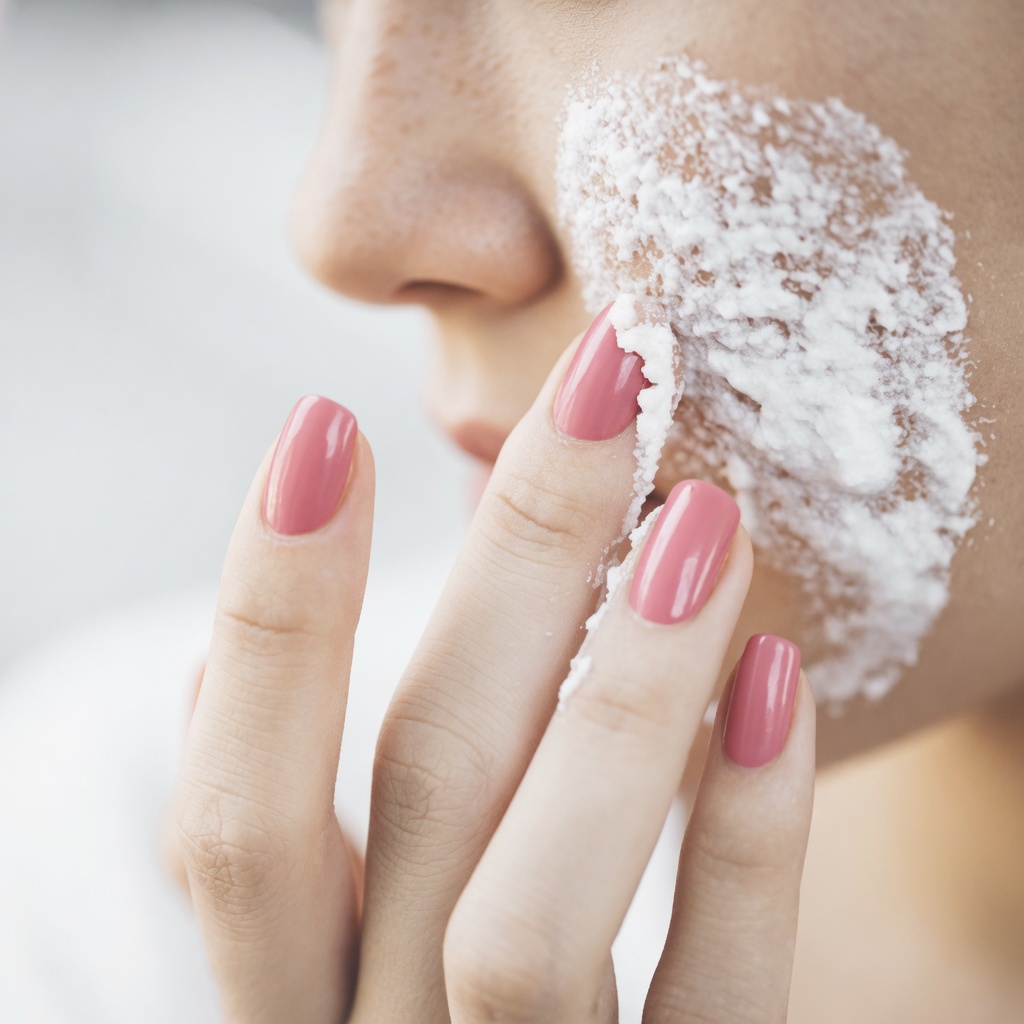
For all its popularity, baking soda has significant drawbacks that dermatologists want people to understand. The biggest concern is how strongly it can affect the skin barrier and pH balance.
Key risks to consider:
-
Stripping natural oils
Because it’s alkaline, baking soda can remove too much of your skin’s protective oils and push the pH too high, leading to dryness, tightness, or a “squeaky clean” feel that actually signals barrier stress. -
Irritation for sensitive or dry skin
Those with sensitive, dry, or compromised skin often experience burning, stinging, redness, or increased sensitivity after using baking soda, even briefly. -
Limited evidence for long-term benefits
Any brightening or smoothing effect tends to be temporary. There is little scientific support that baking soda improves skin health over time.
The issue most people overlook is overuse. Repeated disruption of your skin’s pH and barrier can:
- Make it harder for your skin to repair itself
- Increase sensitivity to other products
- Potentially worsen dryness or breakouts in the long run
That’s why many dermatologists suggest treating baking soda, at most, as an occasional experiment—not a daily cleanser or regular exfoliant.
How to Use Baking Soda on Skin More Safely (Step-by-Step)
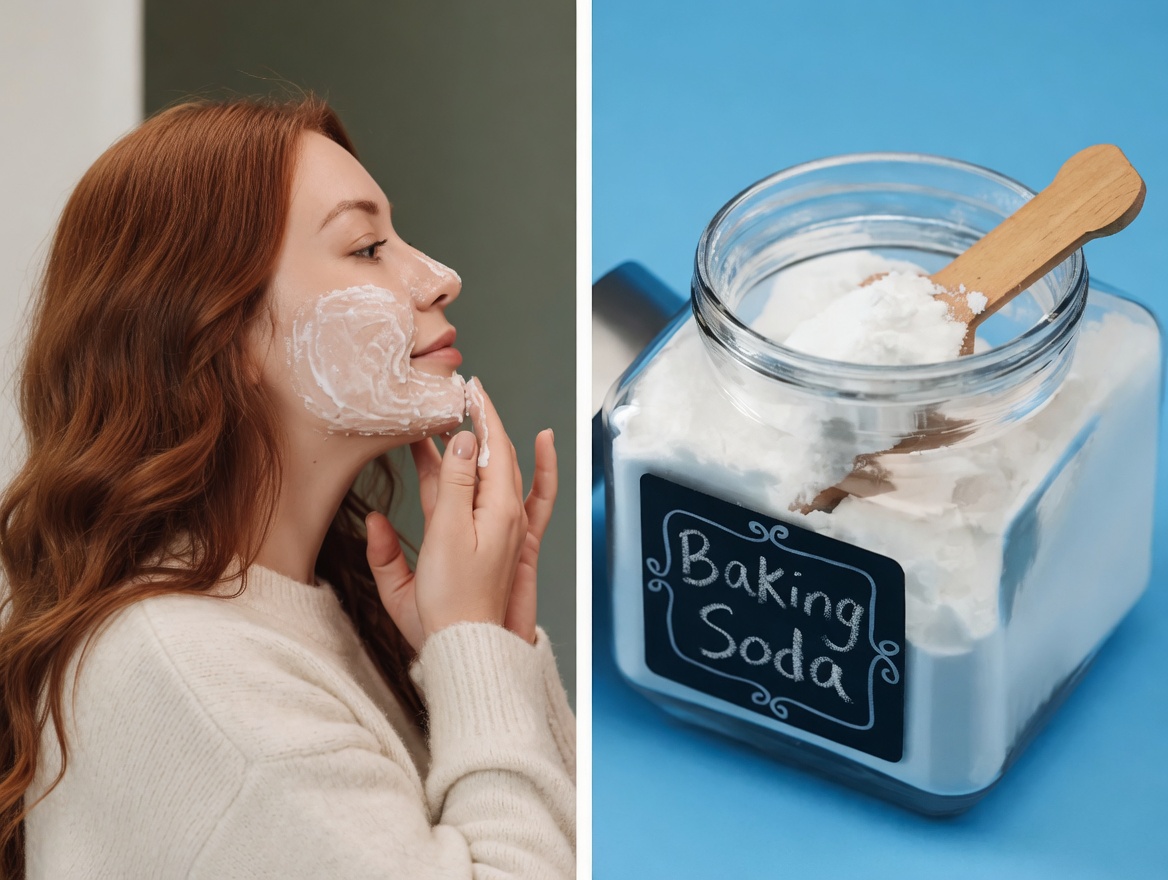
If you’re still curious about trying baking soda on your face, a cautious and structured approach is essential. Here’s a safer framework to follow:
-
Start with a patch test
- Mix 1 part baking soda with 3 parts water to create a thin paste.
- Apply a small amount behind your ear or on the inner forearm.
- Leave it on briefly, rinse, and wait 24 hours.
- If you notice no itching, burning, or rash, you can consider testing it on the face.
-
Use it rarely
- Limit usage to once every 1–2 weeks at most.
- Avoid using it daily or even several times a week to reduce the risk of barrier damage.
-
Combine with soothing ingredients
- Instead of plain water, mix baking soda with calming options such as:
- Aloe vera gel
- Honey
- Rose water
- This can give the mixture a softer feel and may reduce some harshness.
- Instead of plain water, mix baking soda with calming options such as:
-
Apply gently and briefly
- Massage onto damp skin using very light, circular motions.
- Keep contact time to no more than 30 seconds.
- Avoid sensitive areas like around the eyes.
-
Rinse and rehydrate immediately
- Rinse thoroughly with lukewarm (not hot) water.
- Follow right away with a comforting moisturizer to help restore hydration.
- Adding a drop or two of facial oil afterward can further seal in moisture if your skin tolerates it.
Pay attention throughout the process. If your skin feels hot, itchy, or overly tight at any point, rinse off immediately and stop using it.
Baking Soda vs. Gentle Commercial Exfoliants
To decide if baking soda belongs in your routine, it helps to compare it with products specifically formulated for facial use, such as enzyme exfoliants or mild acid-based toners.
Quick Comparison
| Aspect | Baking Soda on Skin | Gentle Commercial Exfoliants |
|---|---|---|
| pH Effect | Raises skin pH significantly | Usually formulated to respect skin’s natural pH |
| Recommended Frequency | Max once every 1–2 weeks | Often safe for daily or 2–3 times per week (as directed) |
| Cost | Very low | Moderate to higher |
| Risk for Sensitive Skin | Higher risk of irritation and dryness | Lower risk when well-formulated |
| Evidence for Benefits | Largely anecdotal | More clinical studies and testing |
This side-by-side view explains why many people ultimately prefer pH-balanced exfoliants for regular care. Baking soda might still be considered an occasional, budget-friendly option, but it’s rarely the best long-term strategy.
Signs Your Skin Does Not Tolerate Baking Soda
Monitoring your skin’s reaction is crucial. After using baking soda on your face, watch for:
- Tightness or dryness that lingers for hours
- Redness that doesn’t fade within about an hour
- Burning or stinging sensations
- New bumps, rough patches, or increased sensitivity
These signs generally mean your skin barrier is stressed and needs a break. At that point, focus on:
- Hydrating products (like hyaluronic acid serums and gentle moisturizers)
- Soothing ingredients (such as aloe, centella asiatica, colloidal oatmeal)
- Avoiding strong actives and scrubs until your skin feels calm again
Everyone’s skin behaves differently. What feels refreshing for an oily complexion can feel too harsh for dry or combination skin, so personal observation is key.
Gentler Alternatives for Daily Exfoliation and Oil Control
If baking soda doesn’t seem like the right fit—or you’d rather avoid the pH disruption altogether—there are many milder ways to tackle texture and oiliness.
Consider switching to:
-
Enzyme-based masks
Fruit enzymes (like papaya or pineapple) help dissolve dead skin cells without rough scrubbing. -
Gentle lactic acid or mandelic acid serums
These mild alpha hydroxy acids exfoliate chemically and can improve texture with less irritation when used correctly. -
Clay masks formulated for the face
Kaolin or bentonite clay blends can absorb oil and impurities while being balanced for skin.
You can also try easy DIY-style swaps that tend to be more skin-friendly:
- Honey with a tiny pinch of cinnamon for a light antibacterial feel (avoid if you’re sensitive to cinnamon)
- Finely ground oatmeal mixed with water or yogurt for ultra-soft exfoliation
- Green tea–infused clay masks for calming oil control and antioxidant benefits
These options can deliver similar surface results—smoother feel and less shine—without putting your skin barrier under as much stress.
Final Thoughts: Should You Use Baking Soda on Your Face?
Baking soda can provide mild exfoliation and short-term oil absorption when used sparingly, diluted properly, and handled with care. Its main advantages are simplicity, availability, and very low cost.
However, its alkaline nature makes it easy to overdo, and frequent use can:
- Disrupt your skin’s natural pH
- Dry out your skin
- Increase sensitivity and irritation over time
For consistent, long-term skin health, most people do better with pH-balanced products specifically designed for facial use. Baking soda, if used at all, is best viewed as an occasional experiment rather than a core step in your skincare routine.
Ultimately, the right choice depends on how your skin responds. If you’re unsure, consulting a dermatologist or skincare professional can help you find safer, evidence-based options tailored to your skin type and concerns.
FAQ – Common Questions About Baking Soda for Skin
Is baking soda safe for daily facial cleansing?
No. Most dermatology professionals advise against using baking soda as a daily face wash. Regular use can disrupt your skin’s natural pH, strip protective oils, and increase dryness and irritation. If you decide to use it at all, keep it to no more than once every couple of weeks.
Can I mix baking soda with my usual face cleanser?
It’s not recommended. Adding baking soda to a commercial cleanser can alter the product’s carefully balanced pH and reduce its gentleness. If you want to test baking soda, use it as a separate, short-contact mask rather than mixing it into your everyday products.
What should I do if my skin feels irritated after using baking soda?
- Stop using baking soda immediately.
- Rinse your face thoroughly with cool or lukewarm water.
- Apply a soothing, fragrance-free moisturizer or aloe vera gel.
- Avoid harsh actives (like strong acids or retinoids) until your skin calms down.
- If redness, burning, or discomfort lasts more than 24 hours, contact a dermatologist for personalized guidance.
This information is for educational purposes only and does not replace professional medical advice. Always consult a qualified dermatologist or healthcare provider before trying new skincare ingredients—especially if you have sensitive skin, existing skin conditions, or are using prescription treatments.