Overnight Papaya Leaf Hair Treatments for Stronger, Shinier Hair
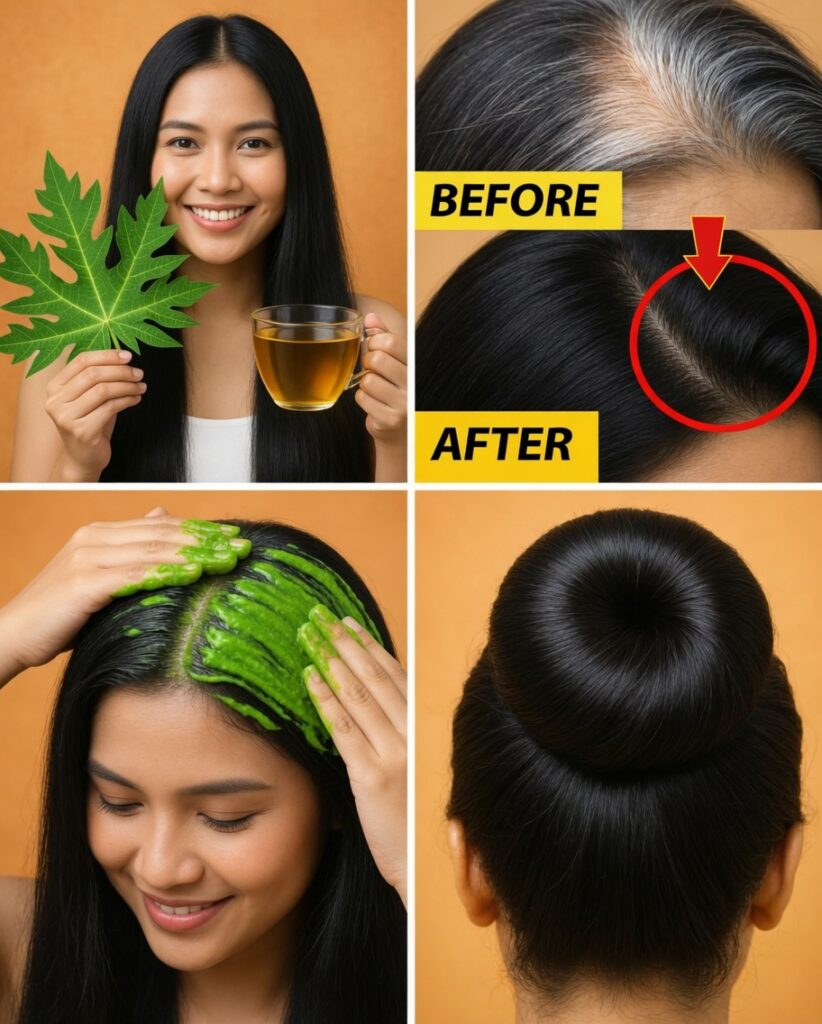
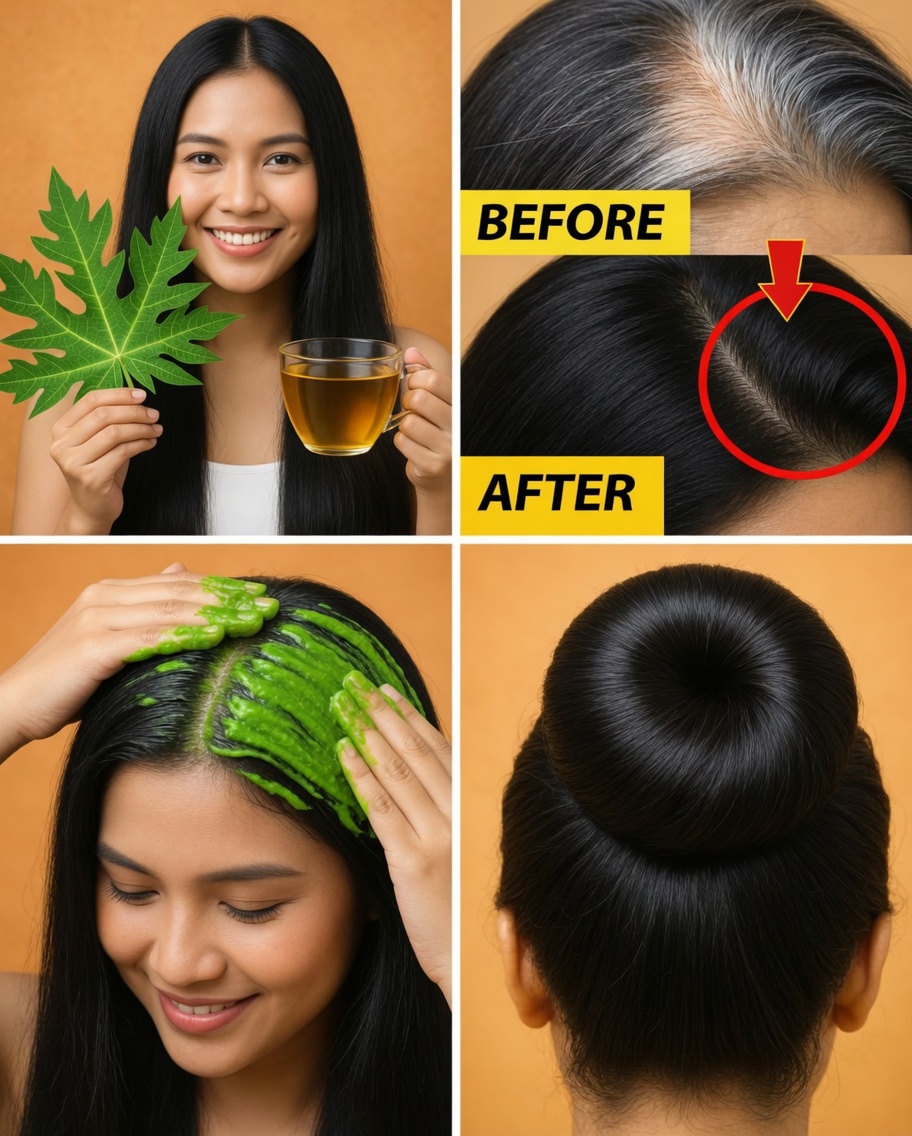
As the years go by, many people begin to notice changes in their hair: natural color fades, strands feel weaker, and length can be harder to maintain. Seeing this in the mirror every day can affect confidence. Instead of relying only on commercial products, more and more people are turning to simple, plant-based hair care — and papaya leaves are becoming a favorite.
The best part? You can prepare papaya leaf hair treatments the night before using ingredients you may already have at home. Below is a clear, step-by-step guide to creating and using these natural remedies.
Key Nutrients in Papaya Leaves for Hair Health
Papaya leaves are rich in:
- Vitamins A, C, and E
- Natural antioxidants
- Enzymes such as papain
- Minerals like iron and calcium
These elements can help:
- Protect the scalp from everyday oxidative stress
- Support a cleaner, balanced scalp surface
- Nourish hair follicles in line with many traditional practices
Papain, a natural enzyme in papaya leaves, gently cleanses the scalp without stripping all its natural oils. This is one reason papaya leaf is often used in DIY hair and skin remedies.
While scientific research on papaya leaves specifically for hair is still emerging, studies on plant antioxidants suggest they can help encourage a healthier scalp environment. When your scalp feels calm and balanced, your hair often appears glossier, feels stronger, and is easier to manage over time.
Why Papaya Leaves Are Popular in Natural Hair Care
In many tropical cultures, papaya leaves have been used in hair rituals for generations. They are:
- Readily available in warm climates
- Affordable compared to many cosmetic products
- Easy to transform into rinses, tonics, or masks at home
People frequently report:
- Softer hair texture
- Easier detangling and styling
- A fresher-feeling scalp
Results, of course, depend on your hair type, overall health, diet, and how consistently you use the treatments. Just like any other natural routine, benefits build up gradually.
The good news: you do not need special equipment. With a handful of fresh leaves and basic kitchen tools, you can create two powerful preparations that closely resemble what you see in many popular natural hair care tutorials.
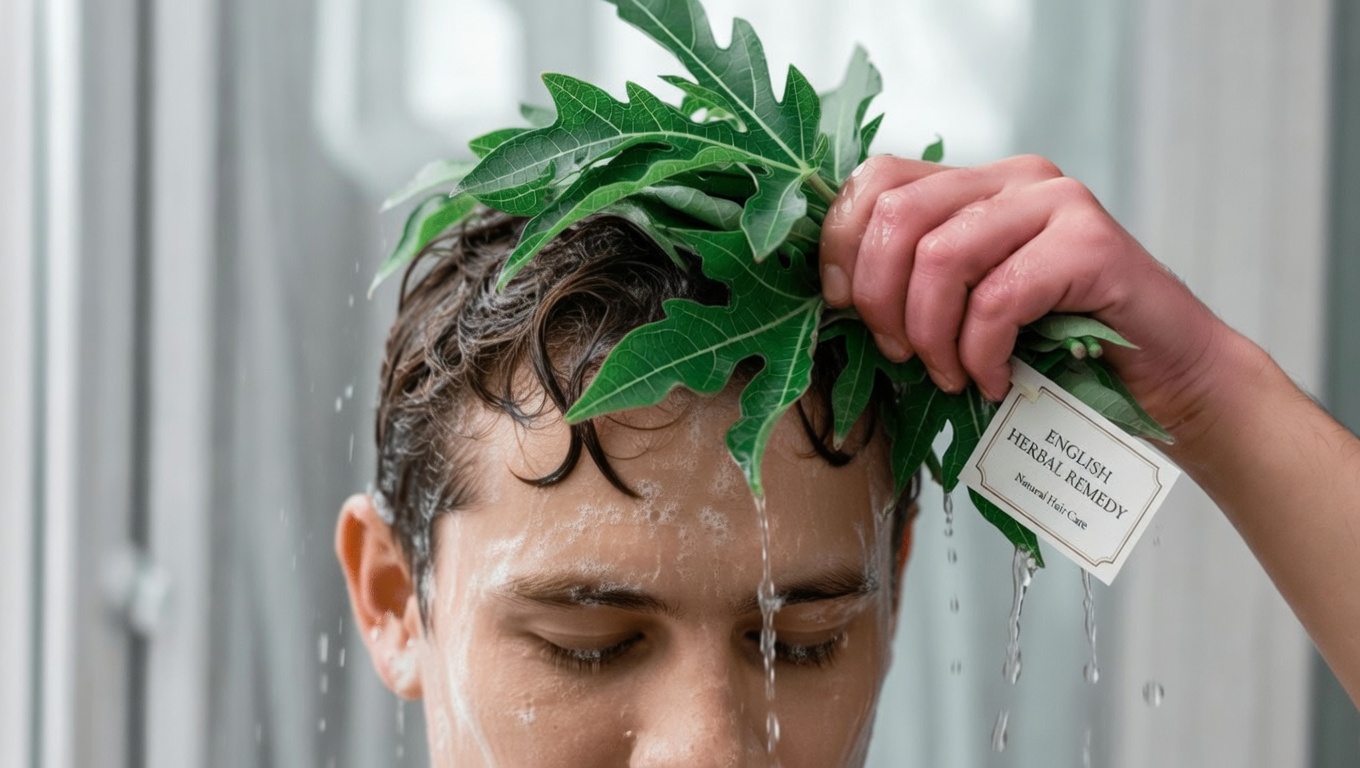
Recipe 1: Papaya Leaf Infusion Rinse (Light Daily or Overnight Booster)
This gentle, tea-style papaya leaf rinse is ideal for:
- A quick morning refresh, or
- An overnight scalp and hair soak
Because it is water-based and not heavy, it works well even for fine hair types.
Ingredients
- 8–10 fresh papaya leaves, thoroughly washed
- 2 cups clean water
- Optional: a small splash of apple cider vinegar for added shine and pH balance
Directions
-
Prepare the leaves
Chop the papaya leaves into small pieces to help release their nutrients. -
Simmer the infusion
- Bring the water to a gentle boil.
- Add the chopped leaves.
- Reduce heat and simmer for 15–20 minutes, until the liquid turns a warm amber or light greenish-brown color.
-
Cool and strain
- Remove from heat and let the mixture cool completely.
- Strain out the leaves and pour the liquid into a spray bottle or a clean bowl.
-
Storage
- Keep the infusion in the refrigerator.
- Use within 3 days for best freshness.
How to Use Overnight
- On clean, damp hair, spray or pour the infusion onto your scalp and along the lengths.
- Gently massage the scalp for a few minutes.
- Cover your hair with a shower cap or soft scarf.
- Leave it on overnight.
- Rinse thoroughly with lukewarm water in the morning and follow with a light conditioner if desired.
This rinse can help your hair feel refreshed, smoother, and more manageable over time.
Recipe 2: Fresh Papaya Leaf Hair Mask (Rich Nourishing Treatment)
This thick, green hair mask creates a richer treatment that clings to the hair shaft, similar to the smooth, gel-like masks many people love for deep conditioning.
Ingredients
- 6–8 fresh papaya leaves
- 2 tablespoons coconut oil or aloe vera gel
- 1 teaspoon honey for extra moisture
Directions
-
Blend the leaves
- Add the papaya leaves to a blender with a small amount of water.
- Blend until you get a smooth mixture.
-
Refine the texture (optional)
- Strain the blended mixture through a fine sieve or cloth to remove larger fibers if you want a smoother, creamier mask.
-
Add nourishing ingredients
- Stir in the coconut oil (or aloe vera gel) and honey.
- Mix thoroughly until it forms a uniform, creamy paste.
-
Adjust consistency
- If the mixture is too thick, add a small splash of water until it spreads easily but still stays on your hair without dripping.
How to Apply
- Divide your hair into sections for easier coverage.
- Apply the mask from the roots down to the ends, focusing on dry or damaged areas.
- Leave on for at least 30 minutes. For deeper treatment, leave it overnight if comfortable.
- Rinse very well with lukewarm water.
- Follow with a mild shampoo only if you feel residue is left, then finish with a light conditioner if needed.
Use this mask weekly or every other week as an intensive treatment to help your hair feel softer and more nourished.

How to Use Papaya Leaf Treatments Overnight for Best Results
Consistency is essential if you want to see noticeable changes. Here is a simple overnight routine many people find effective:
-
Cleanse first
- Wash your hair with a gentle, sulfate-free shampoo.
- Rinse thoroughly and towel-dry so it is damp, not dripping.
-
Choose your treatment
- Use either the papaya leaf rinse or the papaya leaf mask.
- For an extra boost, you can:
- Apply the mask first, rinse it out, then
- Finish with a light layer of the infusion rinse.
-
Massage the scalp
- Use your fingertips to massage in circular motions for a few minutes.
- This can help stimulate blood flow to the scalp and improve product absorption.
-
Protect your hair while you sleep
- Cover your hair with a shower cap, silk scarf, or soft cotton cloth.
- This helps keep moisture in and prevents staining your pillowcase.
-
Rinse in the morning
- Rinse thoroughly with lukewarm water.
- Apply a light conditioner if needed and style as usual.
Start by using these treatments once or twice a week, then adjust based on how your hair and scalp react. Over time, many people notice that their hair feels smoother, looks shinier, and appears more vibrant.
5 Practical Tips to Maximize Your Papaya Leaf Hair Routine
-
Use the freshest leaves you can find
Fresh papaya leaves generally contain more active compounds than older or wilted ones. -
Perform a patch test first
Apply a small amount of the preparation to the inside of your arm. Wait 24 hours to see if any irritation occurs before using it on your scalp. -
Support your hair from within
Combine these treatments with a diet rich in protein, healthy fats, and vitamins (particularly A, C, E, and B-complex) to support hair health internally. -
Avoid very hot water
Rinsing hair with overly hot water can dry out the hair shaft. Use cool to lukewarm water for both rinsing and washing. -
Track your progress
Take photos of your hair every few weeks in similar lighting. Subtle improvements in shine, texture, and fullness are often easier to notice over time.
These small habits make the process more enjoyable and help you stick with your natural hair care routine long term.
Common Questions About Papaya Leaf Hair Care
How often should I use papaya leaf treatments on my hair?
Most people do well starting with twice a week. You can:
- Use the light infusion rinse more frequently (even daily for some hair types).
- Use the thicker mask less frequently (such as once every 7–10 days).
Observe how your hair and scalp feel, and adjust the frequency accordingly.
Can I use dried papaya leaves instead of fresh ones?
Yes. Dried papaya leaves can be used when fresh leaves are not available. To get the most from them:
- Soak the dried leaves in warm water for about 30 minutes to rehydrate.
- Then prepare the infusion or blend them as you would with fresh leaves.
The scent and color may be slightly different, but the treatment can still be beneficial.
Do papaya leaf treatments work for all hair types and colors?
Papaya leaf rinses and masks are generally gentle and can be used on:
- Straight, wavy, curly, or coily hair
- Fine, medium, or thick textures
- Natural or chemically treated hair
However, if you have:
- A very sensitive scalp
- Existing scalp conditions
- Allergies to papaya or plant enzymes
introduce the treatments slowly and consider consulting a dermatologist or hair professional first.
Final Thoughts on Building a Papaya Leaf Hair Care Habit
Using papaya leaves for hair care is a simple, traditional, and budget-friendly way to give your hair extra attention at home. With just a bit of preparation the night before, you can create nourishing rinses and masks that fit easily into a busy routine.
Remember:
- Visible changes take time.
- Consistency matters more than intensity.
- Healthy-looking hair comes from caring for it both externally and internally.
If you enjoy natural beauty rituals, papaya leaf treatments can become a relaxing overnight habit that supports a healthier-feeling scalp and more vibrant hair over the long term.
FAQ
Can papaya leaves replace my regular hair products?
Papaya leaf treatments are best used as a complement, not a complete replacement, for your usual hair care. Continue to use a suitable shampoo and conditioner, and add papaya leaf rinses or masks as an extra step for nourishment and scalp support.
Will papaya leaf treatments make my hair grow faster?
Hair typically grows about 0.5 inches (1.25 cm) per month on average. Papaya leaf treatments do not dramatically speed up growth, but they can help:
- Support a healthier scalp environment
- Improve the condition of existing strands
This can make hair appear fuller and healthier as it grows at its natural rate.
Are there any possible side effects?
Most people tolerate papaya leaf hair treatments well. However:
- Stop using them if you experience redness, itching, burning, or any irritation.
- Always patch-test before first use.
- If you have known allergies or a sensitive scalp, talk to a dermatologist before trying new topical products.
Disclaimer
The information in this article is for educational purposes only and is not intended to diagnose, treat, cure, or prevent any disease or condition. Always consult a qualified healthcare provider or dermatologist before starting any new hair or scalp treatment. Individual experiences and results will vary.