Have you ever slept a full night and still woken up feeling stiff, foggy, or bothered by that familiar burning sensation in your chest? For many people, bedtime follows the same pattern every night—get into bed, fluff the pillow, close the eyes, and fall asleep—without much thought about how body position might affect the hours that follow. Yet the posture you hold for six to eight hours can shape how rested, comfortable, and energized you feel the next morning and over the long term.
From mild neck tightness to unsettled digestion or broken sleep, these seemingly minor effects can gradually influence everyday well-being. The good news is that even small changes in sleep posture may help improve alignment, breathing, and sleep quality. Below, you’ll find a clear comparison of common sleeping positions and simple ways to adjust your routine for a more refreshing night’s rest.
Why Your Sleeping Position Matters
While you sleep, your body is far from inactive. It is busy repairing tissues, balancing hormones, and maintaining brain function. When your sleeping posture keeps the spine aligned and the airways open, these essential processes can work more effectively. But if your position twists the neck, stresses the lower back, or restricts breathing, it may contribute to discomfort and interrupted sleep.
Research shows that nighttime posture can affect spinal pressure, breathing patterns, and even how efficiently the body moves fluids and clears waste. Some studies examining the glymphatic system—the brain’s cleaning process that becomes active during sleep—suggest that side sleeping may support better fluid movement than sleeping on the back or stomach.
Many people notice real differences after making small changes, such as less morning stiffness or fewer overnight disruptions. The goal is not to force an unnatural position, but to find one that feels supportive and sustainable for your body.
A Closer Look at the Main Sleeping Positions
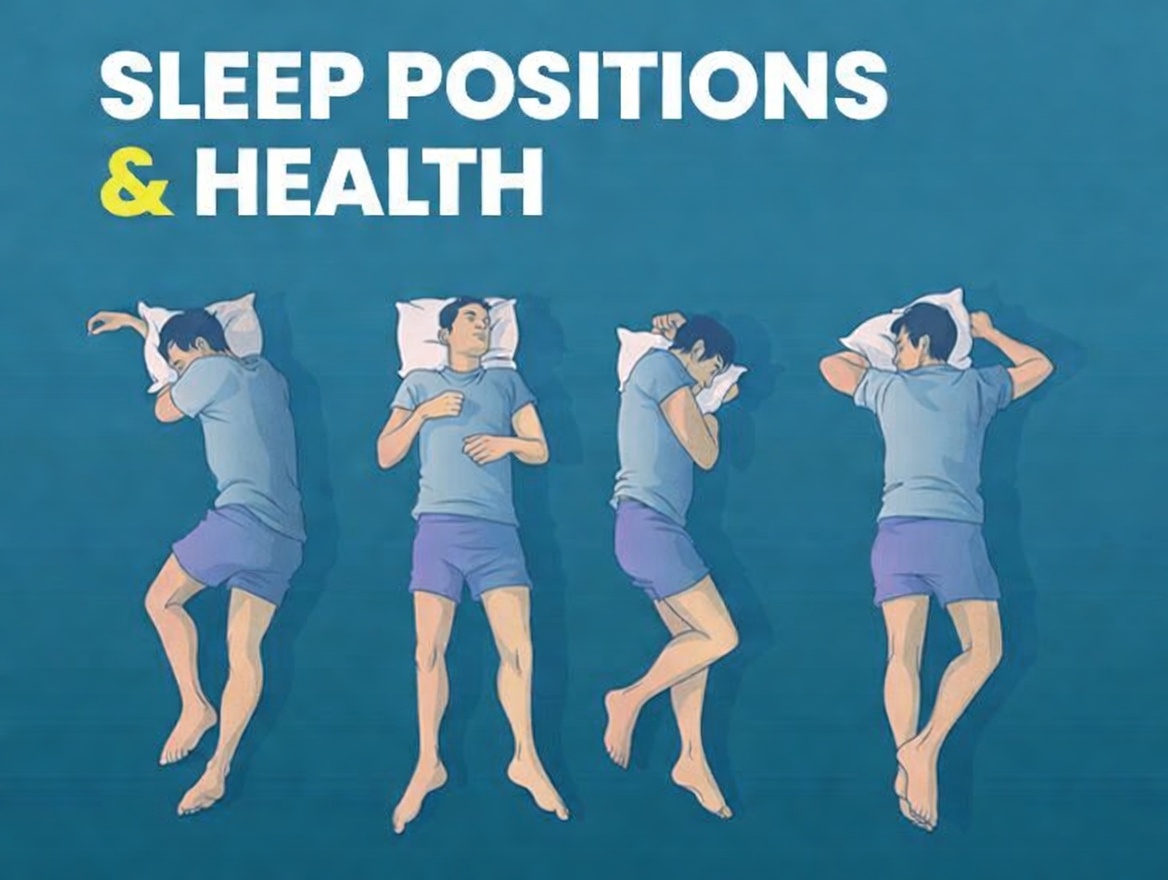
Not all sleeping positions affect the body in the same way. Here is how the most common postures compare.
Sleeping on the Left Side
For many adults, sleeping on the left side is often considered one of the most beneficial options. Because the stomach and pancreas rest more naturally on the left, gravity may help food and digestive fluids move more smoothly. As a result, some people experience less nighttime heartburn or acid reflux in this position.
This posture may also support circulation and lymphatic flow. In addition, some research suggests that lateral sleeping positions, including the left side, may help the brain’s nighttime waste-clearing system work more efficiently, which could be relevant for long-term brain health.
For pregnant women, left-side sleeping is commonly recommended because it may improve blood flow and reduce pressure on major blood vessels. Overall, many sleep experts see left-side sleeping as a strong everyday choice for most adults.

Sleeping on the Right Side
Sleeping on the right side offers many of the same general advantages as left-side sleeping. It can help keep the spine in a more neutral position and may support easier breathing compared with lying flat on the back.
However, it may not be as helpful for digestion in some people. In this position, the stomach can sit above the esophagus, which may make it easier for acid to move upward and trigger reflux symptoms.
Even so, if sleeping on the left feels awkward or difficult, the right side is often a practical alternative. In most cases, it remains a better option than stomach sleeping when spinal comfort is the priority.
Sleeping on the Back
Back sleeping, also known as the supine position, can help keep the head, neck, and spine aligned in a straight line. For some people, this reduces pressure on the lower back, especially when a pillow is placed under the knees for support.
Still, breathing is an important consideration. When lying flat, gravity can pull the soft tissues of the throat backward, which may increase snoring or worsen breathing pauses in those who are already prone to them. If you regularly wake up with a dry mouth, headaches, or signs of poor sleep, your sleeping position may be part of the issue.
Because of this, many professionals suggest side sleeping for people who snore heavily or deal with sleep-related breathing problems.
Sleeping on the Stomach
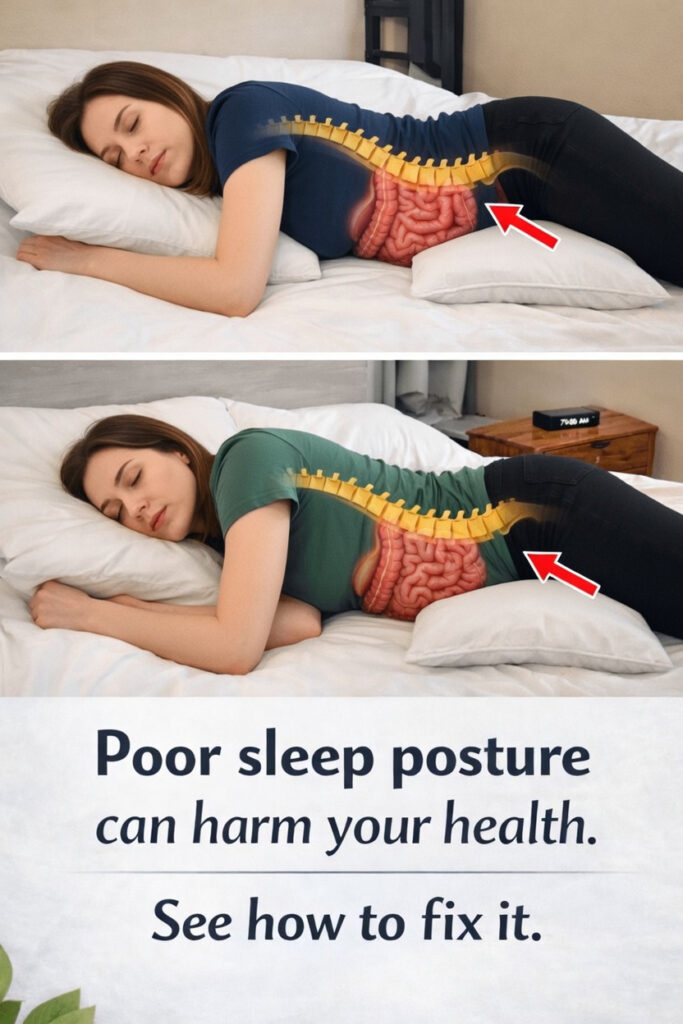
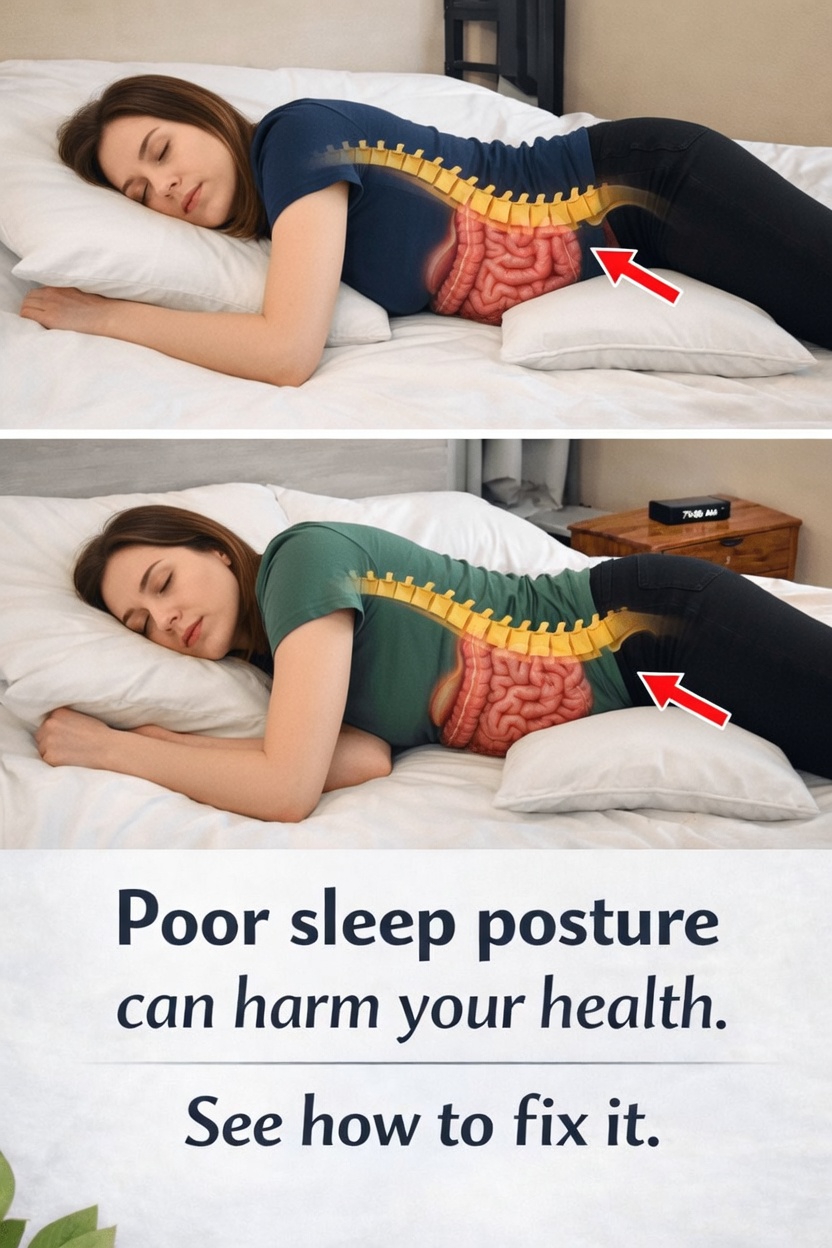
Among the main sleep positions, stomach sleeping is generally considered the least supportive over time. It often forces the head to stay turned to one side for hours, which can strain the neck and place extra pressure on the lower back. It may also compress the torso and make breathing feel less natural.
Although some people find it comforting at first, many report more neck soreness and back stiffness after spending the night this way. For long-term spinal health, stomach sleeping is usually the least recommended option.
Quick Comparison of Sleep Positions
- Left side: Often supports digestion and circulation, may assist brain waste clearance, and is commonly recommended during pregnancy.
- Right side: Helps maintain decent spinal alignment and airway support, though it may be less helpful for reflux in some people.
- Back: Can keep the spine neutral, but may worsen snoring or sleep apnea in susceptible individuals.
- Stomach: Often increases neck rotation and lower back strain, making it the least favorable choice for most people.
How Age and Life Stage Influence Sleep Position
The best sleeping posture can change throughout life. For infants, back sleeping is the standard recommendation because it helps reduce the risk of sudden infant death syndrome (SIDS). As adults age—especially after 60—side sleeping may become more helpful, since breathing interruptions can become more common due to changes in the airways and muscle tone.
During pregnancy, side sleeping, especially on the left, is frequently advised to support blood flow and improve comfort as the body changes. Some large studies suggest that in early and middle pregnancy, sleep position may be less critical than once believed, but comfort and circulation still matter.
The key message is simple: there is no single perfect sleeping position for everyone. Paying attention to how you feel in the morning can help guide small, useful adjustments.
5 Common Myths About Sleeping Positions
A lot of advice about sleep posture comes from routine or assumption rather than strong evidence. Here are a few common myths worth questioning:
-
“Sleeping on your back is always the healthiest.”
It can be helpful for alignment, but it is not ideal for everyone, especially those who snore or have reflux. -
“Stomach sleeping improves digestion.”
In many cases, it does the opposite by increasing pressure on the body and creating strain. -
“Any pillow is fine as long as you have one.”
Pillow support matters. The right one can help keep the neck aligned instead of bent too far up or down. -
“Snoring is harmless if you still get enough sleep.”
Snoring can be a sign of narrowed airways and may affect sleep quality over time. -
“You can make up for poor sleep habits on weekends.”
Regular nightly routines usually matter more than occasional catch-up sleep.
A Notable Detail About Brain Health
Animal and human research suggests that the glymphatic system—the mechanism that helps clear waste from the brain during deep sleep—may work more efficiently in side-lying positions than when lying flat on the back. This is one reason side sleeping continues to attract attention in sleep science.
Simple Ways to Improve Sleep Posture Tonight
You do not need to completely redesign your bedroom to test better habits. Small adjustments can make a meaningful difference.
-
Start the night on your side
Put a pillow between your knees to help keep the hips and spine aligned. This may reduce lower back stress. -
Support your neck correctly
Use a pillow that keeps your head level with your spine instead of pushing it too high or letting it drop too low. -
Raise your head slightly if reflux is a problem
A gentle incline can help gravity reduce acid movement during the night. -
Use a body pillow or rolled blanket
Extra support can help prevent you from rolling onto your back or stomach if those positions cause discomfort. -
Check the condition of your mattress and pillows
Worn-out bedding can reduce support. For many people, a medium-firm mattress works well across different positions.
Keep in mind that your body may need a week or two to adjust to a new default sleeping posture. Be patient, and let comfort guide your changes.
What If You Still Wake Up Uncomfortable?
If you have already tried changing positions and still feel sore or unrested, consistency often matters more than quick fixes. Sometimes a better pillow, more knee support, or a slight bed elevation can make a bigger difference than a complete position change overnight. Small refinements, repeated consistently, are often what lead to better results.
Real-Life Experiences Many People Recognize
Many people say that switching to side sleeping helped reduce morning neck tension or left them feeling more refreshed. Others notice less discomfort at night during pregnancy or as they get older. Results are never identical for everyone, but minor posture changes often lead to noticeable improvements in comfort and sleep quality.
Final Takeaway
Your sleeping position may seem like a small detail, but it can influence spinal alignment, breathing, digestion, and overall sleep quality more than many people realize. For most adults, side sleeping—especially on the left—offers several advantages. Back sleeping can work well for some, while stomach sleeping is usually the least supportive over time.
The best approach is to make simple, manageable adjustments and pay attention to how your body responds. A better night’s sleep may begin with nothing more than a small shift in how you lie down.