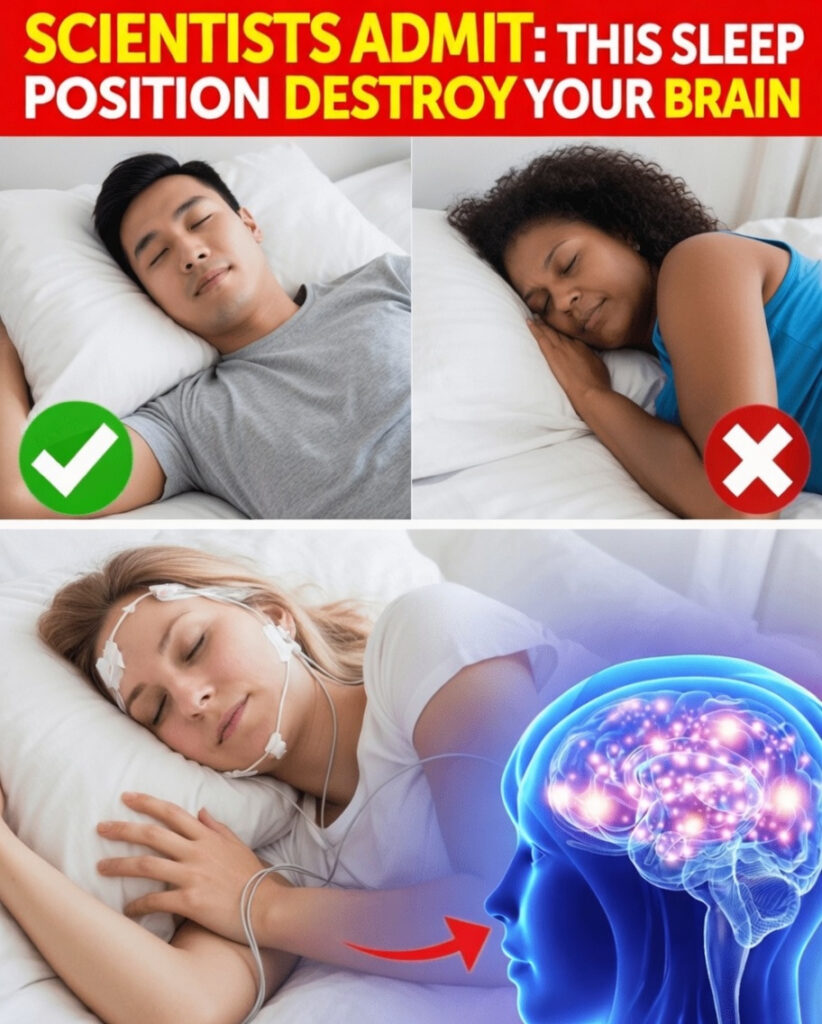
A Simple Bedtime Change That May Support Brain Health
Many adults in their 50s and older notice small but frustrating mental lapses, like forgetting names, losing focus more easily, or feeling mentally sluggish after a poor night’s sleep. These changes can be concerning, especially when they seem to happen more often over time. It is easy to overlook the role sleep may play, yet the way you rest at night can influence how refreshed and clear-headed you feel the next day.
What if one small adjustment to your sleep habits could better support your body’s natural brain-maintenance process? One often ignored factor may connect the dots: your sleeping position.
The Brain’s Natural Cleaning Process During Sleep
Inside the brain is a remarkable waste-removal network known as the glymphatic system. First identified by scientists in 2012, this system works like an internal cleanup crew, helping move waste products out of the brain while you sleep. Research suggests that this process becomes more active during rest, clearing out substances that build up through normal daily brain activity.
What many people do not realize is that the position you sleep in may affect how efficiently this system works.
Why Side Sleeping Gets So Much Attention
A widely cited 2015 study published in the Journal of Neuroscience explored how body posture influences this cleanup process in animal models. Researchers from Stony Brook University found that lying on the side appeared to support better fluid movement and waste removal than sleeping on the back or stomach.
Although more human research is still needed, these early findings have made sleep posture an area of growing interest among experts.
That matters because your brain creates waste throughout the day, and sleep is the time when much of that clearing process takes place. In other words, a simple change in how you lie down could help support a natural overnight function without requiring medication, devices, or expensive tools.
Sleep Positions Compared: What Current Research Shows
Here is a quick overview of how common sleep positions compare based on available findings:
| Sleep Position | Possible Effect on Brain Fluid Flow | Common Real-Life Experience |
|---|---|---|
| Side (Lateral) | May promote more efficient waste clearance in research models | Often feels natural and may support easier breathing |
| Back (Supine) | Shown to be less efficient in some studies | Common position, but may contribute to snoring for some people |
| Stomach (Prone) | Lowest efficiency in animal data | Can strain the neck and make breathing less comfortable |
It is important to remember that much of this evidence comes from controlled laboratory studies, especially animal research. Still, it offers a useful framework for evaluating your own nightly habits.
How to Start Sleeping on Your Side Tonight
If you want to test this habit for yourself, the good news is that it does not require a major lifestyle overhaul. These simple steps can make the transition easier:
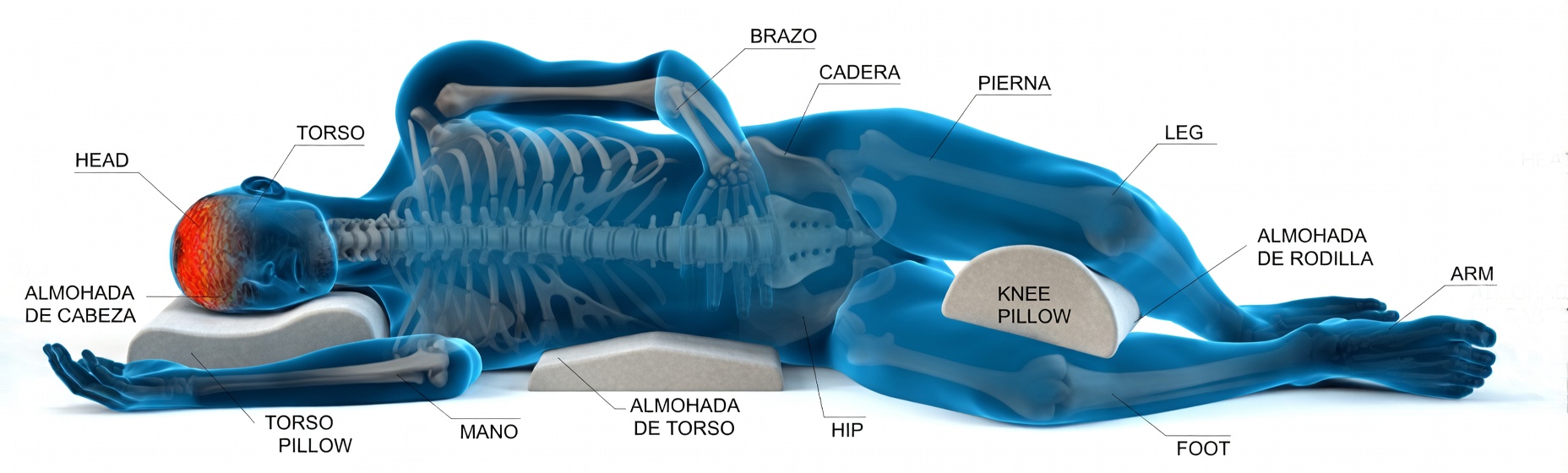
- Use a supportive pillow that keeps your head and neck in proper alignment.
- Place a body pillow or cushion between your knees to improve comfort and reduce the urge to roll onto your back.
- Try the right side first, if you do not have a medical reason to avoid it, as some circulation research suggests it may feel more comfortable for certain people.
- Keep a regular bedtime, giving your body time to adapt to the new position over one to two weeks.
- Adjust your mattress setup if needed, such as adding a soft topper if your bed feels too firm or uneven for side sleeping.
A helpful bonus tip: combine side sleeping with a cool, dark, and quiet bedroom to make it easier for your body to settle into deeper rest.
Side Sleeping Is Helpful, but It Is Not the Whole Picture
Your sleep position is only one part of supporting better rest and healthy brain function. Everyday habits also matter. Regular movement during the day, even something as simple as a 20-minute walk or a short yoga session, may support healthy circulation and work alongside the body’s overnight recovery systems.
Other practical habits linked to better sleep quality include:
- Reduce screen exposure for at least one hour before bedtime
- Go to bed and wake up at consistent times, including weekends
- Stay hydrated during the day, but avoid drinking too much right before bed
- Practice mindfulness or deep breathing for a few minutes in the evening
- Avoid heavy meals and alcohol late at night if they interfere with your sleep
These are realistic changes that many busy adults can begin right away.

Is Sleeping on the Right Side Better?
Not all side-sleeping positions feel the same. Some sleep experts suggest that the right side may be more comfortable for circulation in certain individuals. In some cases, this position may reduce pressure on parts of the body and feel easier to maintain through the night.
That said, comfort and health needs vary. If you have a heart condition or other medical concerns, it is best to check with your healthcare provider before making changes based on sleep position alone.
Build an Evening Routine That Works With Your Body
The most effective approach is not just changing your position for one night, but creating a routine you can follow consistently. Pairing side sleeping with other healthy bedtime habits can help support your body’s natural rhythms night after night.
Small changes often produce the best long-term results because they are easier to maintain.
Quick Self-Check: How Well Are You Sleeping?
Before moving on, ask yourself this:
On a scale from 1 to 10, how often do you wake up feeling mentally clear and refreshed?
Write down your answer, then try these sleep changes for two weeks. Tracking how you feel each morning can help you see whether your new habits are making a difference.
Common Questions About Sleep Position and Brain Health
1. Does sleeping on my side really matter?
Research in animal models suggests that side sleeping may support more efficient fluid movement in the brain during rest. While the effect may differ from person to person, it is a simple and low-risk habit to explore as part of better sleep hygiene.
2. What if I cannot stay on my side all night?
That is completely normal. Many people shift positions during sleep. A body pillow can help, and with practice, side sleeping often becomes easier. Even spending part of the night in that position may be a useful starting point.
3. Are there other habits that can help support brain health during sleep?
Yes. Regular exercise, less evening screen time, and a consistent sleep schedule all work together to improve rest quality and support the body’s natural overnight processes.
Final Thoughts: Small Sleep Changes Can Have Real Value
You now have a practical starting point for supporting your brain’s natural nighttime cleanup system. From trying a side-sleeping position to improving your evening routine, these strategies are simple, affordable, and easy to begin.
The biggest advantage is that you can monitor how you feel and make adjustments over time. Consistency matters more than perfection. Give yourself two to four weeks to notice whether you feel more rested, focused, or clear-headed in the morning.
A small bedtime change today may benefit your future well-being more than you think.
Disclaimer
This article is for informational purposes only and is not a substitute for professional medical advice. Always consult a qualified healthcare provider for personalized guidance about sleep habits, medical conditions, or any health concerns.